Is Yirgacheffe Coffee an Arabica Bean? Characteristics of Yirgacheffe Coffee Varieties

The long history of Arabica varieties, high-altitude growing environments, and generations of cultivation, harvesting, and processing experience have together produced a smooth, rich, and layered coffee flavor.
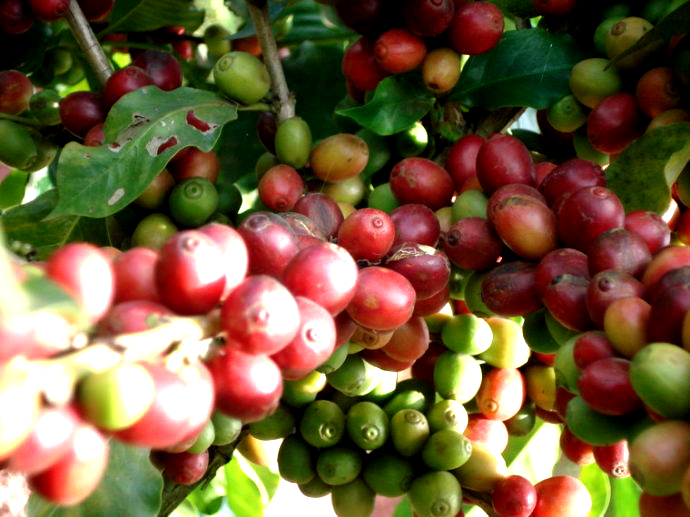
Ethiopia is a remarkable country, the birthplace of Arabica coffee beans. The Kaffa Forest is where it all began, and Ethiopia is also one of Africa's major coffee-producing countries. Ethiopia is the origin of Arabica coffee and holds thousands of natural coffee varieties - 99% of coffee variety genes can be found there. Because the varieties are so numerous and so hard to classify and identify, and because the Ethiopian government is reluctant to release variety information in order to protect its natural coffee, Ethiopian exports are often labeled collectively as "Heirloom" native varieties.

Across all coffee production, Arabica varieties account for 70%-80%, and their excellent flavor and aroma make them the finest of the coffee native varieties. Ethiopian coffee beans are typically uneven in size and smaller than those of other producing countries, with a rounder appearance and very small beans, mostly between 14-15 mesh.
Arabica beans usually appear as specialty coffee, but they have low resistance to drought, frost, pests, and disease - particularly coffee's archenemy, leaf rust - so producing countries work constantly on variety improvement. Originally all commercial coffee in the world was Arabica, but by the late 19th century rampant leaf rust had caused many coffee plantations to collapse, and growers began seeking other disease-resistant varieties. Arabica remains the most important coffee variety, accounting for about 3/4 of world coffee production. It is grown mainly in Latin American countries, with some cultivation in Indonesia and the Pacific islands. Brazil, the world's largest coffee-producing region, has geographical and climatic conditions highly suitable for Arabica, and Arabica is its main cultivated variety. Brazil's coffee production accounts for more than 1/3 of the world total. Arabica fruits are smaller than Robusta and Liberica fruits, with oval berries that typically contain two seeds - the so-called coffee beans.

Arabica is a very broad classification with many branch varieties beneath it. It has two main derivative varieties - Typica and Bourbon - along with their derived, experimental, and hybrid varieties, and more. Commonly heard varieties include Catuai, Catimor, and countless others. Ethiopia is Africa's largest Arabica-producing country, and within Arabica it holds over two thousand varieties, all descended from Ethiopia's most ancient Typica, which was transplanted to Central and South America or Asia and then mutated. Ethiopia is a genetic treasure trove of Arabica, estimated to have at least 2,000 varieties, while Ethiopian authorities claim that less than 5% of the Arabica varieties within the country have been studied in depth and confirmed for their morphology and habits.
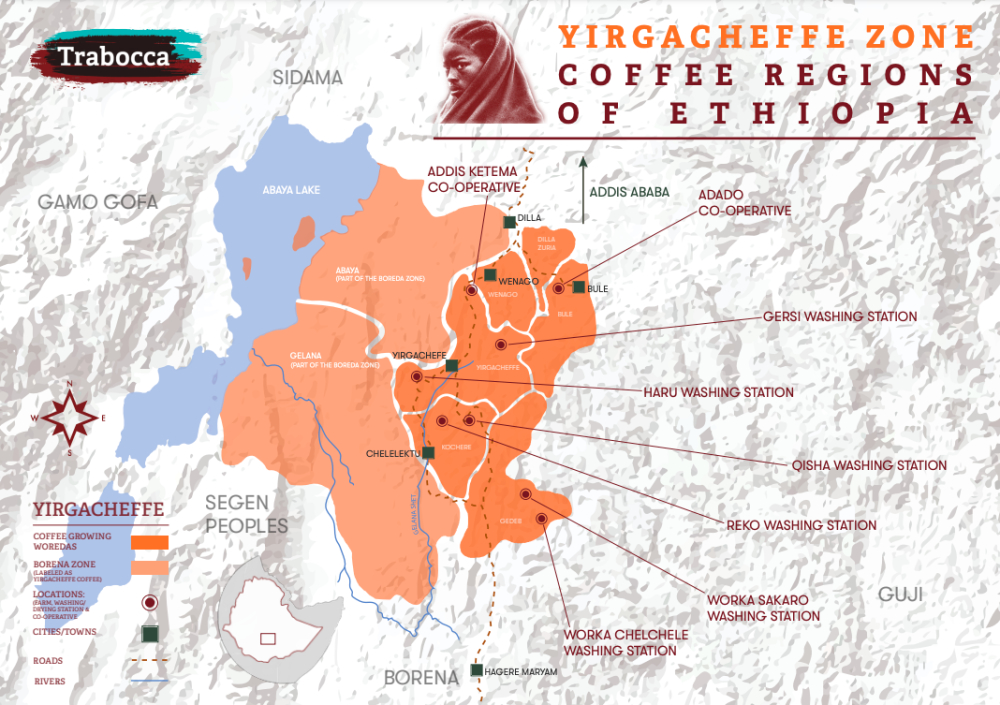
Ethiopia is Africa's largest coffee-producing country. There, coffee is not only an important source of income but has become woven into the national culture and daily life. According to official Ethiopian figures, of the nearly 6.5 million bags produced annually, about half is consumed by Ethiopians themselves, with only about 3.5 million bags exported around the world.
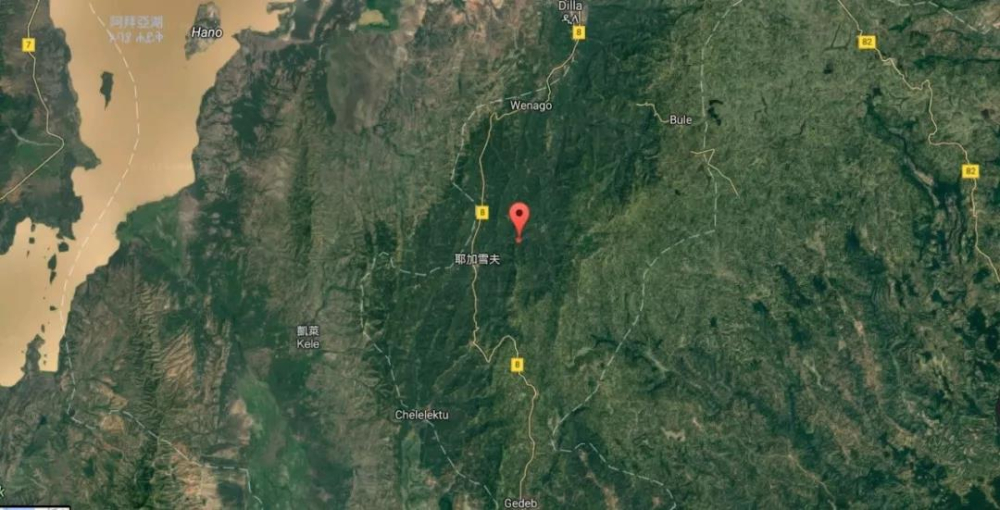
Yirgacheffe is the core of Ethiopia, the birthplace of Arabica, and a producing region that anyone who loves or wants to explore specialty coffee must come to understand. Yirgacheffe is also a vast region, containing numerous estates and cooperatives of various sizes, with beans from different areas showing subtle flavor differences. On FrontStreet Coffee's bean list, nearly half of the coffees come from the Yirgacheffe producing region - Red Cherry Project, Gedeb Cooperative, Woke Cooperative, Kochere, Konga Cooperative, and more. Multiple Yirgacheffe beans, in both washed and natural processing, offer drinkers a diverse and interesting range.
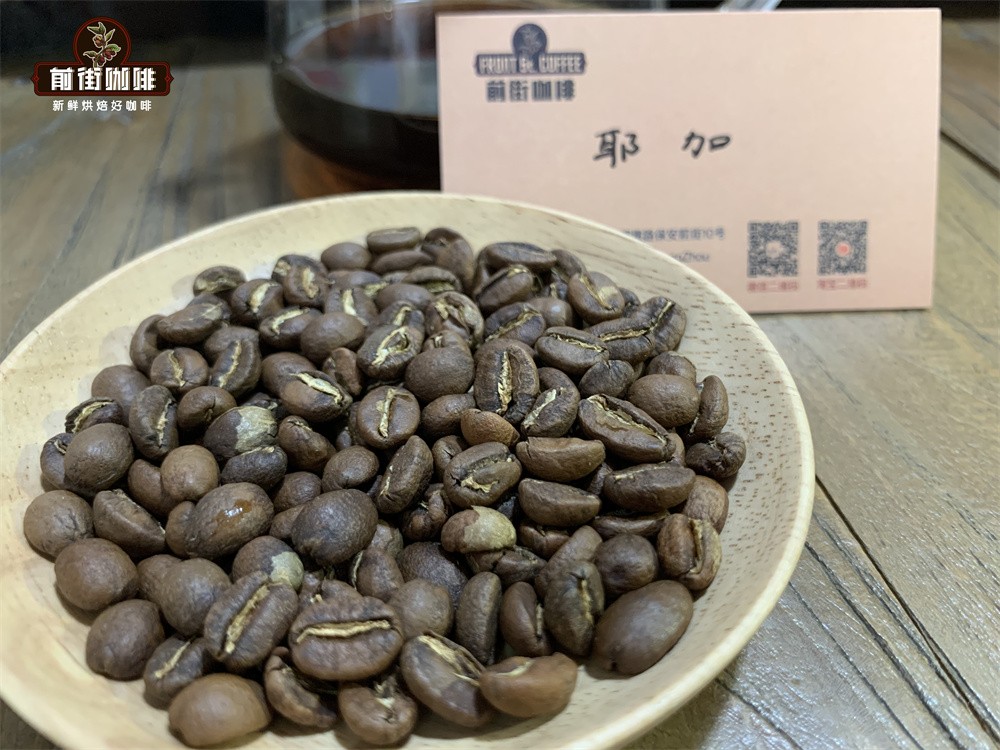
Yirgacheffe beans are known for their many ancient varieties, and in fact they include beans of many different sizes that carry different moisture content and composition. Highlighting the region's "aromatic, sweet, and beautifully fruity acidity" tests the roaster's skill at every moment.
Arabica Coffee Bean Varieties
Arabica is the earliest coffee variety discovered, considered the best quality of all coffee bean varieties, and today the world's main coffee bean variety, produced across Central and South America, Africa, and Asia. Arabica typically grows between 2.5 to 4.5 meters. It tolerates low temperatures but cannot withstand frost, has weak drought resistance, and gives larger beans with a clean flavor, a mellow taste, and low caffeine content. Arabica also has many subspecies, all descended from Ethiopia's most ancient Typica and Yemen's Bourbon, transplanted to Central and South America or Asia and then mutated into numerous varieties.
The specialty coffee referred to in the third-wave trend is evaluated on four aspects: variety, altitude, processing method, and cupping score. Among these, coffee bean varieties are mainly Arabica.
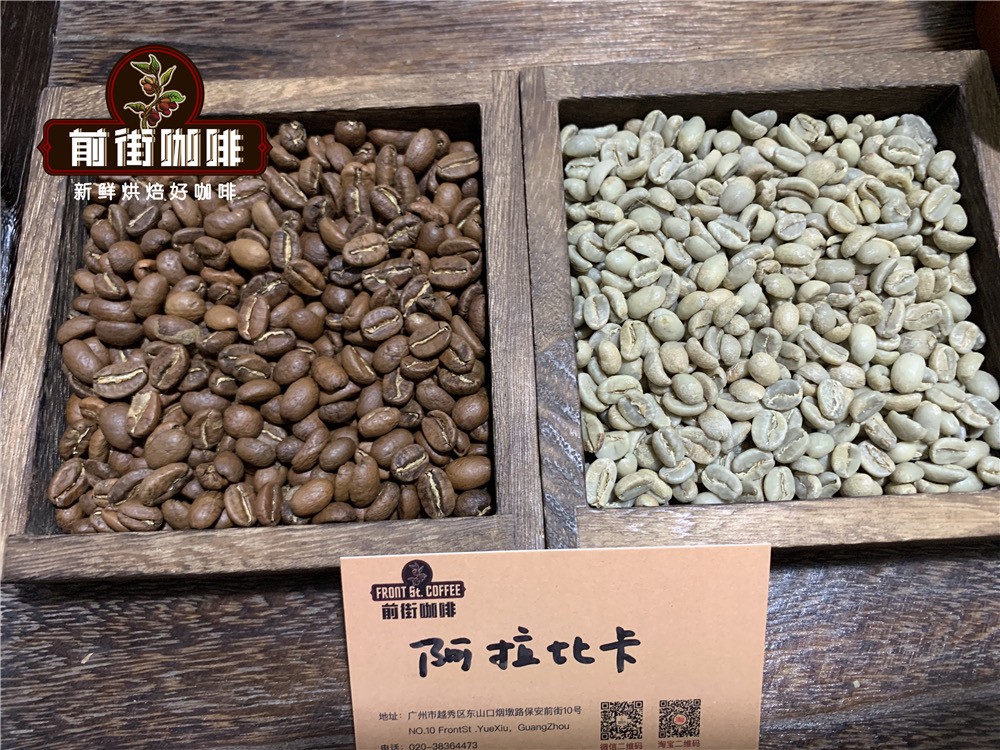
Ethiopia's coffee has spread worldwide, and regions such as Sidamo and Yirgacheffe each have distinctive flavors and characteristics. Yirgacheffe and Sidamo both belong to Ethiopia's producing regions, while Yirgacheffe is a small town within Sidamo province. Sidamo sits at an altitude of 2,100 meters, while Yirgacheffe exceeds 2,600 meters. As coffee growing altitude increases, amino acids and other aromatic compounds in the coffee increase with the rising altitude and lower average temperatures, so beans produced in high mountain areas typically have rich aromas and mellow flavors. Yirgacheffe coffee is one of the most distinctive coffees in the world, an outstanding representative of African washed coffee, and has long enjoyed a prestigious reputation among coffee connoisseurs.
Most Ethiopian coffee is named after its producing region - Yirgacheffe Red Cherry from the Yirgacheffe region, Yirgacheffe Kochere, and, of course, coffee from the region's main producing area is simply labeled Yirgacheffe. The Yirgacheffe region lies in Ethiopia's Sidamo province, a plateau at 2,000 meters altitude, one of the world's highest coffee-producing regions and synonymous with Ethiopian specialty coffee. Yirgacheffe's average temperature is 18.4°C, with year-round cool and foggy weather and spring-like seasons, and its terrain and unique cultivation systems provide optimal conditions for specialty coffee.

Yirgacheffe Coffee Bean Processing Methods
Yirgacheffe originally used the most ancient natural processing method, but in 1972 Ethiopia introduced Central and South American washing technology to improve quality, making the region's jasmine fragrance and citrus aroma clearer and more refined and elevating it into an absolute gem among the world's specialty beans. Since the 1970s, washing has been the primary method - washed Yirgacheffe, for instance. In recent years, however, Yirgacheffe has defied expectations by frequently introducing striking natural beans.
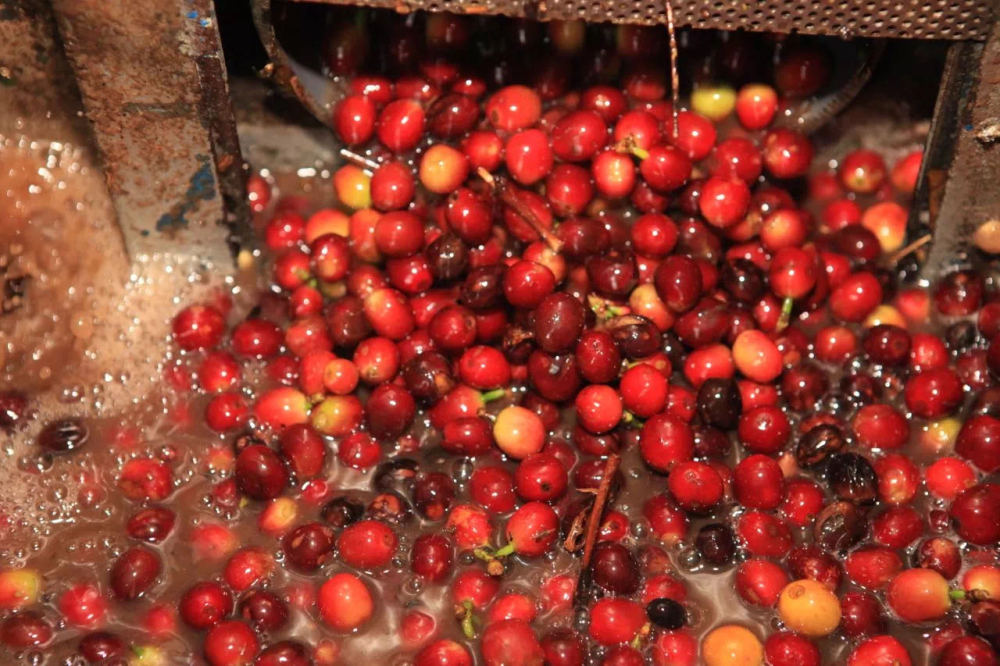
Natural Yirgacheffe has strict standards for collecting red fruit. Before the cherries are laid out in the sun, unripe green cherries and defective cherries are removed by hand, and during sun-drying, damaged or moldy cherries are removed again. After two weeks, the fruit pulp's sugars and essence have fully penetrated the beans, moisture content drops to 12%, and the hardened fruit pulp, mucilage layer, and parchment are all scraped off with a hulling machine. The extracted beans then undergo density and bean-color testing, and after defective beans are eliminated, workers finally remove by hand any that were missed. That layer-by-layer screening creates the clean, refined quality of Yirgacheffe natural beans - Yirgacheffe Red Cherry, for example.

"Red Cherry Project"
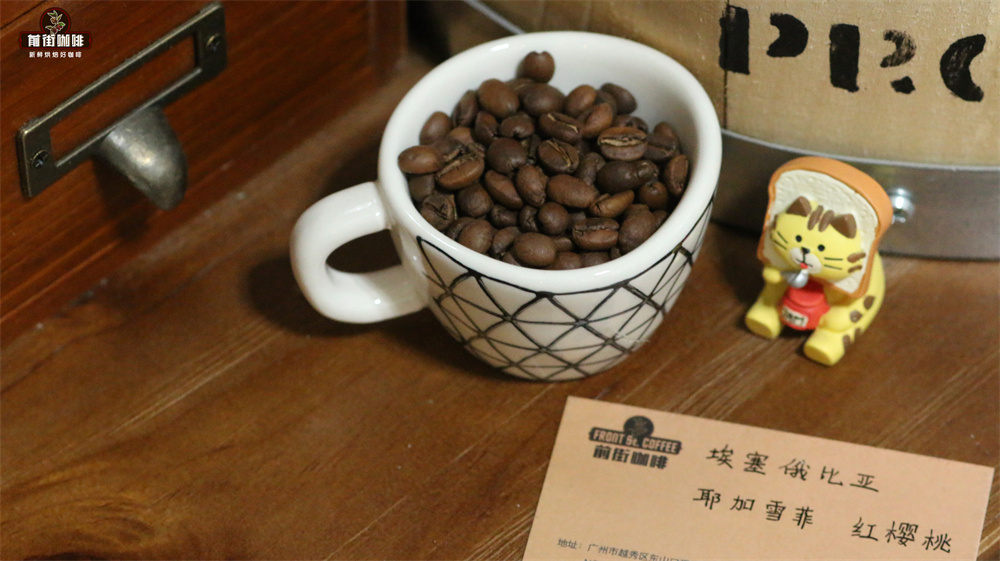
Yirgacheffe also produces specialty-grade natural coffee beans, and the Red Cherry beans on FrontStreet Coffee's list are selected from naturally processed Yirgacheffe.
To improve the income of local Ethiopian farmers and the quality of the coffee, the Dutch trading company Trabocca BV launched the "Operation Cherry Red Project" in 2007, aimed mainly at high-altitude producing areas such as Ethiopia's Yirgacheffe to improve washing, semi-washing, and natural processing techniques. Professional cuppers joined the project, and during harvest season different volumes are set for different microclimate zones, with only 100% mature red cherries required and production of around 1,500-3,000KG. The economic loan support, new hardware and equipment, and production knowledge and technology that Trabocca provided greatly improved the quality of coffee beans in the Yirgacheffe region and even across Ethiopia. In return, the coffee commands higher prices, which raises farmers' incomes.
The Yirgacheffe Coffee Farmers Cooperative Union (YCFCU) was established in June 2002 and currently has 28 main cooperative members, 44 coffee processing facilities, and a total of 45,094 farmers. According to FrontStreet Coffee's investigation in the Yirgacheffe region, coffee is the main source of income and a way of life. Many farmers, however, lack the tools, training, and bargaining power needed to build profitable businesses. As prices decline, making a living from coffee grows harder, and reaching international markets is difficult for small farmers. YCFCU was born from the hope that better organization and new market connections in the specialty coffee sector could let farmers keep operating their businesses and gain economic empowerment.

FrontStreet Coffee's Yirgacheffe Brewing Parameters:
V60 dripper, water temperature 90°C, water-to-coffee ratio 1:15, coffee amount 15g, grind size (80% pass-through rate on China #20 standard sieve)
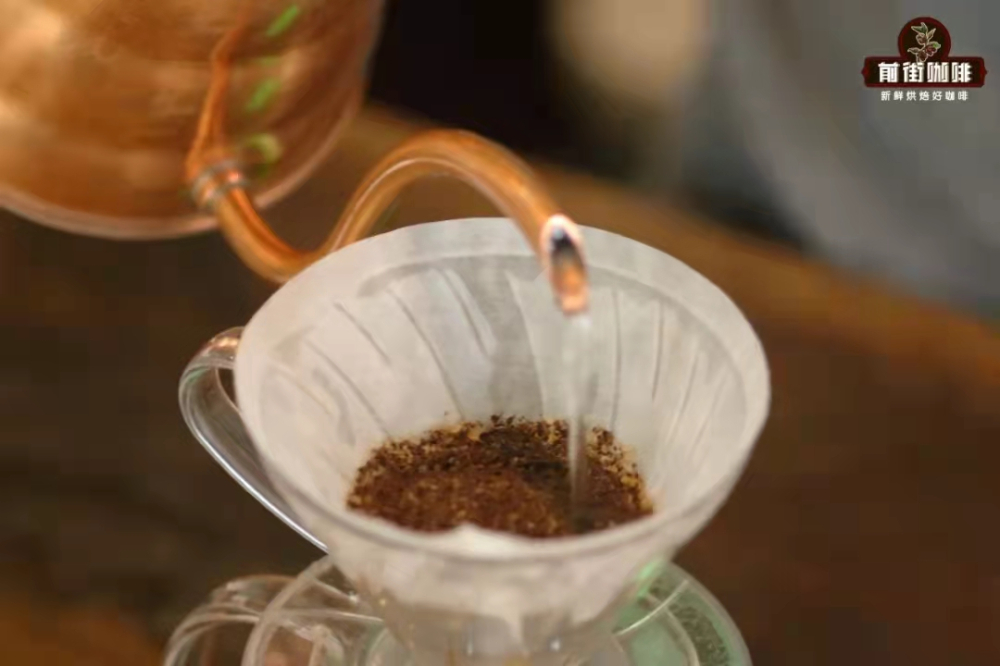
Using segmented extraction, bloom with 2 times the coffee weight in water - that is, 30 grams of water for 30 seconds. The bloom is necessary to let the grounds release their internal carbon dioxide, which makes the later extraction more stable. With a small flow, pour in circles to 125 grams, then keep pouring to 225 grams and stop. Wait until the water in the dripper has finished dripping, then remove the dripper. Time from the start of pouring is 2'00". Next, pick up the whole cup of coffee, shake it well, and pour it into cups for tasting.
[Washed Yirgacheffe Coffee Flavor] The acidity is brighter and more lively, with lemon acidity, citrus fragrance, a refreshing taste, and a black-tea sensation in the finish.
[Natural Red Cherry Coffee Flavor] Berries, lemon, strawberry, and fermented wine aroma.

FrontStreet Coffee Brewing Suggestions:
Whatever type of coffee you make, the freshness of the beans matters enormously. FrontStreet Coffee has always held that bean freshness is closely tied to flavor, so it ships coffee roasted within 5 days. FrontStreet Coffee's roasting philosophy is "freshly roasted good coffee," ensuring that every customer who orders receives the freshest coffee on arrival. The coffee resting period is about 4-7 days, so when customers receive their coffee it is at peak flavor.
For those who need ground coffee, a gentle reminder: if the beans are ground in advance, no resting period is needed, because during transport the pressure from carbon dioxide in the packaging also helps round out the flavor, so you can brew a cup immediately on receiving ground coffee. Ground coffee should be brewed promptly, however, because powder oxidizes relatively quickly in contact with air, meaning the flavor dissipates faster and the coffee tastes less good. FrontStreet Coffee therefore recommends buying whole beans and grinding fresh before brewing, to appreciate the flavor at its best.
Yirgacheffe's charm lies in how much it changes from lot to lot, so the most rewarding approach is to taste a washed and a natural side by side and follow the difference for yourself.
That is also why FrontStreet Coffee roasts in small, fresh batches and dates every bag, so the delicate floral and citrus notes of Yirgacheffe reach you intact.
FrontStreet Coffee Recommendation
Because Yirgacheffe rewards freshness, FrontStreet coffee keeps the lineup deep and the lots clearly separated. The most classic starting point is FrontStreet's washed Yirgacheffe, a daily staple known for white jasmine, bright citrus and lemon acidity, and a tea-like body, and its accessible price has made it the first specialty coffee for many drinkers. Yirgacheffe is a town in Ethiopia's Sidama region at roughly 1700-2100 meters, where the coffee trees are planted above 1800 meters, making it one of the highest coffee-growing areas in the world; the name became shorthand for a recognizable white-floral and lemon-citrus profile, and in 2010 the Ethiopia Commodity Exchange formally separated Yirgacheffe from the Sidamo region.
The town breaks down into many smaller areas and villages, several of them home to experienced cooperatives. FrontStreet's Gediyo cooperative comes from one of them, the Woka area at the southeastern edge of Yirgacheffe. Originally part of the Woka cooperative under the Yirgacheffe union, it was identified by coffee hunters around the world as a single origin in its own right as demand for traceability grew. It follows the most traditional washed processing and is often called the last clean corner of Yirgacheffe. The cup carries none of the usual bitterness, bringing fresh, bright citrus and lemon acidity with jasmine fragrance, the kind of coffee that wins people over on the first sip.
For the natural side, FrontStreet Red Cherry is a fully ripe natural lot - only fully mature, sound cherries are used. The cherries are sorted once more at the processing station, then spread directly on raised beds to dry, turned every 2-3 hours during the first few days to prevent uneven heat and over-fermentation, and dried for three to five weeks before the staff remove the outer fruit by machine depending on the weather and temperature and move the coffee to storage. Because the cherry dries with its fruit intact, the cup keeps the typical Yirgacheffe character while adding the tropical fruit aroma of the natural process: citrus acidity, a berry-juice body, honeyed sweetness, and a creamy smoothness.
For brewing, FrontStreet suggests a V60 at 90-91°C, 15g of coffee, a 1:15 ratio, and a grind of EK43s setting 10, or fine-sugar size, at roughly 80% pass-through on a #20 sieve. FrontStreet's pour-over method runs in three stages: bloom with 30g of water for 30 seconds, pour to 125g, then when the water level drops to about two-thirds of the bed pour the remaining water to 225g, finishing the pour at around 1:35 and completing the drip between 2:00 and 2:10, after which the dripper is removed.
Important Notice :
FrontStreet Coffee is a long-established specialty coffee roaster in Guangzhou China, selling freshly roasted beans from its own farm in Yunnan as well as dozens of carefully selected single-origin beans from around the world for both pour-over and espresso. The products deliver consistently excellent quality and great value, with shipping within 24 hours. Guangzhou's FrontStreet Coffee shop is recommended by many coffee lovers, and the beans are now available online at the Tmall 。
FrontStreet Coffee has moved to a new address:
FrontStreet Coffee Address: 315,Donghua East Road,GuangZhou
Tel:020 38364473
 Scan and follow the En Gafei WeChat official account. Please indicate that the reprint comes from "En Gafei".