What are the Yirgacheffe Coffee Bean Varieties? Origin and Flavor Characteristics Introduction
What are the Yirgacheffe Coffee Bean Varieties? Origin and Flavor Characteristics Introduction
Like most Ethiopian coffee beans, FrontStreet Coffee's Ethiopia Yirgacheffe is made from Ethiopian heirloom varieties.
According to the dictionary, "heirloom" refers to "precious property passed down through generations," meaning that coffee is an irreplaceable "treasure" for Ethiopians. As the birthplace of Arabica coffee, Ethiopia preserves over ten thousand Arabica coffee heirloom varieties. Heirloom coffee varieties are typically identified and confirmed by growers based on years of experience, because the sheer number of varieties makes it nearly impossible to conduct genetic testing and verification on a larger scale. Meanwhile, the local government hopes to protect these unknown varieties and prevent professionals from various countries competing to obtain them, so they decided to name these varieties "Heirloom."
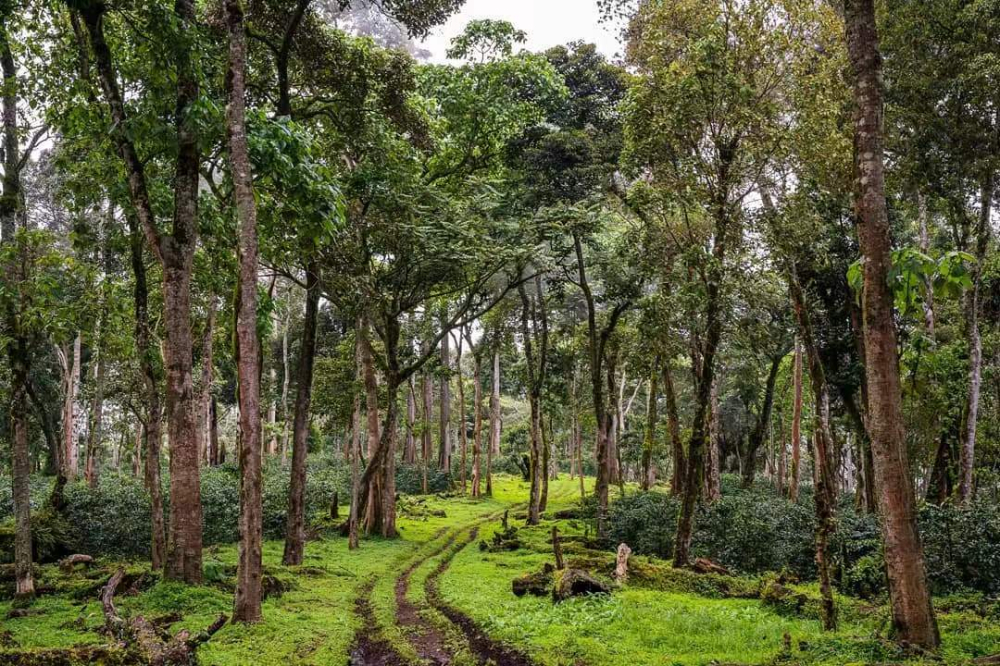
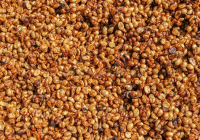
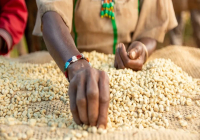
Ethiopia is the birthplace of Arabica coffee, and its thousands of heirloom varieties make it a unique growing region. Heirloom varieties are generally small in size, relatively round in shape, not very uniform, and mostly between 14-15 mesh. After post-processing and roasting, they often exhibit elegant floral and fruity flavors in cupping, which are deeply loved by people. As an agricultural product, coffee's flavor expression naturally depends on the inherent factors of variety and terroir. FrontStreet Coffee believes that Ethiopian coffee's charming aroma and fruity notes are largely attributed to its exceptional growing environment and the excellent quality of heirloom varieties.
The Famous Yirgacheffe Region
The renowned Yirgacheffe is a small town in Ethiopia with an altitude of approximately 1,700-2,200 meters. The lower temperatures cause coffee to grow relatively slowly, allowing enough time to accumulate more nutrients and flavor compounds. Due to the unique flavor and high quality of the coffee beans produced, Ethiopian farmers take pride in their coffee having Yirgacheffe characteristics.
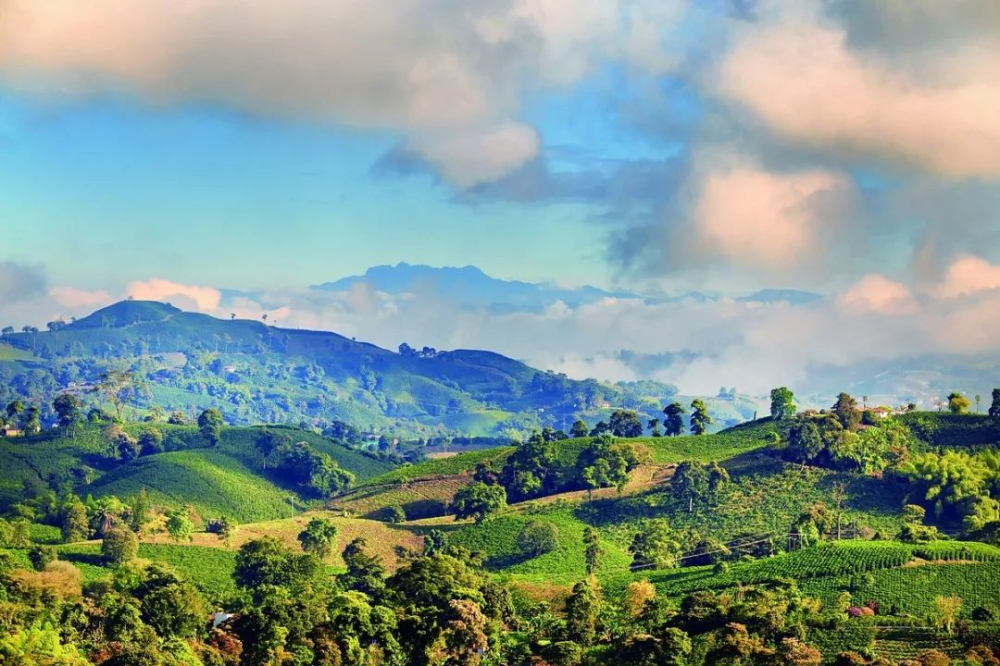
The Yirgacheffe growing region was originally part of Ethiopia's Sidamo region. Later, due to its unique flavor and growing reputation, it separated from the larger Sidamo region to become its own exclusive Yirgacheffe region. The town is shrouded in mist, with spring-like weather year-round. Gentle breezes blow, keeping it cool but not hot, rainy but not damp, and free from frost damage in winter, making it exceptionally suitable for growing coffee as an agricultural crop.
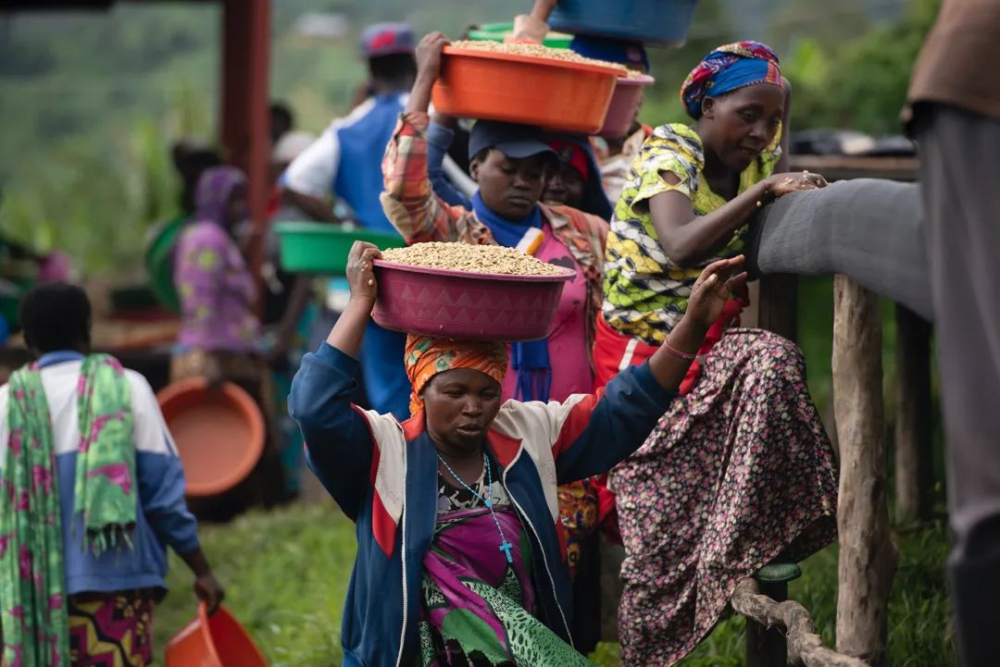
As we all know, Ethiopia, located on the African continent, has extremely scarce water resources. Traditionally, coffee was naturally dried using sun-drying methods. Due to rough techniques, coffee beans were often thrown directly onto mud floors or rooftops to dry. Coffee could easily absorb earthy flavors from the ground or suffer from uneven heating leading to over-fermentation, ultimately affecting coffee quality. To improve coffee quality, the Ethiopian government introduced more advanced washed processing technology and related equipment from Central and South America in 1972. This allows FrontStreet Coffee's Ethiopian Yirgacheffe coffee to present fresh citrus notes and elegant white floral aromas, with overall bright and delicate flavors. Thus, Yirgacheffe separated from the Sidamo region to become today's renowned coffee region.
FrontStreet Coffee's Brewing Recommendations
When FrontStreet Coffee prepares Yirgacheffe coffee beans, we typically use pour-over brewing. If you're new to the coffee world, FrontStreet Coffee recommends our washed Yirgacheffe daily coffee bean, selected from local Ethiopian heirloom varieties and roasted to a medium-light level. FrontStreet Coffee's daily coffee bean series allows friends new to the coffee scene to experience the basic flavors of the growing region at an affordable price, while small packaging design prevents waste from unfinished coffee.
FrontStreet Coffee's Washed Yirgacheffe Pour-Over Recommendations:
Dripper: V60
Water Temperature: 92-93 degrees Celsius
Coffee Amount: 15g
Coffee-to-Water Ratio: 1:15
Grind Size: Fine sugar size (78% retention through #20 sieve)
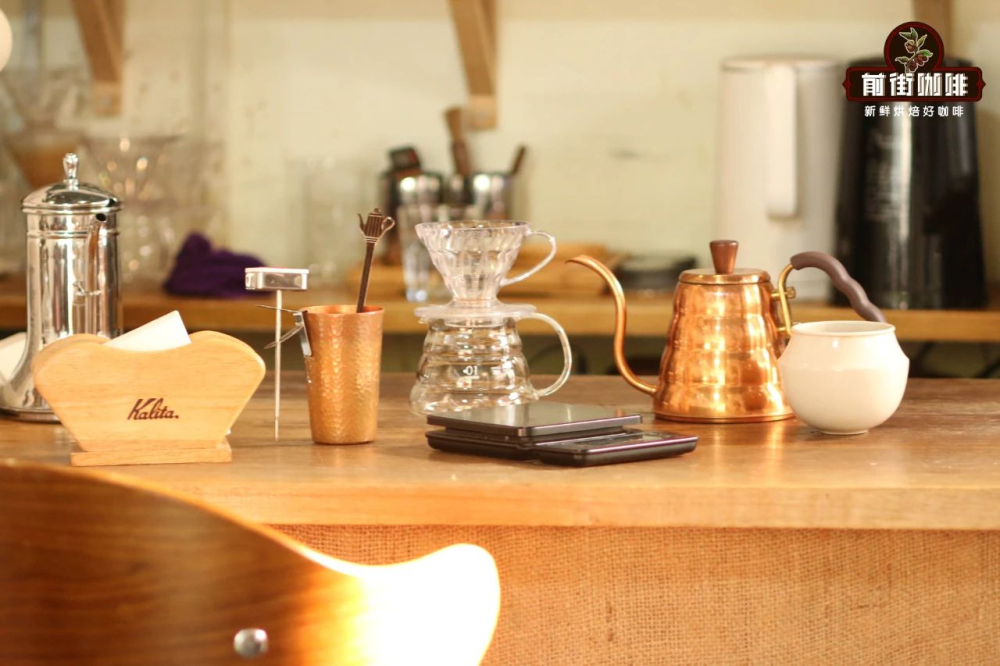
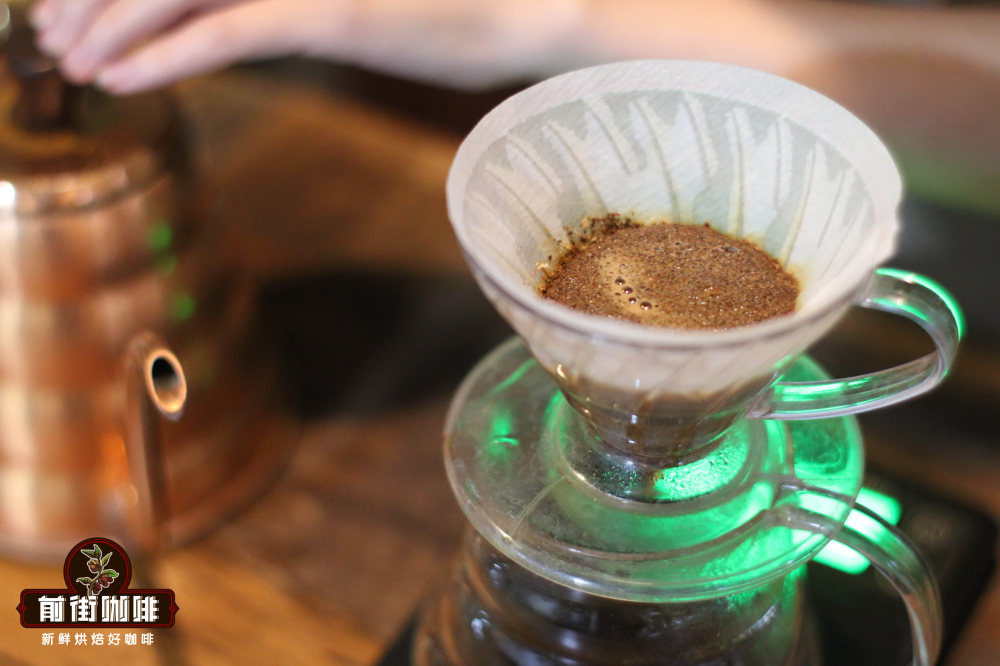
First pour 30g of water for a 30-second bloom, then add 95g more (electronic scale shows around 125g), finishing in about 1 minute. When the water level drops to 2/3 of the coffee bed, pour the remaining 100g (electronic scale shows around 225g), finishing in about 1 minute 35 seconds. Complete extraction at 2'10", remove the dripper.
FrontStreet Coffee's Ethiopian Washed Yirgacheffe Flavor Profile: Initial notes of jasmine, lemon, citrus, and green tea, with changing temperatures revealing berry, cream, and sugarcane aftertaste. The sweet aftertaste is prominent, with a clean and sweet mouthfeel.
FrontStreet Coffee Recommendation
The heirloom varieties and washed processing described above are exactly what FrontStreet Coffee builds its Yirgacheffe range around. The Washed Yirgacheffe Daily is made from Ethiopian heirloom varieties roasted medium-light, delivering the region's classic white jasmine, bright citrus, and lemon acidity with a clean tea-like finish at an affordable price. The Gudingding Cooperative coffee comes from the Gudingding cooperative in the Woka area and follows the traditional washed method, showing citrus and lemon notes with an elegant white floral aroma and a bright, delicate profile. For a fruitier, sweeter expression of the same terroir, the Sun-Dried Red Cherry uses natural processing to add tropical fruit, berry juiciness, honey sweetness, and a creamy body on top of the familiar citrus acidity. Whichever you choose, these beans let you taste how heirloom genetics and processing method shape the same Yirgacheffe flavor.
Important Notice :
FrontStreet Coffee is a long-established specialty coffee roaster in Guangzhou China, selling freshly roasted beans from its own farm in Yunnan as well as dozens of carefully selected single-origin beans from around the world for both pour-over and espresso. The products deliver consistently excellent quality and great value, with shipping within 24 hours. Guangzhou's FrontStreet Coffee shop is recommended by many coffee lovers, and the beans are now available online at the Tmall 。
FrontStreet Coffee has moved to a new address:
FrontStreet Coffee Address: 315,Donghua East Road,GuangZhou
Tel:020 38364473
 Scan and follow the En Gafei WeChat official account. Please indicate that the reprint comes from "En Gafei".