Costa Rica Villa Estate Red Honey Process SHB Grade Coffee - How to Brew Honey Process Coffee Beans by Pour-Over?
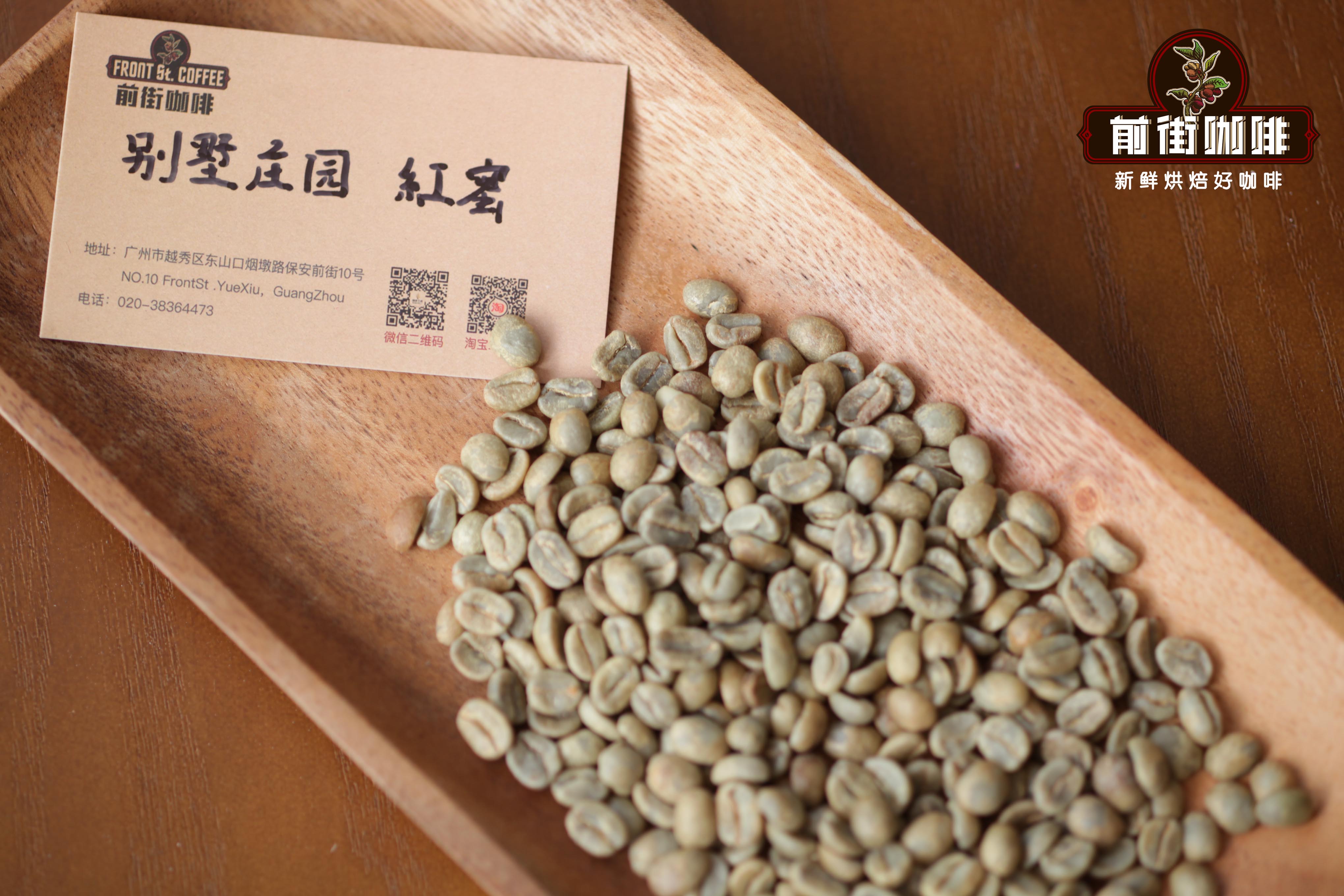
Origin: Costa Rica Central Valley
Estate: Finca Lote La Casa
Altitude: 1500 meters
Variety: Villa Sarchi
Processing: Red Honey Process
Grade: SHB
Harvest: 2021
Origin Information
Costa Rica, in Central America, is one of the renowned coffee nations — and what makes it unforgettable is its pioneering "dry" approach to processing, better known as the honey process. Compared with conventional washed processing, this method cuts water-resource pollution by 90% and water usage by 95%. It protects the local ecosystem and, as a bonus, spotlights the coffee's natural sweetness.

Central Valley
The Central Valley is a continuous basin ringed by mountains and volcanoes, its relatively flat terrain home to three-quarters of Costa Rica's population. The rich volcanic soil makes agriculture the backbone of the region.
Temperatures in the valley range from 15°C to 30°C, largely because of the mountain-facing orientations (with altitudes varying from 800m to 1,500m). In summer, the valley's western side catches the trade winds, creating ideal conditions for coffee.
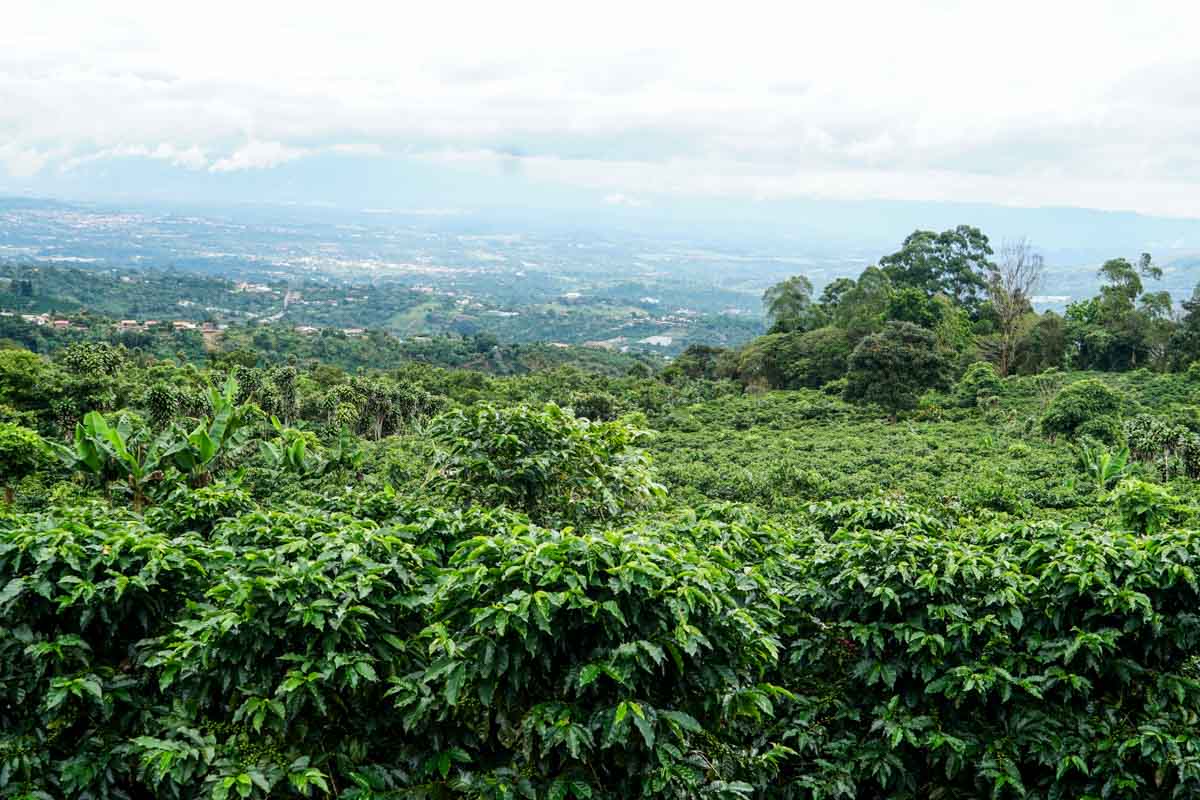
FrontStreet Coffee's lot comes from Finca Lote La Casa in the Central Valley — the Spanish name means "farm of many houses." Carlos, the owner, comes from a family that has run coffee mills since 2000. He eventually struck out on his own, and today he and his wife manage five small farms with an uncompromising focus on quality.
Carlos loves experimenting with varieties. He currently grows Gesha, Villalobos, Typica, Villa Sarchi, and SL-28 — he was the first producer in Costa Rica to obtain SL-28, and rather than hoarding the variety, he has shared seeds with friends and neighbors. In his view, varieties deserve as much attention as processing.
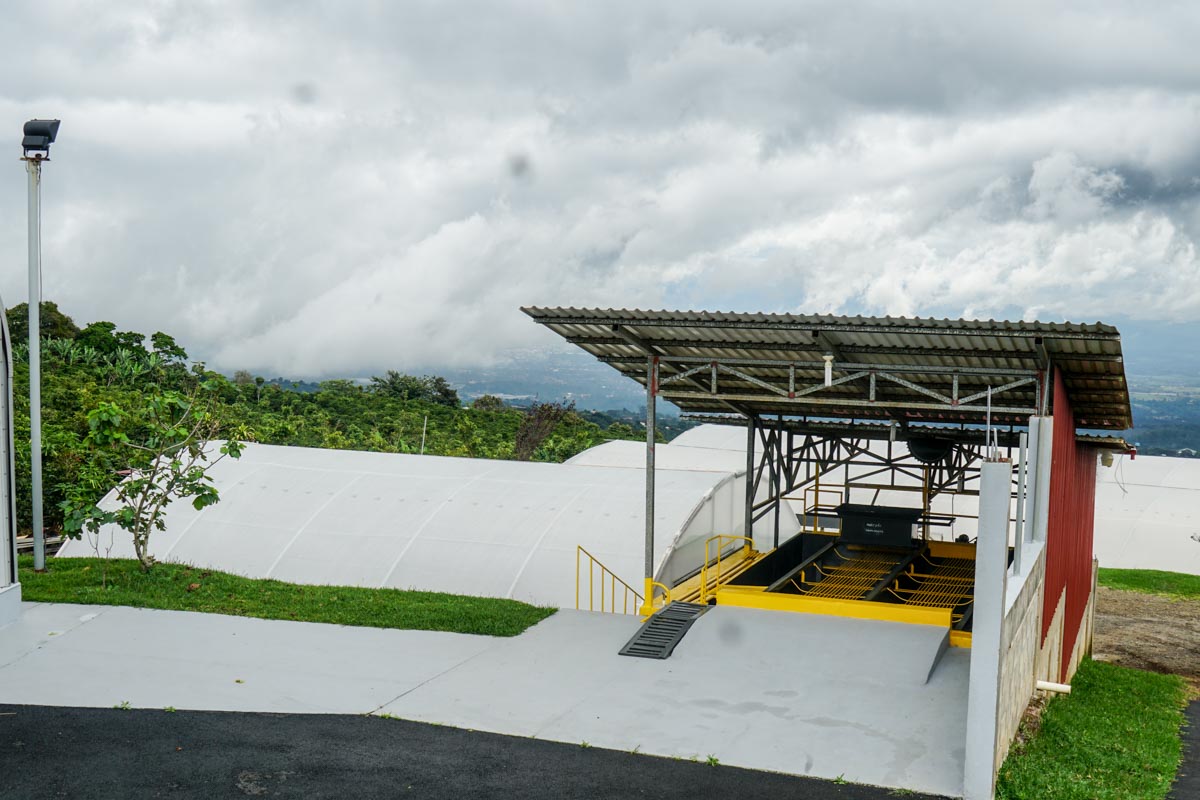
Coffee Variety
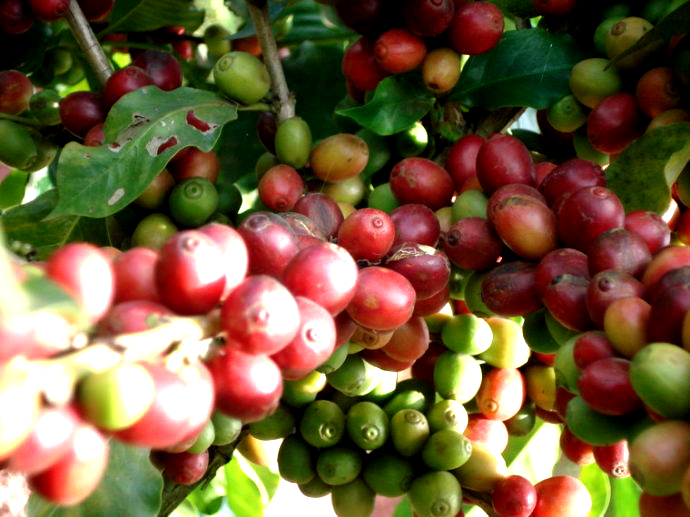
This lot's variety is Villa Sarchi, a natural Bourbon mutation — a single-gene change that dwarfs the plant, much like Pacas and Caturra. It was discovered between 1950 and 1960 in northwestern Alajuela Province and subsequently improved through pedigree selection there (choosing individual plants across successive generations). Villa Sarchi has never been widely planted outside Costa Rica, so it's no exaggeration to call it a uniquely Costa Rican variety.
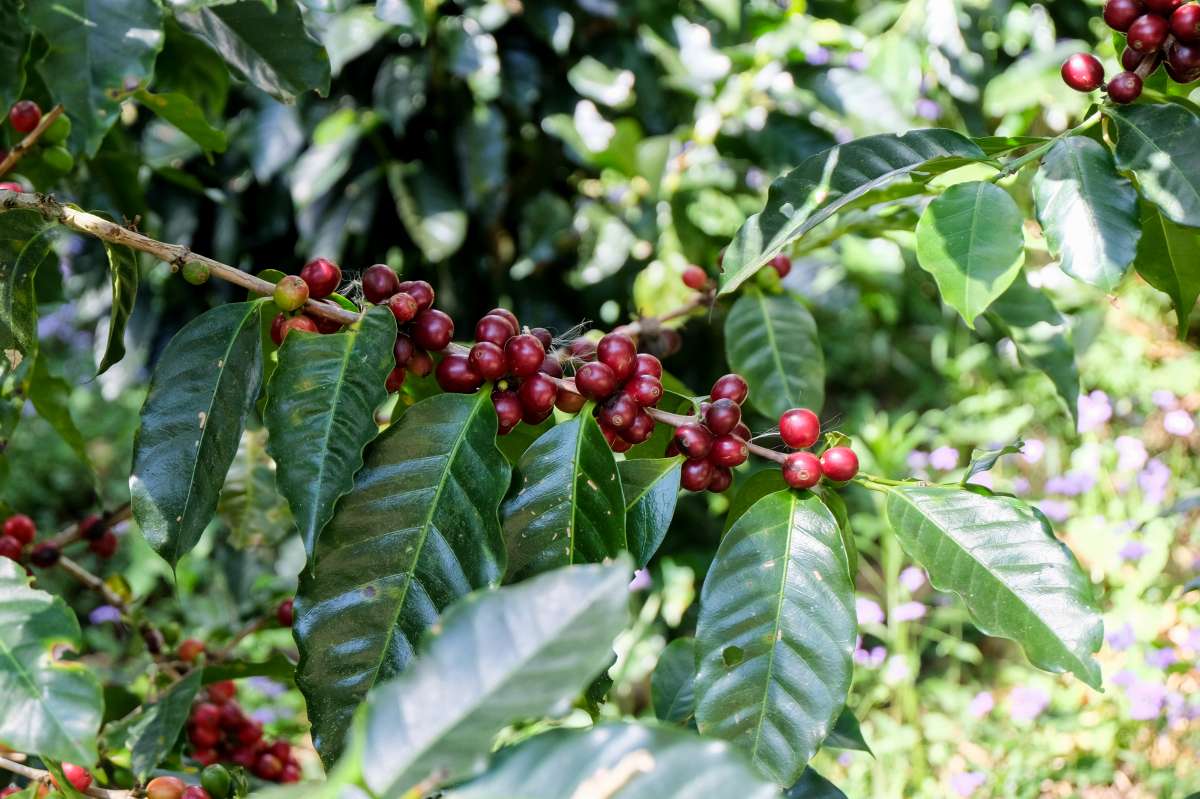
Processing Method
This lot is a red honey process from Finca Lote La Casa — one of the honey-process family. The estate employs a dedicated harvest team of 45 indigenous Panamanians who come each season. The pickers are strict: only deep, blood-red cherries make the cut. Don Carlos and his wife trust them so completely that the wet mill doesn't even have a floating pool. Workers and visitors must cover or remove their shoes before entering the drying area to keep dust off the beans, and the receiving and de-pulping station is immaculate — it looks brand new.
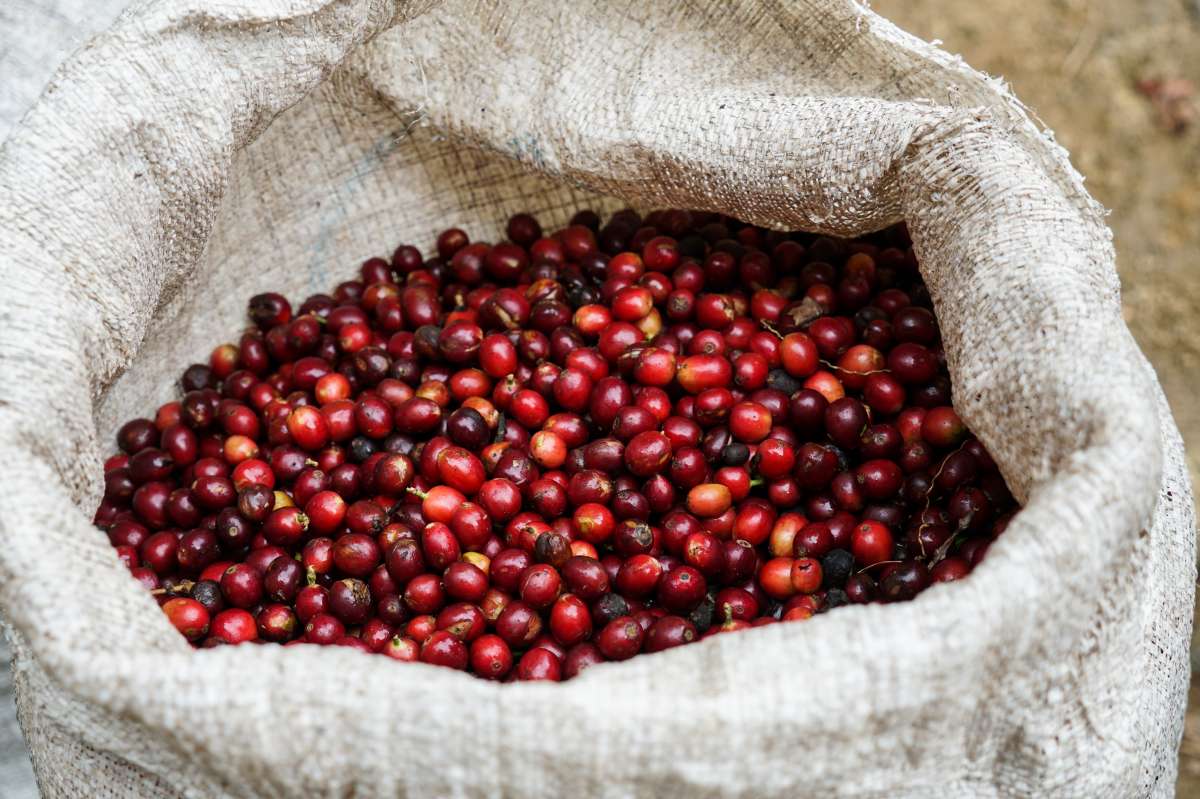
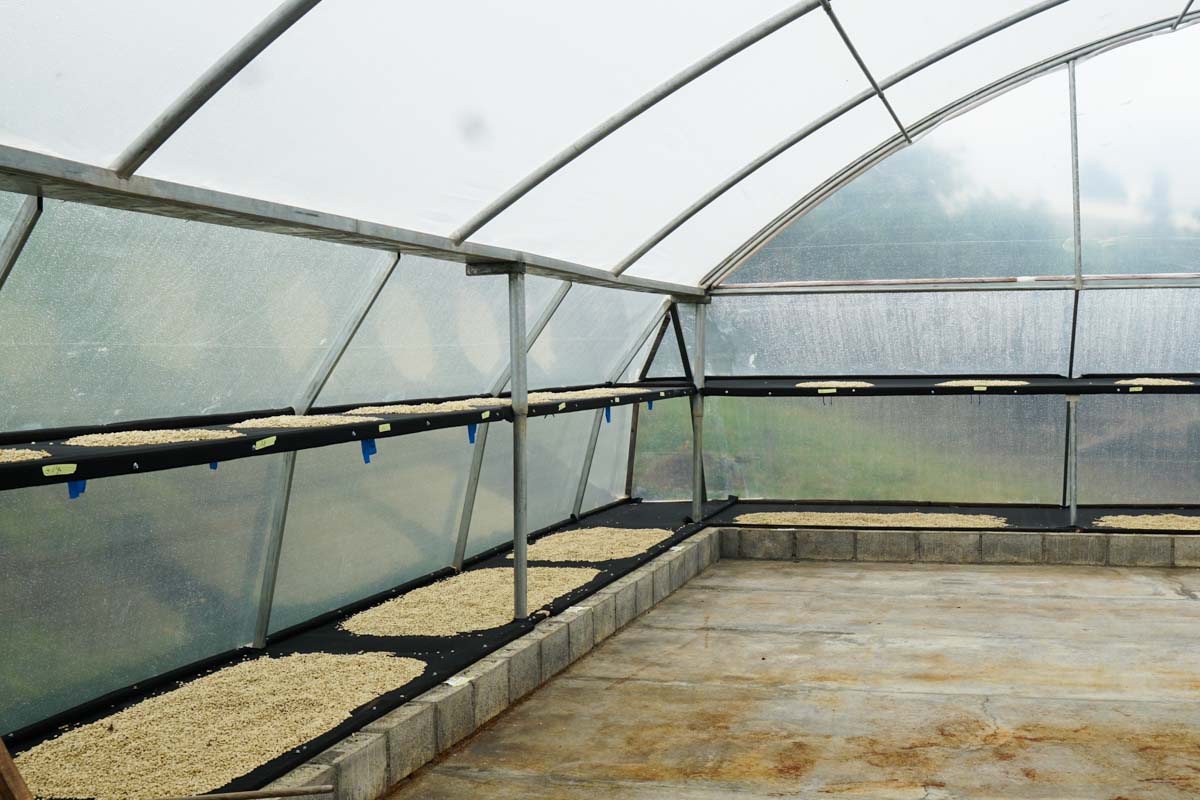
After harvest, the cherries are de-pulped. The red honey process retains 70% of the mucilage layer; the beans then dry on shaded patios for about 12 days. Only after testing confirms moisture content and fermentation levels meet standard do the beans go into the warehouse.
FrontStreet Coffee Roasting Profile
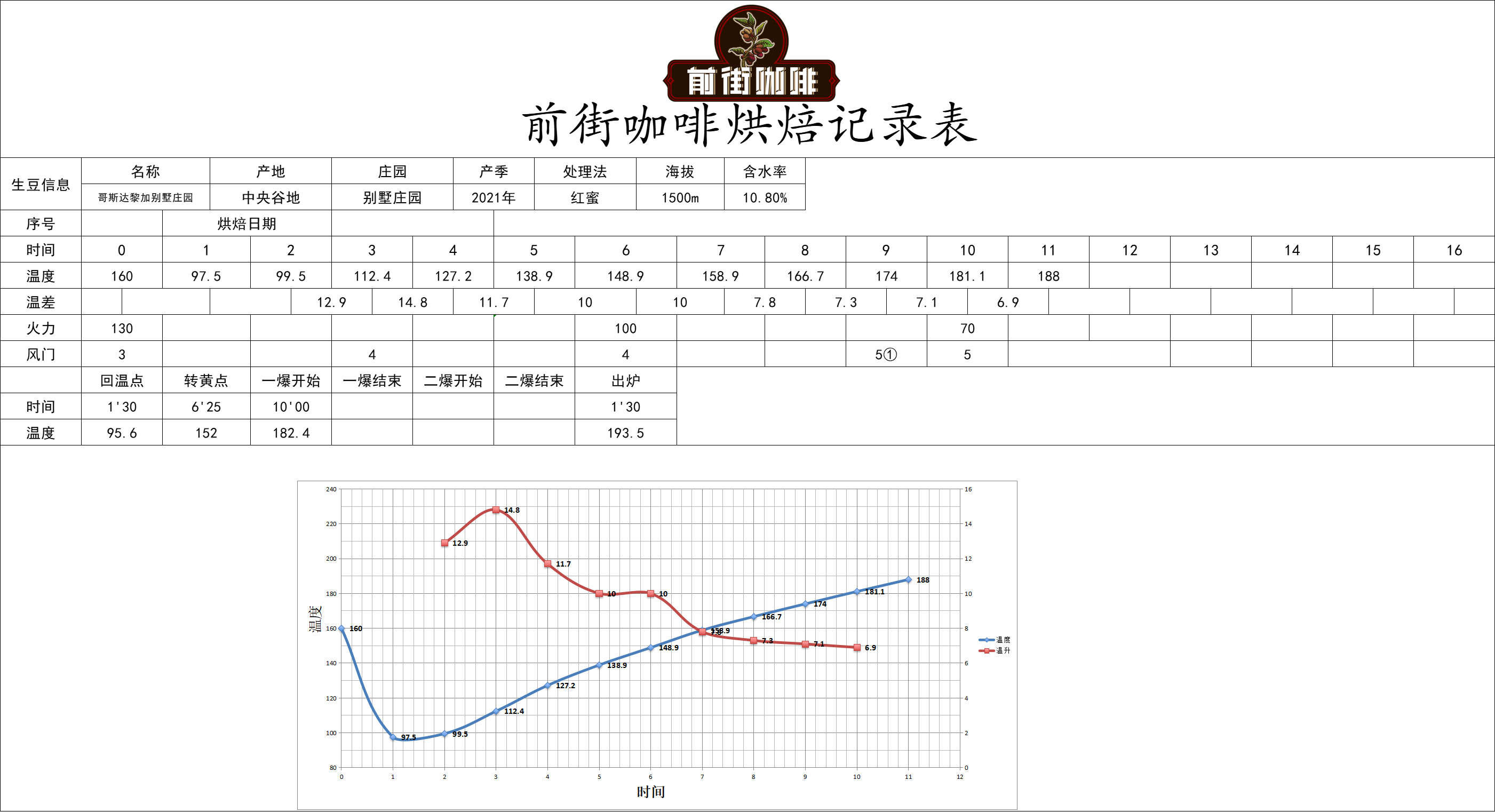
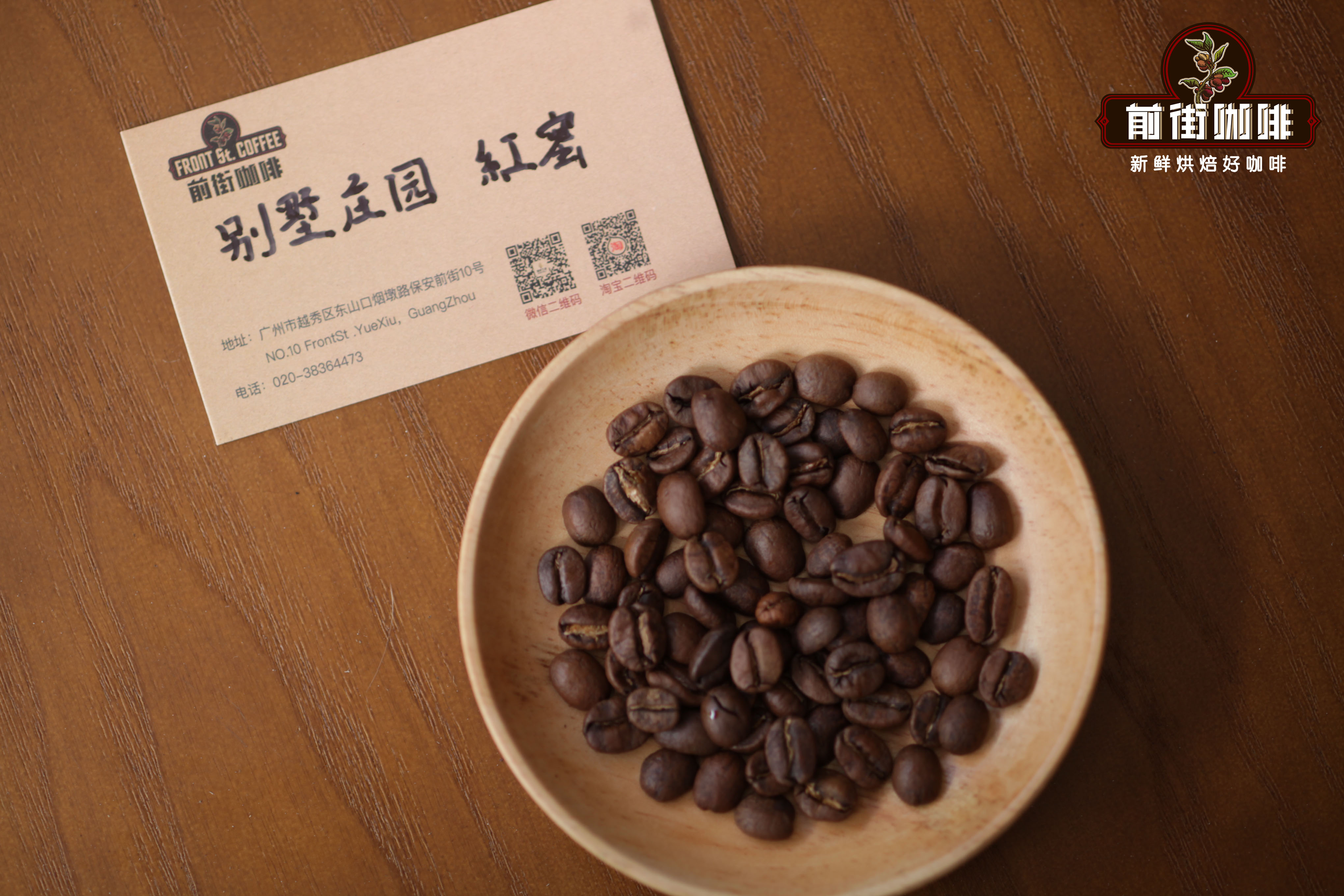
FrontStreet Coffee's roasters believe that to highlight this red honey coffee's sweetness while keeping its pleasing acidity, a medium-light roast is the answer — and extending development adds still more sweetness.
Cupping Flavor Description
FrontStreet Coffee Brewing Recommendations
Dripper: V60#01
Water Temperature: 90-91°C
Coffee Dose: 15g
Coffee-to-Water Ratio: 1:15
Grind Size: Medium-fine grind (80% pass-through rate on Chinese standard #20 sieve)
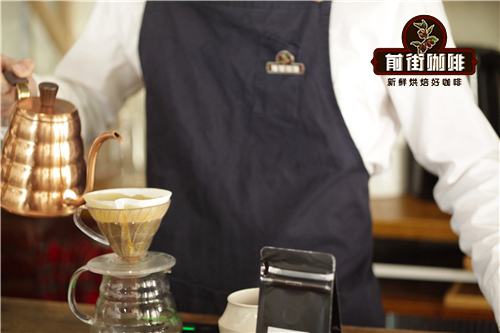
Brewing Method: Three-stage extraction. Bloom with 30g of water for 30 seconds. Using a small water stream, pour in a circular motion to 125g, then segment. When the water level drops and is about to expose the coffee bed, continue pouring to 225g and stop. When the water level drops and is about to expose the coffee bed again, remove the dripper. Extraction time is 2'00" (timing starts from the beginning of blooming).
FrontStreet Coffee Recommendation
If honey-process sweetness is what you're after, the Costa Rica Mozart is FrontStreet Coffee's boldest expression of it. Costa Rica is famous for honey processing, and the Mozart goes further still with an anaerobic raisin honey: the cherries are pre-dried on raised beds before pulping, with 100% of the mucilage retained and zero water used — a method demanding tighter timing control even than black honey. Roasted medium-light, it shows osmanthus, pineapple, and raisin aromas whether you brew it as pour-over, cold brew, or moka pot. For black-honey depth, the Costa Rica Blackberry dries nearly all its mucilage for at least two weeks under shade covers, with constant turning to prevent overheated fermentation; roasted medium-light, it smells of fresh flowers and tastes of grape, berries, and ripe blackberry.
And for the meeting point of Costa Rican processing and Geisha aromatics, there's the Strawberry Sugar blend: Panama Geisha character paired with raisin-honey Costa Rica, offering the Geisha's classic orange-blossom honeyed tone plus grape and dried-blueberry fragrance, soft fruit acidity, an almond finish, and pronounced sweetness. Alongside the classic Brazilian pulped-natural style, these lots trace the whole honey spectrum — from clean and balanced to intensely fruited — so you can taste exactly how much a sticky layer of mucilage can change a bean.
Important Notice :
FrontStreet Coffee is a long-established specialty coffee roaster in Guangzhou China, selling freshly roasted beans from its own farm in Yunnan as well as dozens of carefully selected single-origin beans from around the world for both pour-over and espresso. The products deliver consistently excellent quality and great value, with shipping within 24 hours. Guangzhou's FrontStreet Coffee shop is recommended by many coffee lovers, and the beans are now available online at the Tmall 。
FrontStreet Coffee has moved to a new address:
FrontStreet Coffee Address: 315,Donghua East Road,GuangZhou
Tel:020 38364473
 Scan and follow the En Gafei WeChat official account. Please indicate that the reprint comes from "En Gafei".