Cold Drip Coffee Characteristics and Flavor Profile: A Coffee Story, Recommended Coffee Beans for Cold Drip Brewing
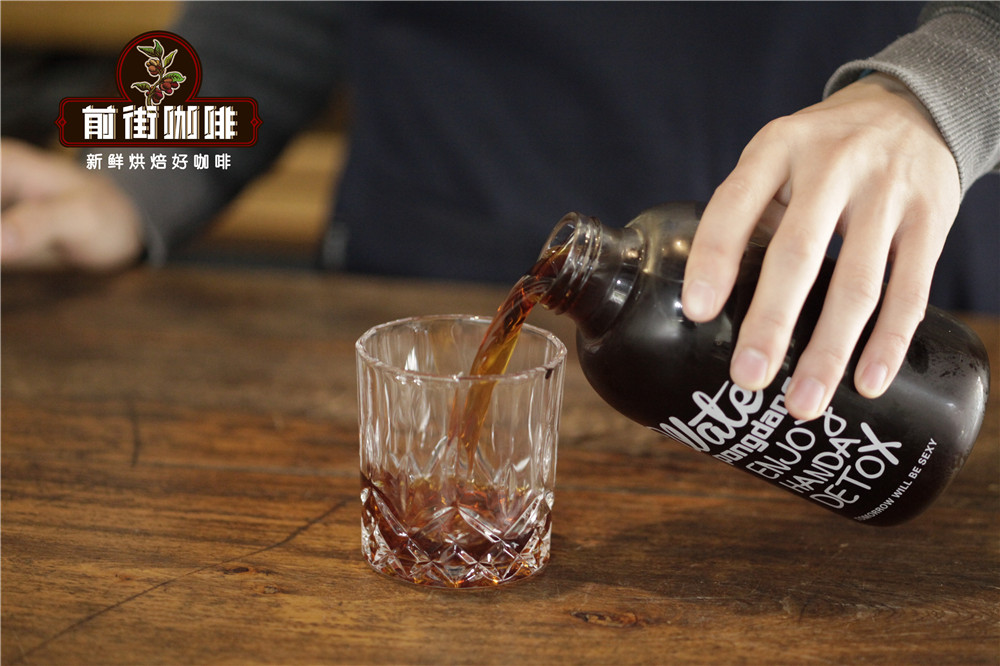
Ice drip coffee — also called cold drip or water-drop coffee — is one method for making cold coffee. Generally speaking, cold brew coffee is made by steeping ground coffee in room-temperature water for more than ten hours, then separating the liquid from the grounds with special filter paper or filters. Ice drip coffee instead uses naturally melting ice that drips drop by drop onto the grounds, an equally slow process that usually takes several hours. That slowness is why ice drip coffee tends to be expensive — but the taste is superb, and it is completely different from the pour-over coffee most of us drink daily.
High-Temperature vs. Low-Temperature Extraction
As the name suggests, ice drip coffee is brewed with cold water, while the pour-over we usually drink uses hot water — two entirely different operations. Hot extraction works quickly, pulling flavor compounds out of the coffee and breaking tannic acid down into pyrogallic acid to produce sour, sweet, and bitter tastes — what FrontStreet Coffee often calls the release of coffee flavor. Its drawback is that flavor can be released too completely, after which the beans' woody fiber notes emerge: the miscellaneous, woody tastes we all recognize as unpleasant.
Cold extraction uses near-zero-degree ice water, so coffee flavors volatilize far less and the aroma is stored in the liquid as much as possible. When you drink it, the liquid warms in the glass and the trapped aroma erupts — a burst of fragrance at the back of the tongue that is genuinely delightful. The drawbacks are time and patience: the finished ice drip coffee cannot be drunk immediately and must be refrigerated for at least 8 hours so the flavor molecules extracted at low temperature can fully develop.

Ice drip coffee with a slight fermentation note has a light vinous aroma and a fuller mouthfeel. Because nothing is extracted at high temperature, fewer impurities end up in the cup. As for caffeine, opinions differ: some say cold extraction pulls out less, others argue the very long extraction time pulls out more. FrontStreet Coffee sides with the latter view — given such long extraction, the caffeine content is not to be underestimated. So if caffeine keeps you up at night, choose a decaffeinated coffee instead; FrontStreet Coffee's Colombian Swiss Water-processed decaf is excellent too.
Where Ice Drip Coffee Came From
Ice drip coffee originated in Europe. Because the coffee distiller was invented by the Dutch, some call it Dutch Coffee, distilled coffee, or water-drop coffee. "In the 1600s, Dutch sailors carried coffee from their then-colony Indonesia back to Europe. With no hot water aboard and no way to drink hot coffee, they improvised ice drip: coffee extracted with cold water tasted smooth, mellow, and richly aromatic, loved not only by sailors but by ordinary people too."
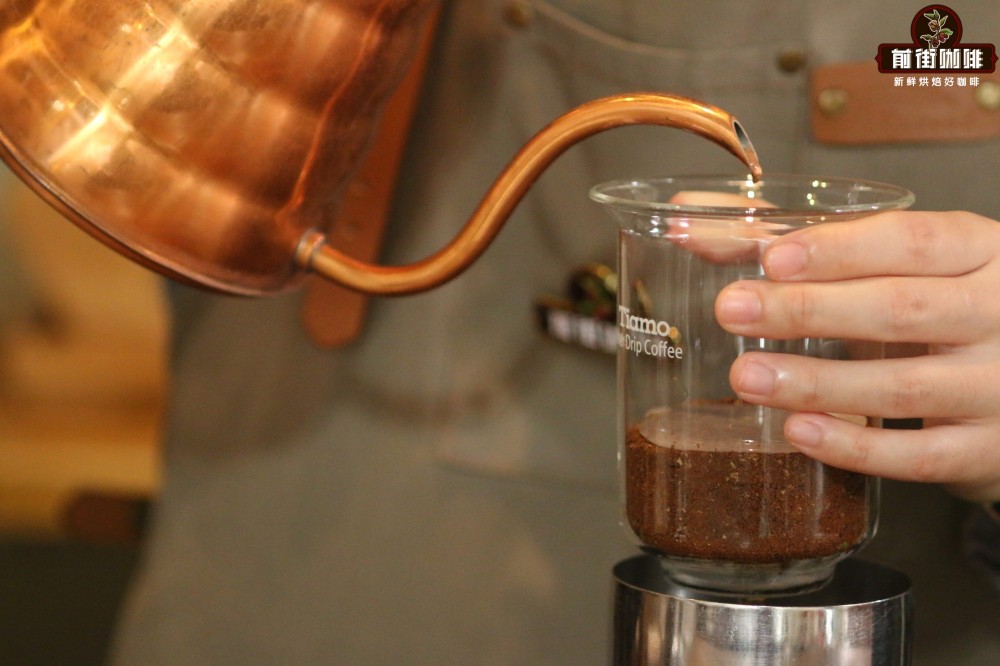
Although ice drip is called Dutch coffee, its deepest roots are not in the Netherlands but in Japan — hence the other name, Kyoto coffee. The owner of Kyoto's Hanabusa Coffee read in a coffee book about the brewing method used by locals in Indonesia, then a Dutch colony, and was fascinated. With help from chemistry students at Kyoto University and a medical equipment company, he built drip apparatus based on the book's descriptions, hoping to recreate the Indonesian method — and in doing so invented ice drip coffee as we know it. It later caught on in Europe and America, where Westerners, unaware of this history, simply called it Kyoto coffee.
Ironically, Western countries — the Netherlands included — do not use the Japanese drop-by-drop method at all. They steep grounds in cold water for extended periods, the approach now known as "Cold Brew," and there is no such thing as "Dutch Coffee" in the West.

Drinking coffee is ultimately about enjoying the flavors you love, and if you brew at home you will naturally pick beans you like. But while any coffee can be poured hot, can any coffee be dripped cold? FrontStreet Coffee believes that technically yes, though some beans simply taste better hot. For ice drip, they favor distinctive single origins: the long, slow cold-water extraction flatters characterful beans like Kenya or Yirgacheffe, producing a cup of real personality. Blends of two or more origins work as well. Compared with cold brew, ice drip coffee shows more aroma and more delicate, subtle flavors.
How to Choose Coffee Beans for Ice Drip Coffee
FrontStreet Coffee suggests a few classic flavor directions for reference:
1. Tropical Fruit and Winey Types
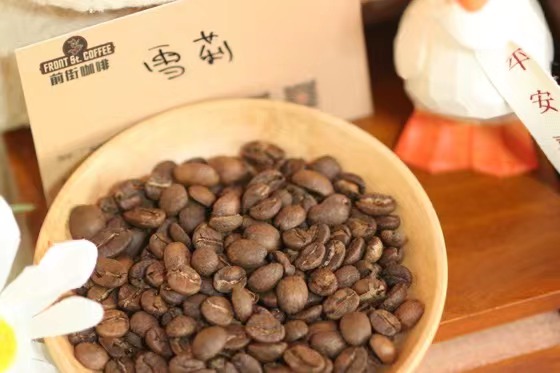
Specially processed beans: FrontStreet Coffee's Mozart coffee, for example, with dark berry sweetness and acidity plus a wine aroma from low-temperature aging that rounds out the whole cup. The Colombian Flower Moon Night, Honduras Sherry, and Costa Rica Strawberry Sugar coffees all have vivid aromas and suit ice pour-over and cold brew equally well.
2. Refreshing and Clean Types
The clean-and-refreshing camp belongs to African beans — Ethiopia's Yirgacheffe, Kenya Asalia, and the like. But Panama's washed Mariposa Geisha blend has a unique charm all its own.

3. Sweet and Delicious Types
The two camps above are roasted medium-light, while dark roasts usually go to espresso. Still, FrontStreet Coffee has tried Indonesia's Golden Mandheling as ice drip: over ice it offers rich chocolate sweetness and a fermented aroma with no bitterness at all. And if "heavy-flavored" Mandheling is not your thing, Brazil's Queen Estate can deliver nutty and chocolate notes with a smooth, creamy texture that survives dilution by ice.
4. Flavor Blend Types
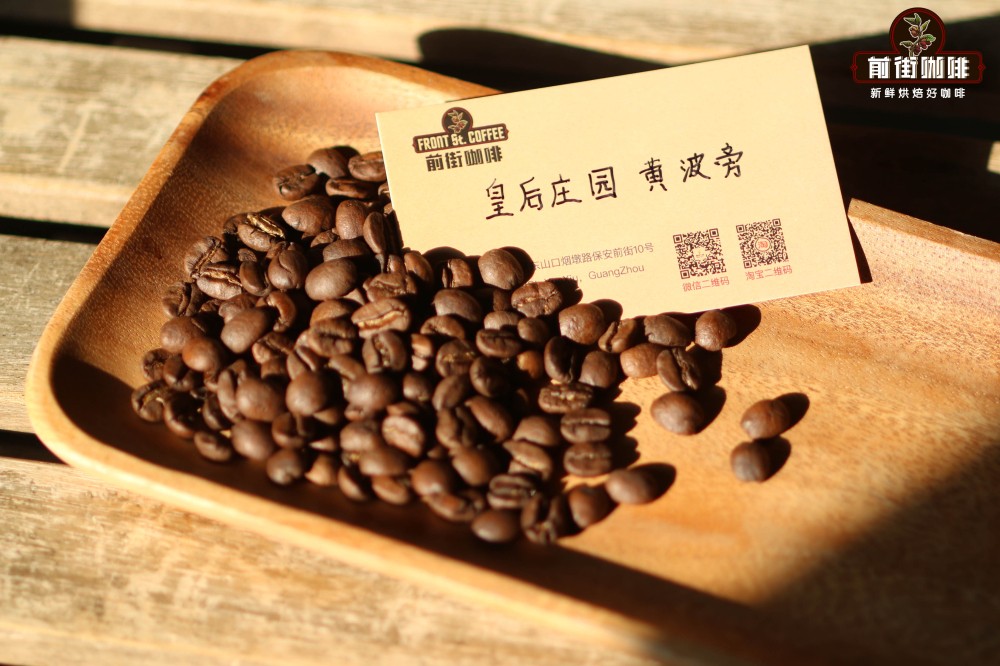
Espresso is often built on blends, and ice drip can be too. Beyond single origins, try mixing two or more: FrontStreet Coffee has blended Honduras Lychee Lan with Geisha Village Red Label — the cask-processed Lychee Lan plus the natural Geisha Village Red Label — yielding a light brandy aroma, plum-like acidity, and maple sweetness. As ice drip, you get that faint brandy note, lively fruit acidity leading into honey sweetness, and a creamy, silky mouthfeel.
How to Use an Ice Drip Coffee Maker
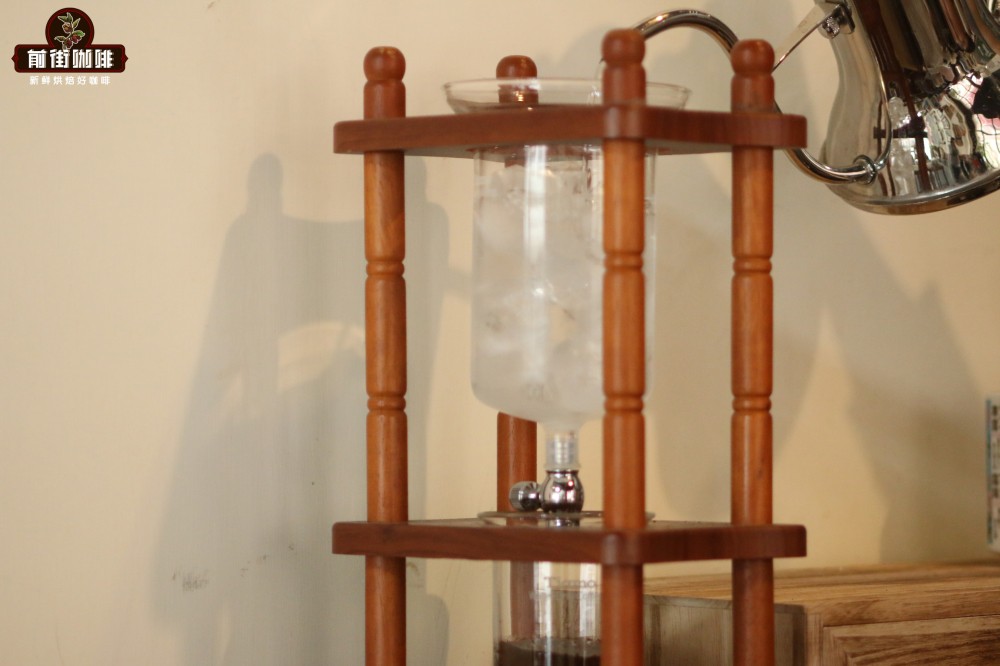
Ice drip towers come in many materials and shapes, but they all share three sections — upper, middle, and lower — built around four structures: the upper pot, the valve, the grounds cup, and the lower pot.

The upper vessel holds the ice and water, with a metal valve beneath it that adjusts the outlet diameter to control dripping speed, so the ice water falls evenly onto the grounds. The middle glass pot holds the ground coffee, with a filter hole at the center of its base for the extracted coffee to drip through. The large lower pot collects the finished coffee.
For the demonstration, FrontStreet Coffee chose the Costa Rica Mozart, a favorite in their stores. The Mozart beans are raisin anaerobic honey-processed, with flavors of raisins, osmanthus, and sweet fermented fruit — and ice drip makes that fermented character even more vivid.

For grind size, FrontStreet Coffee grinds about as fine as for ice pour-over: since cold water extracts more slowly, a finer grind compensates. For this bean they use a #20 sieve with an 85% passing rate — setting 9 on the EK-43s in the store.
First calculate the extraction parameters: a coffee-to-liquid ratio of 1:10, drawing 600g of coffee liquid from 60g of coffee. The ice-water mix is 1:1, and the valve is set to 7 drops per 10 seconds; dripping usually finishes in 6-8 hours. (The usual ice drip ratio runs between 1:10 and 1:12 — adjust to your own taste.)
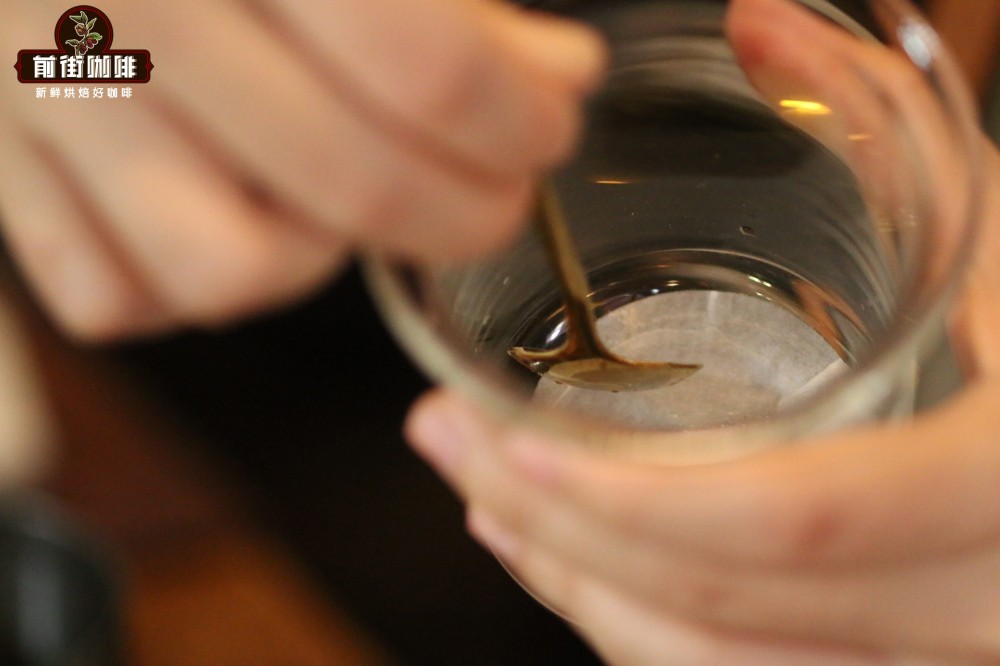
Fit a circular filter paper, wetted with water, to the bottom of the middle pot, then grind the beans and pour them in. Spread the grounds evenly for uniform extraction, and lay another circular filter paper on the surface so falling drops cannot crater the bed. Before dripping begins, wet the grounds with a little cold water — this saves extraction time and prevents uneven extraction at the start.
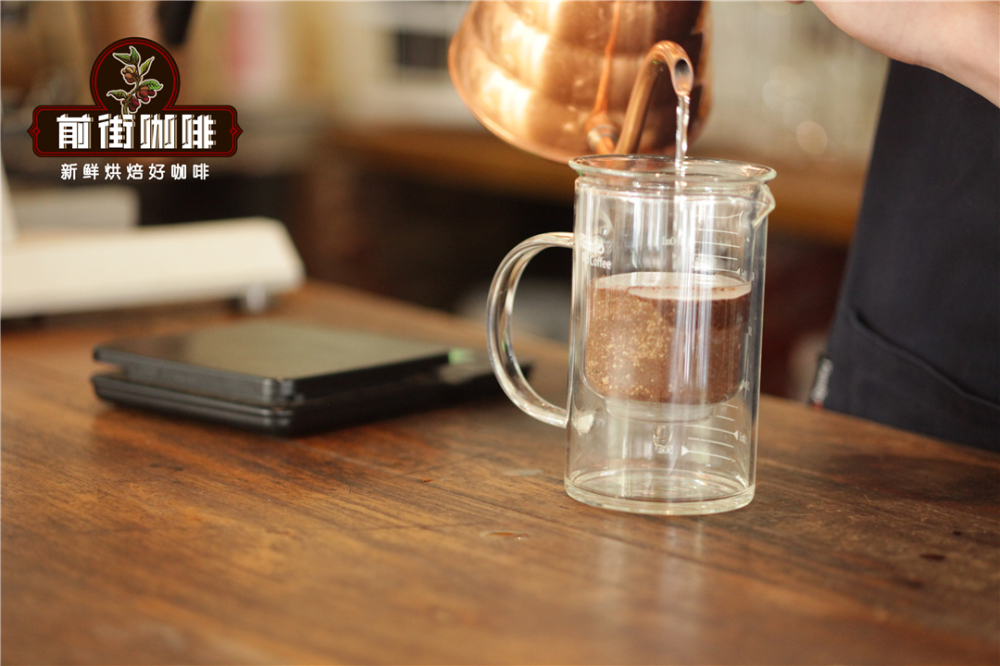
Set the grounds cup on the rack and fill the top with the ice-water mixture, usually half ice and half water. Adjust the valve to 7 drops per 10 seconds, aligning the drips with the filter hole below. When dripping is complete, transfer the coffee from the lower pot into a sealed container — FrontStreet Coffee uses glass bottles — and refrigerate for more than 12 hours; it is usually ready to drink the next day.

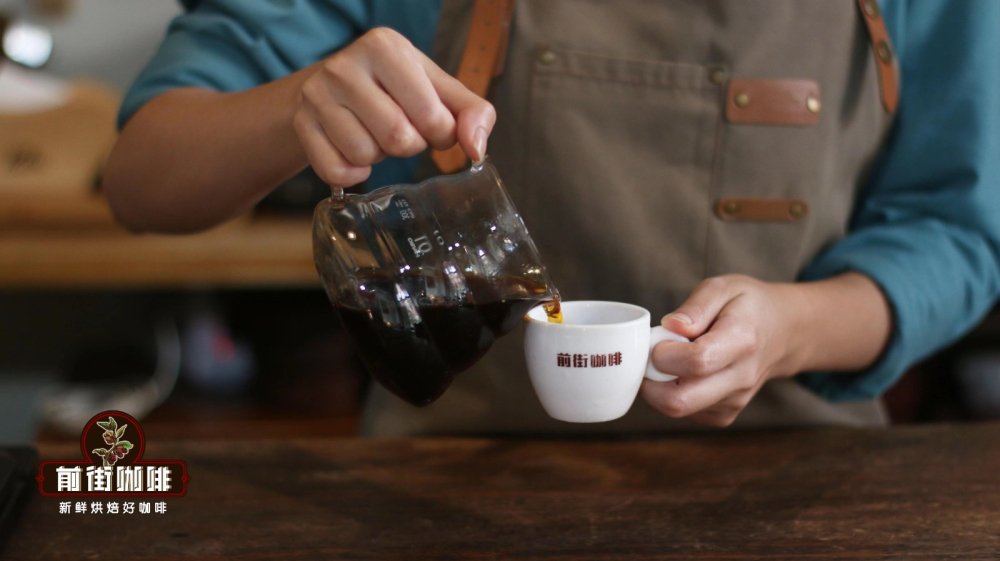
After a night in the fridge, the Mozart shows a wine-like fermented character with the sweet-tart flavors of berries, pineapple, and other tropical fruits — rich but not bitter. Over ice, it drinks like a refreshing fruit wine.
FrontStreet Coffee Brewing Suggestions
FrontStreet Coffee has always believed that bean freshness and coffee flavor go hand in hand, so every bean they ship is roasted within 5 days. Their roasting philosophy — "freshly roasted, good coffee" — ensures every order arrives at its freshest. The resting period runs about 4-7 days, so beans reach customers right at peak flavor.
A kind reminder for those who need pre-ground coffee: ground beans need no resting period, because during transport the carbon dioxide pressure in the package rounds out the flavor — you can brew a cup the moment it arrives. But ground coffee must be brewed promptly: exposed to air it oxidizes quickly, the flavor dissipates, and the cup suffers. So whenever possible, buy whole beans and grind fresh.
For professional coffee knowledge exchange and more coffee bean information, follow Coffee Workshop (WeChat official account: cafe_style). For more specialty coffee beans, add FrontStreet Coffee's private WeChat account: qjcoffeex.
FrontStreet Coffee Recommendation: Beans Built for Cold Extraction
Cold extraction amplifies florals and fruit while muting woody, roasty notes, so start with a light-to-medium roast. The FrontStreet Coffee Natural Blossom (Huakui) from Ethiopia — coffee's birthplace — is a standout: dried inside skin and pulp, the natural process loads the beans with sweetness, and cold brewed it unfolds magnolia florals, creamy strawberry, dried mango, guava, and a black tea finish. Craving full-on juiciness? The Kenya Little Tomato from Thika, grown at 1550-1750 meters on SL28 and SL34 and finished with the local K72 double-washed fermentation, bursts with cherry tomato, dark plum, pear, and black plum — bright, low in bitterness, and wonderfully refreshing over ice. For an everyday option, the washed Yirgacheffe Guodingding Cooperative delivers sweet berry and honey character at a budget-friendly price.
Important Notice :
FrontStreet Coffee is a long-established specialty coffee roaster in Guangzhou China, selling freshly roasted beans from its own farm in Yunnan as well as dozens of carefully selected single-origin beans from around the world for both pour-over and espresso. The products deliver consistently excellent quality and great value, with shipping within 24 hours. Guangzhou's FrontStreet Coffee shop is recommended by many coffee lovers, and the beans are now available online at the Tmall 。
FrontStreet Coffee has moved to a new address:
FrontStreet Coffee Address: 315,Donghua East Road,GuangZhou
Tel:020 38364473
 Scan and follow the En Gafei WeChat official account. Please indicate that the reprint comes from "En Gafei".