Coffee Processing Flowchart | Coffee Production Process | Coffee Bean Processing Methods and Brewing Techniques
"Coffee processing" can refer to several things: the process of extracting coffee beans from coffee cherries (also called coffee processing methods); the process of brewing coffee from beans (also called coffee extraction methods); or the process of turning brewed coffee liquid into instant coffee powder.
What Are Coffee Bean Processing Methods?
Coffee bean processing is the removal of skin and pulp from coffee cherries to extract the bean—the seed—inside. The three traditional methods are washed processing, natural processing, and honey processing.
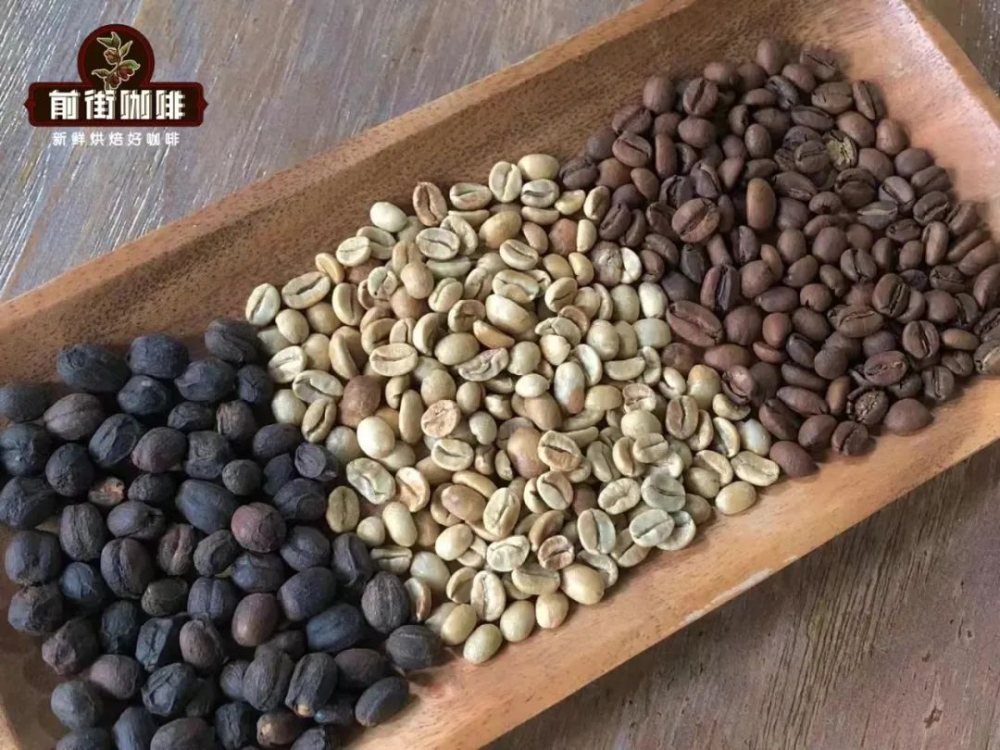
Which method is used depends on the region, climate, coffee variety, and other factors, and beans processed in different ways show distinctly different flavor profiles.
Washed Processing
In washed processing, the cherry's skin and pulp are removed first, then the beans are fermented in water tanks; the acid generated dissolves the remaining mucilage. After a rinse in clean water, a very clean parchment (the cherry's inner skin) still covers the beans, which are then sun-dried.

FrontStreet Coffee's cupping shows that among the three methods, washed beans have the brightest acidity and the cleanest overall cup. Washing also reflects a coffee's underlying quality most directly. That is why, when FrontStreet Coffee launched its "Daily Bean" series of regional selections, it prioritized washed lots—letting each origin express its regional character as clearly as possible.
Natural Processing
Natural processing dries whole cherries directly in the sun. Because the pulp and mucilage are left on, the fruit sugars ferment during drying, and the beans absorb those sugars and fermentation flavors.

FrontStreet Coffee's cupping shows that a well-executed natural delivers restrained fermentation aromas, noticeable sweetness, and a smoother, fuller mouthfeel.
Honey Processing
Honey processing removes the cherry's skin but leaves some pulp and mucilage on for sun-drying. The more mucilage retained, the sweeter the coffee—but the drying demands closer attention, sometimes even shade-drying, to keep the sugars from over-fermenting.
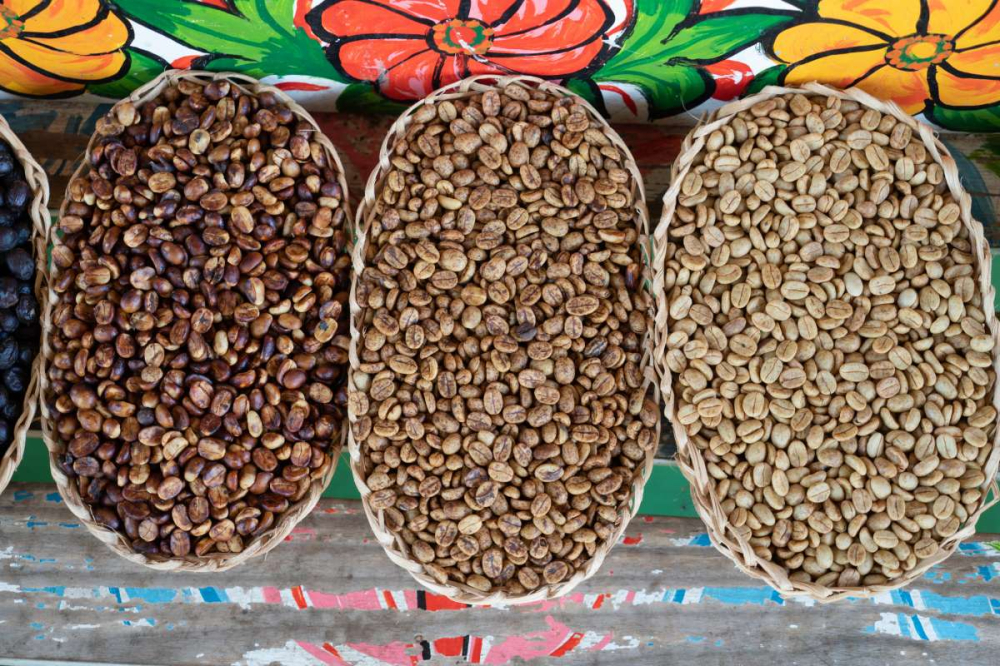
FrontStreet Coffee's cupping shows that a properly honey-processed coffee offers rich fruit-fermentation flavors, more prominent sweetness, and a full, lush mouthfeel.
What Are Coffee Extraction Methods?
Coffee extraction means grinding beans into particles of a chosen size and then contacting them with water in various ways to dissolve the soluble compounds. Today's mainstream extraction methods are drip extraction, pressure extraction, and cold brew extraction.
Drip Extraction
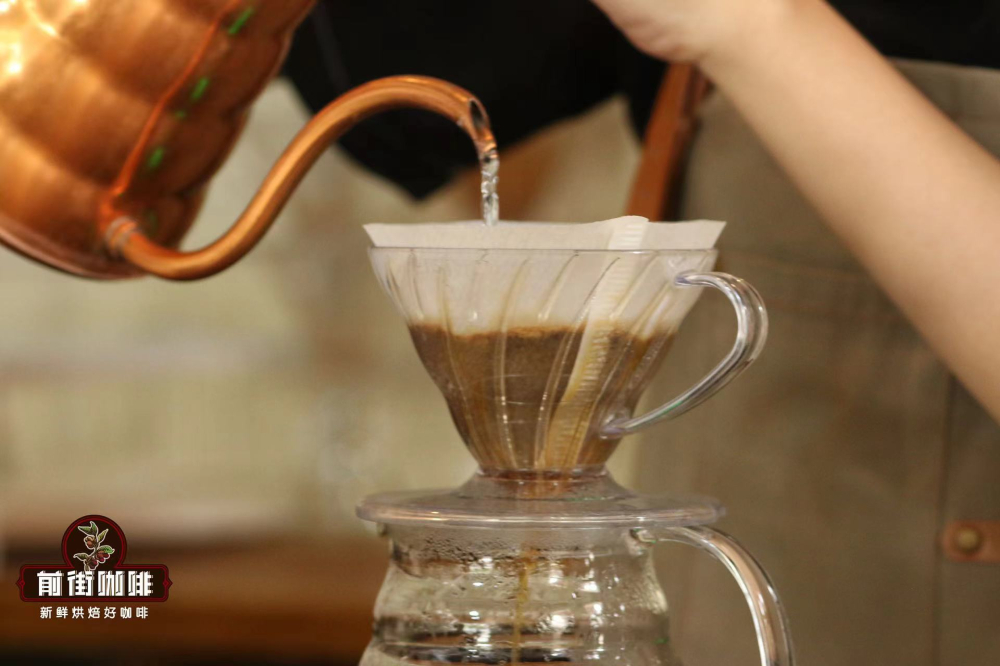
Drip extraction is pour-over coffee: a dripper is lined with filter paper, hot water is poured from a gooseneck kettle, and the grounds tumble in the paper as soluble flavors contact the water and drip through as a clean cup. FrontStreet Coffee believes pour-over's greatest strengths are its cleanliness, balance, and just-right concentration.
Pressure Extraction
Pressure extraction is espresso: hot water is forced quickly through finely ground, compacted coffee under pressure, yielding a small volume of highly concentrated liquid. FrontStreet Coffee believes espresso's defining traits are richness and intensity, which makes it ideal for diluting with other ingredients—add water for an Americano, milk for a latte.

Cold Brew Extraction
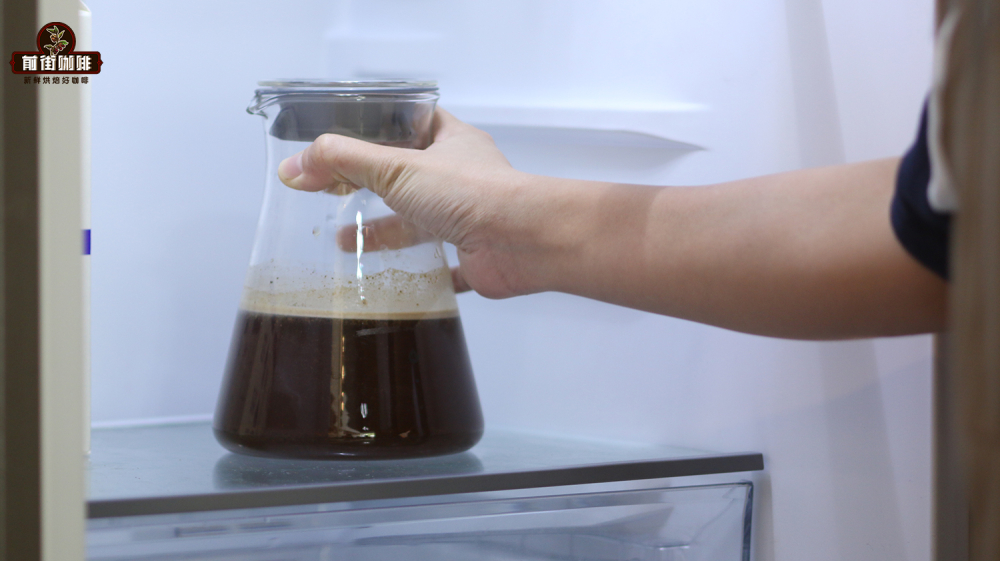
Cold brew steeps grounds in room-temperature or cold water, then extracts in a refrigerator. The advantage of low-temperature extraction is that it draws out far fewer bitter compounds, so once the grounds are filtered out through paper or a mesh filter, the result is a full, rich, clean-tasting coffee. The drawback is time: steeping typically takes 12-18 hours.
How Is Instant Coffee Powder Made?
There are two kinds of instant coffee powder: one brewed with hot water, and one that dissolves even in cold water—freeze-dried coffee.
Spray-dried instant coffee: a dry coffee extract obtained by evaporating water from liquid coffee extract. It dissolves quickly in hot water and takes up little space in storage and transport, so it keeps well.
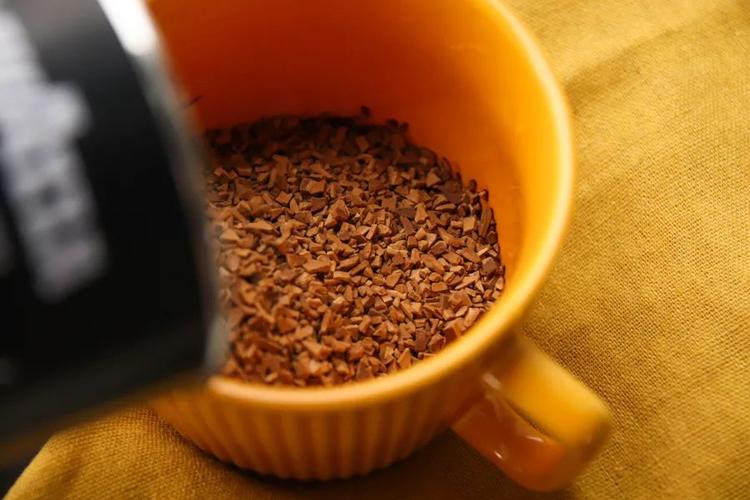
Freeze-dried coffee: instant coffee made by freezing concentrated liquid coffee and removing the ice by sublimation. The process is complex, but freeze-dried granules preserve the coffee's original flavor far better, and their loose, porous structure dissolves quickly—convenient "instant coffee" that is easy to measure and lets you control the strength of the drink.
FrontStreet Coffee Recommendation
If the honey section above caught your interest, FrontStreet Coffee recommends two Costa Rican honeys that show the method at its best:
FrontStreet Costa Rica Blackberry (Black Honey) — black honey removes almost none of the mucilage, so drying takes at least 2 weeks under shade cover to prevent over-fast drying, with regular turning to avoid uneven heat and over-fermentation—an especially labor-intensive method. Medium-light roasted, it releases an intense floral fragrance when ground, with distinctive notes of grape, berry, and ripe blackberry in the cup.
FrontStreet Costa Rica Mozart (Raisin Honey) — an innovative twist that pre-dries the whole cherries on raised beds for at least 3 days before depulping and finishing as honey, retaining 100% of the mucilage with zero water. That demands razor-sharp timing—even harder than black honey—but rewards you with a richer, hot-dried-fruit sweetness. Whether pour-over, cold brew, or moka pot, expect the unique aromas of osmanthus, pineapple, and raisins.
Important Notice :
FrontStreet Coffee is a long-established specialty coffee roaster in Guangzhou China, selling freshly roasted beans from its own farm in Yunnan as well as dozens of carefully selected single-origin beans from around the world for both pour-over and espresso. The products deliver consistently excellent quality and great value, with shipping within 24 hours. Guangzhou's FrontStreet Coffee shop is recommended by many coffee lovers, and the beans are now available online at the Tmall 。
FrontStreet Coffee has moved to a new address:
FrontStreet Coffee Address: 315,Donghua East Road,GuangZhou
Tel:020 38364473
 Scan and follow the En Gafei WeChat official account. Please indicate that the reprint comes from "En Gafei".