What Are Arabica Coffee Beans? The Benefits, Flavor, and Characteristics of 100% Pure Arabica Single-Origin Specialty Coffee Beans

When we buy coffee powder, instant coffee, and other products day to day, we often see the word "Arabica" on the packaging. Many people wonder what Arabica coffee actually is and what "100% pure Arabica" is meant to say. In this article, FrontStreet Coffee answers those questions.
What Does 100% Pure Arabica Mean?
Coffee is a tropical cash crop, generally grown in the coffee belt between the Tropics of Cancer and Capricorn. It needs fairly high, stable temperatures, abundant annual rainfall and sunshine, and fertile, well-drained soil, all of which suit coffee trees. The coffee belt covers about 70 countries and regions worldwide, of which about 50 have a climate suitable for coffee, making them coffee-producing countries. Brazil, Colombia, Ethiopia, Kenya, and Indonesia, as well as China's Yunnan and Hainan provinces, all lie in the coffee belt. Each coffee region has its own growing environment and microclimate, which provide diverse conditions for the trees and create distinctive flavors and mouthfeels.
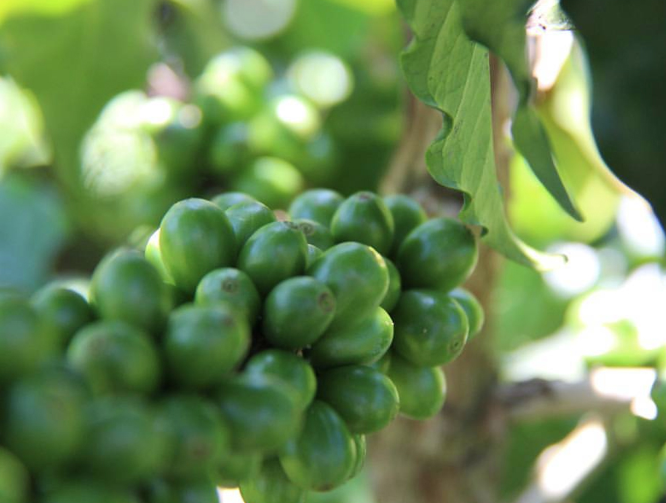
There are three main coffee bean species in the world today, but only two have significant commercial value and are widely cultivated: Arabica (Coffea Arabica) from small-fruited coffee and Robusta from medium-fruited coffee. There is also Liberica (Coffea Liberica) from large-fruited coffee, with fruit twice the size of small-fruited coffee, but it is relatively rare on the market because of its ordinary flavor.
As the dominant coffee variety worldwide, Arabica is extremely particular about where it grows. It needs elevations of 800-2200 meters in frost-free highlands. The higher altitude creates significant temperature differences that slow the maturation of the cherries, allowing better accumulation of flavor compounds and fuller development of aroma. Beyond altitude, Arabica also needs abundant rainfall, sunshine, and loose, well-drained soil that must be fertile, which makes it highly restricted in where it can be cultivated. Producing high-quality beans therefore takes more investment in management, and labor costs are higher as well.

For all its delicacy, Arabica loses to Robusta on caffeine: Robusta's caffeine content is 2-4%, twice that of Arabica. Caffeine works as a natural pesticide for the plant, protecting it from most insect damage, which makes Robusta easier and cheaper to cultivate. With higher amino acid and chlorogenic acid content, too, it has a mellow, deeper bitterness and can develop earthy flavors if not processed properly, which makes it less popular and often kept for dark roast espresso blends or instant coffee.
In the past, people drank coffee seeking only rich, mellow bitterness. With the rise of the specialty coffee wave, expectations for flavor, mouthfeel, and quality have risen, and beans with diverse aromas such as Arabica now better meet the demands of today's specialty market than Robusta does. To signal that their products use higher-quality beans, producers emphasize "100% pure Arabica" in their marketing. In today's specialty wave, however, the vast majority of products on the market already use Arabica, so the distinction is largely unnecessary; dozens of pour-over single-origin beans on FrontStreet Coffee's menu, for example, are Arabica varieties.

Does Arabica Taste Better?
The bitterness we taste in coffee comes mainly from chlorogenic acid. Robusta has higher caffeine, amino acid, and chlorogenic acid content, so it naturally lacks the fragrance of Arabica and replaces it with a mellow, deeper bitterness and woody notes.
Arabica's caffeine content is low, about 0.9%-1.4%, which suits health-conscious preferences. Arabica beans also contain 60% more fat than Robusta, and their sugar content is twice as high. Coffee brewed from well-processed Arabica tastes smooth, with noticeable sweetness, clear acidity, and rich layers, which is why it naturally became the market mainstream.
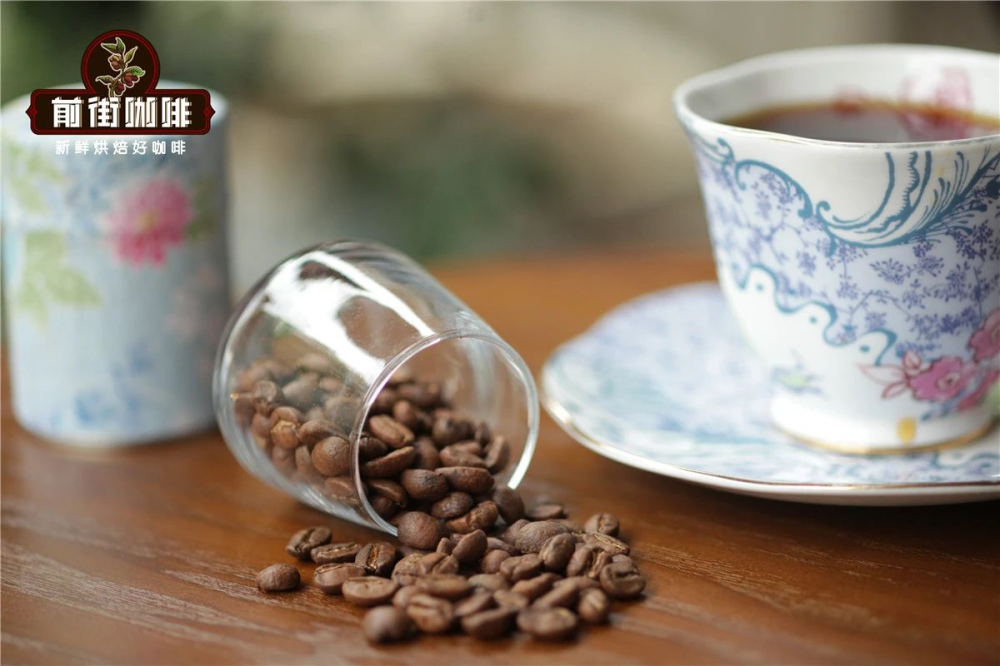
Recommended Specialty Arabica Coffee Beans for Beginners
On FrontStreet Coffee's bean shelf there is a high-value daily coffee series, carefully selected from 7 excellent classic coffee regions and covering a range of representative regions, varieties, and natural processing methods. Daily beans, as the name suggests, are varieties you can enjoy every day without worrying about the cost, since both price and flavor stay approachable. FrontStreet Coffee has chosen several "representative faces" so that everyone can get to know the basic flavors of the major regions. These include washed Yirgacheffe from Ethiopia, washed Huehuetenango from Guatemala, washed Huila from Colombia, pulped natural Cerrado from Brazil, washed Tarrazu from Costa Rica, wet-hulled Mandheling from Indonesia, and washed Baoshan from China's Yunnan.

Each of these beans suits extraction methods such as pour-over, cold brew, and French press. If you want the most original aroma of coffee, FrontStreet Coffee suggests black coffee is best. Whatever the method, FrontStreet Coffee believes freshness matters greatly: beans roasted more than two months ago have likely lost much of their aroma, and even the best technique can hardly bring the fragrance back. To let everyone drink coffee in its best window, FrontStreet Coffee ships only beans roasted within 5 days, so they are ready to brew when they arrive.
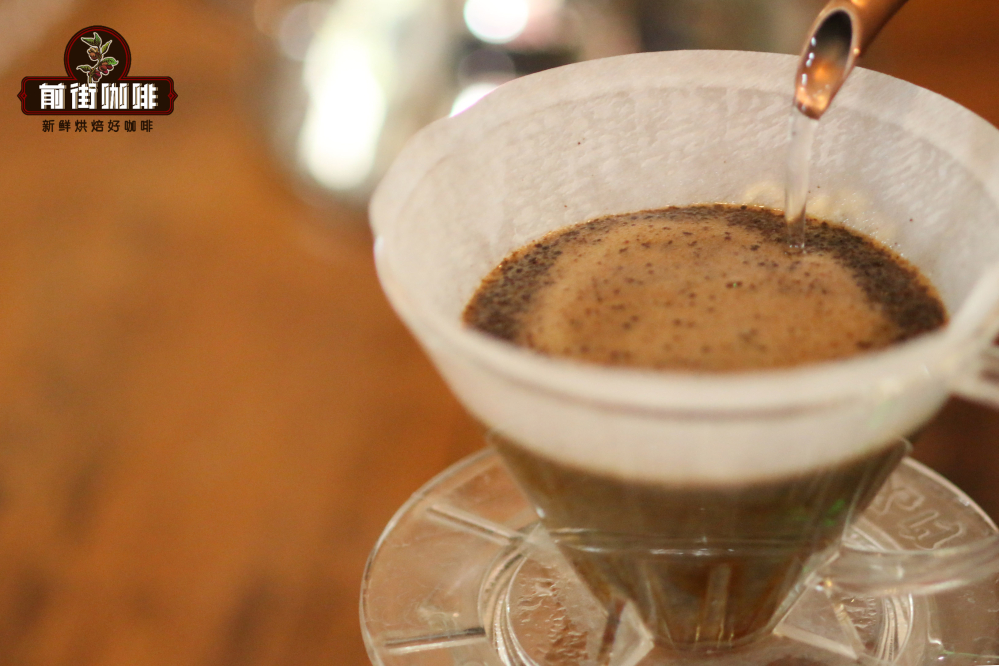
Freshly roasted Arabica is the surest path to a fragrant, balanced cup, and the daily series is built to make that easy for anyone.
Whether you are new to coffee or simply looking for an everyday bean, starting with a well-sourced Arabica single origin is a reliable choice.
FrontStreet Coffee Recommendation
Yunnan coffee is often called Yunnan small bean, and the small bean is really just another name for Arabica, so called because it bears the smallest fruit of the three original coffee species. The story goes back to 1904, when the French missionary Tian Deneng brought coffee seed, the Typica variety, from Vietnam into Yunnan and planted the first coffee tree in Zhukula village, Binchuan county, in the province; Yunnan's favorable geography and climate made the small bean a great success. The FrontStreet Yunnan small bean comes from the Baoshan region, washed and medium roasted, brewing with soft nut and chocolate sweetness and a slight plum acidity, and at a friendly price it has become many people's first taste of Yunnan coffee. To go deeper into the region, the FrontStreet 2013 sun-dried Typica is the step up. In 2013 FrontStreet built an estate and planted a batch of Typica trees, both because Typica is one of the oldest coffee varieties with pure Arabica genetics and an elegant, clean flavor long recognized as a specialty variety, and because the first coffee trees planted in Yunnan were also Typica, brought in by a French missionary, so FrontStreet hoped to recover that original taste of place. Where the FrontStreet Yunnan small bean is an easy introduction, the 2013 Typica is the sign of moving up in the region: it uses only fully ripe, all-red cherries, is natural processed, and then medium roasted for a more balanced body and more pronounced sweet-tart character, so it carries the tone of dark berries along with caramel sweetness, chocolate, and a hint of dried apricot, and a black tea finish after swallowing; other descriptions of this Typica note citrus and berry tones, a light fermented wine aroma, caramel sweetness, and a creamy finish. For a Yunnan-style espresso, the FrontStreet Black Cocoa Blend, built from Yunnan small bean and Brazil Cerrado, is recommended by many baristas: the Brazil supplies the mixed nut aroma and balanced body while the Yunnan small bean takes the role of chocolate and citrus, so the Americano comes out balanced across sweet, sour, and bitter with the sweetness of nut and brown sugar, and the latte has the smooth, creamy feel of almond. Yunnan coffee is also known for even, plump beans and a mellow, moderate body. Coffee prefers a warm environment, tolerating heat but not cold, and grows best with plenty of light; the ideal growing temperature is 16 to 21 degrees Celsius, which is why the golden coffee belt is centered on the equator and reaches to 25 degrees north latitude, where Yunnan happens to lie. Most of Yunnan sits at 1,000 meters altitude, with fertile sloping soil, abundant sunshine and rainfall, and a wide day-night temperature difference, all of which favor the coffee tree. Yunnan's coffee is grown mainly across the southwestern part of the province, in the four production areas of Baoshan, Dehong, Pu'er, and Lincang, and FrontStreet's two Yunnan specialty beans on the daily list come from Baoshan and Lincang. Baoshan's coffee history began in the mid-1950s, when the patriotic overseas Chinese Mr. Liang Jinshan introduced the crop; the warm, frost-free climate suits the small bean especially well, and around Lujiangba in particular the unique dry-hot river valley has a small annual temperature range but a large day-night difference, which gives Baoshan small-bean coffee its distinctive sweet finish, while reasonably low rainfall adds a further advantage for the fruit. For an entry-level Chinese Arabica, then, the FrontStreet Yunnan small bean is the first choice: washed and medium roasted, it brings out some caramel while keeping part of the acidity, so it expresses the terroir of Yunnan well, since washed processing removes the pectin layer through fermentation and rinsing before drying.
Important Notice :
FrontStreet Coffee is a long-established specialty coffee roaster in Guangzhou China, selling freshly roasted beans from its own farm in Yunnan as well as dozens of carefully selected single-origin beans from around the world for both pour-over and espresso. The products deliver consistently excellent quality and great value, with shipping within 24 hours. Guangzhou's FrontStreet Coffee shop is recommended by many coffee lovers, and the beans are now available online at the Tmall 。
FrontStreet Coffee has moved to a new address:
FrontStreet Coffee Address: 315,Donghua East Road,GuangZhou
Tel:020 38364473
 Scan and follow the En Gafei WeChat official account. Please indicate that the reprint comes from "En Gafei".