The Story of Guatemala Antigua Coffee Beans: Flavor and Taste Characteristics of Antigua Region's La Flor Coffee
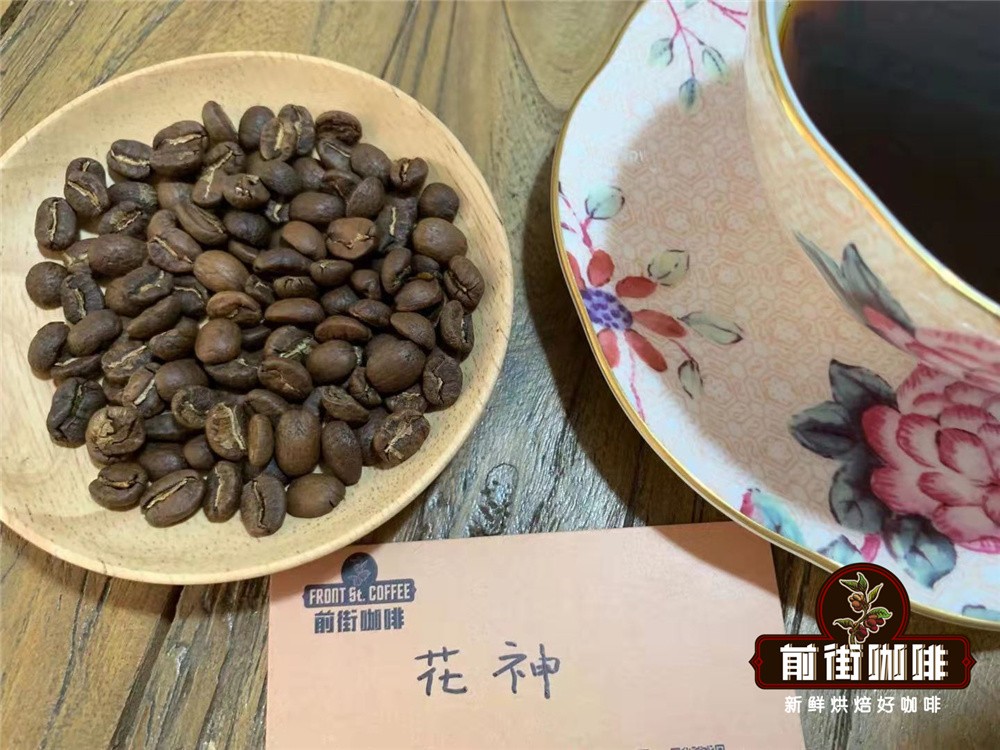
The Flavor Characteristics of Guatemala Coffee
Guatemalan Antigua coffee is rich and full-bodied with tobacco notes. On the menus of high-end coffee shops, Guatemalan Antigua is a fixture in the "single-origin coffee" section. Those who love it always remember its special smoky aroma. Coffee brought prosperity to Guatemala, and to this day it continues to shape the country's economy.
Guatemala's growing environment centers on volcanic soil, which gives Guatemalan beans a smoky note in the finish. This is the distinctive taste of Guatemalan coffee. Antigua coffee has a smooth mouthfeel with a slight charcoal-like flavor within its mellow richness, much like the sweetness of chocolate mixed with smoke. This charcoal aroma comes from nearby volcanoes that erupt every 30 years, letting the coffee trees absorb the nitrogen released during eruptions. Because of this unique charcoal aroma, Antigua coffee is also known as "cigar coffee." Coffee from volcanic regions in other countries carries similar smoky notes, but none matches the purity of Antigua's aroma.

Antigua City
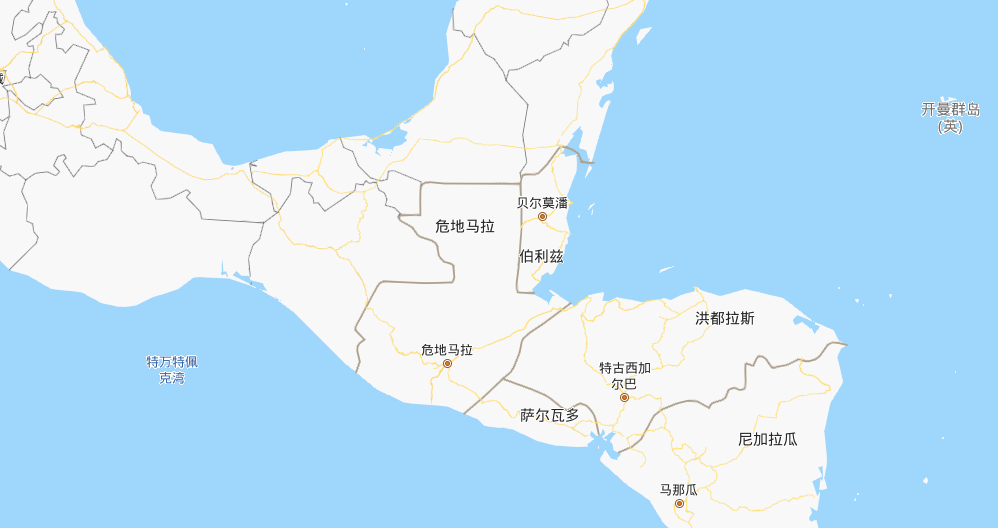
Antigua is the oldest and most beautiful city in the Americas. As early as 1543, Antigua was the capital of all colonial Central America, and the Spanish governor's palace was established here. After the great earthquake of 1773, Antigua was completely destroyed, and the capital was moved to Guatemala City. Antigua lies about 40 kilometers west of Guatemala City. Its colonial-era buildings were damaged by earthquakes but preserved in their post-earthquake state, making the city a living historical museum. Antigua coffee is produced on Antigua Island, where coffee grows on the slopes of the volcanic interior, thriving naturally with ample rain, dew, and sunlight. Although this emerald-like valley was surrounded by active volcanoes on every side - layered, poised, and perilous - its vastness, breadth, and fertility still tempted the Spanish to build their capital in this precarious valley.
The Story of Antigua Coffee Beans
Guatemala became a Spanish colony in the 16th century. Under colonial rule, much of the precious Mayan civilization was destroyed. Guatemala declared independence in 1821, and to develop its economy, coffee became an important export cash crop.

Antigua coffee can be traced back to Mayan civilization. Volcanic eruptions enriched the soil here, and abundant sunlight and moisture produced excellent coffee quality. Most importantly, the residents insist on planting the Arabica Bourbon variety, which, though lower in yield, is superior in quality. Because the people of Antigua Island grow coffee on a large scale, they are accustomed to harvesting everything at once and using ancient natural processing methods. They pick ripe and unripe fruits together, even mixing in leaves, and spread them out under the sun. Left on the ground for long periods, the beans easily absorb impurities from the soil, often developing peculiar salty flavors. Most coffee lovers cannot tolerate this strange taste, but those used to it enjoy it greatly. The income of the coffee farmers on Antigua Island is very meager, yet they say themselves that although they are poor, coffee still makes them happy.
Volcanoes once destroyed this prosperous capital in an instant, taking away all its prosperity and beauty overnight. After this upheaval, 200 years of splendor vanished, and Antigua never regained its proud stride. Having returned to simplicity, Antigua is now diligently managed by the remaining hardworking Indians. These industrious, strong people became its coffee producers. They not only discovered the rich and enticing aroma of Antigua coffee but also brought it to the world. Today, Antigua coffee enjoys a reputation as one of the world's best-quality coffees and is praised by connoisseurs as the finest and most distinctive coffee in the world. The reason Antigua coffee is pursued by most coffee lovers is simply its unique aroma. Because it is grown on volcanic mountains, it preserves its characteristics better than Costa Rica, mainly thanks to greater geographical and climatic advantages. Guatemala lies in the tropics, but because of its high altitude it has a mild, truly subtropical climate. Under this climate, coffee trees flower and fruit more slowly than trees elsewhere. That mild climate, combined with fertile soil, creates an excellent environment for growing coffee.
The coffee industry managed by the Maya once brought prosperity to Guatemala's economy and dominated the national economy. Unfortunately, Guatemala's internal political situation was not favorable to these coffee growers. High yield is usually a sign of overall economic prosperity in a country, yet Guatemala's coffee production has relatively declined, reaching only 700 kg per hectare, while El Salvador yields 900 kg per hectare and Costa Rica reaches an astonishing 1,700 kg per hectare. Guatemala's coffee export trade is controlled by private companies, but the National Coffee Committee controls other sectors of the industry. In the end, the Maya disappeared, but they left the world a remarkable coffee.

Antigua Growing Region
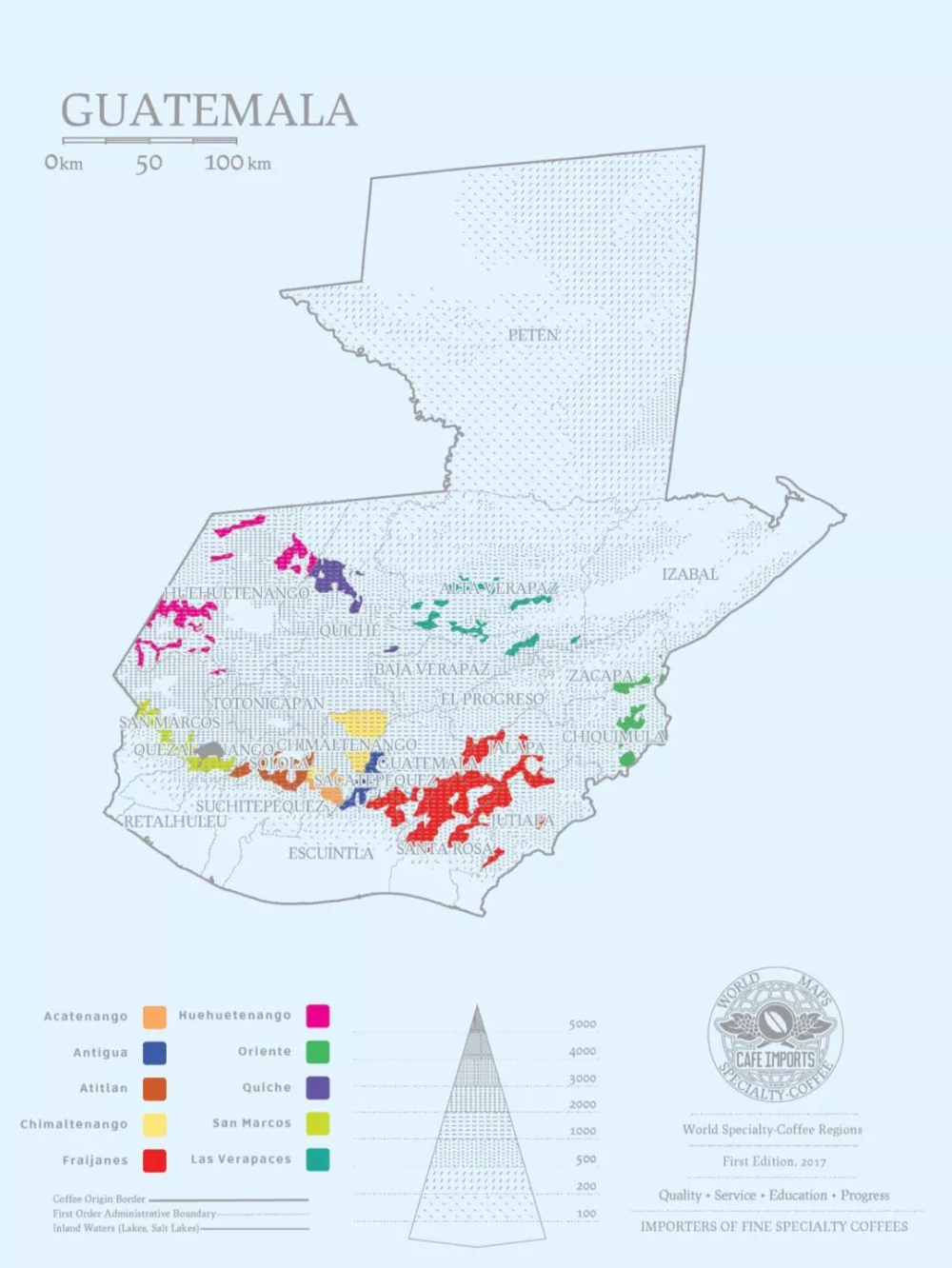
Unlike countries such as Colombia and Brazil, Guatemala has a small land area, yet it contains multiple coffee-growing regions. Among them, Antigua, Huehuetenango, Cobán, Lake Atitlán, the Fraijanes Plateau, San Marcos Volcano, and Acatenango are all important coffee-producing regions.
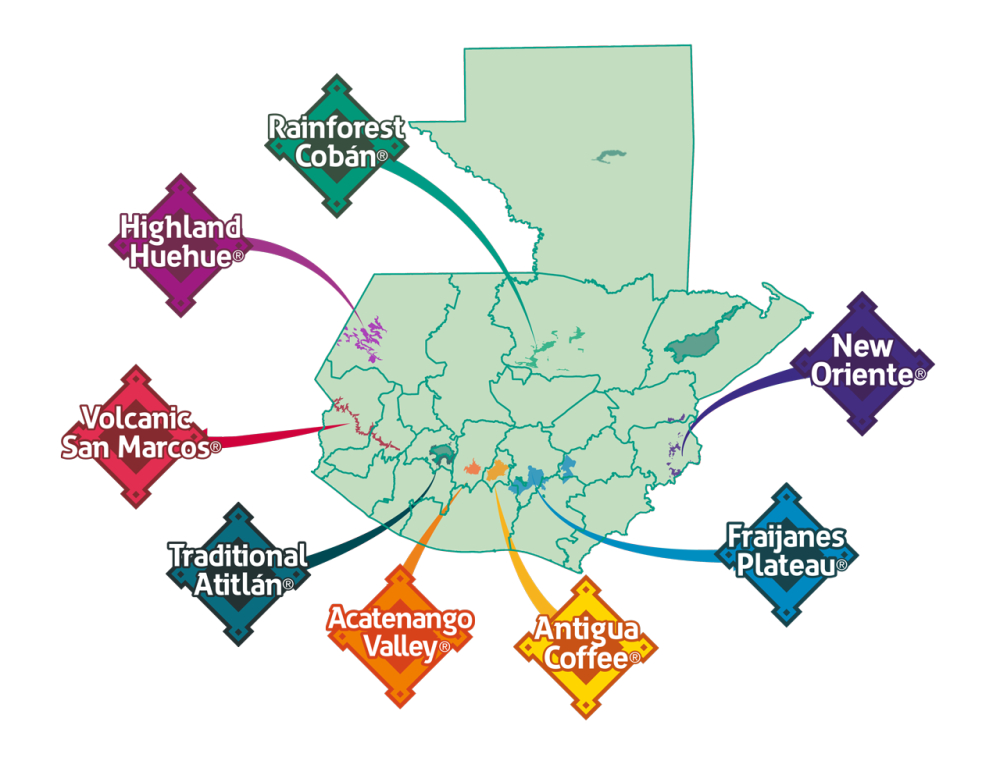
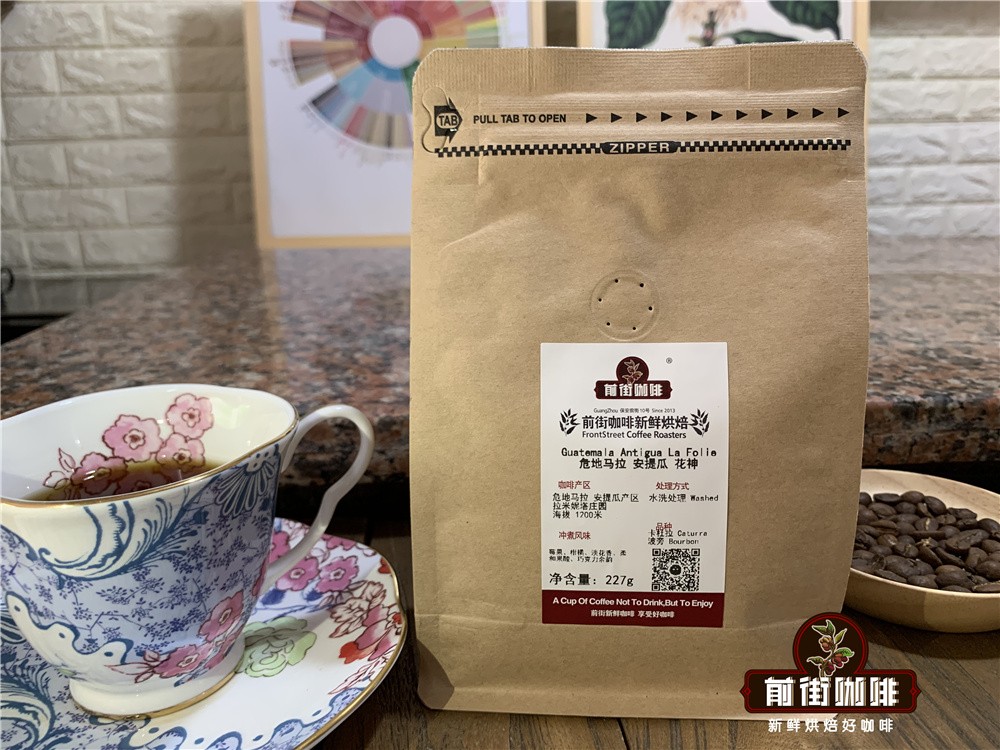
The Antigua growing region is surrounded by three volcanoes in southern Guatemala: Agua, Fuego, and Acatenango. Antigua has low rainfall in summer and occasional frost in winter, but fortunately it lies in an active volcanic zone. After eruptions, volcanic pumice falls into the soil and cools. Because this pumice has many fine pores, it retains moisture very well. In addition, the many shade trees planted on the estates protect the coffee trees from winter cold. Combined with the significant day-night temperature difference brought by high altitude, this area forms a unique microclimate. FrontStreet Coffee offers a Flor de Café coffee bean from the Alaminuta estate in the Antigua region, processed using the washed method.
Alaminuta Estate
Alaminuta is famous for its excellent cultivation, processing techniques, and extremely strict quality control. It commissions Las Pastores, the largest washed processing plant in the Antigua area, to process its green beans to very high standards, and names the coffee Flor de Café. Besides preserving the original regional flavors, the dry aroma carries rich floral and tea notes. On tasting, lime acidity and berry flavors emerge, then transform into a honey finish. Excellent cleanliness and rich layering are the hallmarks of this Flor de Café.
Alaminuta places great emphasis on organic cultivation. Because the geographical advantage of high altitude and a unique climate limit pest populations, the estate does not use pesticides. The small number of pests does not cause significant harm to the coffee trees, but harvesting does require careful handling. At Alaminuta, as the rainy season ends, the coffee fruits begin to ripen. Green fruits start turning red, but coffee fruit ripening is very slow and uneven, unlike the rapid and consistent flowering. Harvesting therefore has to be handled more carefully.
To ensure excellent quality, the estate harvests only fully ripe, deep-red fruits. It conducts soil testing twice a year to determine fertilization frequency and dosage, giving the coffee trees more nutrients and preventing disease. Such scientific cultivation management has created the excellent flavor of Flor de Café coffee and kept its quality consistent over the years. The estate guarantees the soil quality needed for premium beans and fertilizes about 3 times a year. Alaminuta also applies trace-element fertilizers such as zinc, boron, and copper to provide more nutrients and prevent disease.

Flor de Café Coffee Bean Varieties
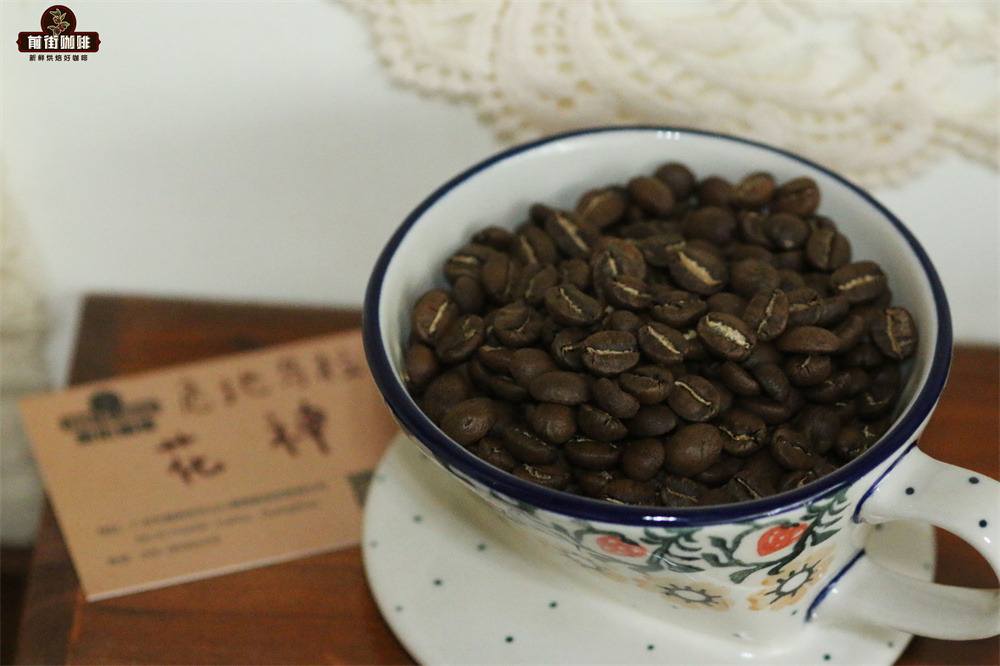
Guatemala's Flor de Café is mainly made up of Bourbon, Caturra, and Catuai. Bourbon and Typica are both ancient, high-quality varieties with pure flavors and moderate sweetness and acidity. Caturra has lemon or citrus acidity, but in sweetness it does not match Typica and Bourbon, and its sweetness depends on the grower's fertilization frequency and dosage. It is highly productive, but maintaining that productivity requires continuous fertilization and pruning, resulting in short trees with many branches. Although productivity rises, the two-year harvest period and higher cultivation costs still limit yield somewhat.
Flor de Café Coffee Bean Processing Method
Like other American coffee-producing countries, Guatemala favors the washed processing method, which is also very popular across the producing countries of the Americas. For producers, the biggest difference between washed and natural processing is the ability to process beans stably and in large quantities while achieving better green-bean quality. FrontStreet Coffee believes washed beans taste cleaner than natural-processed ones and express local flavors better. That is also why most of FrontStreet Coffee's daily beans use washed processing.

Washed processing starts by floating the harvested coffee fruits in water to select those with sufficient density. Machines then remove the skin and pulp. The beans that complete this step go into fermentation tanks, where the mucilage layer is broken down by fermentation. Clean water then washes away the decomposed mucilage and any remaining pulp. Finally, the beans are dried in the sun until the moisture content reaches about 11%, at which point they can be stored. The washed method also gives this Flor de Café coffee higher acidity and a cleaner flavor profile.
FrontStreet Coffee's Approach to Roasting Flor de Café Coffee Beans
Guatemalan coffee beans naturally carry the nut and cocoa notes typical of Latin America, with light floral aromas and soft fruit acidity. FrontStreet Coffee uses a medium-light roast to preserve more floral and fruit aromas and a clean, bright acidity, while enhancing richness and balance.

FrontStreet Coffee's Guatemala Coffee Brewing Parameters
Medium-light roasted beans dissolve more slowly than dark-roasted ones. FrontStreet Coffee suggests a fast-flowing V60 dripper, a higher water temperature, and a finer grind. FrontStreet Coffee uses a medium-fine grind (granulated-sugar consistency, 80% pass-through on the China #20 standard sieve), 15g of grounds, a V60 dripper, a 91°C water temperature, a 1:15 coffee-to-water ratio, and a three-stage pour.
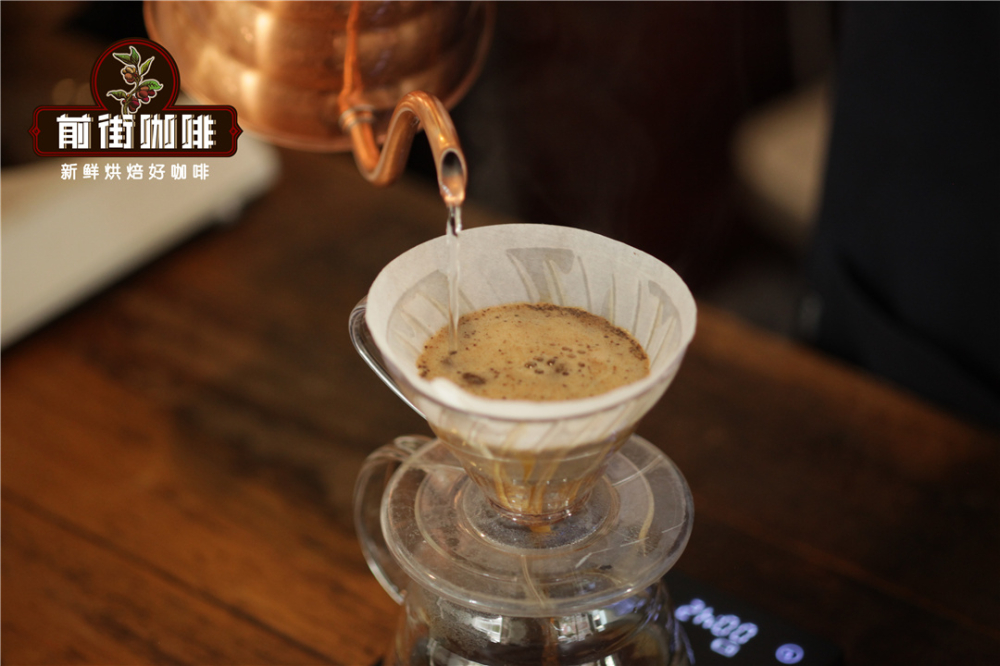
For the three-stage extraction, bloom with twice the weight of the grounds in water - that is, 30g of water for 30 seconds. Blooming is necessary so the grounds can release their internal carbon dioxide, making the rest of the extraction more stable. Pour in a small circular stream until you reach 125g, then continue pouring to 225g and stop. Once the water has finished dripping through the dripper, remove it. Timing starts at the beginning of the pour, with an extraction time of 2'00". Next, pick up the whole cup and swirl it well, then pour into cups for tasting.
Guatemala Flor de Café Coffee Flavor Characteristics
Berry acidity, citrus, light chocolate, rich layering, smooth mouthfeel.
FrontStreet Coffee's Coffee Brewing Recommendations
On the subject of brewing, FrontStreet Coffee has always believed that the freshness of coffee beans greatly affects flavor. FrontStreet Coffee therefore ships all coffee beans within 5 days of roasting. Its roasting philosophy is "Freshly Roasted Good Coffee," ensuring that every customer who orders receives the freshest coffee on arrival. The resting period is about 4-7 days, so by the time customers receive it, the coffee is at peak flavor.

For friends who need ground coffee, FrontStreet Coffee kindly reminds you: once beans are ground in advance there is no need for resting, because during transport the pressure of carbon dioxide inside the packaging also helps mellow the flavor, so you can brew a cup immediately upon receiving the grounds. Ground coffee does need to be brewed promptly, however, because it oxidizes quickly when exposed to air, meaning the flavor dissipates faster and the coffee will not taste as good. FrontStreet Coffee therefore recommends buying whole beans and grinding fresh for each brew to better experience the coffee's flavors.
FrontStreet Coffee Recommendation
If the nutty, chocolatey, lightly smoky character of Antigua appeals to you, FrontStreet Coffee has several beans that deliver that profile. FrontStreet Specialty Blend is an espresso blend led by Brazilian beans with Colombian beans in support; beyond its complex almond, walnut, and other nutty aromas, it gives a comforting bittersweet note and a sweet milk-chocolate texture when made into a latte, with Colombian nut, chocolate, and caramel notes and a gentle acidity that makes the cup balanced and full-flavored. To taste a single origin's creamy-chocolate character, FrontStreet Brazil Queen Estate, a rare Yellow Bourbon from a smaller, more carefully managed plot, brings the region's nut, cream, roasted-peanut, and caramel-cookie flavors with low acidity and a clean, lingering sweetness; it suits pour-over, French press, and clever drippers as well as moka pots and home espresso machines. For a deeper, more intense cup, FrontStreet Indonesia Lintong Mandheling is the highest G1 grade, wet-hulled and dark-roasted to emphasize black sugar, spice, herb, nut, and dark-chocolate aromas with a full, low-acid body. FrontStreet Black Cocoa Blend, an excellent-value espresso blend, combines Brazilian nuttiness and smoothness with the ripe-plum acidity of Yunnan beans, yielding fine crema, moderate intensity, and a caramel finish in Americanos, lattes, or signature drinks. Finally, FrontStreet Papua New Guinea Paradise Bird, grown at 1,600-1,800 meters and famous as a "little Blue Mountain," is medium-roasted to blend toasted-bread and nut sweetness with a soft grapefruit acidity and a spicy finish.
Important Notice :
FrontStreet Coffee is a long-established specialty coffee roaster in Guangzhou China, selling freshly roasted beans from its own farm in Yunnan as well as dozens of carefully selected single-origin beans from around the world for both pour-over and espresso. The products deliver consistently excellent quality and great value, with shipping within 24 hours. Guangzhou's FrontStreet Coffee shop is recommended by many coffee lovers, and the beans are now available online at the Tmall 。
FrontStreet Coffee has moved to a new address:
FrontStreet Coffee Address: 315,Donghua East Road,GuangZhou
Tel:020 38364473
 Scan and follow the En Gafei WeChat official account. Please indicate that the reprint comes from "En Gafei".