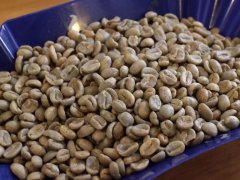
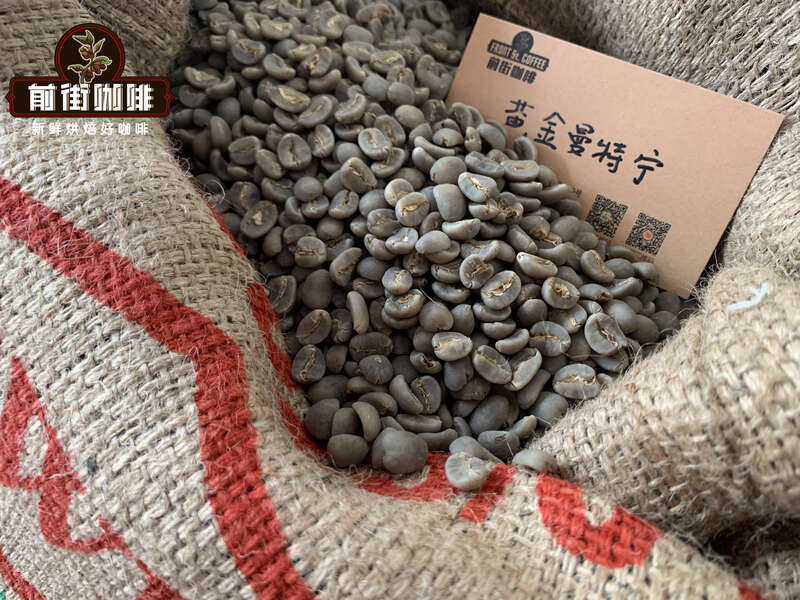
Ethiopian Yirgacheffe Coffee Bean Classification, Flavor Profile Description and Taste Characteristics Introduction
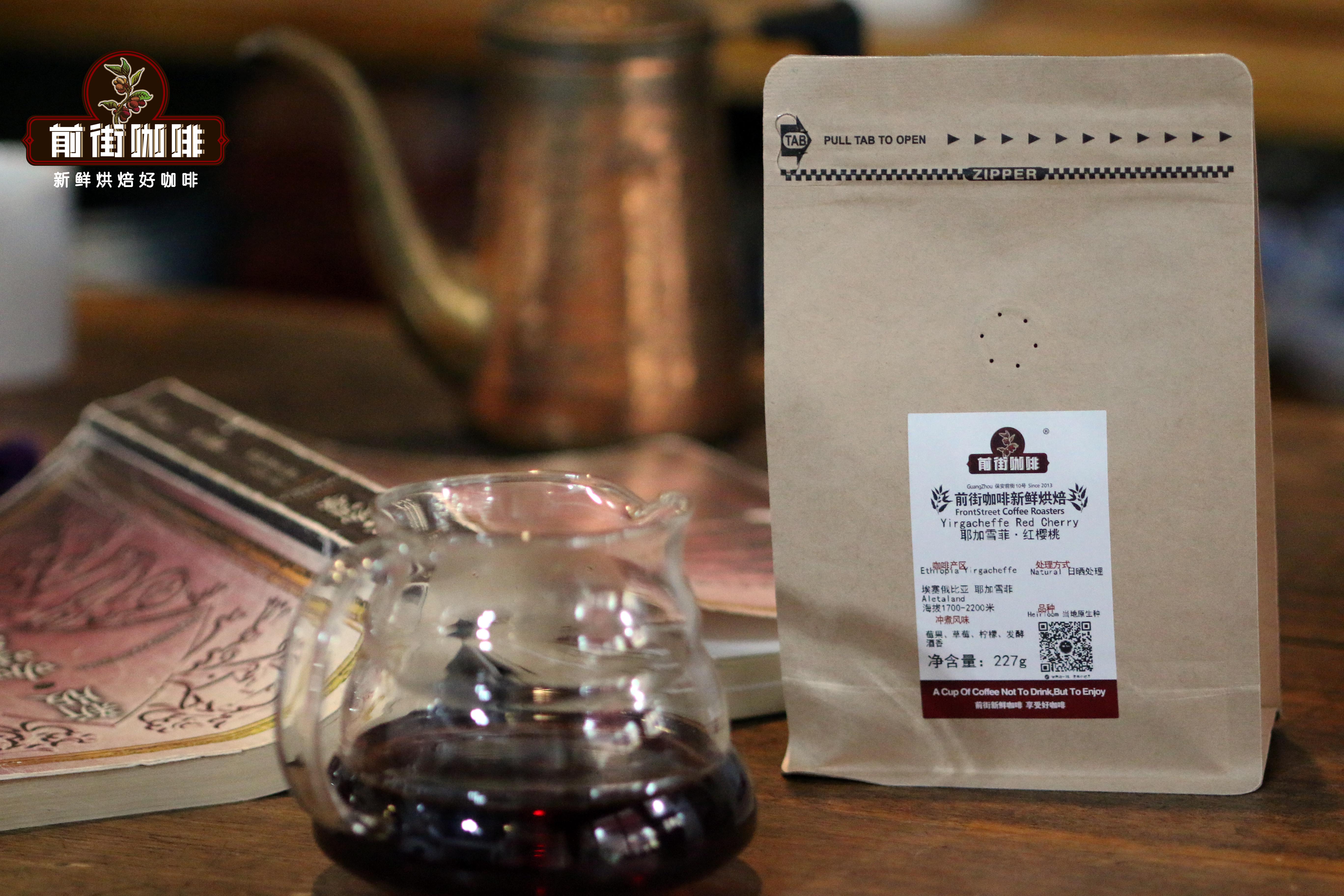
Ask most pour-over drinkers what hooked them on black coffee, and the answer is almost always an Ethiopian coffee—very often a Yirgacheffe. The first time FrontStreet Coffee tasted one, with its floral, fruity, tea-like character, it shattered every assumption that coffee had to taste bitter. It is a cup that leaves a lasting mark.
What Makes Ethiopian Coffee Special?
Ethiopia is the universally acknowledged birthplace of coffee, and its genetic diversity and quality are unmatched anywhere else. Coffee is not just an economic crop and export commodity there; it is woven into centuries of culture. It is, quite simply, the nation's greatest source of pride.
The landscape helps enormously. Ethiopia's vast highlands create an ideal climate with dramatic day–night temperature swings. Mornings arrive wrapped in cloud and mist, with cool breezes moving through the mountains. Afternoons bring abundant sunshine, and nights cool to around 10°C—cold enough to slow maturation, yet free of frost. For coffee, it is close to perfect.
Ethiopia has many producing regions, and differences in soil, microclimate, and processing produce distinctly different cups. The names you hear most often in specialty shops are Yirgacheffe, Sidamo, and Guji—flavor benchmarks whose aromatics are celebrated across the coffee world.
Yirgacheffe itself is a small town in southern Ethiopia. Originally administered under the Sidamo region, it rose to fame after washing stations were established there and began bringing out its signature white floral and citrus notes. It has since become an independent, world-renowned origin. The town sits in the Gedeo zone, downstream from large lakes, with abundant springs and rivers supplying the washing stations with the freshwater they need.
The name carries poetry, too. In the old Ethiopian language, "Yirgacheffe" combines Yərga—calm and settled—with Č̣äfe, meaning swampy wetlands. Yirgacheffe thus means something like "let us settle and flourish in this wetland."

What Is "Yirgacheffe Flavor"?
Think of it as bright citrus and lemon fruit, jasmine fragrance, a fresh and lively texture, and clean, layered acidity. Under the ECX contract agreements, coffee grown and processed not only in Yirgacheffe town but also in Wenago to the north, Gelena Abaya to the west, and Kochere to the south can all be classified and exported as Yirgacheffe.
As devoted fans of floral, fruity coffee, FrontStreet Coffee keeps several Ethiopian beans on its menu: the washed Banko Gotiti Cooperative, the natural Red Cherry, the Flower Champion from Sidamo, and the house washed Yirgacheffe that we drink daily. When a customer wants a clean, fruit-forward washed cup, our baristas reach for the Banko Gotiti first. For those who love round, full fruit sweetness, the natural Red Cherry is the better fit. And for anyone curious about tropical, fermentation-driven aromatics, we point them to the Flower Champion from Sidamo's Hambela region.
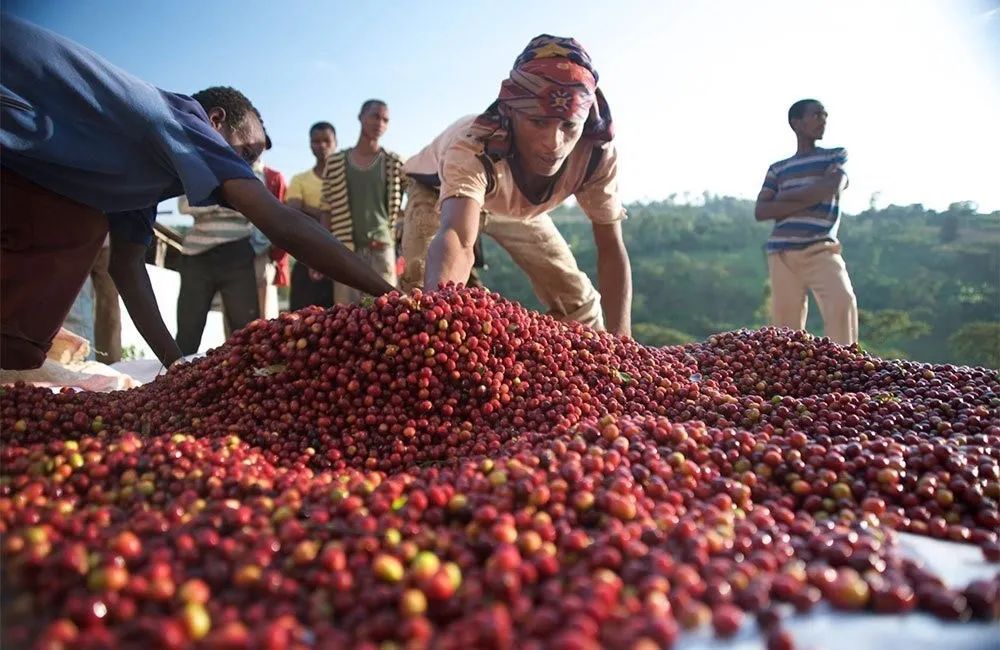
Ethiopia's natural conditions mean coffee trees grow everywhere, often alongside other crops in household gardens. Individual yields are small, so cherries are typically picked and delivered straight to a local processing station, then named and sold under the station or cooperative's name—Banko Gotiti Cooperative being a famous example. This garden-culture model is the most common farming pattern in the country and provides a vital income supplement for countless Ethiopian families.
Banko Gotiti and the Washed Process
Named after a small village in the Gedeo zone, the Banko Gotiti Cooperative has built a reputation for growing some of Ethiopia's finest coffee. It began as part of the Worka cooperative within the Yirgacheffe Coffee Farmers Cooperatives Union (YCFCU)—an umbrella organization of 26 cooperatives and 45,000 members—before becoming independent in 2012 on the strength of its mature washing techniques. Today it is a household name among coffee buyers.
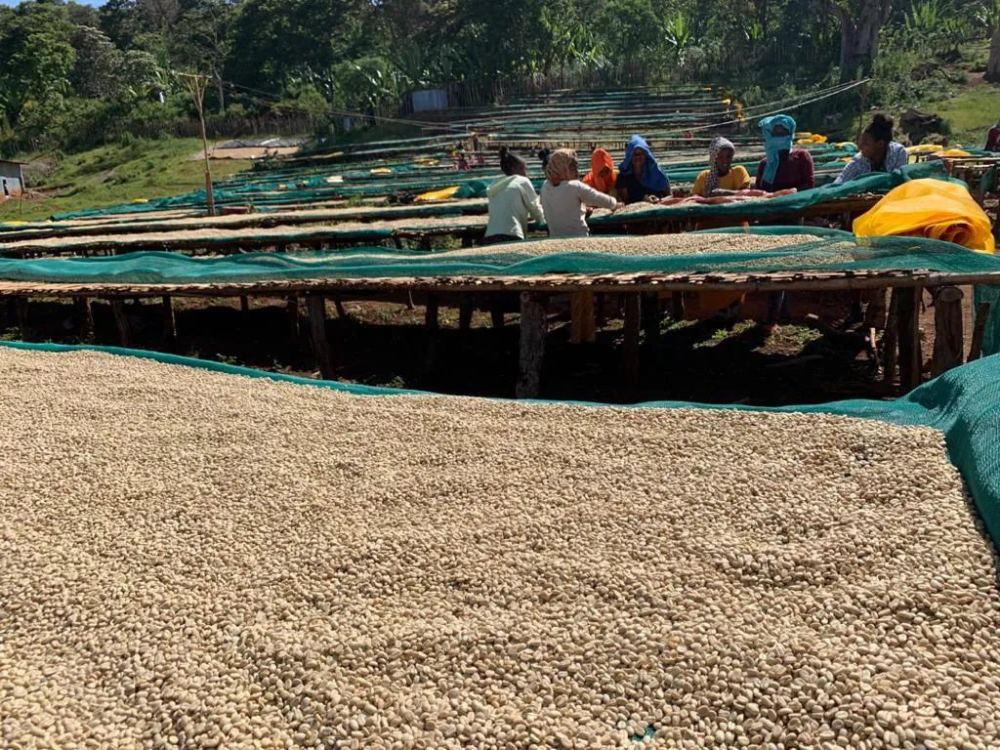
Traditionally, Ethiopian farmers dried harvested cherries directly on patios or on the ground until they reached roughly 12% moisture, then sent them for hulling. That approach often produced earthy, over-fermented, rotten-fruit flavors, and it was slow. To fix these flaws and raise efficiency, Ethiopia borrowed wet-processing technology from Central and South America. Cooperative members now sort, wash, ferment, and depulp the cherries before drying them on raised beds—and every step must be handled carefully to protect the final quality.
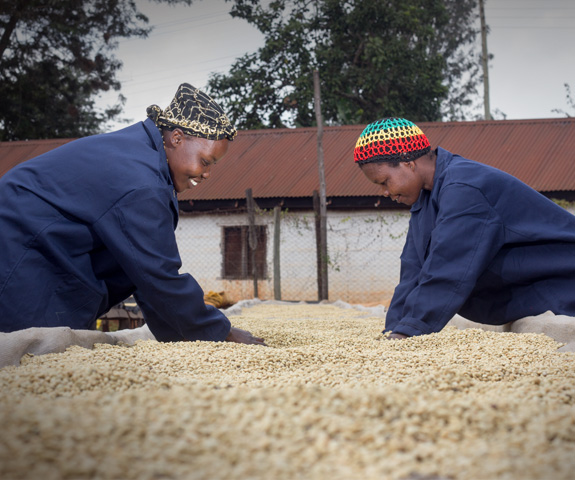
Wet processing transformed Yirgacheffe's consistency. Once roasted, these coffees show fresh citrus tones and elegant white florals, with a bright, delicate profile that lingers. It is no exaggeration to say washed processing is what let Yirgacheffe step out of Sidamo's shadow and become the celebrated origin it is today.
What About Natural-Processed Yirgacheffe?
Ethiopia's high altitude, relatively low rainfall, and long sunshine hours make it ideal for drying coffee in the fruit. In the natural process, ripe cherries are dried whole after harvest. As they dry, the sugars and aromatics of the pulp work their way into the seed—and the longer the drying, the more thorough the fermentation.
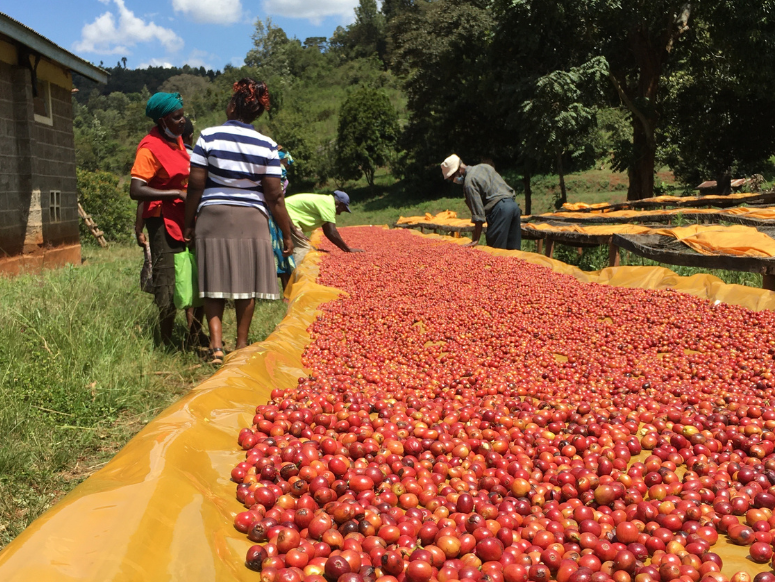
Because the beans mature inside the intact fruit, shielded from the environment, natural processing amplifies whatever the terroir already offers: pronounced tropical fruit, a full fermented richness, and deep sweetness. FrontStreet Coffee's Sunflower Warm Sunshine Espresso Blend includes 30% natural Red Cherry, which contributes its berry-like sweet-tart character to the blend.
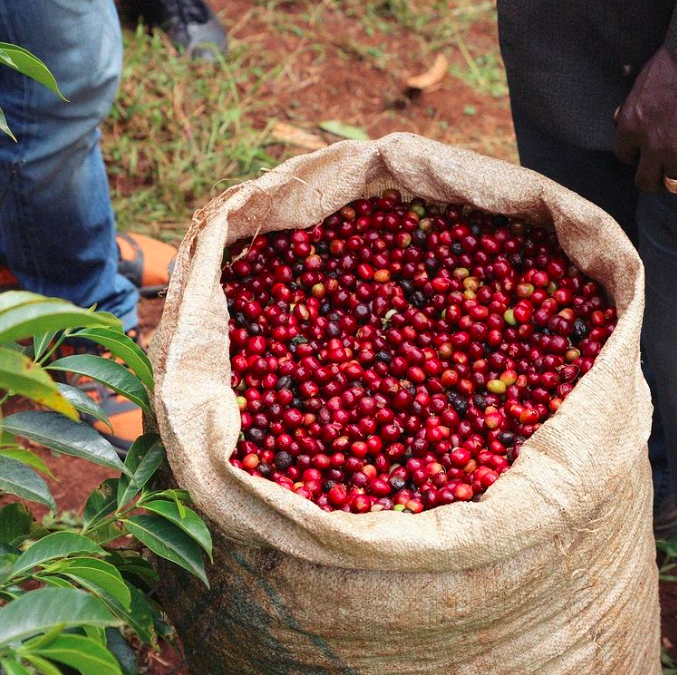
Where Does "Red Cherry" Come From?
The name traces back to the Red Cherry Project, launched in 2007 by Trabocca BV, then the largest green coffee trader in the Netherlands. The project was designed to push Ethiopian producers toward higher quality: it focused on improving washed, semi-washed, and natural processing in high-altitude areas such as Yirgacheffe, brought professional cuppers into the loop, and set harvest quotas by microclimate zone—with one hard rule: only fully ripe, defect-free red cherries could be picked. Riper fruit plus more meticulous processing produced a step change in cup quality, farmers earned premium prices, and both sides of the trade won.
Brewing FrontStreet Coffee's Yirgacheffe
Beans need a 4–7 day degassing period after roasting before they hit their optimal flavor window; beyond that, aromatics dissipate faster and the cup fades. FrontStreet Coffee therefore ships only beans roasted within the past 5 days, so the coffee arrives ready to express its full character.
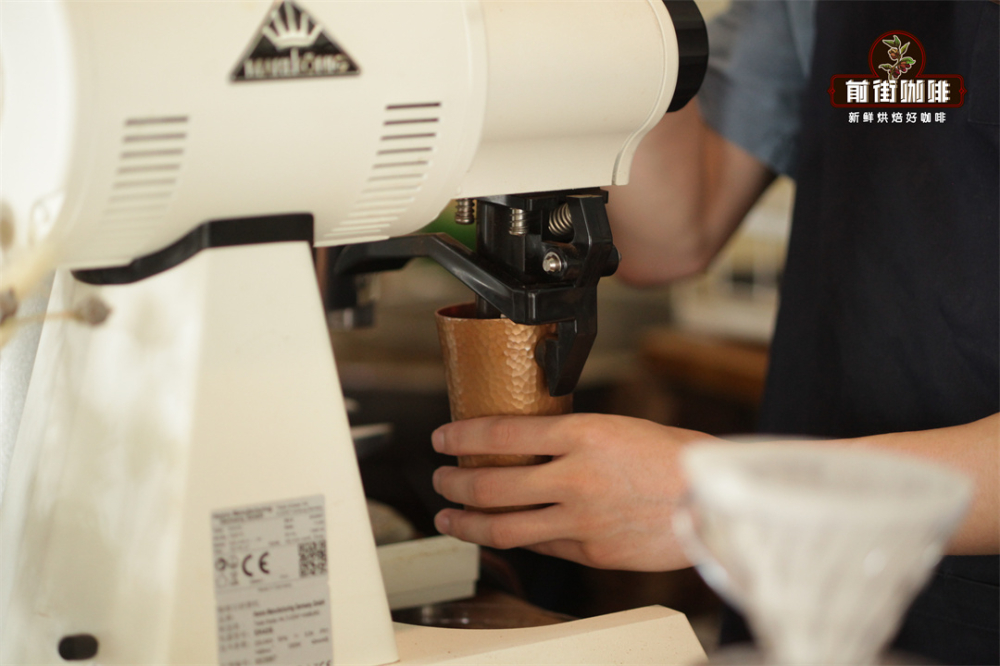
Because our Yirgacheffe is roasted light, the beans are dense and need high-temperature water—92–93°C—to draw out the florals and fruit. We recommend a medium-fine grind size (a 78% pass rate on the #20 standard sieve). Too coarse, and the cup comes out thin and under-extracted; too fine, and the hot water pushes it into bitterness. To showcase its vivid aromatics, we brew it on a V60.
Brewing Parameters
Dripper: V60
Water Temperature: 92-93°C
Dose: 15g
Ratio: 1:15
Grind Size: Fine sugar texture (78% through #20 sieve)
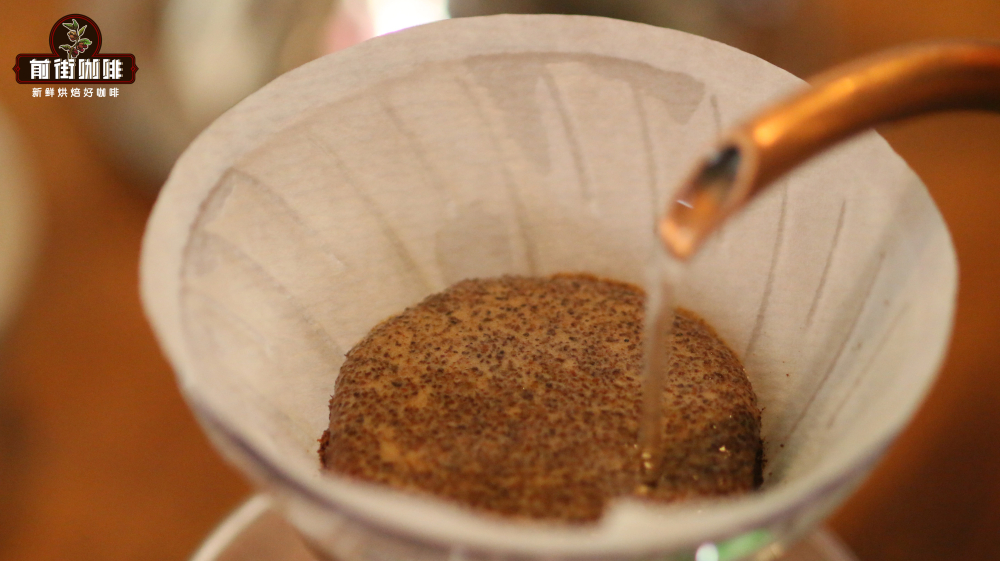
Pour 30g of water for a 30-second bloom, then pour up to 95g (the scale will read about 125g), finishing within about 1 minute. Once the water level drops to two-thirds of the coffee bed, pour the final 100g (scale around 225g), finishing around 1:35. Let the brew draw down fully at about 2 minutes 10 seconds, remove the dripper, and you're done.
FrontStreet Coffee Recommendation
If you're new to Ethiopian coffee, start with FrontStreet Coffee's washed Yirgacheffe house selection. It is the most classic expression of the region—white jasmine, bright citrus and lemon acidity, and a lingering tea-like finish—and its approachable price has made it the first specialty bean for countless beginners. Yirgacheffe sits at roughly 1700–2100 meters, with most coffee planted above 1800 meters, among the highest growing zones in the world; in 2010, its fame grew so great that the Ethiopian Commodity Exchange formally separated it from Sidamo as its own designation.
For a step up in clarity, try the washed Banko Gotiti Cooperative from the Worka area at the southeastern edge of Yirgacheffe. Processed in the traditional washed style, it shows the same citrus and lemon brightness and jasmine florals but with none of the old-school bitterness—a cup many drinkers fall for at first sip. If you prefer sweetness and body, the natural Red Cherry is picked from fully ripe cherries, turned every 2–3 hours during the first days on the raised beds to prevent uneven heating, and dried for three to five weeks. The result layers citrus acidity, berry juice, honeyed sweetness, and a creamy smoothness.
For brewing either style, use a V60 with 15g of coffee at a 1:15 ratio and a medium-fine grind; water at 90–91°C works beautifully for these light roasts. Bloom with 30g of water for 30 seconds, build to about 225g in stages, and aim for a total brew time around two minutes.
Important Notice :
FrontStreet Coffee is a long-established specialty coffee roaster in Guangzhou China, selling freshly roasted beans from its own farm in Yunnan as well as dozens of carefully selected single-origin beans from around the world for both pour-over and espresso. The products deliver consistently excellent quality and great value, with shipping within 24 hours. Guangzhou's FrontStreet Coffee shop is recommended by many coffee lovers, and the beans are now available online at the Tmall 。
FrontStreet Coffee has moved to a new address:
FrontStreet Coffee Address: 315,Donghua East Road,GuangZhou
Tel:020 38364473
 Scan and follow the En Gafei WeChat official account. Please indicate that the reprint comes from "En Gafei".