Flavor and Taste Differences Between Golden Mandheling Coffee and Blue Mountain Coffee Beans - Pour-Over Brewing Tutorial
Indonesian Mandheling and Jamaican Blue Mountain both belong to the family of bitter-toned coffees with chocolate and nut flavors. Broadly speaking, if you want a perfectly balanced cup, FrontStreet Coffee's barista would point you to Jamaica Blue Mountain No. 1; if you prefer a rich, heavy coffee with herbal and spice aromas, FrontStreet Coffee suggests Golden Mandheling from Indonesia. Below, FrontStreet Coffee compares these two premium coffees side by side.
Blue Mountain No. 1 Coffee: From Jamaica's High Blue Mountains
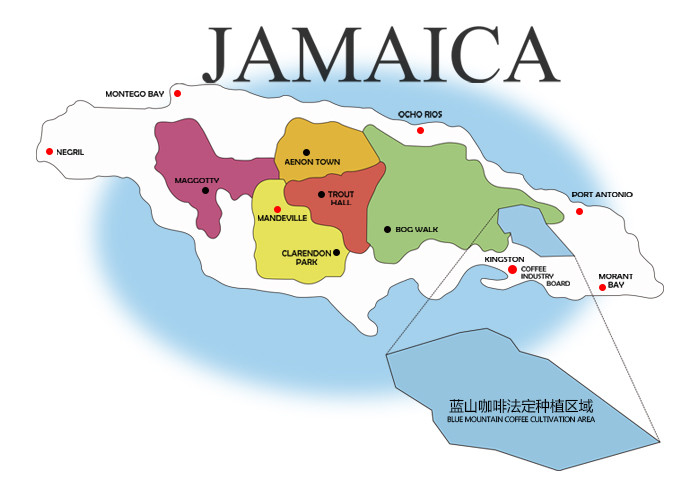
Jamaica's Blue Mountains are the highest terrain in the Caribbean, with a tropical rainforest climate. Annual rainfall during the wet season reaches 1,800-2,000 millimeters. The steep, sloping ground drains well, so the local vegetation is never short of water. The region offers beautiful scenery, excellent air quality, and fertile volcanic soil that grows flavorful crops. Locals interplant coffee trees with banana and avocado trees. The high Blue Mountains are frequently shrouded in cloud and mist, giving the coffee natural shade. To protect the Blue Mountain environment, Jamaican law restricts cultivation to areas below 1,700 meters, and strictly requires that only Arabica coffee grown between 910 and 1,700 meters may be called Jamaica Blue Mountain Coffee. The growing region is divided into four districts—St. Mary, St. Thomas, St. Andrew, and Portland—together covering one-third of the entire Blue Mountain cultivation area.
Unlike many regions that have switched to higher-yield varieties, Blue Mountain has consistently grown the celebrated heirloom variety Typica. After nearly three hundred years of adaptation and propagation, Blue Mountain Typica has not only married into the island's terroir but also evolved stronger disease resistance—most notably far greater resistance to coffee berry disease than typical Typica. FrontStreet Coffee believes the delicate, clean flavor of Blue Mountain is inseparable from Jamaica's dedicated stewardship of Typica. FrontStreet Coffee's Blue Mountain No. 1 comes from Jamaica's historic Clifton Mountain Estate and is traditionally washed.
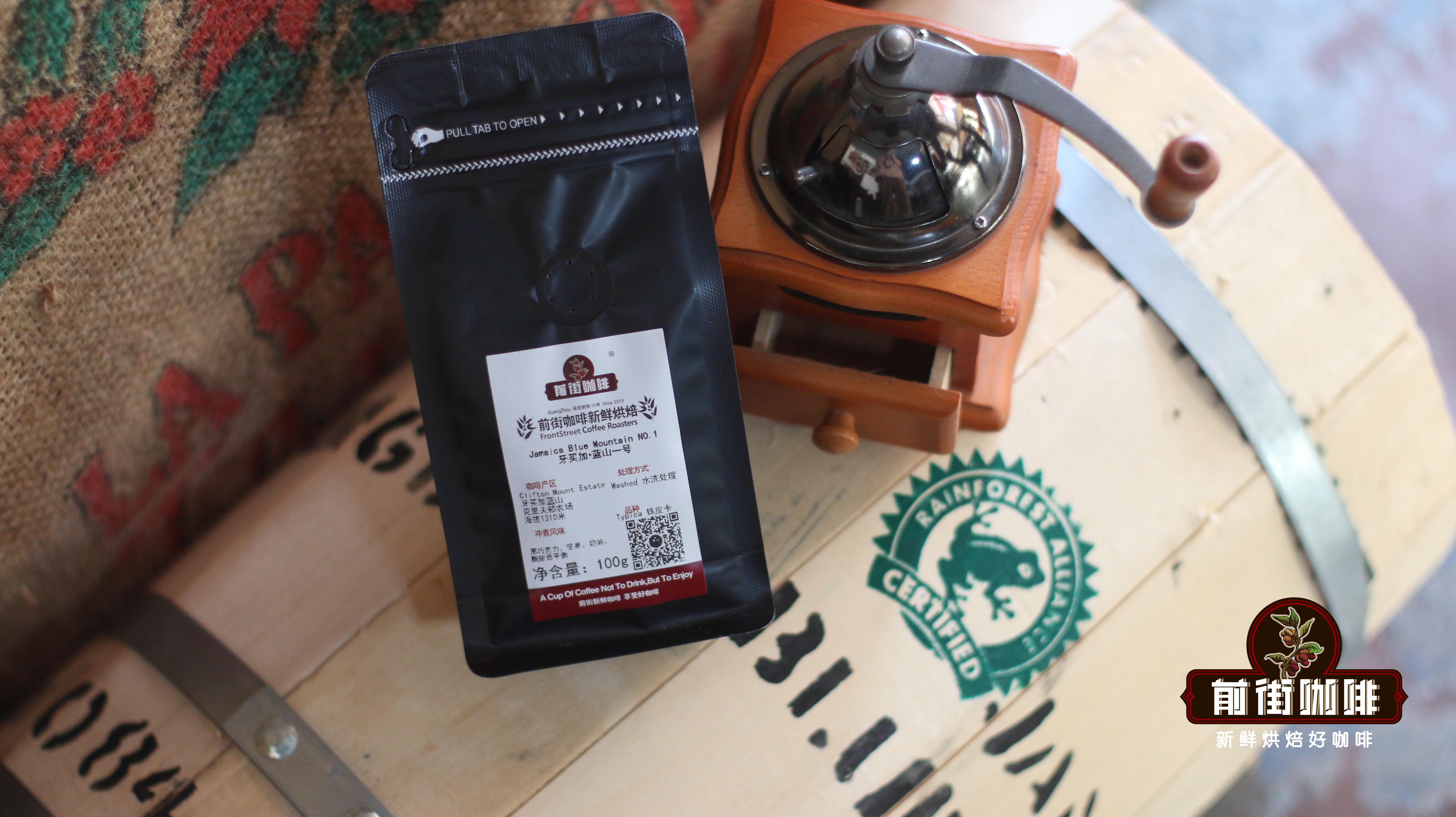
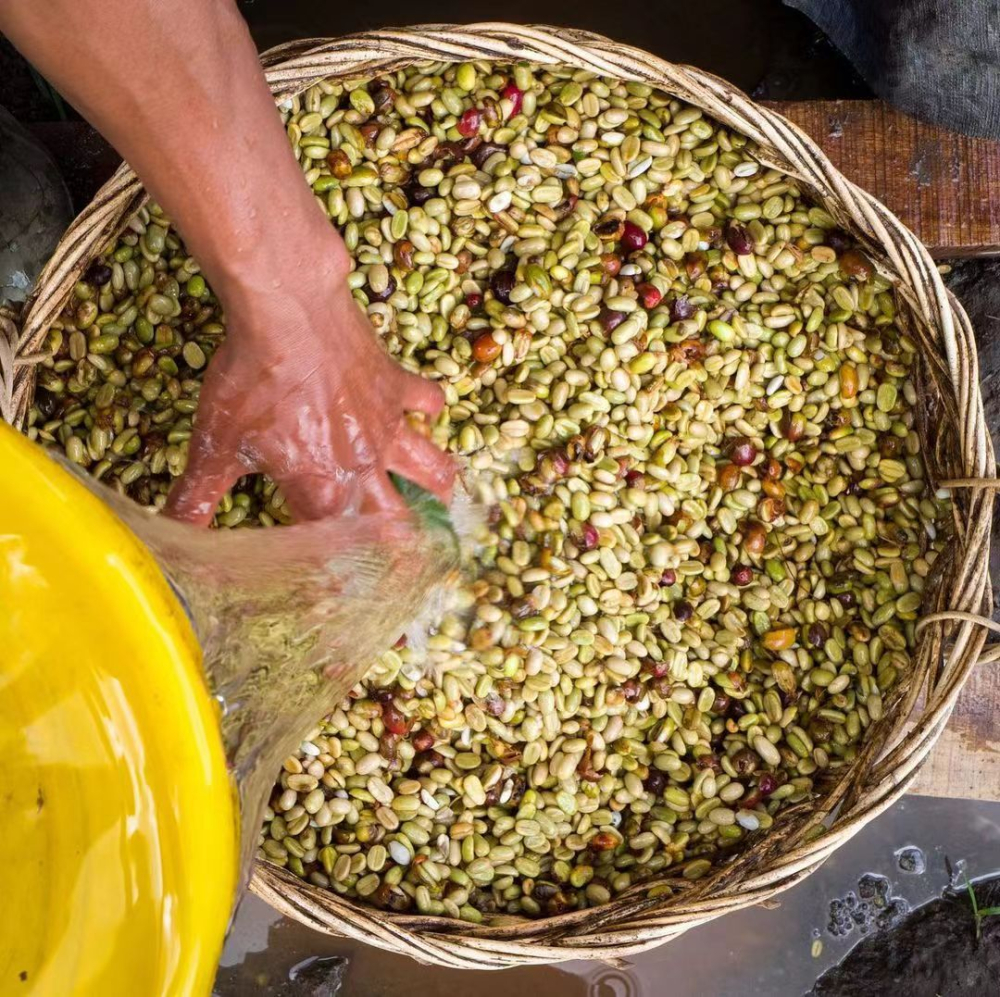
At Clifton Mountain Estate, freshly picked cherries are floated in water tanks, then depulped before the beans ferment. Overnight fermentation produces abundant acids that loosen the mucilage layer from the bean surface. The parchment beans are then sun-dried to the required moisture content, bagged, warehoused, and sent for quality inspection. Washing makes Blue Mountain's inherent flavor cleaner and more transparent, and the quality more stable.
Indonesian Golden Mandheling: From the Mysterious Island of Sumatra
Mandheling comes from Indonesia's mysterious island of Sumatra. Sumatra is divided into eight provinces, but only the highland provinces of Aceh and North Sumatra grow Arabica coffee on a large scale. The island lies in the tropical rainforest belt, where mountain forests are often wrapped in cloud and mist—part of Sumatra's mystique. Locals plant coffee around two great volcanic lakes: Lake Tawar and Lake Toba. The Gayo Mountains around Lake Tawar offer ideal growing conditions, wide adoption of organic cultivation, and a long coffee-growing history, so both quality and yield there are high. Many green coffee merchants prize this region, including the celebrated local Pwani Coffee Company (PWN). The Golden Mandheling on FrontStreet Coffee's menu comes from PWN and uses Indonesia's unique wet-hulled (giling basah) process.
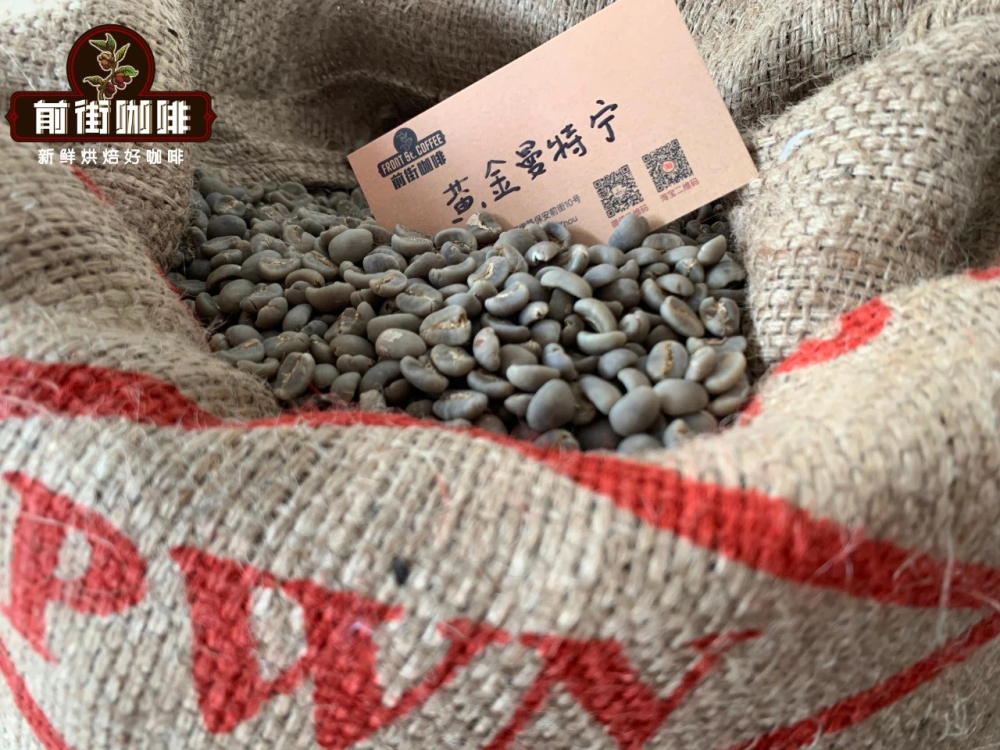
In wet-hulling, the cherry's skin and pulp are removed first, followed by a brief fermentation and initial drying. While the beans are still semi-dry, the parchment layer is hulled off, and drying continues until moisture falls to 12%. Because every step happens in 70-90% humidity, and the protective parchment is stripped away before final drying, the "exposed" green beans readily absorb moisture and microbes from the air, yielding coffee with woody, herbal, and spicy depth—a flavor signature unique to Indonesian growing regions.
Both Blue Mountain No. 1 and Golden Mandheling Are the Highest Local Grades
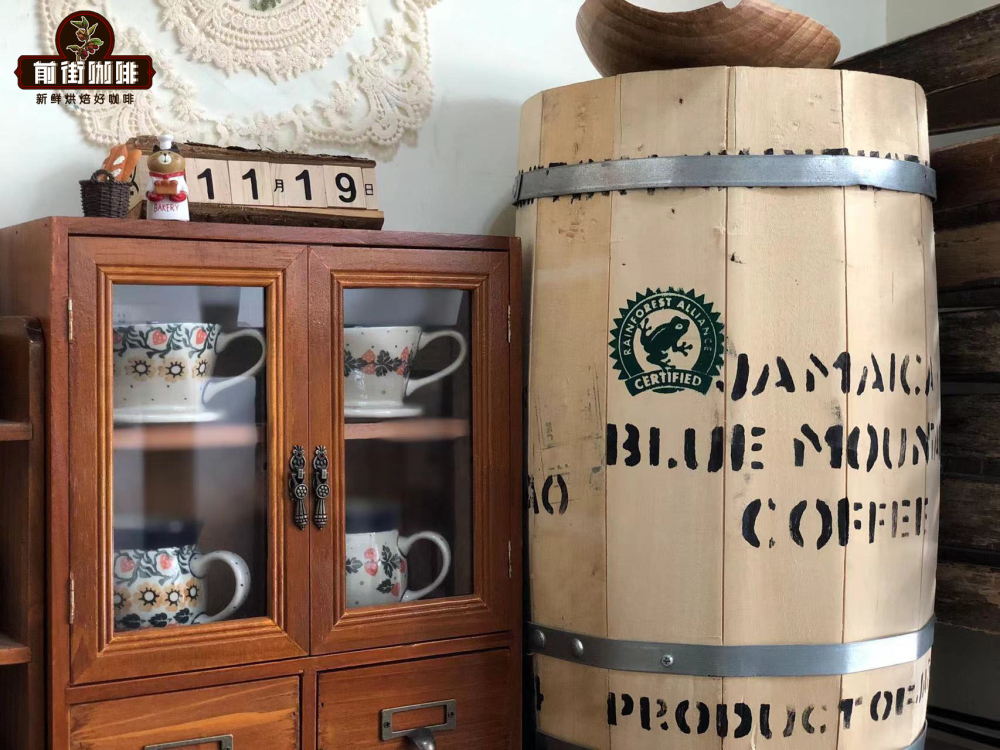
Jamaica grades Blue Mountain green beans on screen size, defect rate, cupping flavor, and other criteria, dividing them into four grades: Blue Mountain No. 1, No. 2, No. 3, and hand-sorted Blue Mountain Peaberry. Blue Mountain No. 1 is the top grade, with green beans at screen size 17 or above and moisture around 10-12.5%. Roasted, it shows a near-perfect balance of acidity, sweetness, bitterness, body, and aroma—an exceptionally precious lot. To protect quality until roasting and keep out moisture in transit, Jamaicans insist on shipping Blue Mountain green beans in handcrafted wooden barrels, which have become one of the trademarks of Jamaica Blue Mountain coffee.
Golden Mandheling, meanwhile, is PWN's exclusive signature product. Because PWN registered the "Golden Mandheling" trademark early on, only Mandheling produced by PWN may carry the name. Its hallmark is multiple rounds of sorting, which keep quality consistently high: PWN buys Mandheling green beans of screen size 18 and above, with fewer than 3 defective beans per 300g sample—meeting G1, the highest Indonesian green-bean grade—then applies a strict regime of 1 machine sort plus 3 manual passes so color, shape, and size are uniform. The result is a cleaner, more transparent cup with fuller body and sweetness.
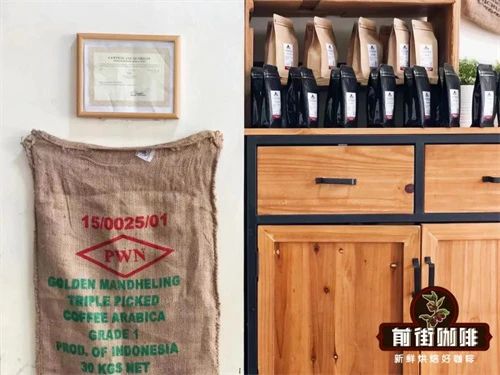
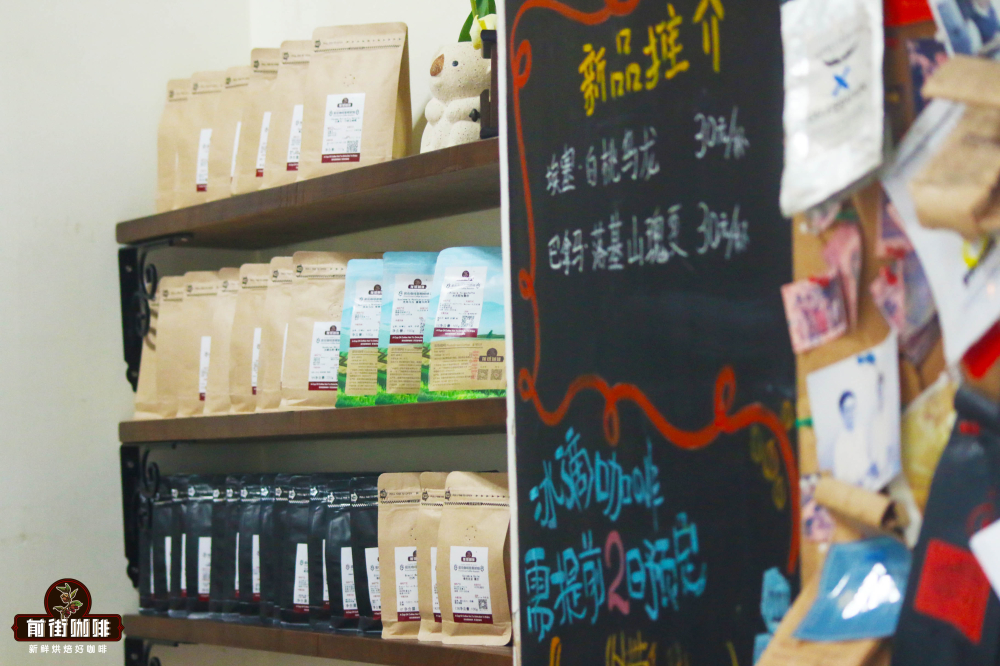
Both of FrontStreet Coffee's coffees ship with their corresponding certificates, and the green-bean barrel and burlap sacks are on display at FrontStreet Coffee's Dongshankou store for everyone to see over a leisurely cup.
Cupping Flavors of Blue Mountain No. 1 and Golden Mandheling
Before launching any coffee, FrontStreet Coffee always evaluates it by cupping. Since both coffees emphasize nutty, rich aromas, FrontStreet Coffee roasts them medium-dark to retain some acidity; because Golden Mandheling's body is more prominent, its roast runs slightly darker than Blue Mountain No. 1.
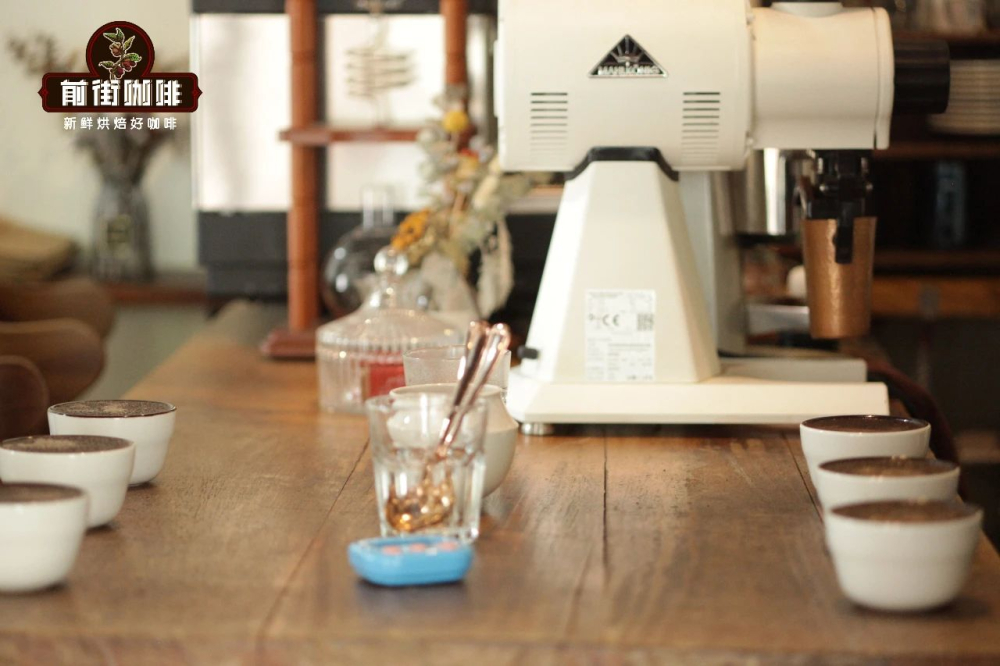
Cupping is the systematic evaluation of a coffee's quality and flavor; standardized procedure lets us identify each bean's strengths, weaknesses, and character as objectively as possible. Through cupping, FrontStreet Coffee found that PWN Golden Mandheling offers not only dark chocolate, nuts, and caramel, but also herbal spice and pine notes, with a dark chocolate aftertaste, a long finish, high clarity, and a gentle fruit acidity as the cup cools.
When FrontStreet Coffee receives Blue Mountain No. 1 green beans, they are uniform, plump, and consistent in size, with an overall translucent blue-green color. After roasting, cupping reveals a dry aroma of nuts, sweet melon, and chocolate; once hot water is added, oolong tea, caramel, honey, and dark chocolate emerge. On the palate: rich dark chocolate, roasted hazelnut, cream, and brown sugar, with clean, clear flavors, full body, and persistent aroma.

FrontStreet Coffee's Brewing Recommendations
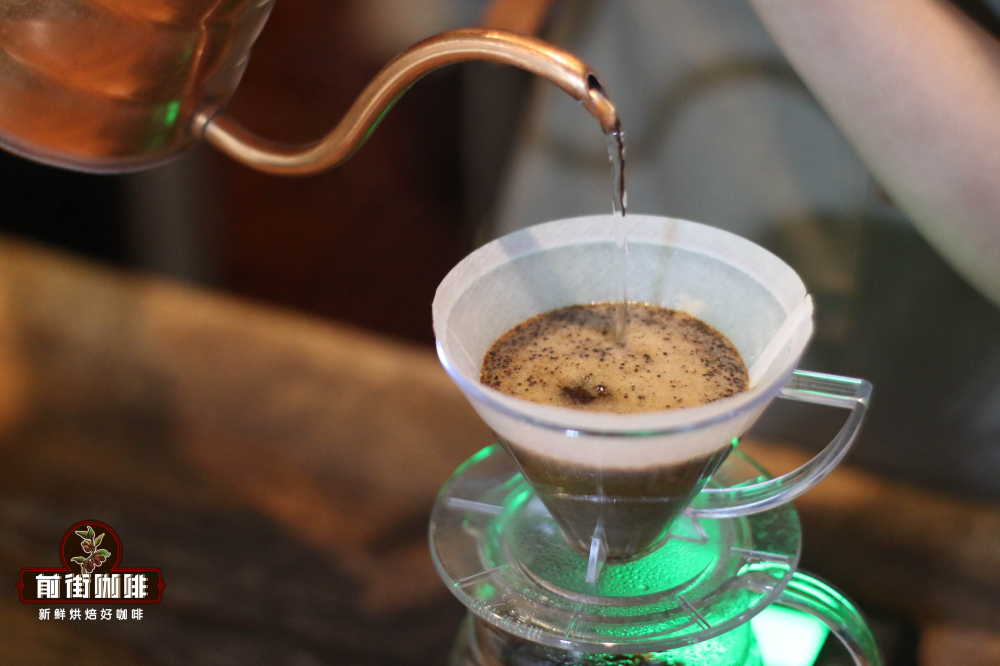
FrontStreet Coffee believes the defining trait of both coffees is body and roundness, so our baristas brew them on the KONO dripper. The KONO has only one ventilation area among its quarter-ribs; when the water level rises above the ribs, the water volume in the dripper keeps growing, building gentle pressure from the water's own weight. The relatively small outlet extends contact time between grounds and water, extracting soluble compounds more effectively and amplifying the coffee's rich, full-bodied character. So that every customer enjoys the full aroma, FrontStreet Coffee only ships beans roasted within the past 5 days, so the complete flavor window opens the moment they arrive.
Filter: KONO
Water Temperature: 87°C
Coffee Dose: 15g
Coffee-to-Water Ratio: 1:15
Grind Size: 70% passing through China standard #20 sieve
Pouring Method: Three-stage pour
First pour 30g of hot water for a 30-second bloom. Then pour in a fine stream from the center, spiraling slowly outward to 125g. When the level drops to just above the coffee bed, spiral up to 225g. Total extraction time is approximately 2 minutes. Swirl gently before tasting.
FrontStreet Coffee Recommendation
If this comparison has you craving Sumatra's heavy, herbal character, FrontStreet Coffee recommends two Mandhelings straight from the source:
FrontStreet PWN Golden Mandheling — the benchmark of top-grade Mandheling, produced by Indonesia's PWN company under exacting standards: only beans of screen size 18 and above, fewer than 3 defects per 300g sample (G1 grade), plus three rounds of manual sorting to eliminate flaws entirely. The payoff is exceptional cleanliness and pronounced sweetness. Medium-dark roasted, it shows rich roasted aromas, a clean cup, and full body—ideal for drinkers who dislike sour coffee. It is best shown off as a pour-over: 87-88°C water, 15g of coffee at a 1:15 ratio, coarse-sugar grind, and a three-stage pour—30g bloom to degas, 100g to lift the bed and bring up the golden foam, then a final gentle 95g center pour to maximize caramel sweetness, chocolate, and nuts.
FrontStreet Lintong Mandheling — from the traditional Lake Toba region of North Sumatra, where the wet-hulled process and local fermentation create the classic wild Mandheling profile: intense aroma, thick body, and bold flavor with clove, woody fragrance, and spice, plus a mint-like coolness and a strong, lasting sweetness. Its low acidity and deep, earthy herbal character make it a favorite of veteran coffee drinkers.
Important Notice :
FrontStreet Coffee is a long-established specialty coffee roaster in Guangzhou China, selling freshly roasted beans from its own farm in Yunnan as well as dozens of carefully selected single-origin beans from around the world for both pour-over and espresso. The products deliver consistently excellent quality and great value, with shipping within 24 hours. Guangzhou's FrontStreet Coffee shop is recommended by many coffee lovers, and the beans are now available online at the Tmall 。
FrontStreet Coffee has moved to a new address:
FrontStreet Coffee Address: 315,Donghua East Road,GuangZhou
Tel:020 38364473
 Scan and follow the En Gafei WeChat official account. Please indicate that the reprint comes from "En Gafei".