Major Coffee Bean Origins Worldwide: An Overview of Famous Coffee Bean Characteristics, Flavor Profiles, Grading, and Roasting Levels by Country

I. Brazil (South America)
Since 1960, Brazil has ranked first in the world for coffee cultivation, with an average annual production of 24.6 million bags (60 kg each). According to the USDA's November 2002 report, Brazil's actual coffee production in 2002 should have been 51.6 million bags.
Brazil is the world's largest coffee exporter. Over the past 40 years, the average annual trade volume of Brazilian coffee beans and instant coffee has been $13.8 billion. In 2002, total world coffee trade was 88.7 million bags, of which Brazil exported 27.99 million bags, a 19.3% increase over 2001, accounting for 30% of world coffee trade and ranking first (second was Vietnam with 12.2 million bags, or 13.7%), up nearly 8 percentage points from 22.3% in 1998. Europe is the largest buyer of Brazilian coffee, purchasing 50% of Brazil's exports. In 2002, coffee exports to EC countries reached $708.7 million, or 52.3%, with most of the remainder going to the United States and Asia. Coffee beans account for 85% of coffee exports.
Brazil's main coffee-producing areas are distributed across Minas, Espírito Santo, São Paulo, Paraná, Rondônia, Bahia, and other states. Brazil currently has 6 billion coffee plants covering approximately 3 million hectares. Minas is Brazil's main coffee-producing region, with 22.71 million bags produced in 2002, accounting for 48% of national production. Espírito Santo is Brazil's main Robusta-producing region and ranks first nationally.
Brazil's main coffee varieties fall into three categories: Robusta, Arabica, and Cereja Descascada (pulped natural). Brazil's share of world pulped natural coffee rose from 19% in 1996 to 25%. Influenced by market prices, Brazil is adjusting its variety structure, reducing Arabica area, expanding Robusta area, and making pulped natural coffee the focus of development, with coffee cultivation extending toward the northeast.
| Product Name | Suitable Roast Level | Flavor Characteristics | Description |
|---|---|---|---|
| Brazilian Coffee | Medium Roast | Mild, balanced acidity and bitterness, gentle aroma | Coffee beans meeting these four conditions are especially praised and widely used: Brazilian, Santos, Quality Type No.2, Screen 18~19, and mild flavor. |
II. Colombia (South America)
In 2002, Colombia's coffee cultivation area was 775,000 hectares, with a production area of 613,000 hectares.
Colombian coffee is exclusively Arabica soft coffee. Colombia is one of the world's most important coffee-exporting countries. According to International Coffee Organization statistics, from 1991 to 1996 Colombia's coffee exports accounted for an average of 17% of total world exports, second only to Brazil (24%). In 2001, global coffee exports totaled 89.7 million bags, with Brazil accounting for 26.2%, Vietnam 15.8%, and Colombia 11.1%.
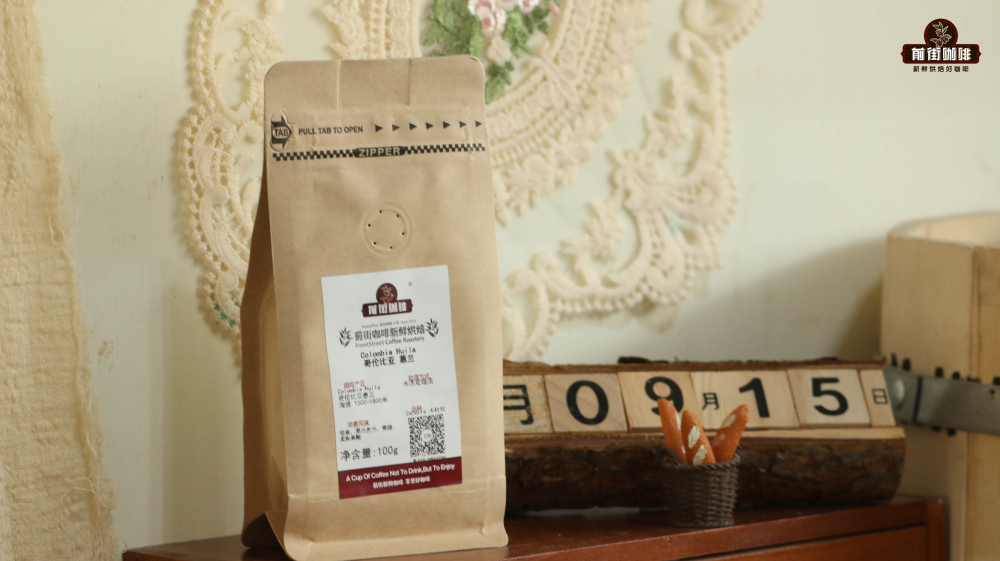
Colombia's main coffee export destinations include the United States, Germany, Japan, Belgium, France, Canada, the Netherlands, Sweden, and Spain. The United States is Colombia's largest export market.
| Product Name | Suitable Roast Level | Flavor Characteristics | Description |
|---|---|---|---|
| Colombian Coffee | Medium to Dark | Rich acidity, bitterness, and sweetness, color like aged wine | The coffee beans have a characteristic full-bodied flavor, making them very suitable whether used as pure coffee or in blends. |
III. Vietnam (Southeast Asia)
French missionaries introduced coffee trees to Vietnam in the early 1860s for cultivation, but it was not until 1990 that Vietnam's coffee production gradually gained a place in the world market. In 2001, global coffee exports totaled 89.7 million bags, with Brazil accounting for 26.2%, Vietnam 15.8%, and Colombia 11.1%. This was the first time Vietnam surpassed Colombia to rank second in the world. Vietnam's beans, however, are mainly inexpensive Robusta, with Robusta the dominant variety. The sharp increase in Vietnam's exports contributed to the decline in international coffee prices.
IV. Indonesia (Southeast Asia)
Indonesia's Arabica coffee currently comes from three producing regions: Sulawesi Island, Sumatra Island, and Java Island. Sumatra is the most productive, renowned for its Arabica coffee with bright acidity and clean fruit aromas.
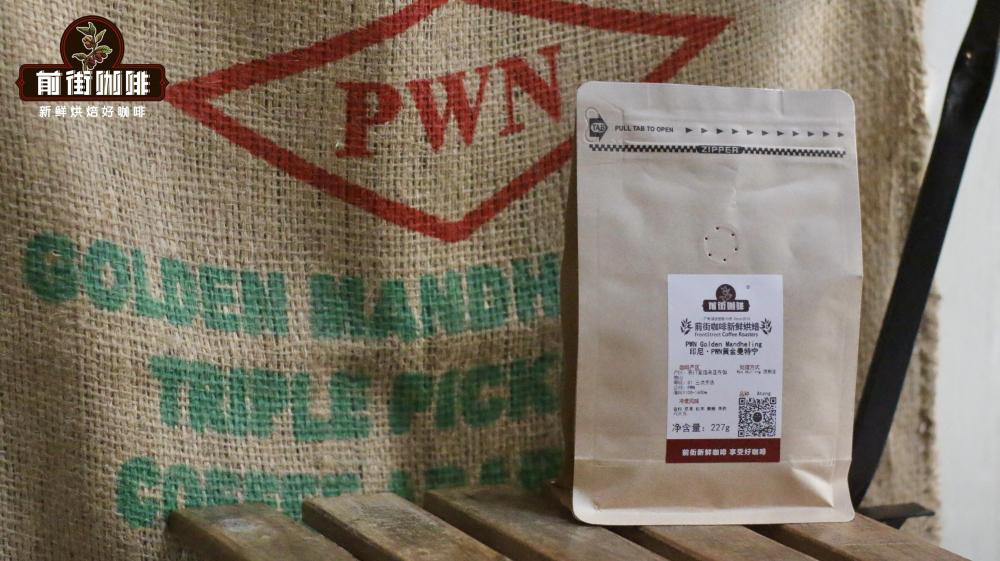
Coffee grown in Sumatra's soils has woody tones and a full-bodied texture, reserved flavors with a lively, moderate acidity, and unique herbal, cedar, cocoa, and fermented-fruit notes. Among these, Sumatra Mandheling is the most classic bean among Indonesia's Arabica varieties, which account for only 25% of production. With its excellent flavor, it is considered the representative of Indonesian specialty coffee.
| Product Name | Suitable Roast Level | Flavor Characteristics | Description |
|---|---|---|---|
| Indonesian Coffee | Dark | Bitter and rich, also sweet | The rich, full-bodied flavor from the East, with a honey-like smooth texture, made it a premium coffee before Blue Mountain appeared, and its unique flavor is still loved by many today. |
V. Mexico (Central America)
Mexico began cultivating coffee in the late 18th century. Its production areas are concentrated in the southern regions near Guatemala, where mountain ranges running along both the east and west sides create slopes that provide ideal terrain for coffee cultivation. Significant export quantities were not reached until 1870. The largest export destination for Mexican coffee beans is the United States.
| Product Name | Suitable Roast Level | Flavor Characteristics | Description |
|---|---|---|---|
| Mexican Coffee | Medium to Dark | Vibrant acidity and sweetness, rich aroma | Especially the wet-processed coffee beans from highland regions, which have excellent aroma and acidity. |
VI. Guatemala (Central America)
Few places in the world offer the variety of high-quality coffee beans that Guatemala produces. The excellent quality of Guatemalan beans comes from the unique conditions of their origins, including varying climate changes in each region, fertile volcanic soil, abundant natural water resources, high-altitude mountains, and shady, humid forests.
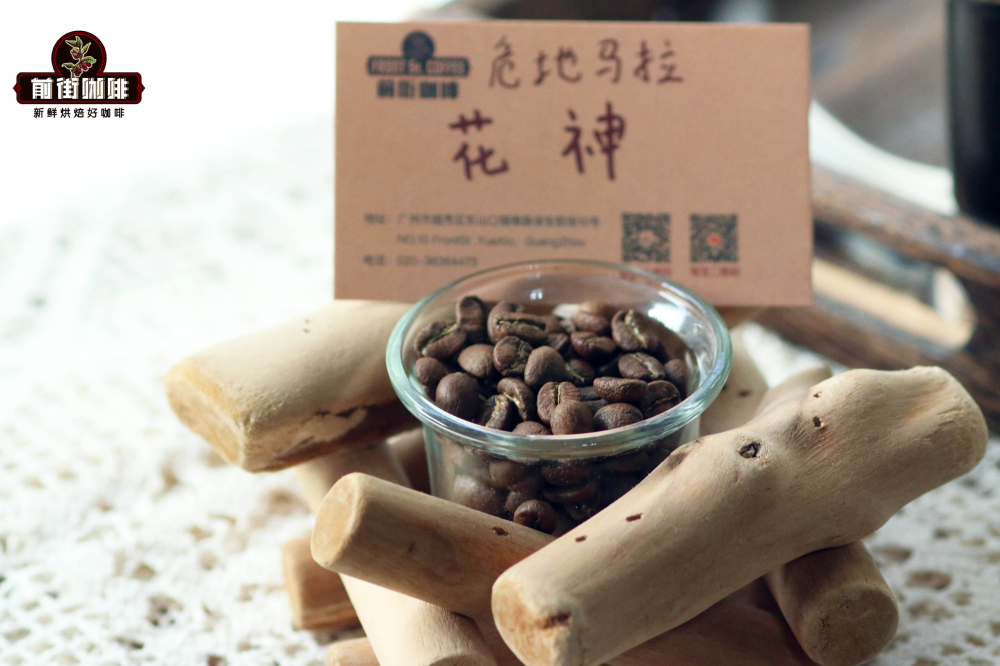
Guatemala has seven main coffee-producing regions: Antigua, Coban, Atitlan, Huehuetenango, Fraijanes, Oriente, and San Marcos. Each region's beans have their own character, earning Guatemala considerable international acclaim. Antigua especially - its acidity, sweetness, and body are perfectly harmonious, with a hint of smokiness that deepens its mystery. After tasting it, you will have reason not to look elsewhere.
Guatemalan beans are mostly grown in high-altitude volcanic areas and are of the highest-grade Arabica variety. Because of longer maturation periods, the beans are medium-sized and dense (Guatemalan coffee grading is based on defect count rather than size). The beans are a deep bluish-green. Their characteristics are fragrance, body, sweetness, and a unique refreshing acidity, since the coffee's aroma and flavor are hidden within its acidity. Only beans with these characteristics can be called premium.
| Product Name | Suitable Roast Level | Flavor Characteristics | Description |
|---|---|---|---|
| Guatemalan Coffee | Dark | Bitter and aromatic, excellent texture | Highland coffee is aromatic with good acidity and highly praised, making it the best material for blended coffee. |
VII. El Salvador (Central America)
Geographically, El Salvador borders Honduras, Guatemala, and the North Pacific Ocean, and features beautiful natural scenery and breathtaking volcanic clusters. Its terrain consists of highlands with an average elevation of 650 meters, distributed between two parallel mountain ranges (one parallel to the Pacific coast, the other at the Honduras border). This unique geography creates five different natural ecosystems within the country. Whether you consider soil, climate latitude, or extensive natural shade, El Salvador is clearly very suitable for growing high-quality Arabica coffee. In fact, since the 19th century, coffee has been one of the country's most important economic products.

Excellent El Salvador coffee has bright but non-aggressive flavors, a refreshing mouthfeel at light-medium roast levels, balanced flavors, and occasional plum and spice notes. The mouthfeel is generally fuller than neighboring Costa Rican coffee. Dark-roasted El Salvador coffee often shows fascinating rich chocolate flavors. Notably, most El Salvador coffee is organic. While El Salvador still produces large quantities of low-altitude, low-price beans, estate-level specialty coffee is increasingly available.
| Product Name | Suitable Roast Level | Flavor Characteristics | Description |
|---|---|---|---|
| Salvadoran Coffee | Medium to Dark | Moderate acidity, bitterness, and sweetness | High-altitude varieties are uniformly large-sized coffee beans with a rich, mild flavor. |
VIII. Honduras (Central America)
Coffee beans are also classified by altitude, with wet-processed beans from mountainous areas being better and lowland beans slightly inferior. Famous origins include Santa Bárbara, Gracias, and Comayagua in the east, and Choluteca near Nicaragua.
| Product Name | Suitable Roast Level | Flavor Characteristics | Description |
|---|---|---|---|
| Honduran Coffee | Medium to Dark | Acidic with slight sweetness | Generally medium to large-sized beans with a balanced, unbiased flavor. |
IX. Costa Rica (Central America)
Costa Rica lies on the low-latitude volcanic belt of Central America, with the Central Plateau and mountainous regions at elevations of 800-2000 meters suitable for coffee cultivation. Costa Rican coffee has always been famous for its extremely balanced, clean, and bright flavors with berry-like fruit acidity. Excellent Costa Rican coffee reveals spice and cocoa flavors in the finish.
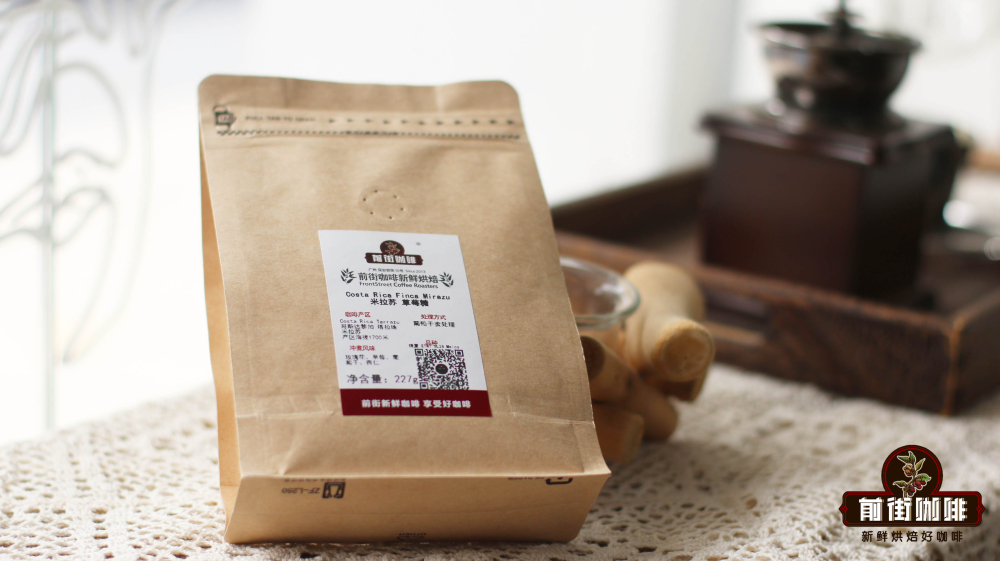
The country's most famous growing region is Tarrazú, near the capital, San José. Tarrazú has the highest average elevation along with excellent climate and soil, making it the most famous and generally recognized best coffee-producing region in Costa Rica. Tres Rios is a famous sub-region within Tarrazú. The most famous Costa Rican single-origin coffee in the specialty coffee world is La Minita estate in the Tarrazú region, with an annual production of only 160,000 pounds.
| Product Name | Suitable Roast Level | Flavor Characteristics | Description |
|---|---|---|---|
| Costa Rican Coffee | Medium | Moderate acidity and aromatic body | The coffee beans are large-sized, especially those from highland areas along the Pacific coast, which are considered superior. |
X. Cuba (West Indies)
Cuba is famous for cigars and coffee. Coffee was introduced by the French from Haiti in the mid-18th century. Cuban coffee grades are classified by bean size into three categories: ETL (Extra), TL (Standard), and AL (Ordinary).
| Product Name | Suitable Roast Level | Flavor Characteristics | Description |
|---|---|---|---|
| Cuba Cristobal Mountain | Medium | Stable flavor, balanced acidity, bitterness, and sweetness | The coffee beans are medium to large-sized. "Cristobal Mountain" especially is Cuba's proudest high-quality large premium coffee bean. |
XI. Jamaica (West Indies)
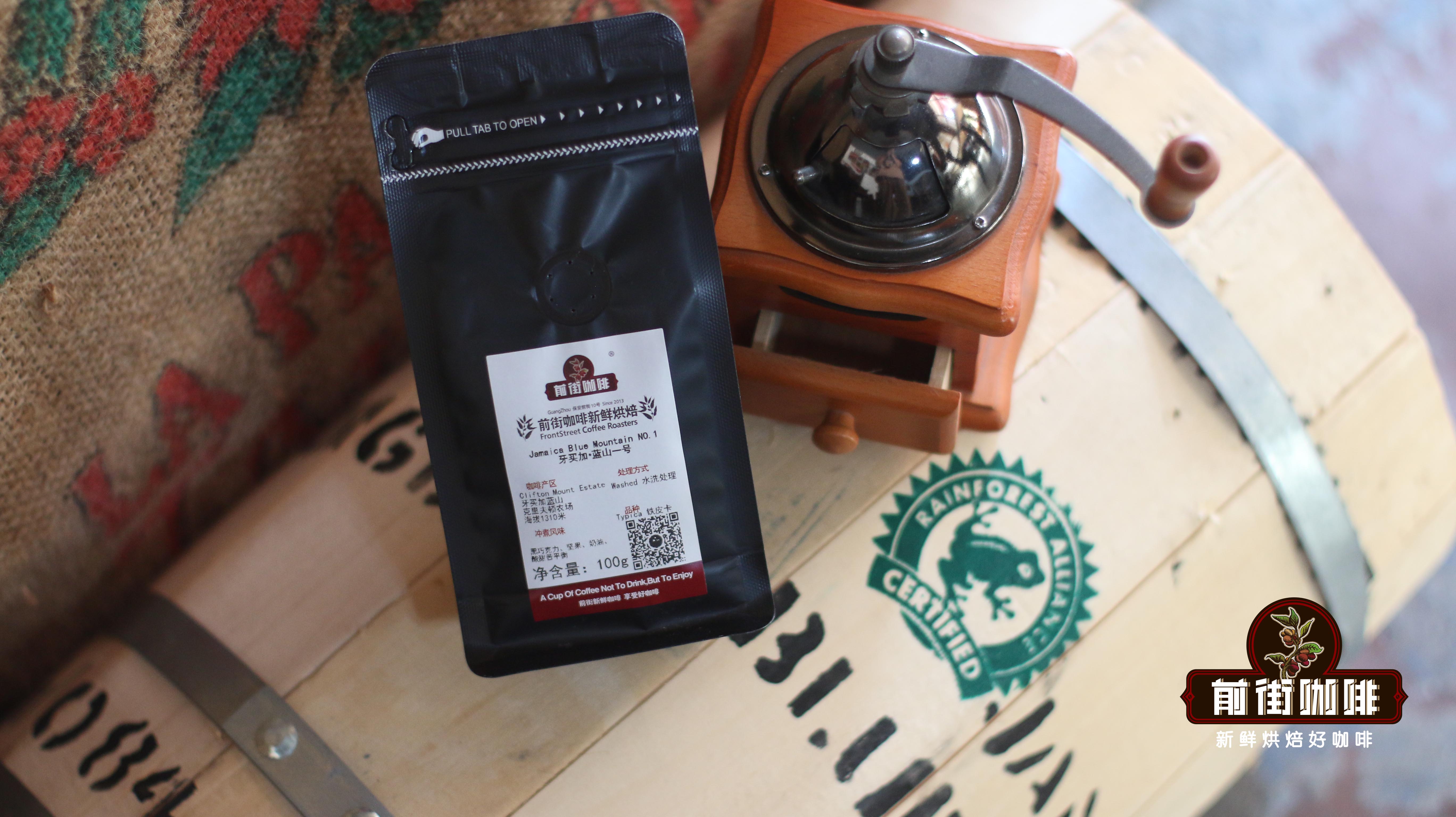
Coffee from Jamaica's Blue Mountain region has three grades: Blue Mountain Coffee, Jamaica High Mountain Supreme Coffee Beans, and Jamaica Prime Coffee Beans. Blue Mountain Coffee and High Mountain Coffee are each further divided into two grades. Ranked by quality from top to bottom: Blue Mountain No.1, Blue Mountain No.2, High Mountain No.1, High Mountain No.2, and Jamaica Prime Coffee.

Ranked by quality from top to bottom: NO.1, NO.2, NO.3, and PB, where PB stands for Peaberry. According to CIB standards, the basic criteria for NO.1 Blue Mountain green beans include beans above 17 screen, a defect rate below 3%, and a moisture content of around 13%.
| Product Name | Suitable Roast Level | Flavor Characteristics | Description |
|---|---|---|---|
| Jamaican Coffee | Light to Medium | Consistent acidity, bitterness, and sweetness, excellent aroma | Among these, "Blue Mountain" has very balanced flavor, aroma, body, and acidity, known as the premium among coffees with high recognition. |
XII. Kenya (Africa)
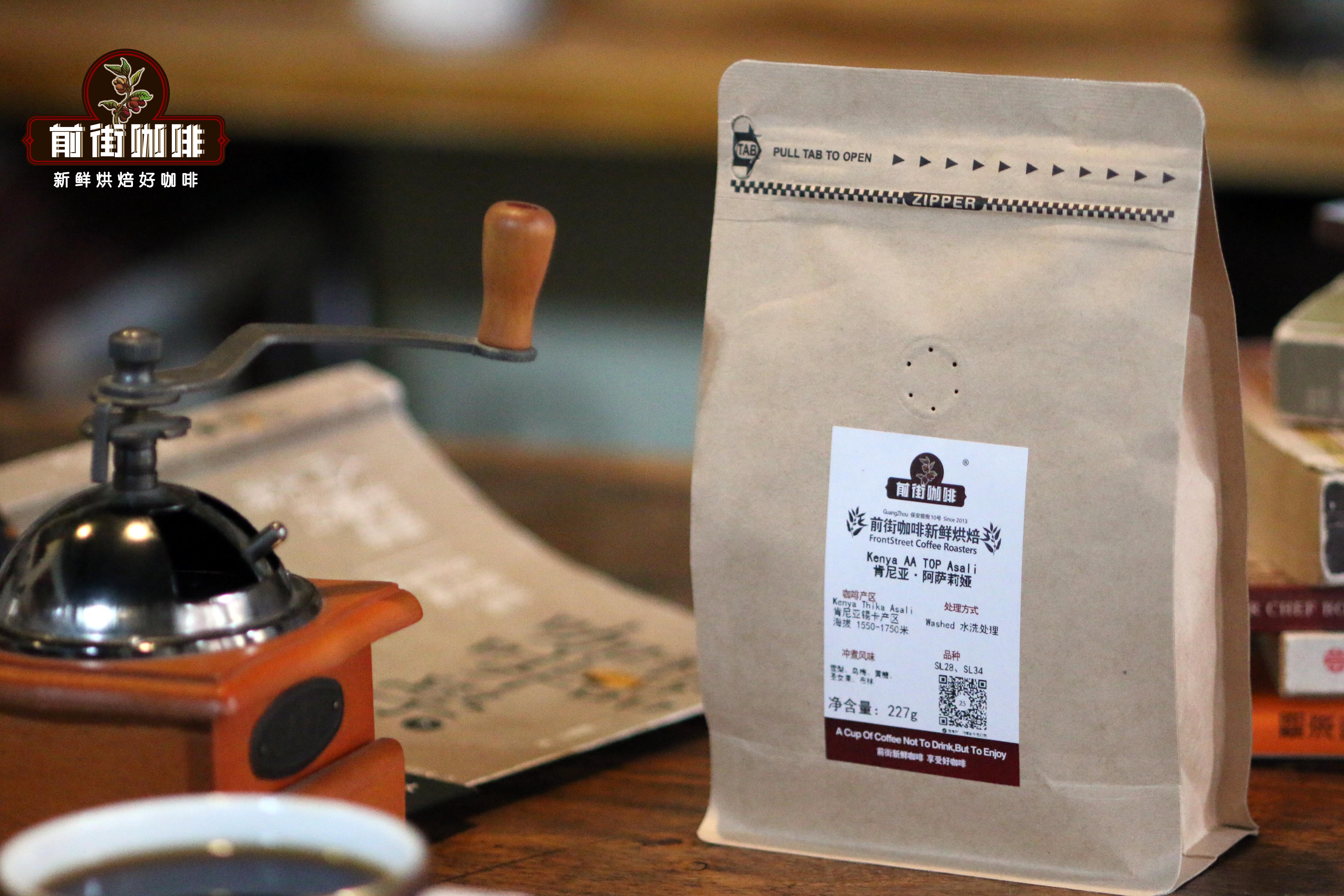
Kenya, located in East Africa under the equator, grows high-quality Arabica coffee beans. The Mocha variety of small beans introduced from Bourbon Island has unique flavors, is suitable for blending, and is highly acclaimed.
| Product Name | Suitable Roast Level | Flavor Characteristics | Description |
|---|---|---|---|
| Kenyan Coffee | Dark | Strong acidity and aromatic, German favorite | In terms of flavor, "Kenya AA" is particularly highly acclaimed. |
XIII. Tanzania (Africa)
Tanzania, neighboring famous coffee-producing countries such as Kenya, relies on coffee exports for an important share of its economy. Tanzanian coffee typically has an aromatic, slightly fruity acidity and rich, refreshing character. The famous producing region is the Kilimanjaro Mountain area in the northwest. Tanzania's coffee production consists of 75% Arabica and 25% Robusta.

Tanzania produces many small beans (also called Peaberry), which are usually screened out after harvest by vibrating automatic machines for their round appearance and sold at higher prices to the international specialty coffee market, popular among North American and European buyers. Because of their shape and internal density, peaberries heat up faster than flat beans during roasting, making roast control relatively more important; they suit light to medium roasting.
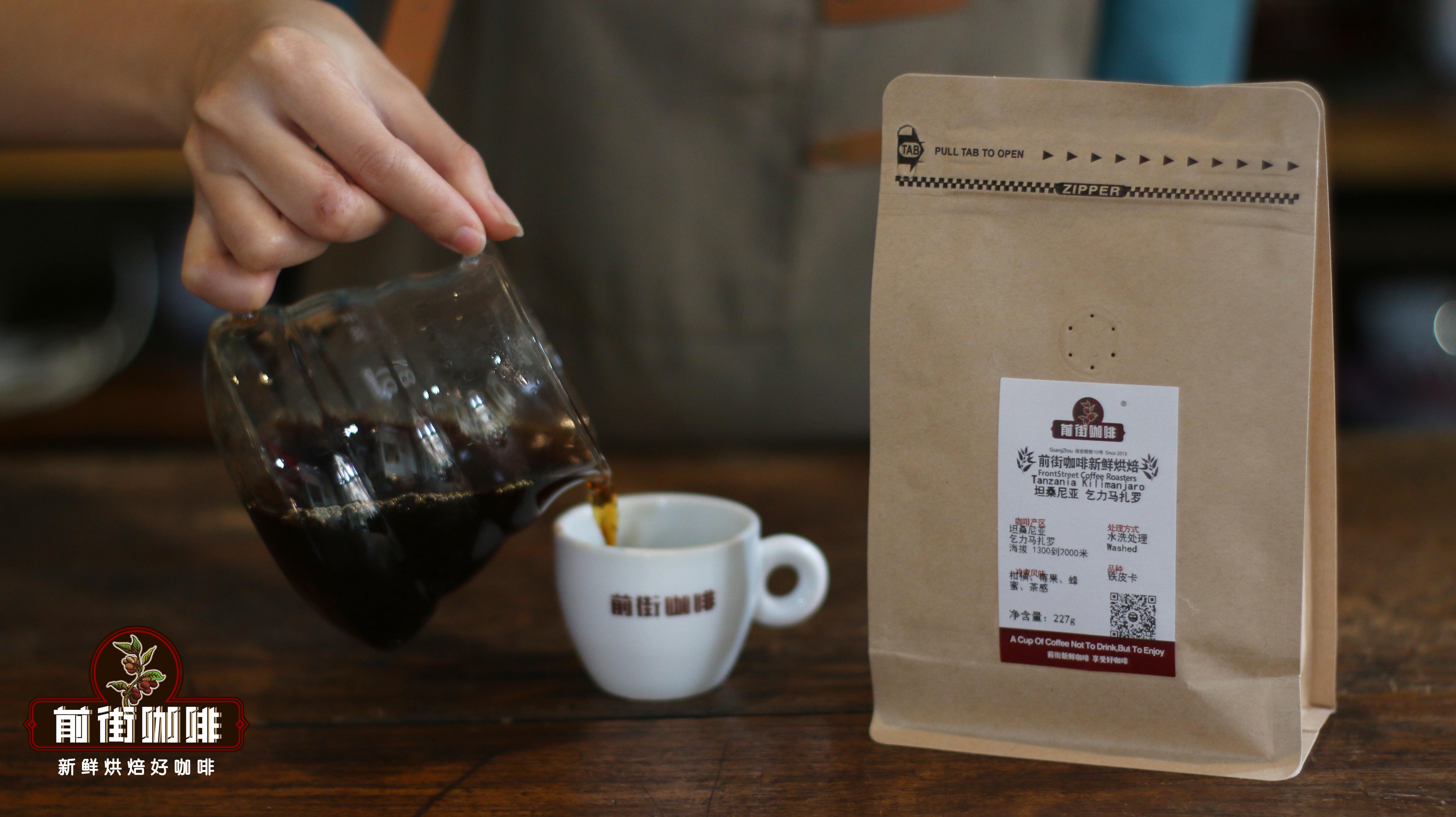
At lighter roast levels (City), it is aromatic and refreshing, with flavors similar to Kenya - bright and prominent with sweetness, suitable as a single origin to appreciate its natural aroma directly. At darker roast levels (Full City), the acidity drops to very weak while sweetness becomes very prominent, making it a good choice for espresso blends. Tanzanian coffee has a more prominent aroma than typical beans, with a unique delicate, rich texture and nut and chocolate aromas blended with rich fruit notes, offering endless variations worth tasting.
Kilimanjaro coffee is produced at the foot of Africa's highest peak - Mount Kilimanjaro - and is the king of Tanzanian coffee.
| Product Name | Suitable Roast Level | Flavor Characteristics | Description |
|---|---|---|---|
| Kilimanjaro Coffee | Medium to Dark | Moderate acidity, elegant and sweet flavor | The Arabica coffee beans produced, especially AA grade (large beans), are the finest premium quality. |
XIV. Ethiopia (Africa)
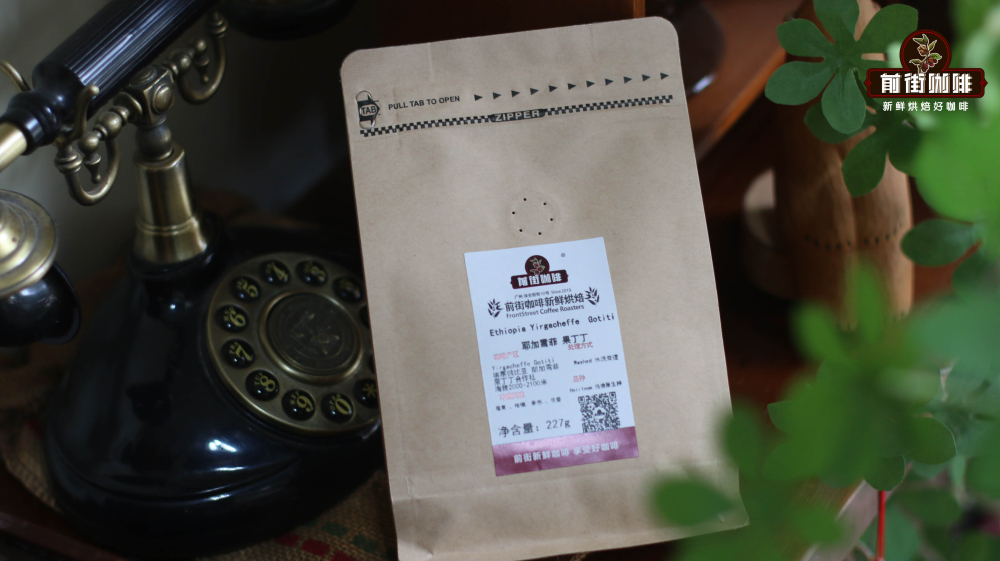
Ethiopia is an agricultural country whose history and traditions can be called the origin of coffee. Kafa in the southwest is considered the origin of the name "coffee," while Sidamo and Yirgacheffe in the south are the main producing regions.
| Product Name | Suitable Roast Level | Flavor Characteristics | Description |
|---|---|---|---|
| Ethiopian Coffee | Medium to Dark | Excellent aroma and acidity, wet-processed coffee has strong acidity | Small beans with rich aroma, and special names like "Harrar Mocha" and "Longberry" have unique flavors, usually simply called "Mocha." |
XV. Yemen (Asia)
Yemen is the birthplace of Arabica coffee. Yemen's Mocha coffee was once all the rage. Yemen grows coffee at elevations of 1500-2500 meters. The cultivation altitude of Yemen coffee determines its excellent quality.
| Product Name | Suitable Roast Level | Flavor Characteristics | Description |
|---|---|---|---|
| Yemeni Coffee | Medium to Dark | Slightly acidic with strong aftertaste, also sweet | Along with Brazilian and Colombian coffee, it is one of the "three musketeers" selected for blended coffee. |
XVI. Hawaii (America)
This is the representative of Hawaiian coffee, belonging to the Arabica variety. Due to climatic influences, Kona coffee beans contain rich floral notes and a special flavor similar to nuts and cinnamon that other coffees lack. It is one of the world's best coffees, with an annual production of 2 million pounds. All coffee from the U.S. mainland comes from Hawaii.

| Product Name | Suitable Roast Level | Flavor Characteristics | Description |
|---|---|---|---|
| Hawaiian Kona Coffee | Medium to Dark | Smooth texture and moderate acidity, often mixed with other spices for special flavors | What coffee enthusiasts know as "Old Kona" is coffee that has been tempered by time to become a mellow coffee. |
FrontStreet Coffee Recommendation
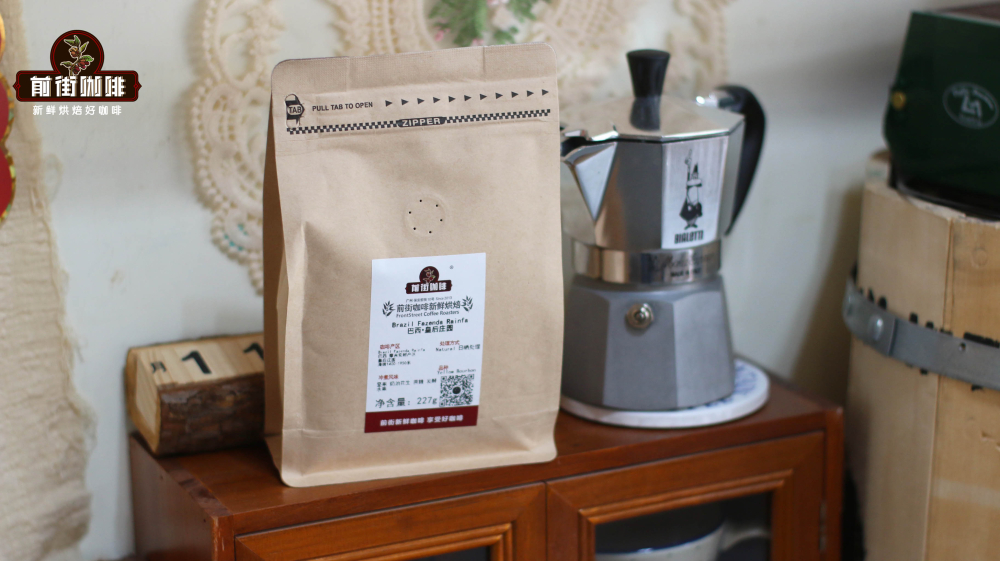
With so many origins in one article, the easiest way to taste the differences is to compare a few benchmark single origins from FrontStreet Coffee. FrontStreet Brazil Cerrado Red Bourbon, a classic Brazilian single origin from the well-known Cerrado region, is low in acid with creamy peanut, toasted-bread, caramel, and hazelnut aromas and a rounded, slightly bittersweet body; it suits pour-over, moka pot, espresso SOE, siphon, and French press. FrontStreet Brazil Queen Estate, a rare Yellow Bourbon from Mogiana, adds the clean sugarcane sweetness, fruit, and chocolate notes that other regions rarely give. For the classic "low-acid, balanced, nutty-cocoa" Brazilian profile, FrontStreet Classic Blend, FrontStreet Specialty Blend, and FrontStreet Black Cocoa Blend all rely on Brazilian beans for their chocolate and creamy aromas and their gentle sweet-acid balance, which also keeps extraction stable. Among FrontStreet Coffee's espresso blends, the Classic Blend brings outstanding crema, the Specialty Blend leads with nutty flavor, FrontStreet Coffee's Black Cocoa Blend is balanced and widely recommended by baristas, and FrontStreet Coffee's Commercial Blend is built for cafe use - and the Brazilian component in each is what supplies the soft sweet-bitter balance that holds the cup together.
Important Notice :
FrontStreet Coffee is a long-established specialty coffee roaster in Guangzhou China, selling freshly roasted beans from its own farm in Yunnan as well as dozens of carefully selected single-origin beans from around the world for both pour-over and espresso. The products deliver consistently excellent quality and great value, with shipping within 24 hours. Guangzhou's FrontStreet Coffee shop is recommended by many coffee lovers, and the beans are now available online at the Tmall 。
FrontStreet Coffee has moved to a new address:
FrontStreet Coffee Address: 315,Donghua East Road,GuangZhou
Tel:020 38364473
 Scan and follow the En Gafei WeChat official account. Please indicate that the reprint comes from "En Gafei".