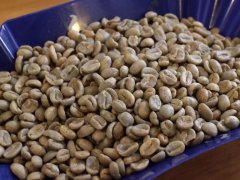
World's Top 10 Coffee Producing Countries: Ranking and Flavor Characteristics
Top 10 Representative Coffee Growing Regions Recommended by FrontStreet Coffee
Coffee may be one of the world's three great beverages, but growing it is no easy feat. Coffee trees must be cultivated near the equator, between roughly 15-25 degrees north and south latitude, and they demand high altitude, a cool climate, and abundant rainfall—a genuinely fussy crop. Only about 50 countries in the world can grow coffee, yet the variety among them is enormous. Since flavor, quality, and mouthfeel differ so much from one origin to the next—which country makes the best coffee? Here are FrontStreet Coffee's ten representative regions and their signature beans.
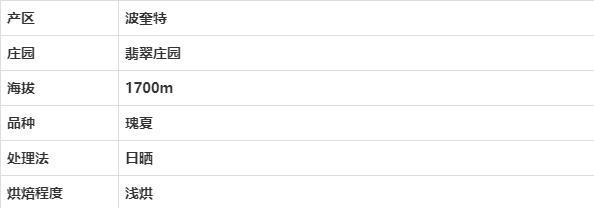

1. FrontStreet Coffee Panama La Esmeralda Geisha
Panama's La Esmeralda stunned the coffee world by winning the 2004 Best of Panama competition, with its green beans trading at a record $21 per pound. La Esmeralda Geisha offers floral and citrus flavors with a silky mouthfeel, sold in three tiers: Red Label, Filter Cup ("Cuchilla" tier), and Blue Label!
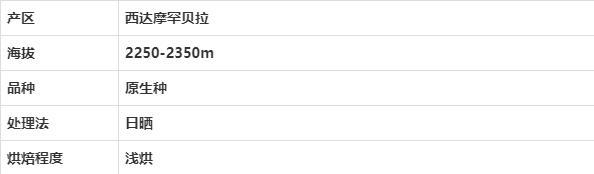

2. FrontStreet Coffee Sidamo Hua Kui ("Hana Gu")
This bean comes from the Sidamo region. In 2014, the DW green coffee company entered this naturally processed batch in the TOH competition, and the natural took the championship. The lot was named "Hua Kui" (Flower Champion) in honor of the victory. Expect tropical fruit and passion fruit with high sweetness.
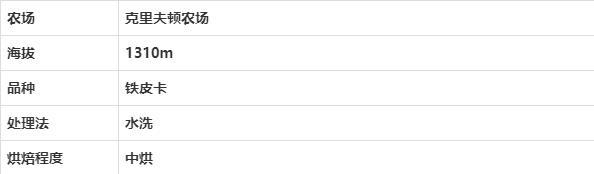

3. FrontStreet Coffee Jamaica Blue Mountain
Jamaica Blue Mountain must be grown in the country's designated coffee zones at altitudes of 3,000-5,500 feet, screened to official grade requirements—only lots that pass the official inspection become genuine Blue Mountain. The cup is a model balance of acidity, sweetness, and bitterness.
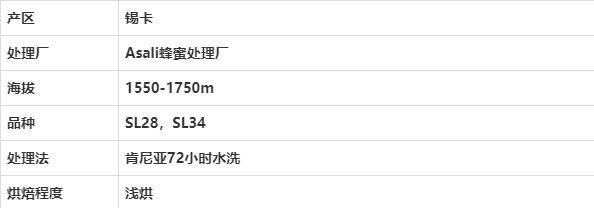

4. FrontStreet Coffee Kenya Assalia
The Assalia factory—also known as the Honey Processing Plant—sits in the Thika region of the Aberdare range in the Great Rift Valley. Its washed coffee shows very bright acidity, distinct berry aromas, and a rich acidic fragrance.
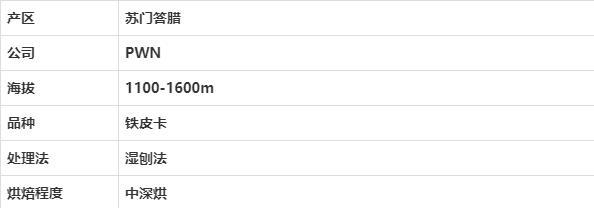

5. FrontStreet Coffee Golden Mandheling
A famous name from Sumatra, Indonesia. PWN acquires the green coffee and runs three rounds of manual selection, keeping only uniformly plump beans with a defect rate below 3%—only coffee from this company may truly be called Golden Mandheling. The cup is mellow and rich, with caramel and dark chocolate.
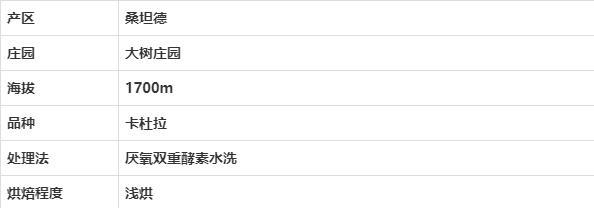

6. FrontStreet Coffee Colombia Rose Valley
Big Tree Estate is located in Colombia's Santander region, and its owner has more than 20 years of coffee cultivation experience. For Rose Valley, coffee cherries are sealed in barrels with enzyme cultures for fermentation, then slow-dried. The result: rose, strawberry jam, and wine-infused chocolate.
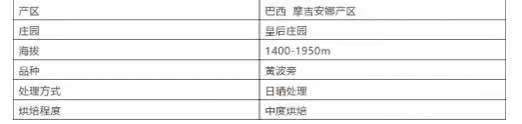

7. FrontStreet Coffee Brazil Queen Estate
Queen Estate won the 2011 Cup of Excellence. Its Yellow Bourbon is a recessive-gene mutation of the Bourbon variety, named for the golden cherries. Expect nutty, roasted-peanut flavors in a balanced cup.
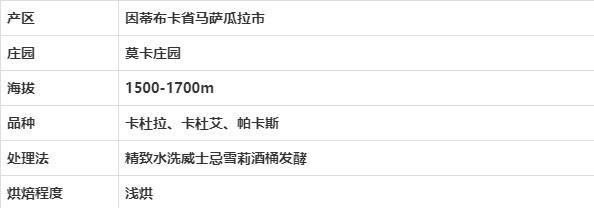

8. FrontStreet Coffee Honduras Sherry
A breakout hit in 2019: washed coffee rested in whiskey oak barrels for 30-40 days of low-temperature fermentation at 15-20°C, then sun-dried. Flavors of whiskey-laced chocolate, vanilla cream, and barrel spirit.
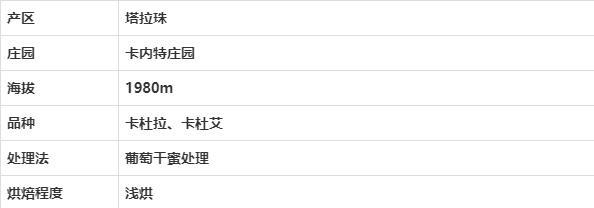

9. FrontStreet Coffee Costa Rica Musician Series
Named after four famous musicians, this series from Costa Rica's Canet Estate uses the raisin honey process, delivering a balanced sweet-tart cup with floral and berry notes.
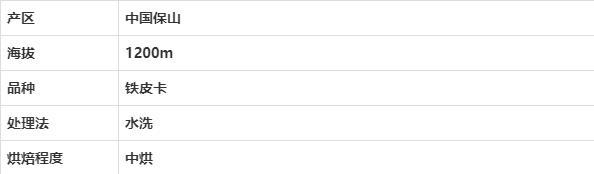

10. FrontStreet 2013 Yunnan Natural Typica
FrontStreet 2013 is a naturally sun-dried Typica grown on FrontStreet Coffee's own estate in Lincang, Yunnan. Selected from the elegant Typica variety and dried in the fruit to build sweetness.
FrontStreet Coffee Recommendation
Which Geisha Is Which?
Geisha is beloved for its floral character and superb sweet-tart finish, but low yields and fussy cultivation keep prices high. Knowing the product lines helps you find value:
Esmeralda Red and Green Label: Red Label ("Esmeralda Special") grows at 1,600-1,800 m, must cup above 90 points per lot, and each numbered lot comes from a single small plot—FrontStreet's Red Label comes from the Jaramillo block. Green Label ("Private Collection") blends batches from multiple plots to express the estate's signature high-altitude Geisha at a friendlier price—arguably the best value in the lineup. For a first taste of "the Geisha flavor," the entry-level FrontStreet Boquete Geisha delivers the classic orange-blossom honey note, oolong-tea texture, and fine fruit acidity at an approachable price.
Gesha Village Gold and Red Label: near the original Gesha forest in Ethiopia, Gesha Village grows three varieties—Gori Gesha, Gesha 1931, and Illubabor Forest—and grades them into Gold (Rarities), Red (Growers Reserve), Green (Single Terroir), and Chaka tiers. The Gold Label is Gesha 1931, just 10% of production and a favorite of competition baristas; FrontStreet's Gold lot is an elaborate natural of great complexity. The Red Label is Gori Gesha, 15% of production, scoring 88+ on the SCA scale, fully traceable by farm block, variety, and processing date.
Grana Gesha: from the Grana processing station, founded in 2014 and run by Israel Degefa, where coffee covers some 700 hectares of mostly untilled, fertile, shaded land. Fully ripe cherries are hand-picked and raised-bed sun-dried for 14-20 days depending on weather. Medium-light roasted, it shows bright citrus, elegant ginger-flower aroma, ripe fruit sweetness, and a silky, precise Geisha finish.
Brewing Geisha
Geisha is a medium-light, floral-fruit coffee with hard, dense beans that tend to sink and clog the dripper, so grind coarser—about 78% pass-through on the Chinese #20 sieve (fine-sugar texture)—and use 91°C water. FrontStreet brews 15 g on a small Hario V60 at 1:16 in three stages: bloom with 30 g for 30 seconds, pour to 125 g, pause, then finish at 225 g, for a total extraction of about 2:10-2:20.
Geisha also makes a striking single-origin espresso (SOE). Use the medium-roast Grana Estate Geisha SOE: 20 g in, a 1:2 ratio, 25 seconds, yielding 40 g. Add 200 g of hot water at 1:5 for a SOE Americano with orange, nut, and blueberry notes, or 200 g of milk for a latte with a buttery-cookie silkiness.
For a budget-friendly alternative, FrontStreet Strawberry Candy blends Costa Rican honey-process coffee with Panama Geisha—fine florals plus sweet fruit, equally good as pour-over, moka pot, espresso, or cold brew. For cold brew: grind 30 g to fine sugar (EK43s at 9, or C40 at 24), add 360 g of room-temperature water at 1:12, steep refrigerated for 8 hours, filter, then rest the finished brew 3 more hours in the fridge—grape juice, rose, sweet orange, and a fruit-wine touch.
Important Notice :
FrontStreet Coffee is a long-established specialty coffee roaster in Guangzhou China, selling freshly roasted beans from its own farm in Yunnan as well as dozens of carefully selected single-origin beans from around the world for both pour-over and espresso. The products deliver consistently excellent quality and great value, with shipping within 24 hours. Guangzhou's FrontStreet Coffee shop is recommended by many coffee lovers, and the beans are now available online at the Tmall 。
FrontStreet Coffee has moved to a new address:
FrontStreet Coffee Address: 315,Donghua East Road,GuangZhou
Tel:020 38364473
 Scan and follow the En Gafei WeChat official account. Please indicate that the reprint comes from "En Gafei".
Introduction to Main Coffee Growing Regions in Yunnan, China | Characteristics and Brand Recommendations | Why Are Yunnan Coffee Beans Not Famous