Introduction to Main Coffee Growing Regions in Yunnan, China | Characteristics and Brand Recommendations | Why Are Yunnan Coffee Beans Not Famous
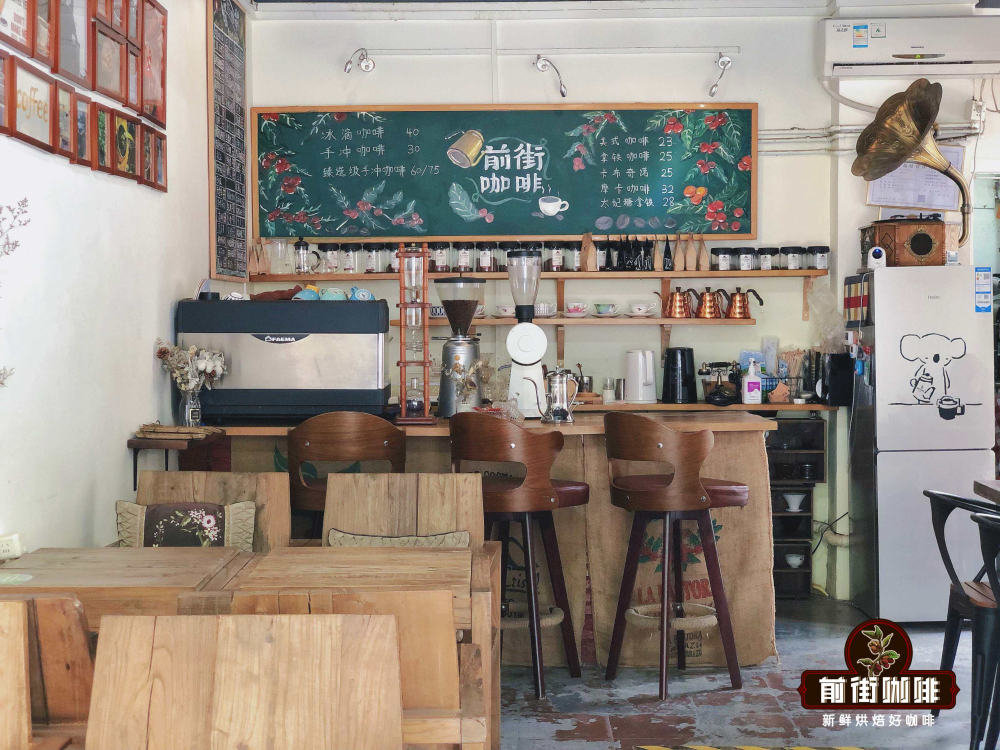
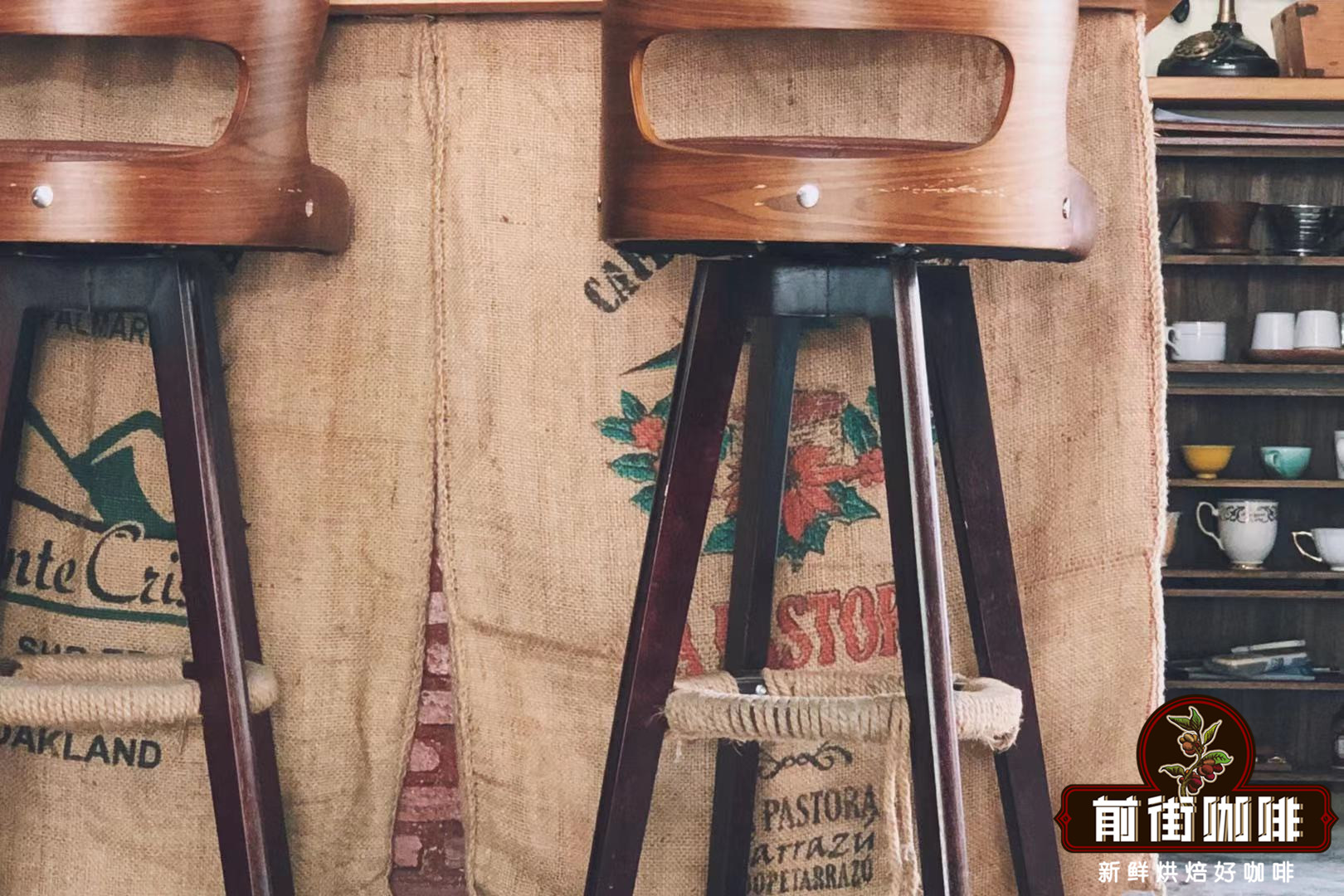
Coffee is without doubt a foreign import to China. In a country where tea culture prevails, coffee never managed to establish a significant presence. Even after the reform and opening-up policy, coffee culture only began to emerge in a few of the earliest opened cities. FrontStreet Coffee was established in 2013 on Bao'an Front Street in Dongshan, Guangzhou. At that time, there were very few independent cafes worth naming, and Starbucks had not yet opened many locations. Coffee had always struggled to adapt to the Chinese market. Yet in just 8 short years, cafes have sprung up everywhere in Guangzhou, and Yunnan coffee, once rarely mentioned, has gradually become a household topic. More and more coffee enthusiasts are even specifically seeking out Yunnan beans. What earth-shaking changes have occurred in Yunnan over the past few decades?
The Golden Coffee Growing Belt
Anyone who has studied coffee cultivation has heard of the "golden coffee growing belt." Coffee is well known to grow best between the Tropics of Cancer and Capricorn, which is why Central and South America and Africa all produce coffee. Coffee grown between the equator and 15 degrees north latitude, however, is too strong and bitter; only people who drink coffee without understanding its flavor would enjoy it. In fact, the best coffee should be produced between 15 degrees north latitude and the Tropic of Cancer.
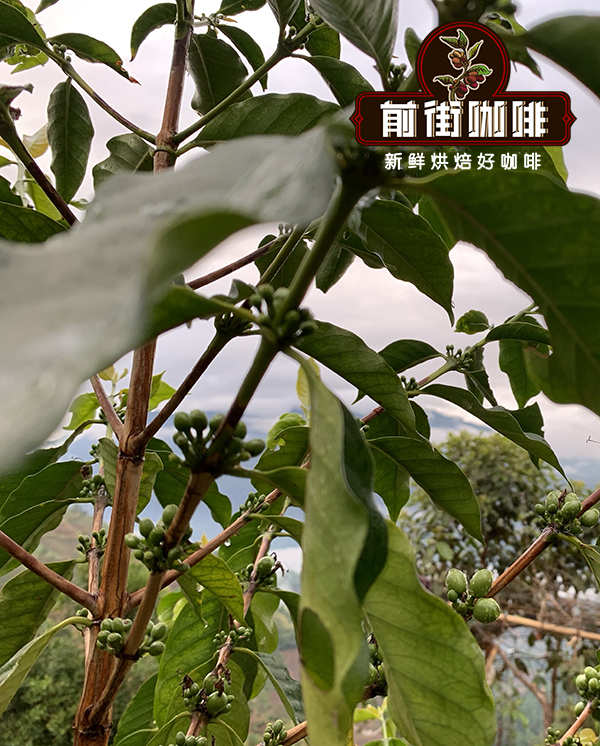
Coffee grows best between the Tropics of Cancer and Capricorn, which is why South America, Indonesia, and Africa all produce coffee. Coffee grown between the equator and 15 degrees north latitude, though, is too strong and has a bitter taste, so only those who drink coffee without understanding its flavor would enjoy it. In fact, the best coffee should be produced between 15 degrees north latitude and the Tropic of Cancer.
As it happens, southern Yunnan Province in China (especially near the border with Laos) and northern Hainan Island fall exactly within this golden zone. Places like Hawaii in the United States and Saudi Arabia sit in the zone too, but Hawaii lacks mountains and dense fog, while Saudi Arabia's desert terrain lacks water, making both unsuitable for coffee. The world's best coffee-producing region, therefore, is actually in China.
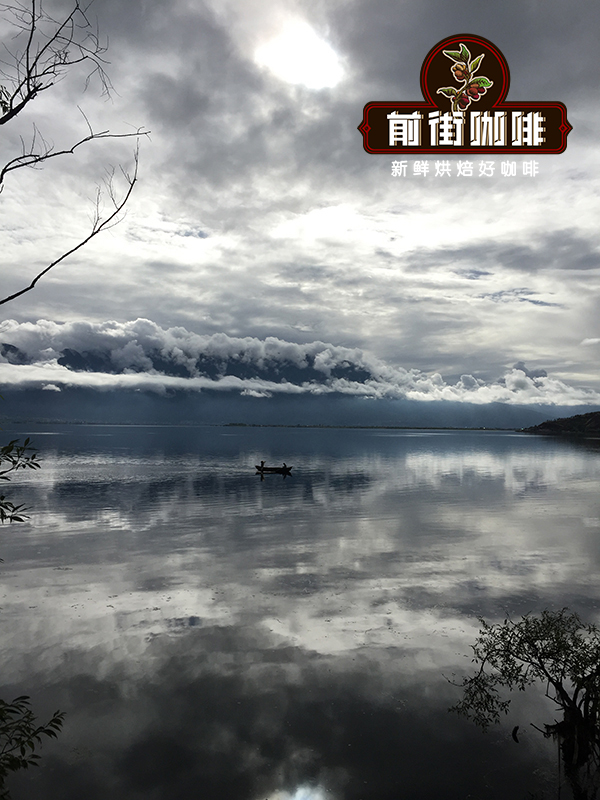
China's Yunnan Province lies near the Tropic of Cancer and is rich in specialty coffee production. Yunnan coffee is fragrant but not overpowering, rich but not bitter, making it an indispensable region for coffee connoisseurs. The main coffee-producing areas in Yunnan are concentrated in the western and southern parts of the province.
Major Coffee Growing Regions in Yunnan
The main coffee growing areas in Yunnan include Lincang, Baoshan, Dehong, and Pu'er. Beans from these regions have long gone abroad, reaching major coffee-consuming countries such as South Korea, Japan, the United States, and several European countries.
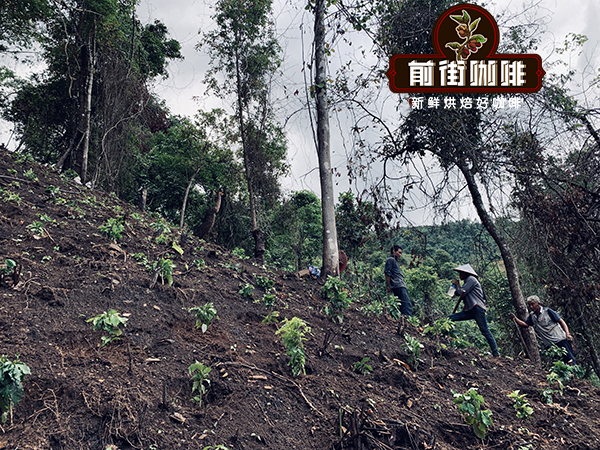
Dehong
The birthplace of Chinese coffee, this region has an altitude of 1,000 to 1,600 meters and features 2,000 hectares of coffee plantations. More importantly, most of the coffee here is grown organically, making it among the highest quality coffee in the world.
Pu'er
The Coffee Capital. In 2012, Pu'er had a coffee planting area of 43,433 hectares, with 18,000 hectares harvested, producing 36,500 tons of coffee annually, including 24,700 tons for export. The Pu'er coffee industry has 70 registered enterprises, 30,000 households, and approximately 1 million people. Known as the "City of Tea for a Thousand Years," Pu'er is an important coffee-producing region in China with the largest planting area, highest output, and best quality, and it serves as a major distribution center for international coffee business.

Baoshan
Small-grain coffee is the most famous coffee from Baoshan. It took its first steps in the late 1950s and quickly received positive feedback from London. At the 1980 National Coffee Conference, it was recognized as the "Nation's Best Coffee." In December 2010, Baoshan small-grain coffee received A-grade certification and went through the China National Standard Administration process, being recognized as a product reflecting China's national geographical indication.
Lincang
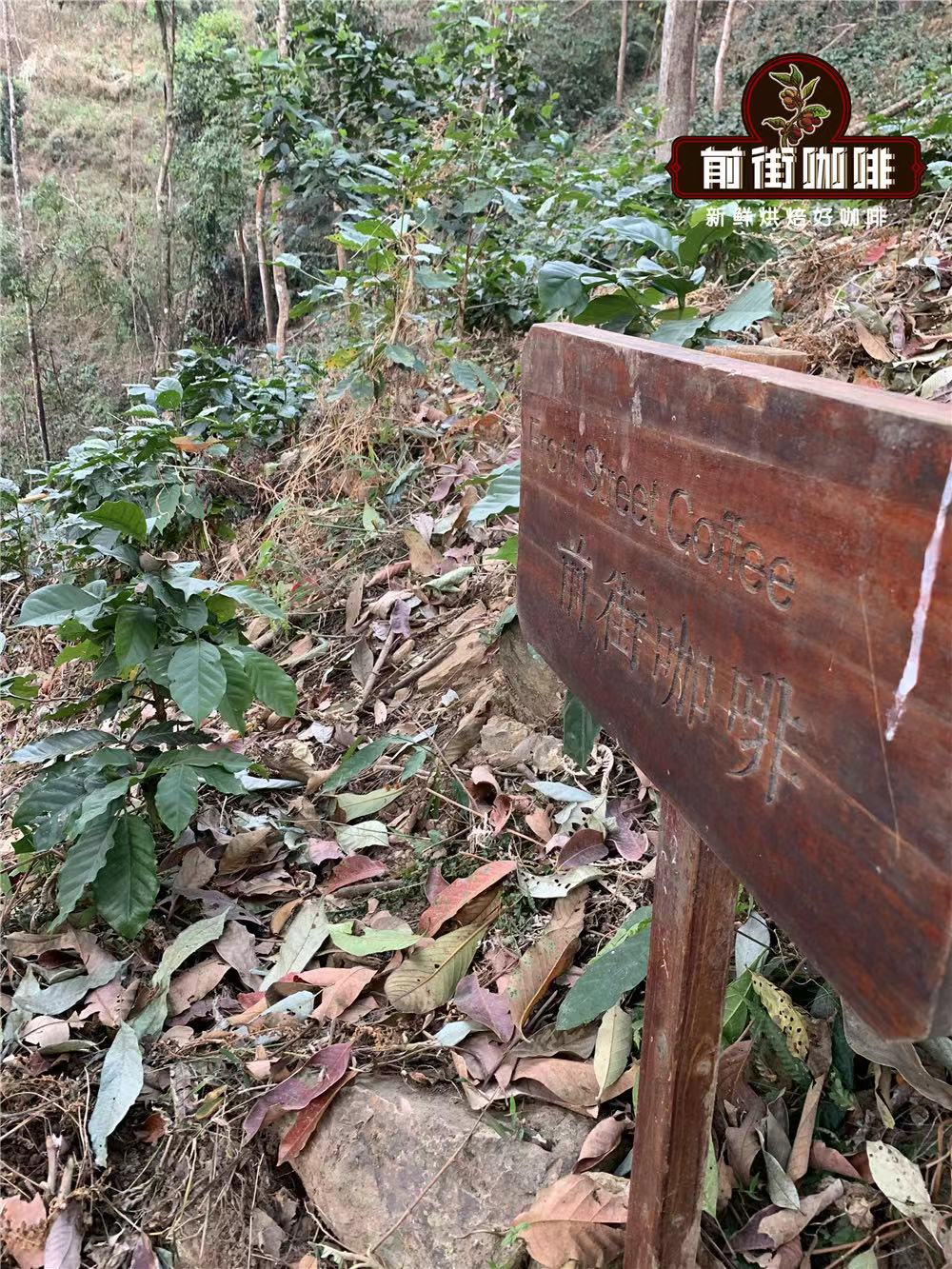
Lincang City lies in southwestern Yunnan Province, with the Tropic of Cancer crossing its southern part. It borders Pu'er to the east, Dali to the north, Baoshan to the west, and Myanmar to the southwest. Named for its proximity to the Lancang River, it is a shining pearl on China's southwestern border. Lincang has an average annual temperature between 16.8C and 17.2C, with distinct wet and dry seasons and abundant sunshine. FrontStreet Coffee took notice of this "green pearl on the border" and established its own coffee estate in Lincang - one of Yunnan's main coffee-producing regions - early in its history, planting the oldest Arabica variety, Typica.
The Evolution of Yunnan Coffee Varieties
Coffee enthusiasts' knowledge of Yunnan coffee mostly begins with Yunnan small-grain coffee. It is worth noting that the original Yunnan small-grain coffee was the Typica variety. Typica beans are relatively small, hence the name "small-grain."
In the 1950s and 1960s, Yunnan began large-scale coffee cultivation. At that time, however, domestic consumers had little understanding of coffee, let alone consumption, so Yunnan coffee was mainly exported to Europe and the United States. Thanks to its superior flavor and taste, it won the affection of many coffee enthusiasts there.
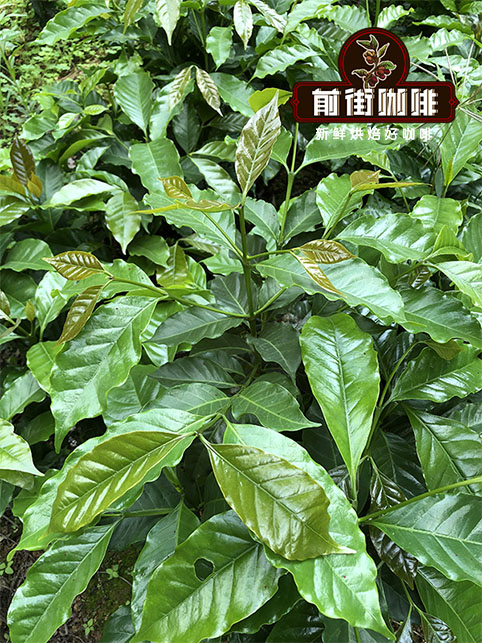
In the 1980s and 1990s, some international coffee giants entered Yunnan, making it a coffee source for many brands. To maximize yield and disease resistance, Nestle promoted the cultivation of the Catimor variety in Yunnan. Catimor has three times the yield of Typica and strong resistance to coffee leaf rust. Farmers understood cultivation but not flavor, so for higher returns they cut down the elegant Typica trees and switched to Catimor. Today, Catimor has become the main variety of Yunnan coffee beans, and Yunnan small-grain coffee has thus transformed into the Catimor variety.
Because Catimor carries Robusta genes, it inherited Robusta's strong disease resistance but also inherited the criticized flavor of Robusta. Han Huaizong once described Catimor as having a "devilish aftertaste." With the development of cultivation techniques and variety improvement, Catimor's flavor has gradually become more elegant.
FrontStreet Coffee's Yunnan Coffee Selection
FrontStreet Coffee's bean shelf features three beans from Yunnan, offering an excellent opportunity for comparison: Yunnan Small Grain, Huaguoshan, and FrontStreet 2013.
FrontStreet Coffee's Yunnan Small Grain is a washed Catimor and belongs to the FrontStreet Coffee daily bean series. The daily bean series exists to help coffee beginners quickly understand the terroir of each producing region, so the beans in this series mostly use washed processing.
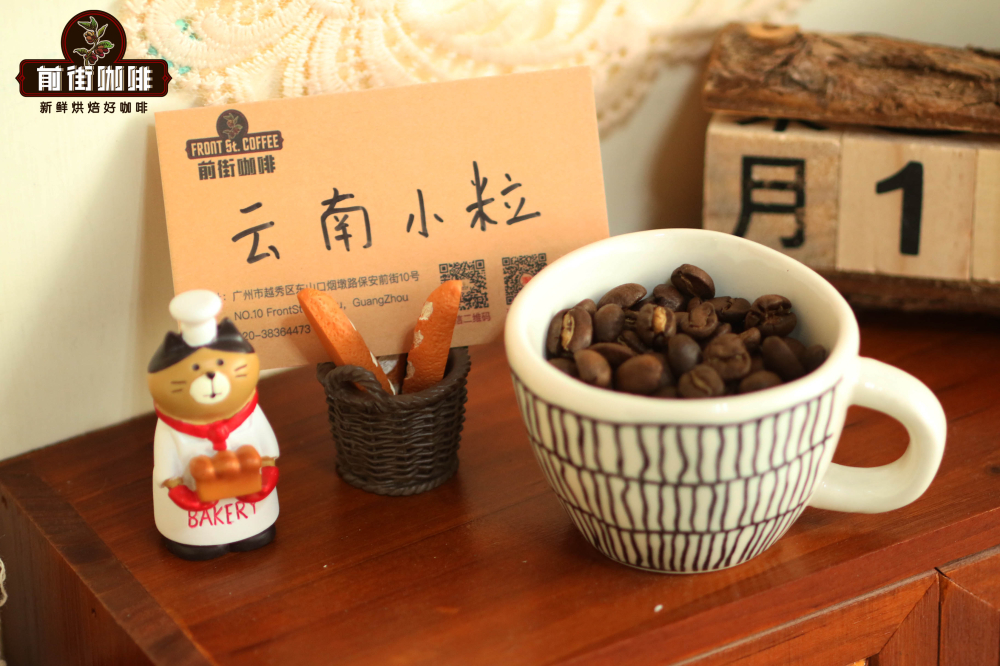
FrontStreet Coffee: Yunnan Small Grain Coffee Beans
Region: Yunnan Baoshan
Altitude: 1,200 meters
Variety: Catimor
Processing Method: Washed
Huaguoshan, by contrast, is a Typica also produced in Baoshan, using the same washed method as Yunnan Small Grain, which allows a clearer comparison between Typica and Catimor. Huaguoshan has rich melon and other fruit aromas on entry, a smooth mouthfeel, nuts and milk chocolate in the middle, and a lively, bright plum acidity in the finish. It is saliva-inducing, well balanced, and full-bodied, with citrus-like acidity, a black tea aftertaste, and some brown sugar notes.
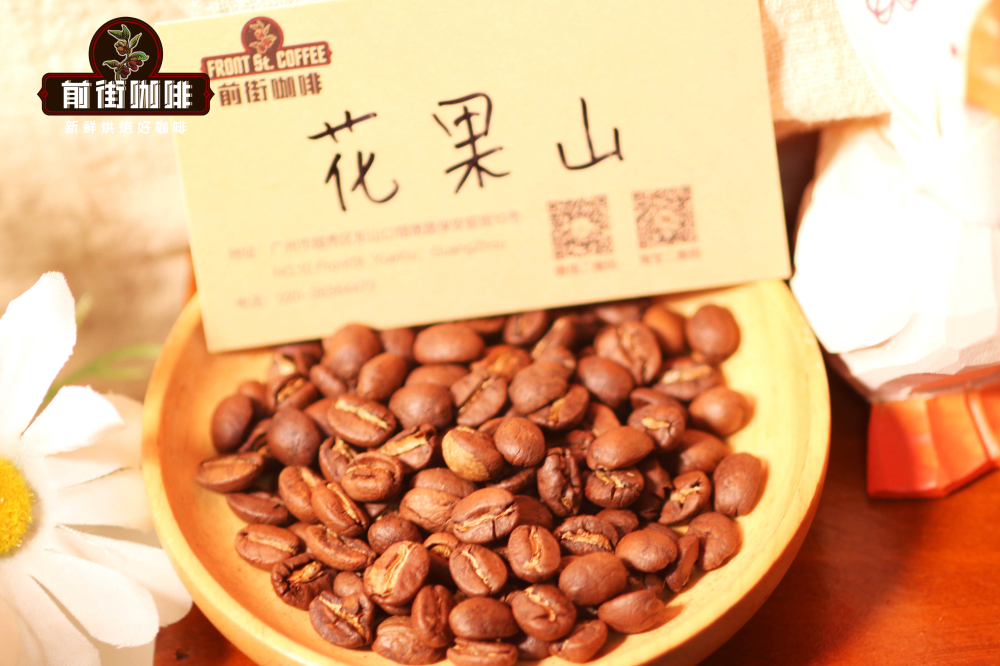
FrontStreet Coffee: Yunnan Huaguoshan Coffee Beans
Region: Yunnan Baoshan
Altitude: 1,200 meters
Variety: Typica
Processing Method: Washed
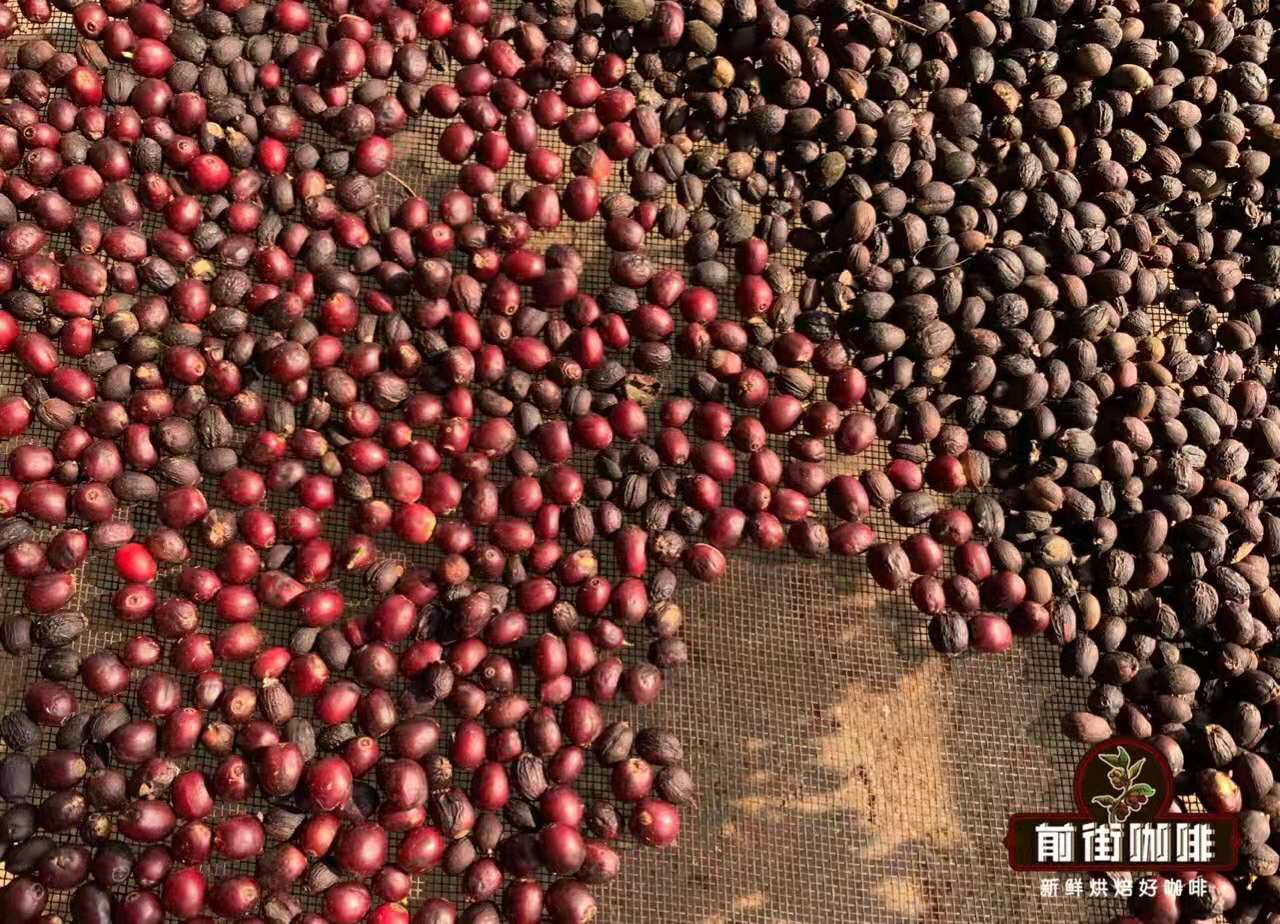
The end of Yunnan's coffee harvest season has arrived, and FrontStreet Coffee's coffee estate in Yunnan has welcomed the joy of harvest. When FrontStreet Coffee first launched its own sun-dried Typica in 2021, it received support from many coffee enthusiasts, who even asked about it after it sold out: "Where is FrontStreet Coffee's own sun-dried Typica?" As 2022 began, FrontStreet Coffee's sun-dried Typica returned. FrontStreet Coffee's Yunnan sun-dried Typica has plum acidity, chocolate as the main tone, and a brown sugar and preserved-fruit sweetness, with a solid mouthfeel.
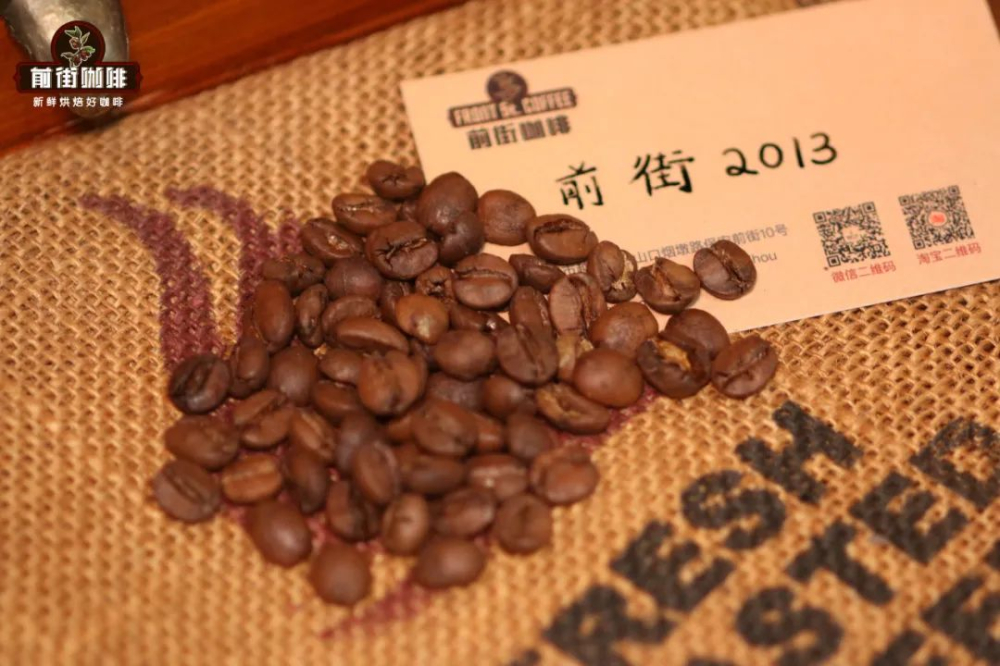
FrontStreet Coffee: FrontStreet Yunnan Sun-dried Typica Coffee Beans
Region: Yunnan Lincang
Estate: FrontStreet Coffee Estate
Altitude: 1,300 meters
Variety: Typica
Processing Method: Natural (Sun-dried)
Brewing Recommendations
When FrontStreet Coffee's baristas brew these Yunnan beans, they account for their medium roast by using a higher water temperature and a finer grind to draw out more aroma and acidity.
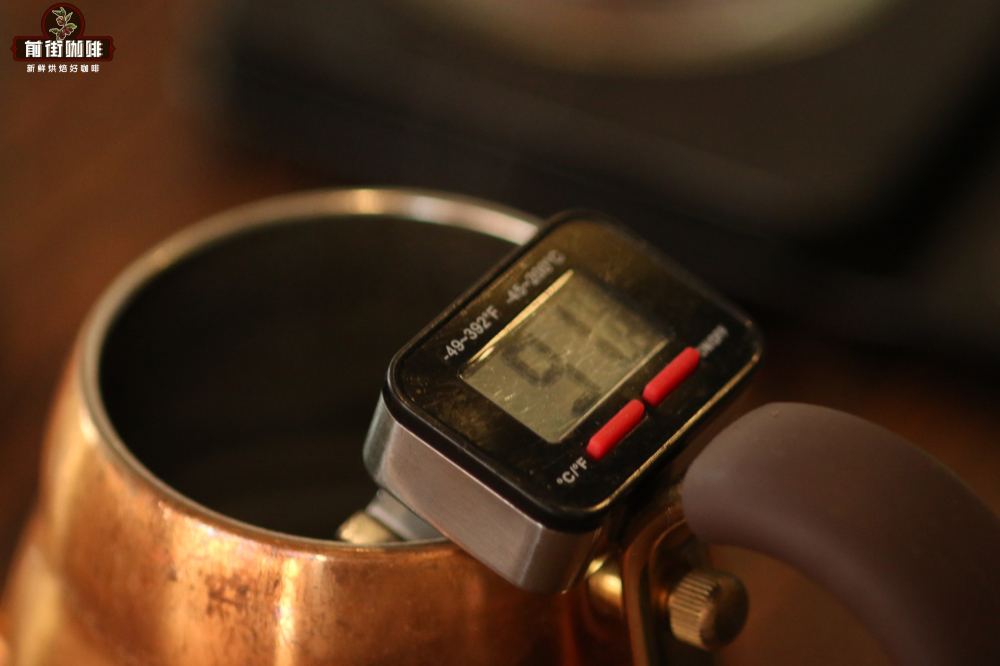
Brewing Parameters:
Dripper: Hario V60
Water Temperature: 91C
Coffee Amount: 15g
Coffee-to-Water Ratio: 1:15
Grind Size: 80% passing through a China standard #20 sieve
FrontStreet Coffee has noticed that some friends do not have grinding equipment at home. FrontStreet Coffee can provide pre-ground coffee, but because beans release gases much faster once ground, flavor compounds volatilize easily and the optimal tasting window shrinks considerably. FrontStreet Coffee suggests that anyone with a grinder buy whole beans and grind fresh before brewing for a better cup.
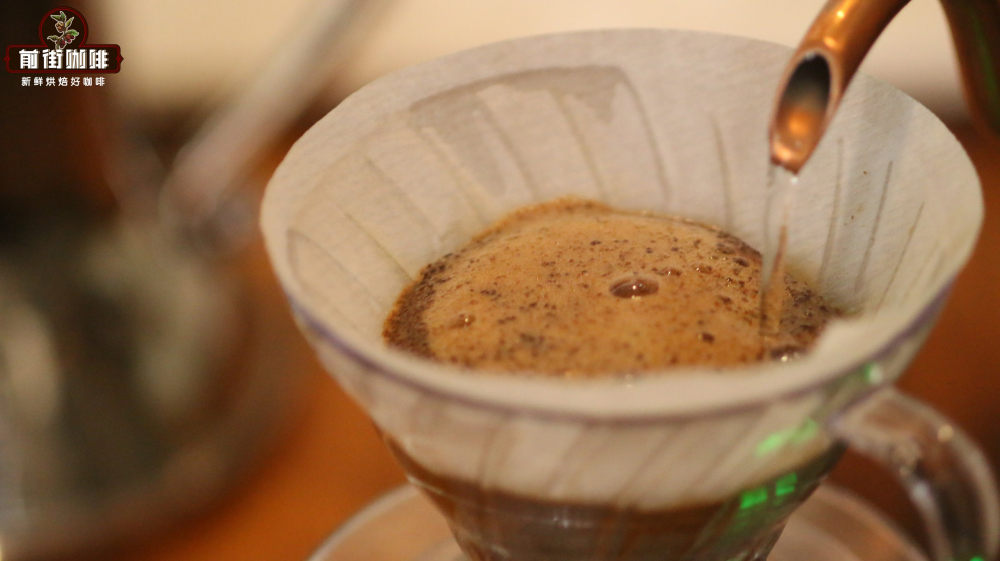
First, pour 30g of water for a 30-second bloom. Then, starting from the center, pour in a thin stream and slowly spiral out to 125g. When the water level in the dripper drops to just before exposing the coffee bed, continue spiraling to 225g. The beans FrontStreet Coffee sends are freshly roasted within 5 days. Generally, you will see signs of blooming during the bloom stage. As blooming proceeds, carbon dioxide in the grounds is gradually released, which brings some stability to the rest of the brew.
FrontStreet Coffee Estate's sun-dried Typica has strong sweetness and an elegant flavor, while the Huaguoshan on the shelf has a clean, refreshing mouthfeel.
FrontStreet Coffee Recommendation
The three Yunnan beans above make an ideal starting point for exploring the region, and two of them are perfect for newcomers. FrontStreet Coffee's Yunnan Small Grain comes from Baoshan, is washed and medium roasted, and pours out soft nut and chocolate sweetness with a light plum acidity - a gentle, balanced cup at a friendly price, and for many people the first taste of what Yunnan coffee can be. FrontStreet Coffee's 2013 Yunnan Natural Typica is the step up for anyone who wants a clearer, more distinctive flavor. Typica is one of the oldest and purest Arabica varieties, and FrontStreet Coffee's own estate in Lincang planted it at 1,300 meters and processes it with the most traditional method of all, natural sun-drying. Roasted medium, it has a fuller body and a more pronounced sweet-tart balance, with citrus and berry character, a hint of fermented wine aroma, caramel sweetness, and a creamy finish.
If you want to taste Yunnan in espresso form, FrontStreet Coffee's Black Cocoa Blend pairs Yunnan small-grain with Brazilian Cerrado beans - a combination many baristas recommend. The Brazilian side supplies mixed-nut aromas and a balanced mouthfeel, while the Yunnan side plays the role of chocolate and citrus. Made as an Americano, it balances sweet, sour, and bitter with nutty, brown-sugar warmth, and as a latte it is smooth with almond and cream, which makes it very easy for beginners to use.
Important Notice :
FrontStreet Coffee is a long-established specialty coffee roaster in Guangzhou China, selling freshly roasted beans from its own farm in Yunnan as well as dozens of carefully selected single-origin beans from around the world for both pour-over and espresso. The products deliver consistently excellent quality and great value, with shipping within 24 hours. Guangzhou's FrontStreet Coffee shop is recommended by many coffee lovers, and the beans are now available online at the Tmall 。
FrontStreet Coffee has moved to a new address:
FrontStreet Coffee Address: 315,Donghua East Road,GuangZhou
Tel:020 38364473
 Scan and follow the En Gafei WeChat official account. Please indicate that the reprint comes from "En Gafei".