Differences Between Hainan and Yunnan Coffee Beans - Flavor Profiles and Taste Characteristics
Differences Between Hainan and Yunnan Coffee Beans - Flavor Profiles and Taste Characteristics
Coffee cultivation in China is primarily concentrated in Taiwan, Yunnan, and parts of Hainan. The country's coffee landscape is more extensive than you might imagine.
FrontStreet Coffee is here today to share the story of Hainan and Yunnan coffee beans with you.
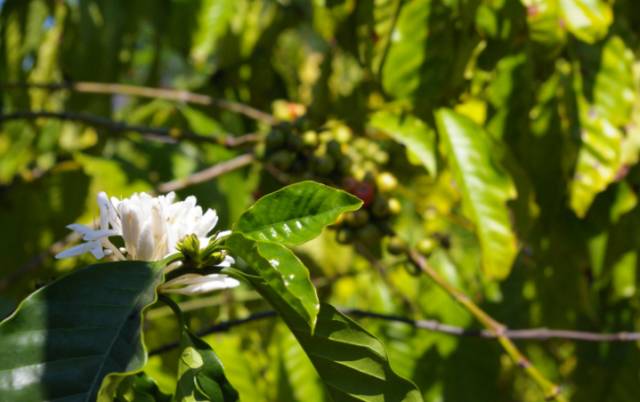
The Legacy of Hainan Coffee
Fushan Coffee and Xinglong Coffee are renowned far and wide, attracting travelers who journey long distances just for a taste. Little do people know that the origin of Hainan coffee, the introduction of the first coffee tree, was in Wenchang.
A coffee bean, crossing oceans, experiencing ups and downs, taking root and flourishing. When you hold a cup of coffee, have you ever wondered about its tumultuous journey a century ago? When you sip coffee, does your mind envision scenes of ancient iron pans roasting coffee? Please pour a cup of coffee and slowly reminisce about the passing years.
The First Coffee Tree
Arriving at the entrance of Shirenpo Village in Nanyang Town, Wenchang City, and walking along a winding village path, you'll find the Kuang family courtyard. The first coffee tree on Hainan Island was introduced and took root here. Upon reaching the courtyard, village elder Kuang Xiangchui greeted us warmly. At 63 years old, he is now the fourth-generation descendant of the Kuang family. He enthusiastically led us to see the coffee tree, recounting old stories from the past:
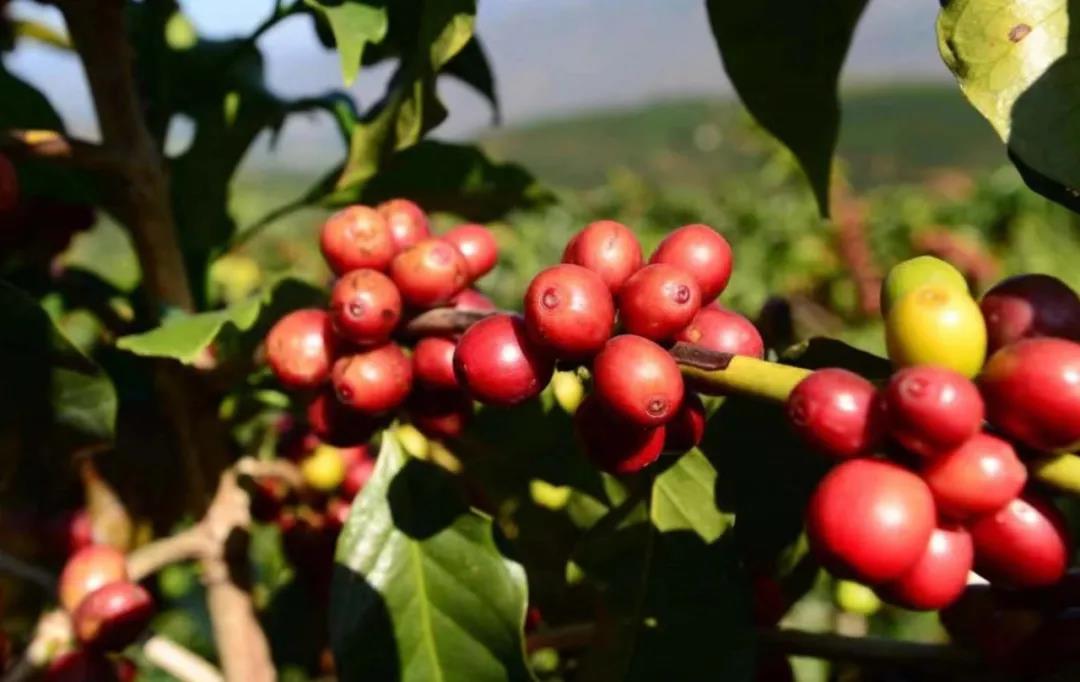
Kuang Xiangchui's great-grandfather Kuang Shilian was born in 1880. In 1898, he went to Malaya to join his mother's eldest brother's family but couldn't adapt to local customs and returned after six months, bringing back coffee tree seeds. The initial seeds were planted in their Wenchang hometown, but only 12 trees survived. Generally, coffee trees have a lifespan of 20-30 years, at most 40-50 years, but these 12 coffee trees have resisted the metabolism of life.
Introduction to Hainan Coffee Region
According to Hainan historical records, Hainan is the earliest place to cultivate coffee. In the 20th year of the Republic of China (1935), Mr. Chen Xianzhang, an overseas Chinese, successfully introduced coffee from Sumatra Island, Indonesia, to Hainan for cultivation, opening the first page of Hainan's coffee history. It has now been promoted to various parts of Hainan Island.
In the "China Encyclopedia: Agriculture Volume," it is believed that Hainan began introducing coffee cultivation in 1908. This "1908" refers to when overseas merchant Zeng Wangyuan introduced 150,000 coffee trees from Malaysia, but 8 years later, most of these coffee trees died due to frost damage. It wasn't until 1935 that Indonesian overseas Chinese Chen Xianzhang, believing the Fushan area had "sweet springs and fertile soil," established the Fumin Farm, and Hainan began its history of large-scale coffee cultivation.
Unique Geographical Environment
Hainan Province is located in the northern equatorial maritime region. Latitude 19 degrees 23 minutes north, longitude 109 degrees 00 minutes east; altitude 21-300 meters. The Hainan region has a tropical island monsoon climate, evergreen throughout the year, warm temperatures with no significant seasonal differences; average annual temperature ranges from 23.1 degrees Celsius to 24.4 degrees Celsius, with a minimum temperature of 8 degrees, frost-free year-round; abundant rainfall with average annual precipitation of about 2000-2500 millimeters, humid air with average relative humidity of 89%; sufficient sunlight with average annual sunshine of 1900 hours; excellent environmental air quality, making it an ideal base for coffee cultivation. Hainan's excellent climate conditions are irreplaceable climate resources for producing high-quality Hainan coffee.
Main Growing Areas
Hainan primarily cultivates Robusta coffee beans, with key growing areas including six cities (counties): Chengmai, Wanning, Wenchang, Qiongzhong, Baisha, and Sanya.
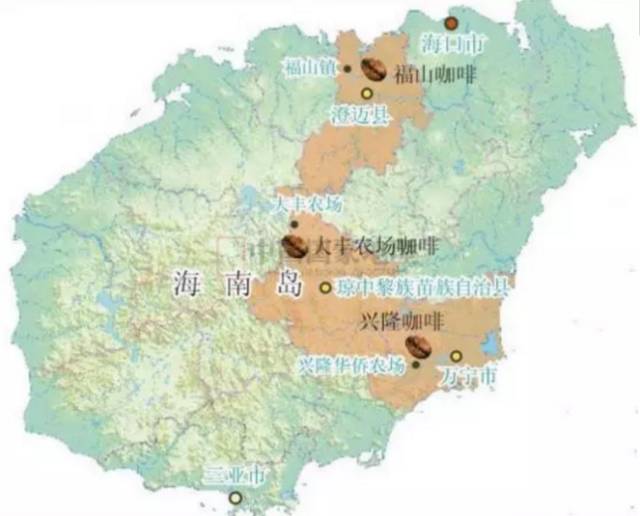
Coffee on Hainan Island was first brought back by Wenchang overseas Chinese ancestors from Southeast Asia for local cultivation. However, due to climatic and environmental conditions, this area specializes in growing "medium fruit coffee," known as the Robusta variety, which has a strong, bitter taste and has become a locally promising economic industry.
Coffee Brands
Hainan's regional coffee brands have obvious advantages, with a rich local coffee culture atmosphere. Among the most influential local brands are Xinglong, Fushan, Lishen, Houchen, Nanguo, Chunguang, and more than 10 other local coffee brands. Hainan coffee production enterprises are showing rapid growth trends.
From an industrial chain perspective, Hainan coffee has initially formed a complete industrial chain integrating scientific research, seedling production, cultivation, processing, distribution, retail, tourism services, and culture. The construction of coffee gardens can promote the allocation of coffee resources from low-efficiency industries to high-efficiency industries, thereby achieving a "win-win" situation for social benefits, economic benefits, and tourism benefits.
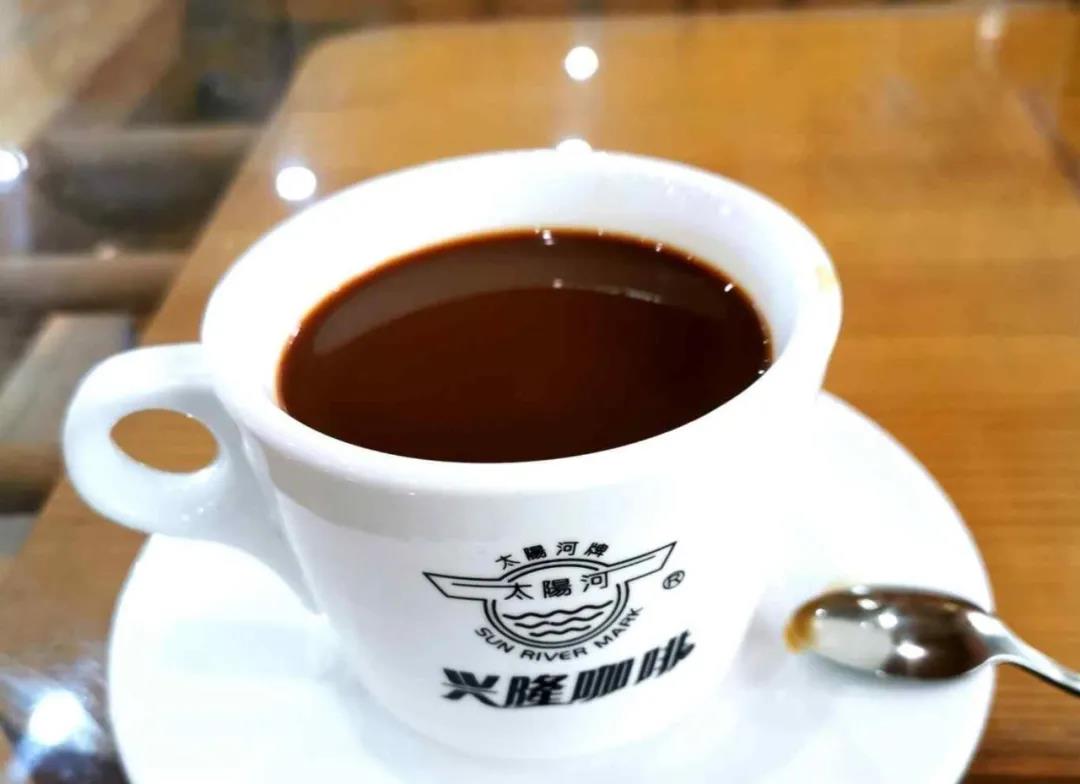
Wenchang: "Maihao Coffee" from Hainan's Earliest Coffee Growing Area
Coffee first brought back by Wenchang overseas Chinese from Malaysia in the late 19th century and planted in Maihao, Wenchang, Hainan. Walking along the streets of the small town, you can often see coffee beans drying on the ground by the roadside. The legacy of Wenchang's Maihao coffee flows vigorously and continuously.
Maihao Coffee selects the rare Liberica large-bean variety with over 120 years of cultivation history in rural areas of Maihao, Wenchang City, Hainan Province. These coffee trees grow in front of and behind rural houses, with some trees even exceeding 40 years of age. Carefully selected ripe red fruits undergo special processing methods for independent roasting. Maihao coffee has no burnt or sour taste, with a pronounced bitterness and slightly higher caffeine content.
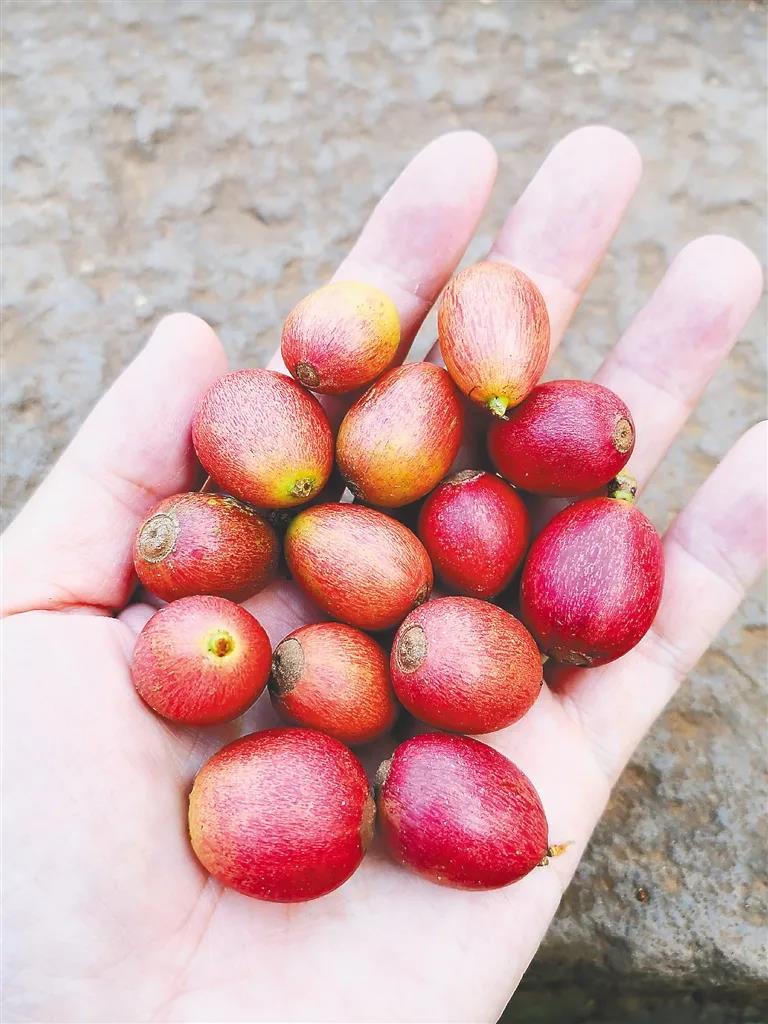
Large-bean coffee varieties grown in Wenchang's Maihao and other areas.
Entering the 21st century, as market demand for coffee increased and government support continued to grow, a group of distinctive Hainan coffee brands such as Xinglong, Fushan, and Mushan fought bravely in the market. However, Wenchang coffee gradually declined due to factors like transportation and policy limitations. In those days, Maihao Coffee almost monopolized Hainan's coffee supply channels!
Coffee Growth and Production
Coffee is an agricultural crop with fruiting cycles.
If you ask: How many years does it take for a coffee bean to go from planting to flowering and fruiting? What is the annual yield of one coffee tree? FrontStreet Coffee will provide a detailed introduction in this article.
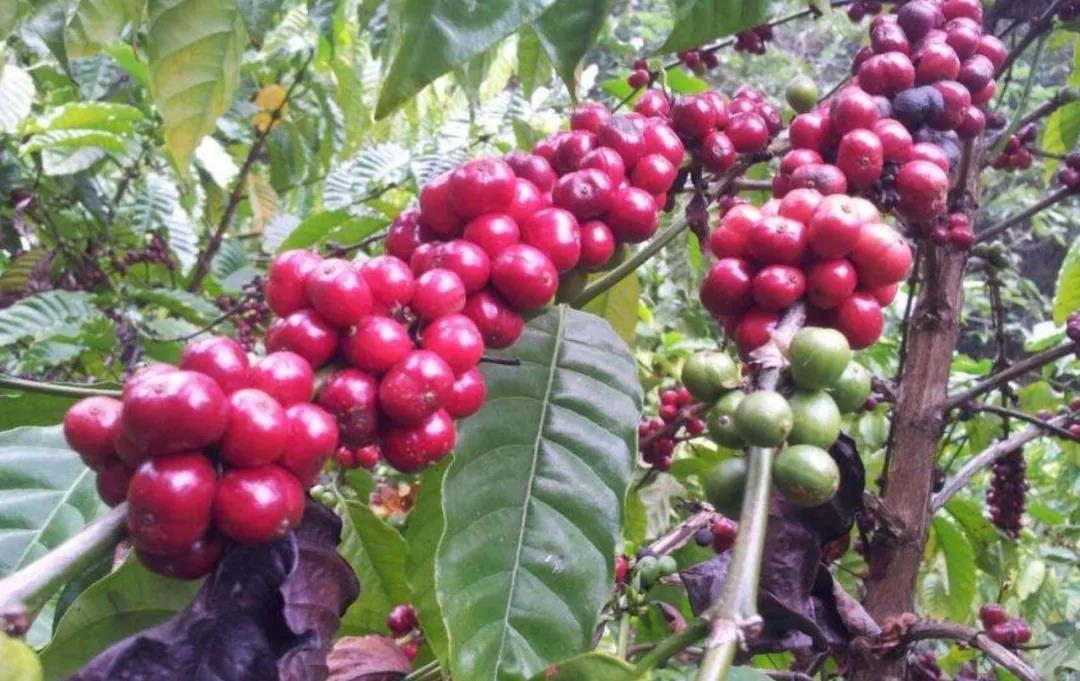
How Many Years from Planting to Fruiting?
According to FrontStreet Coffee's observations, coffee takes about 5 years from seed to flowering and fruiting. Coffee beans begin to bear fruit 3-5 years after sowing, with a harvest period of 5-20 years. A coffee tree can produce approximately 3-5 kilograms of fruit annually. Coffee belongs to the Rubiaceae plant family, with 500 genera and over 6000 species. Most coffee plants are tropical trees and shrubs growing in the lower layers of forests.
Wild specimens reach 4-7 meters tall, while cultivated ones are pruned to maintain about 2 meters. From sowing, transplanting seedlings to growing into mature trees, it takes about 4-5 years, with an economic lifespan of about 30 years.
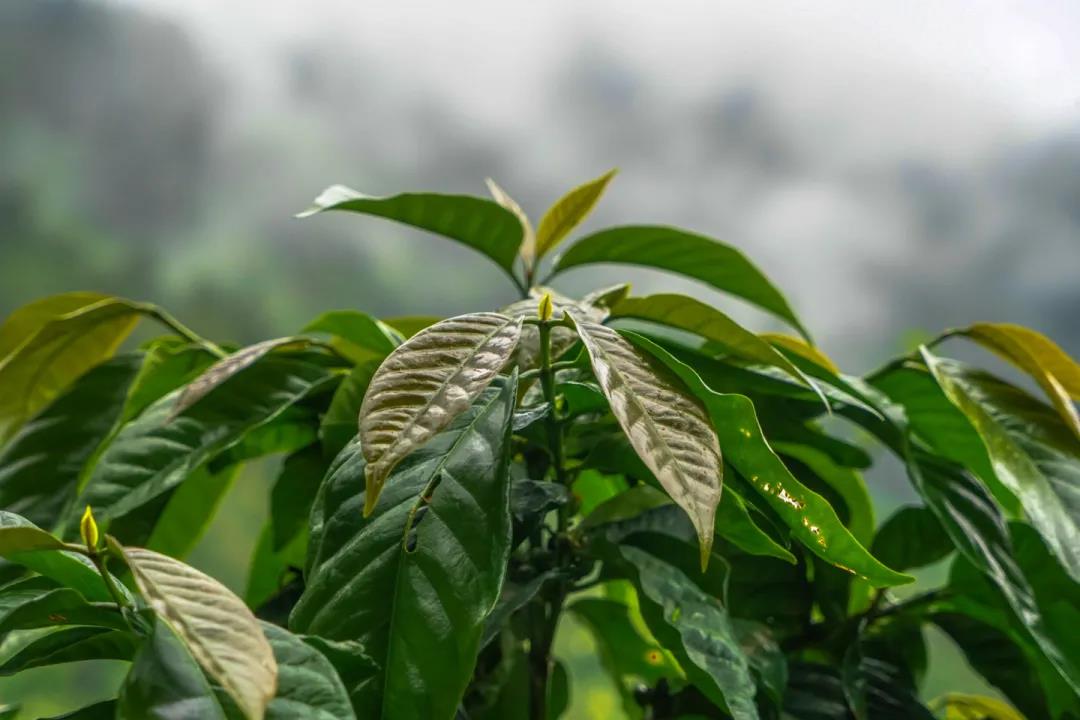
Annual Yield of One Coffee Tree
The annual yield of one coffee tree is closely related to the coffee variety and growing environment. Coffee trees are harvested only once a year. In Yunnan, 99.99% of cultivated coffee trees are of the Catimor variety because Catimor has the highest yield.
Variety: Catimor
Catimor variety coffee trees can be densely planted. For example: in one mu of land, 330 Catimor coffee trees can be planted, yielding about 300 kilograms of coffee fruit, meaning an average Catimor coffee tree produces 0.9 kilograms of coffee fruit per year.
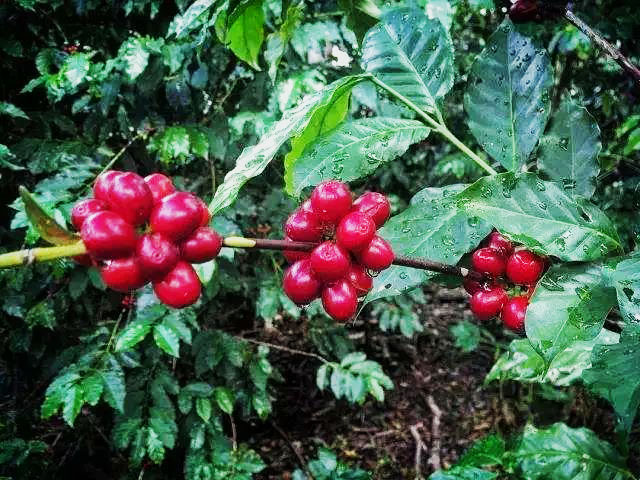
Variety: Typica
Typica variety coffee trees have main vertical trunks that can reach up to 5 meters. In terms of tree height, compared to other coffee varieties, Typica has longer distances between trunk branches and between nodes on branches. In one mu of land, 100 Typica coffee trees can be planted, yielding about 100 kilograms of coffee fruit, meaning an average Typica coffee tree produces about 1 kilogram of coffee fruit per year.
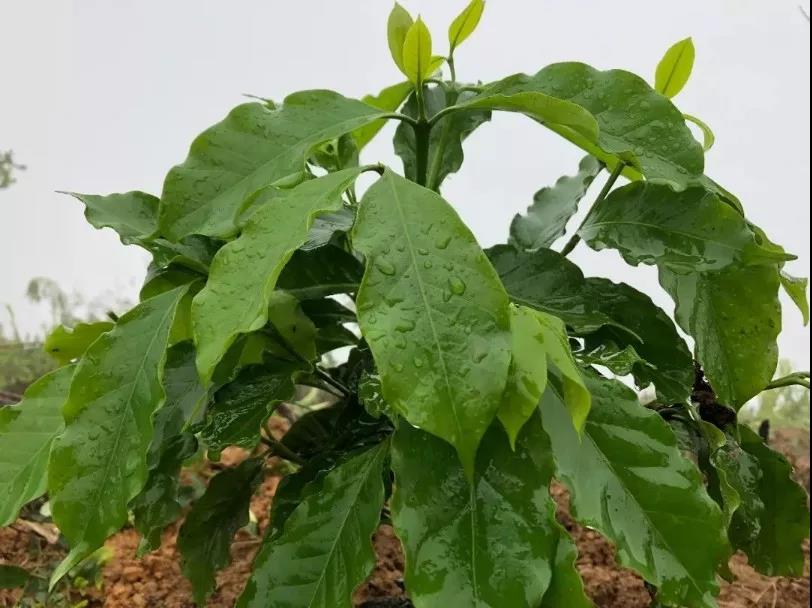
According to FrontStreet Coffee's understanding, 99.99% of coffee beans cultivated in Yunnan coffee regions are of the Catimor variety. These are the Yunnan small-bean coffee commonly seen in the market.
Coffee farmers choose Catimor variety coffee beans as their main cultivation target because Catimor has high yields and is easy to maintain. However, the flavor of Catimor variety coffee beans is not as good as Typica variety. For this reason, FrontStreet Coffee has chosen to plant Typica variety coffee in their coffee estate in Yunnan's Baoshan region, with the goal of providing the best Yunnan coffee for every coffee lover.
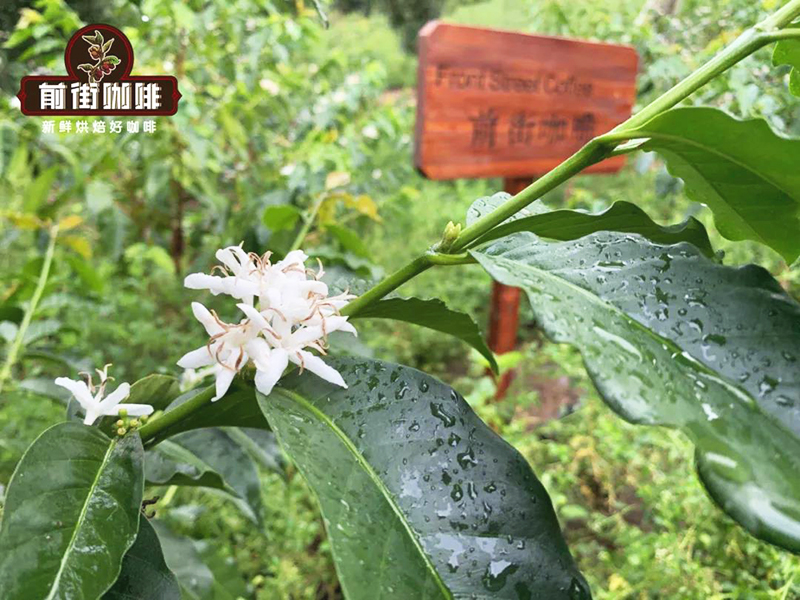
FrontStreet Coffee presents 4 important pieces of information:
- Arabica accounts for about 70% of global coffee production;
- Typica, as the oldest Arabica variety, all Arabica coffee derivatives originate from it;
- Typica coffee has elegant flavor, but the plants are physically weak with low disease resistance, easily susceptible to leaf rust;
- Typica's terminal leaves are bronze-colored, and coffee fruits are oval or slender-pointed.
However, due to the low yield of Typica variety coffee beans not meeting economic requirements, in recent years Typica coffee beans in Central and South America have gradually been replaced by Caturra and Catuai variety coffee beans. It's regrettable! Typica's presence is becoming increasingly rare.
According to FrontStreet Coffee's understanding, the earliest coffee variety cultivated in Yunnan coffee regions was Typica.
This history can be traced back to the early 20th century when foreign missionaries planted coffee for their own consumption in Yunnan. Later, in the 1950s, the earliest large-scale coffee production began for export to the Soviet Union. Therefore, at that time, coffee agronomists combined Yunnan's coffee cultivation environment and conditions with coffee quality to determine Typica as the main cultivation variety.
But as FrontStreet Coffee mentioned above, Typica variety coffee beans have low yields, are susceptible to disease, and have strict altitude requirements for cultivation, so Typica tree coffee production is very low. Most importantly, Yunnan coffee farmers at that time did not have the awareness to harvest fully ripe coffee beans for specialty coffee, so the quality of harvested coffee fruits was inconsistent. Therefore, Yunnan coffee farmers turned their attention to Catimor variety coffee trees, which are easy to cultivate, have high survival rates, and high yields.
Dehong Prefecture is also one of the earliest areas for coffee cultivation in Yunnan Province. According to historical records, in 1914, Yunnan's Jingpo ethnic minority border people introduced coffee cultivation from Myanmar to Nongxian Village in Ruili County, Dehong Prefecture, initially only as courtyard cultivation for ornamental purposes.
Dehong is listed as the most suitable area for small-bean coffee growth. Today's Dehong Prefecture also has China's largest coffee seed gene bank. Hougu Coffee is a coffee enterprise that grew up in Dehong Prefecture and is also China's largest local instant coffee powder production enterprise.
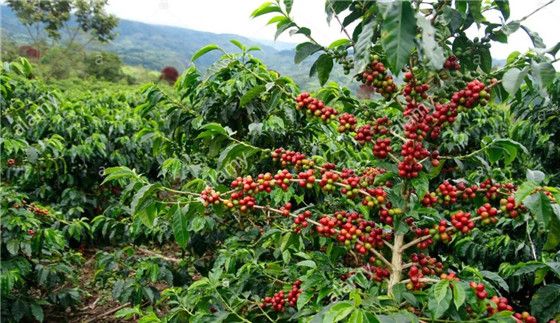
Catimor is a combination of Arabica and Robusta varieties. Robusta has good leaf rust resistance and rich oils, high yield, and is easy to cultivate. Therefore, after hybridizing with Arabica's Typica, Catimor has 25% Robusta genes, improving leaf rust resistance while retaining rich oils and some of the original rich flavor of Typica. This is also one of the reasons why Yunnan still widely cultivates Catimor variety coffee beans today.
In addition, FrontStreet Coffee chooses to mainly plant Typica coffee in their estate because they believe that to change Yunnan's current coffee flavor, we must start from the root. Currently, Yunnan coffee blindly relies on special processing methods to quickly change undesirable coffee flavors, leading consumers to have the fixed impression that "only Yunnan's special processing method coffee is drinkable." As FrontStreet Coffee mentioned above, Typica coffee beans have a unique, elegant, and clean flavor, with balanced taste and high cleanliness - something that special processing methods cannot achieve.
Yunnan Coffee Region - Baoshan
FrontStreet Coffee's choice to plant Typica coffee trees in Baoshan, Yunnan is not without reason. Baoshan, Yunnan has a considerable history of coffee cultivation, specifically dating back to the mid-1950s when the first coffee seedlings were introduced from Southeast Asia by the late patriotic overseas Chinese Mr. Liang Jinshan.
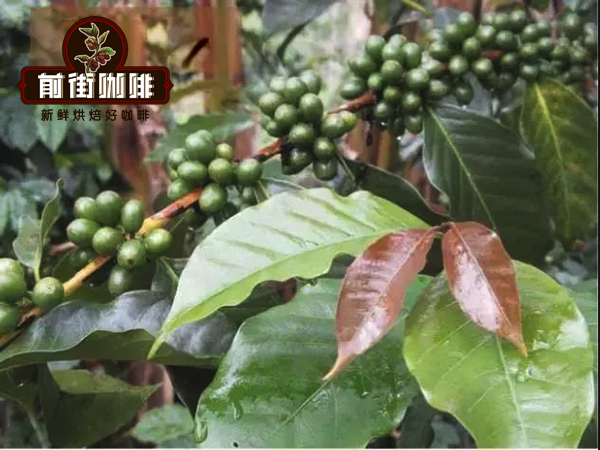
In recent years, with the expansion of international trade, Lujiangba's small-bean coffee has become renowned far and wide. European, American, and Arab countries, especially British, American, Egyptian, Hong Kong, and Macau merchants, regard it as premium coffee, with supply unable to meet demand. In December 2010, after review by China's General Administration of Quality Supervision, Inspection and Quarantine, it was decided to implement national geographical indication product protection for "Baoshan Small-Bean Coffee."
That said, FrontStreet Coffee's choice to plant coffee at the border between Baoshan, Yunnan and Myanmar is because Baoshan's average temperature is 21.5 degrees Celsius, with a maximum of 40.4 degrees Celsius, and is basically frost-free year-round, making it a recognized optimal location for small-bean coffee cultivation.
The small-bean coffee cultivated here is famous both domestically and internationally for being rich but not bitter, fragrant but not strong, with small, uniform particles, mellow and intense aroma, and fruity notes. Yunnan Baoshan small-bean coffee has a long history of cultivation, and Baoshan small-bean coffee can be considered a national geographical indication product.
Next, FrontStreet Coffee will share with you the flavor differences between Yunnan Catimor variety coffee beans and Typica variety coffee beans!
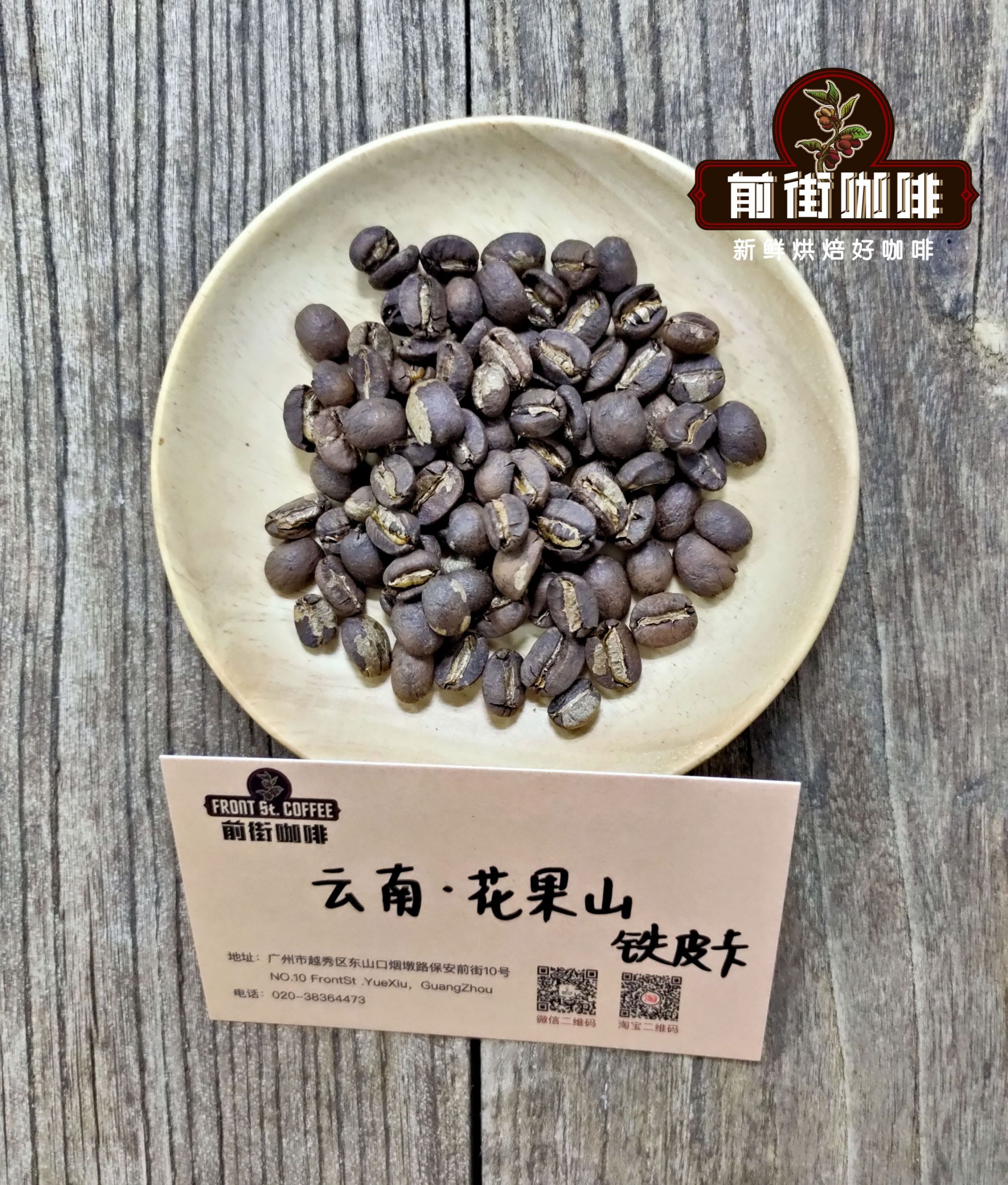
FrontStreet Coffee - Yunnan Huaguoshan Coffee Beans
- Country: China
- Region: Baoshan, Yunnan
- Altitude: 1450-1550m
- Variety: Typica
- Processing: Washed
- Flavor: Citrus, nuts, plum, melon fragrance, brown sugar, black tea sensation
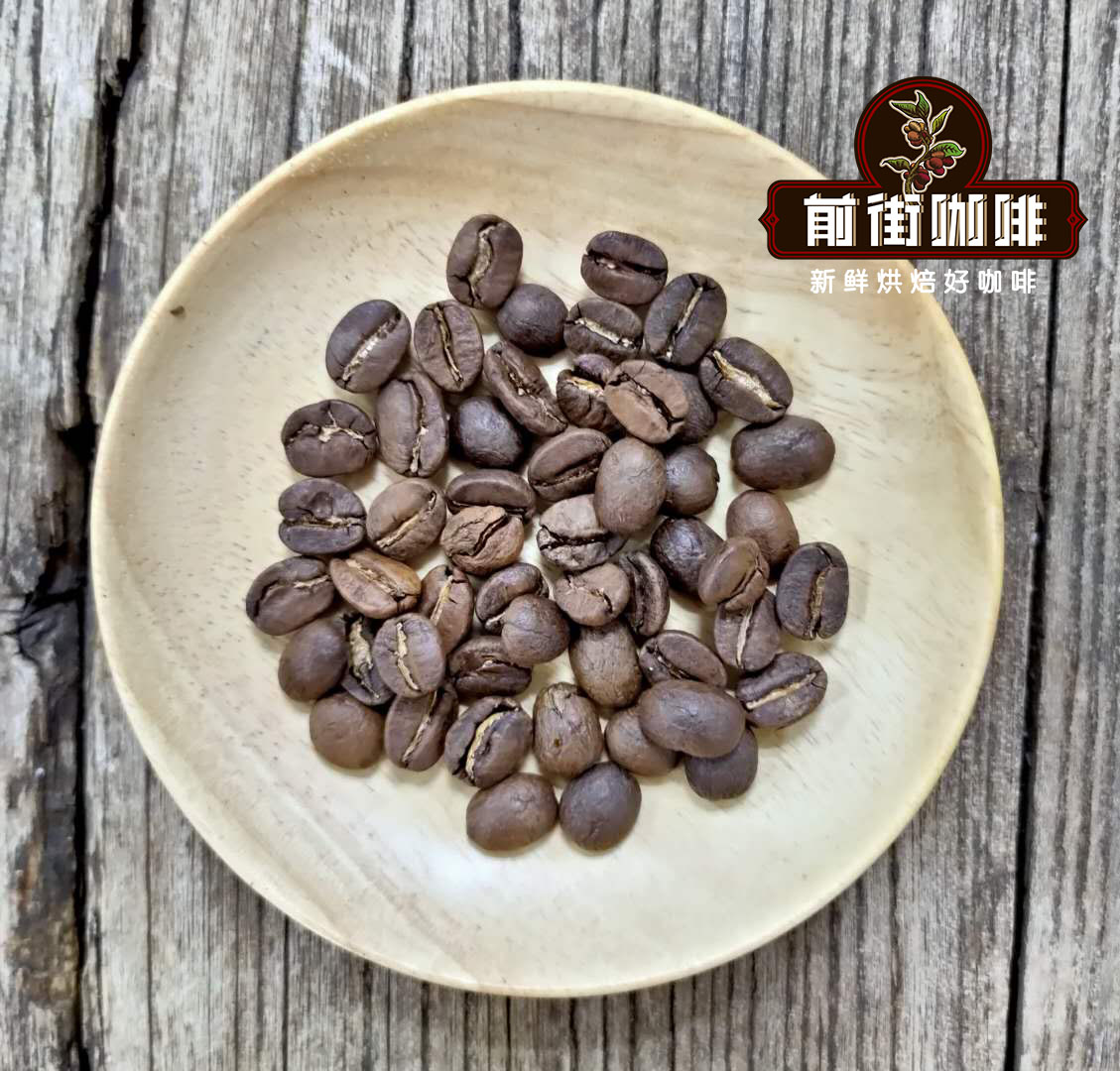
FrontStreet Coffee - Yunnan Small-Bean Coffee (Daily Bean)
- Country: China
- Region: Baoshan, Yunnan
- Altitude: 1200m
- Variety: Catimor
- Processing: Washed
- Flavor: Herbal, nutty aroma, chocolate, caramel
Yunnan small-bean coffee refers to small-bean coffee cultivated in the Yunnan region. Coffee is an evergreen small tree of the Rubiaceae family, native to Africa. Currently, the main beverage plant cultivation includes small-bean and medium-bean coffee. Yunnan cultivated small-bean coffee traditionally refers specifically to mixed populations of Bourbon and Typica varieties.
The difference between FrontStreet Coffee's Yunnan Huaguoshan coffee beans and Yunnan small-bean coffee beans lies in the variety: Huaguoshan coffee beans are Typica variety, while Yunnan small-bean coffee beans are Catimor variety. However, both of these beans can actually be called small-bean coffee beans. This bean was named "Huaguoshan" because Typica's floral and fruity aroma and fruit acidity are more gentle and rich, so it was specifically named to distinguish these two varieties of beans.
FrontStreet Coffee - Yunnan Coffee Beans Pour-Over Recommendations
Both of these beans come from Yunnan and are medium roast, so V60 dripper is recommended for filter cup selection.
- Dripper: V60
- Water Temperature: 90-92 degrees Celsius
- Coffee-to-Water Ratio: 1:15
- Grind Size: Medium-fine grind, equivalent to fine sugar consistency (China standard No. 20 sieve pass rate 57%)
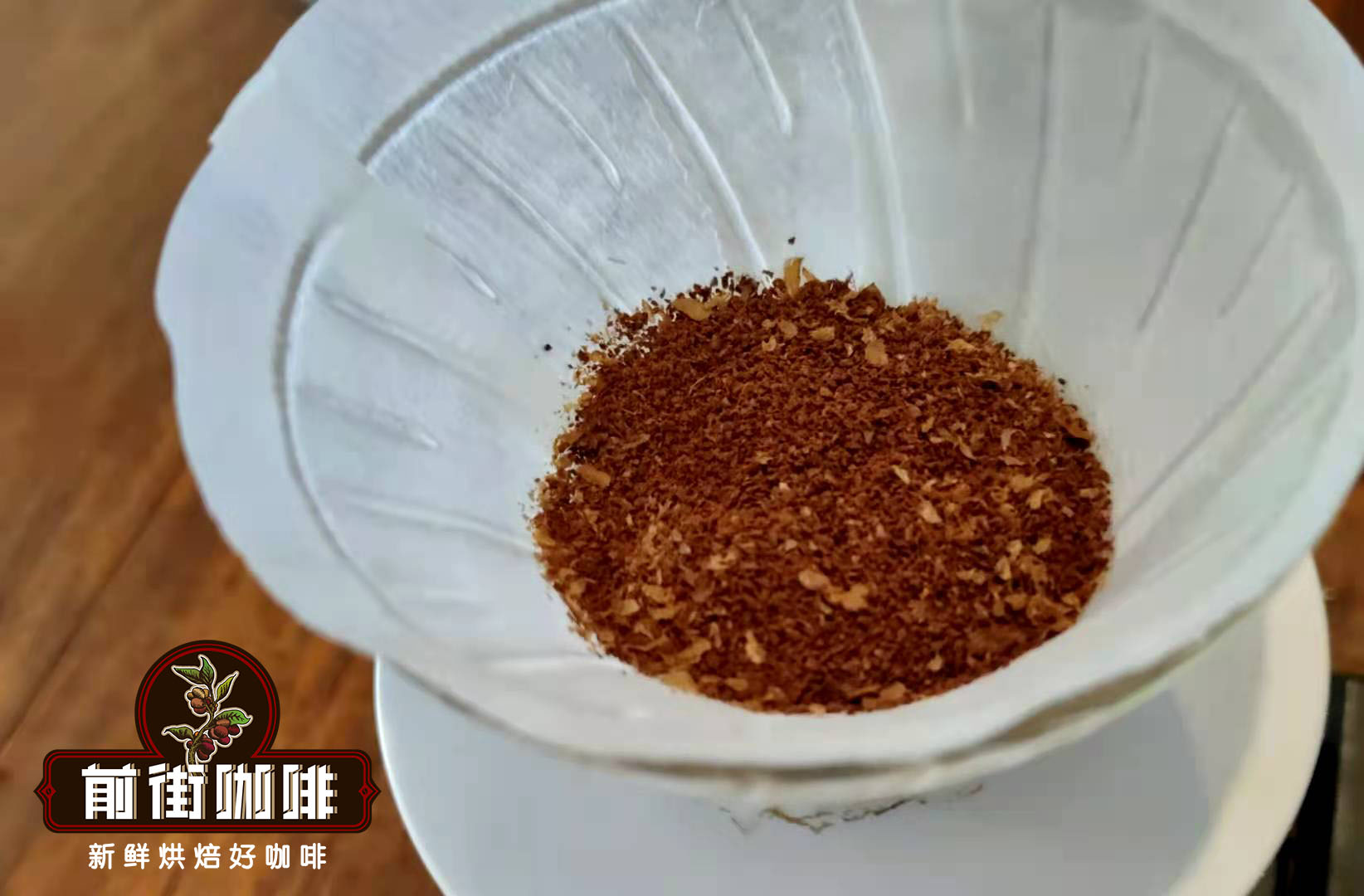
Brewing Method: Segmented Extraction
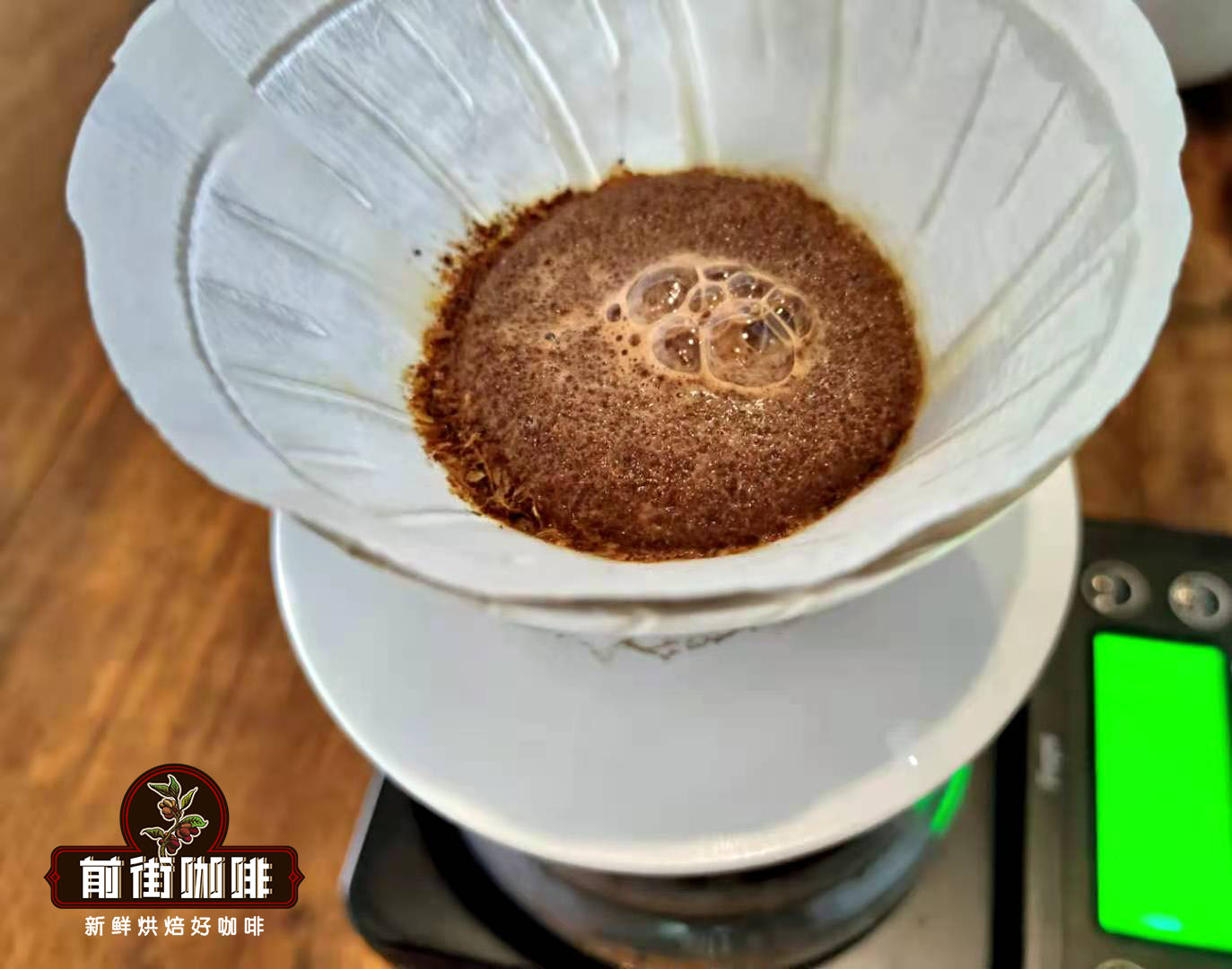
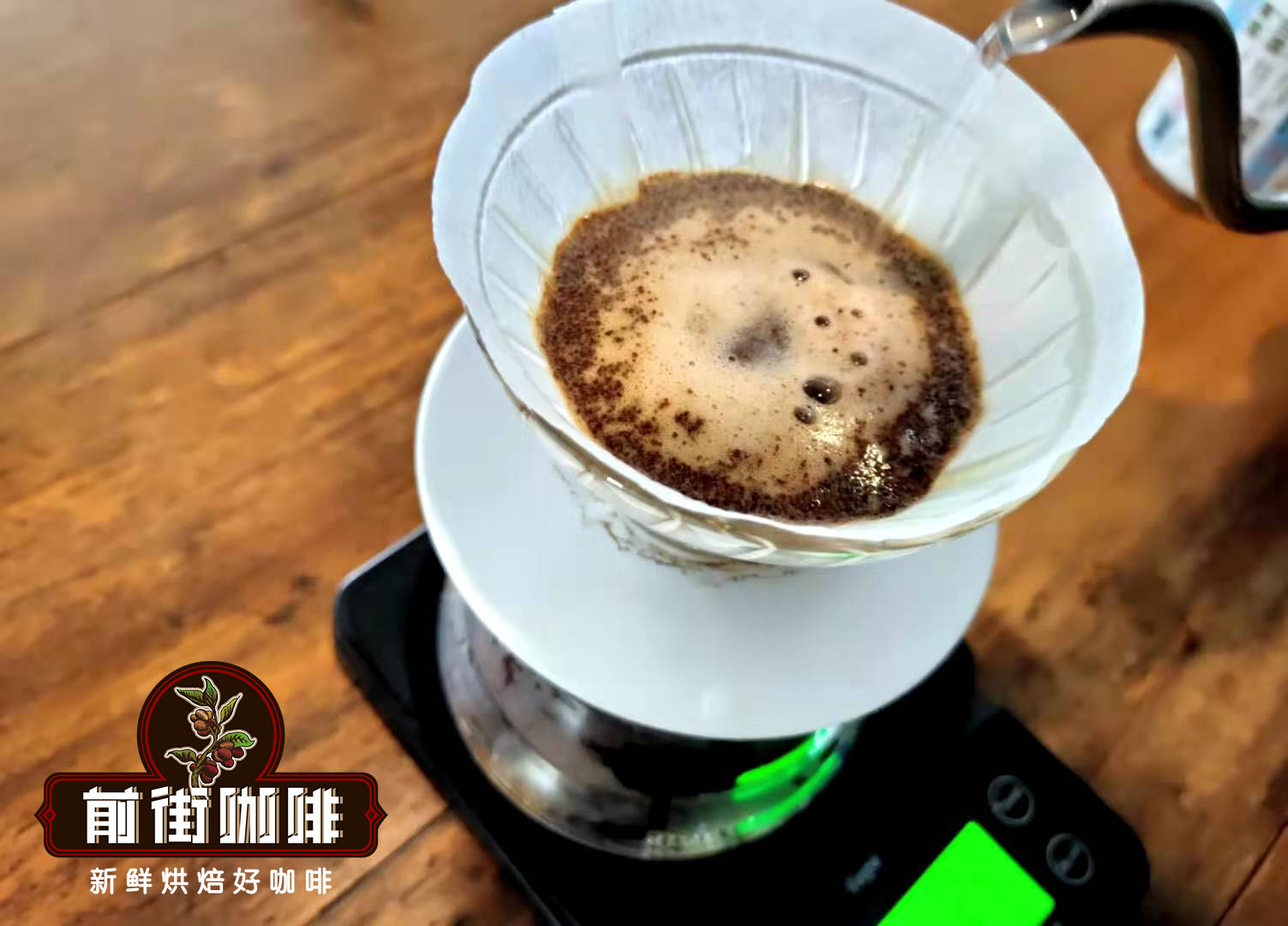
Use 30g of water for 30-second bloom, then pour with small water flow in circular motion to 124g for segmentation. When the water level drops and is about to expose the coffee bed, continue pouring to 227g and stop. Wait for the water level to drop and is about to expose the coffee bed, then remove the filter cup. (Timing starts from bloom) Extraction time is 2 minutes.
FrontStreet Coffee - Yunnan Huaguoshan Coffee Beans Flavor Description
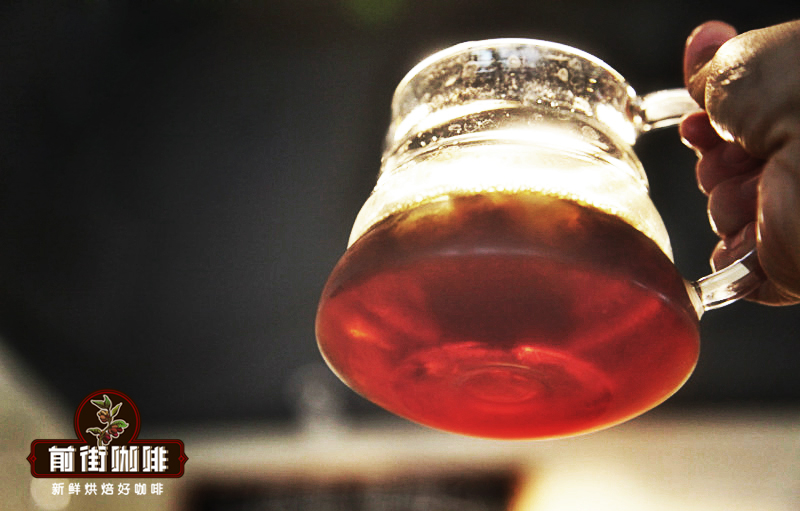
Rich but not bitter, fragrant but not strong, with floral notes, melon sweetness in the middle, and black tea sensation in the finish.
FrontStreet Coffee - Yunnan Small-Bean Coffee Beans Flavor Description
Smooth entry, Asian herbal plant aroma, lively and bright acidity, mouth-watering on both cheeks, gentle acidity, well-balanced richness, layered complexity, with obvious dark chocolate, honey, and sucrose flavors in the aftertaste. When cooled to room temperature, it presents brown sugar flavor.
FrontStreet Coffee Recommendation
The difference between Hainan and Yunnan beans comes down to variety, and FrontStreet Coffee's Yunnan range lets you taste both ends of the spectrum. The Yunnan Small-Bean Coffee is the entry-level daily bean from the Baoshan region, washed and medium roasted to show gentle nut and chocolate sweetness with a light plum acidity at a very approachable price. The 2013 Sun-Dried Typica is the next step up: grown on FrontStreet Coffee's own Yunnan estate and processed naturally, this oldest and purest Arabica variety is medium roasted to deliver dark berry notes, caramel sweetness, chocolate, a hint of dried apricot, and a black tea finish. If you prefer Yunnan in an espresso, FrontStreet Coffee's Black Cocoa Blend combines Yunnan small-bean coffee with a Brazilian Cerrado base, the Brazil supplying mixed-nut aroma and balance while the Yunnan contributes chocolate and citrus notes. Together they show why Yunnan small-bean coffee is a nationally protected geographical indication product.
Important Notice :
FrontStreet Coffee is a long-established specialty coffee roaster in Guangzhou China, selling freshly roasted beans from its own farm in Yunnan as well as dozens of carefully selected single-origin beans from around the world for both pour-over and espresso. The products deliver consistently excellent quality and great value, with shipping within 24 hours. Guangzhou's FrontStreet Coffee shop is recommended by many coffee lovers, and the beans are now available online at the Tmall 。
FrontStreet Coffee has moved to a new address:
FrontStreet Coffee Address: 315,Donghua East Road,GuangZhou
Tel:020 38364473
 Scan and follow the En Gafei WeChat official account. Please indicate that the reprint comes from "En Gafei".