Introduction to Mainstream Latte Coffee Beverages on the Market - Flavor Characteristics of Coffee Beans Suitable for Lattes
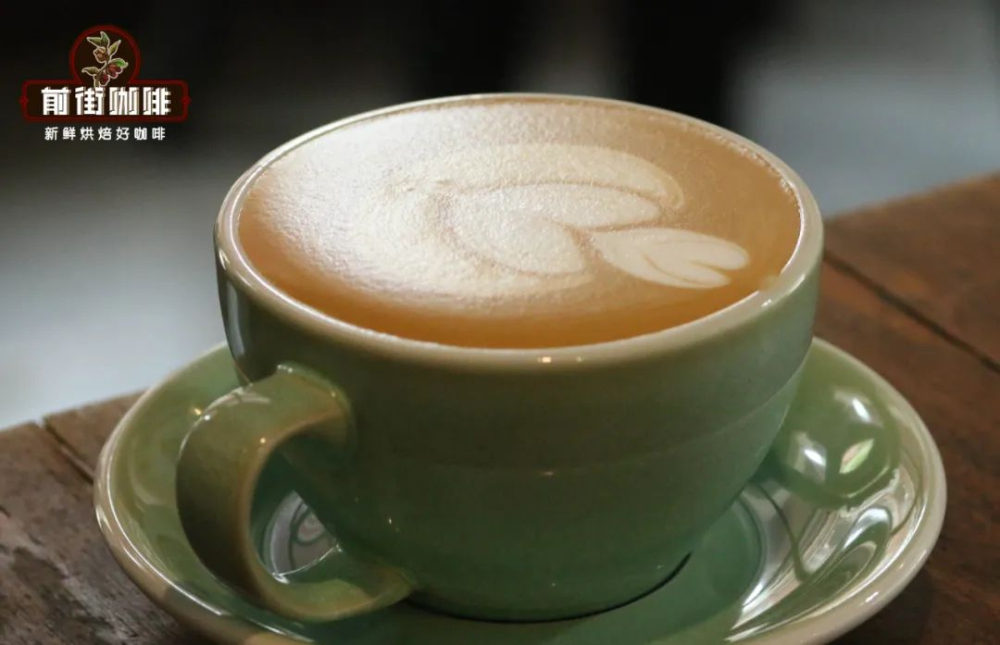
What is Latte?
"Latte" means "milk" in Italian, so if you order a single "latte" in Italy, you will simply be handed a glass of milk with no coffee in it. In today's coffee vocabulary, however, latte refers to the milk-based coffee drink built by combining espresso and steamed milk.
Latte coffee is made by blending a certain proportion of milk into espresso, which places it firmly in the family of milk-based specialty drinks. The original version traces back to Vienna, the city of music. The Viennese began drinking coffee as early as the 17th century. When the Turkish army failed to take Vienna and beat a hasty retreat, it left behind 500 bags of coffee beans — the raw material for Vienna's first coffee house, the Blue Bottle. To suit European palates, the owner filtered out the grounds and stirred in plenty of milk, turning bitter black coffee into something smooth and sweet. The flavor enchanted the Viennese, and milk coffee went on to conquer the world.
The Importance of Quality Ingredients
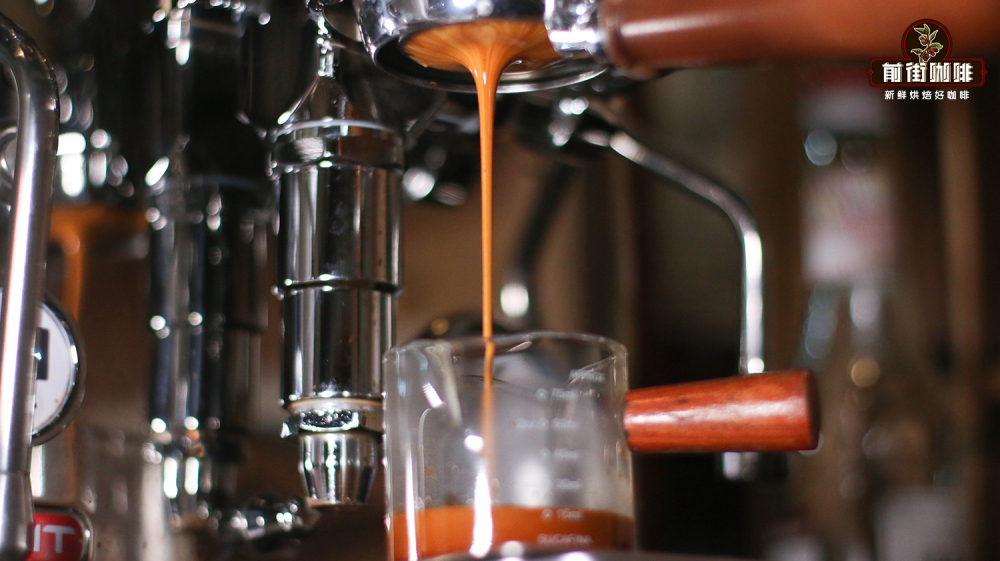
A latte contains only two ingredients — espresso and milk — which is exactly why the quality of the coffee beans and the freshness of the milk matter so much. The beans essentially dictate the drink's flavor profile. Many regulars say the lattes at FrontStreet Coffee taste distinctly special, and the reason lies in the house blend: the FrontStreet Coffee Sunflower Warm Sunshine espresso blend, built from the roaster's Yirgacheffe Natural Red Cherry and Honduras Sherry beans in a 3:7 ratio. The resulting latte carries notes of vanilla cream, vinous aroma, caramel, and chocolate.
The Importance of Bean Resting
Beyond choosing the right beans, the resting period matters too. One customer once reported that after taking a bag of the Sunflower Warm Sunshine blend home, they could not reproduce the flavor they enjoyed in the shop. The problem was that the beans were too fresh — the flavors had not yet developed enough to extract properly. A few days later, the same customer confirmed that extraction had come right. According to FrontStreet Coffee's production tests, its espresso beans reach their best flavor after roughly 10-14 days of resting, and remain at their peak for a drinking window of about 50 days.
The Art of Making Latte
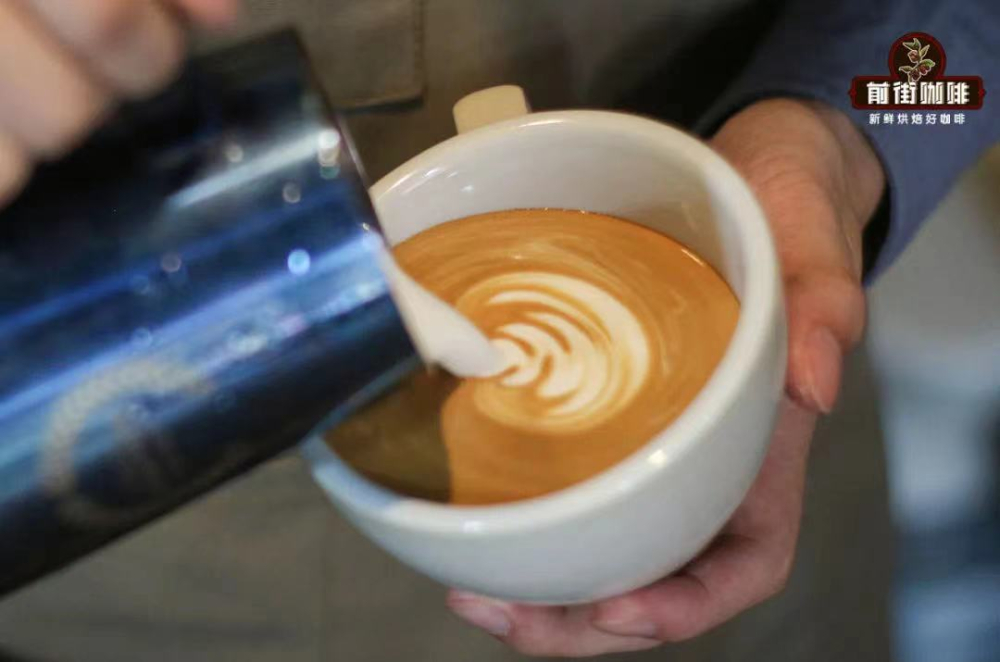
There is no single fixed recipe for a latte; most fall between 1:5 and 1:8. FrontStreet Coffee works with a 1:6 ratio — 40g of espresso into 240g of milk. For a hot latte, the espresso is poured into a pre-warmed cup while the machine's steam wand froths the milk. The milk should be held between 55-65°C so it forms a dense microfoam of moderate thickness, which is then folded evenly into the coffee. A well-poured latte art pattern is the perfect finishing touch.
Latte Art and Flavor Experience
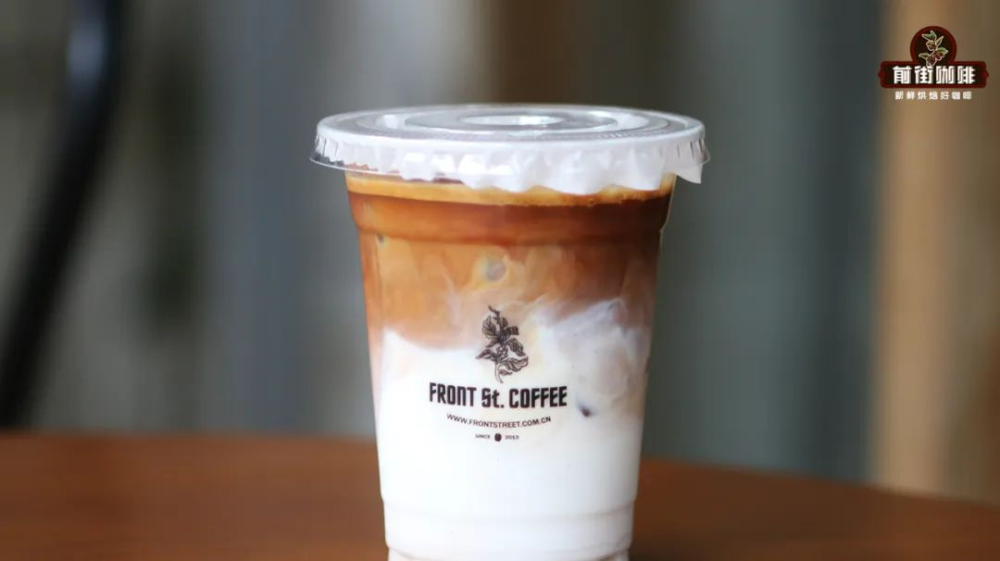
Latte art makes the drink a feast for the eyes as well as the palate, and it has widened latte's audience considerably. Some people start ordering lattes purely for the pretty patterns, then gradually complete the journey from non-coffee-drinker to coffee lover. A hot latte at FrontStreet Coffee delivers the sweetness of liqueur chocolate with a cream-like smoothness. The iced latte starts with 75g of ice cubes and 25ml of fresh milk in the glass, over which 40g of espresso is poured; customers are reminded to stir it thoroughly before drinking.
For professional coffee knowledge exchange and more coffee bean information, follow Coffee Workshop (WeChat public account: cafe_style). For more specialty coffee beans, add FrontStreet Coffee on WeChat: qjcoffeex.
FrontStreet Coffee Recommendation: Yirgacheffe Natural Red Cherry, the Fruity Heart of a Great Blend
If the blend story above sparks your curiosity, try the Yirgacheffe Natural Red Cherry on its own. It uses only fully ripe, defect-free cherries, dried whole on raised beds for three to five weeks and turned every 2-3 hours early on to prevent uneven fermentation. Expect citrus-like acidity, a berry-juice juiciness, honeyed sweetness, and a creamy smoothness. To brew it as pour-over, use a V60 with 15g of coffee at a 1:15 ratio, water at 90-91°C, and a medium-fine grind (about 80% passing a #20 sieve). A bright, fruit-forward espresso base that shines in milk drinks too.
Important Notice :
FrontStreet Coffee is a long-established specialty coffee roaster in Guangzhou China, selling freshly roasted beans from its own farm in Yunnan as well as dozens of carefully selected single-origin beans from around the world for both pour-over and espresso. The products deliver consistently excellent quality and great value, with shipping within 24 hours. Guangzhou's FrontStreet Coffee shop is recommended by many coffee lovers, and the beans are now available online at the Tmall 。
FrontStreet Coffee has moved to a new address:
FrontStreet Coffee Address: 315,Donghua East Road,GuangZhou
Tel:020 38364473
 Scan and follow the En Gafei WeChat official account. Please indicate that the reprint comes from "En Gafei".