What Are the Main Types of Coffee Drinks? The Differences Between Americano, Latte, Cappuccino, and Mocha
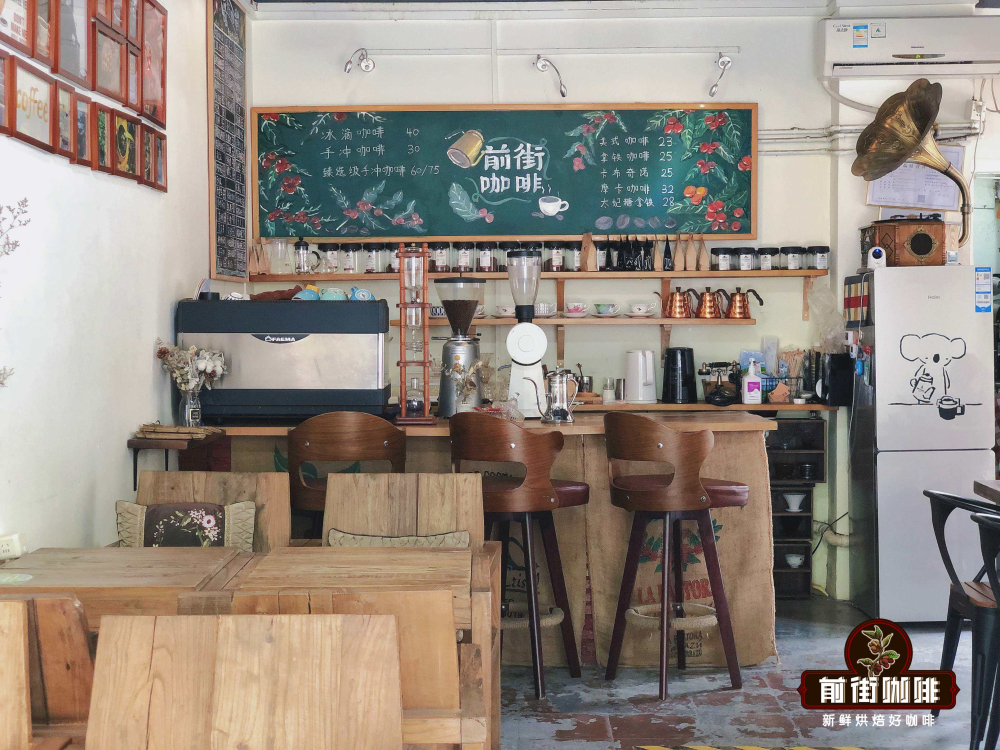
With international coffee chains such as Starbucks and Costa opening stores in China, a coffee craze has swept the country, and countless merchants keep reinventing their drinks. Beyond premium specialty coffee, instant coffee and coffee drinks remain hugely popular as well. So what are the main categories of coffee beverages today, and how do they taste? FrontStreet Coffee offers a brief introduction.
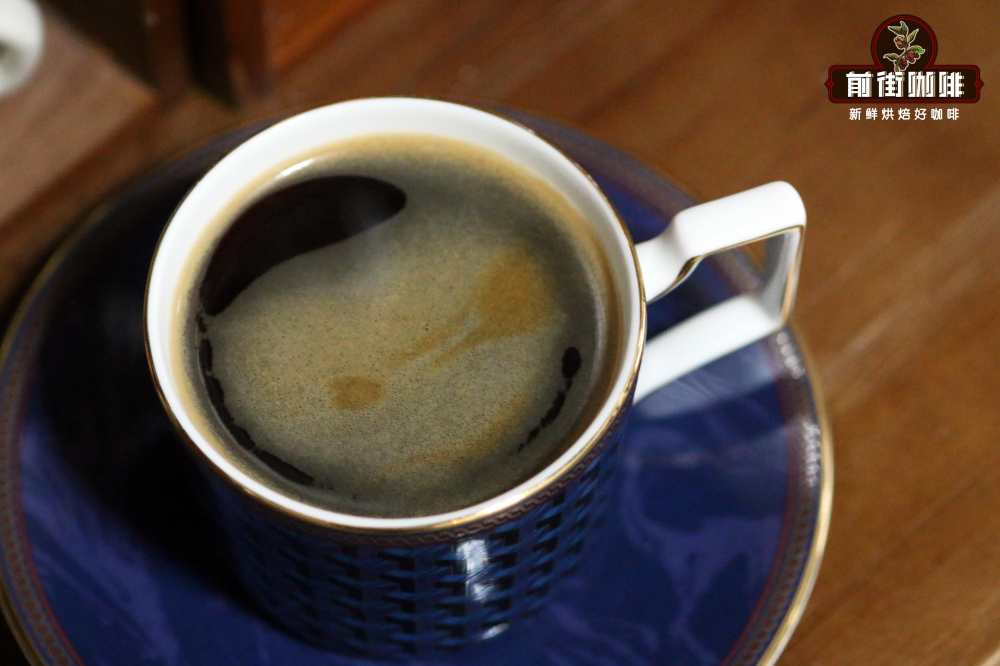
Americano
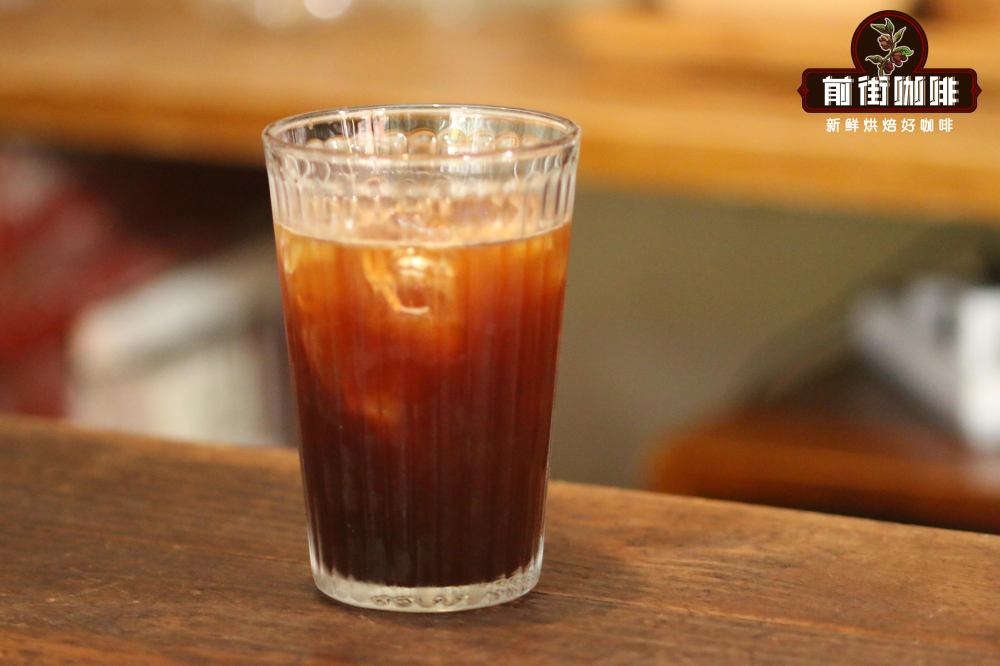
An Americano is a black coffee made from espresso and water, with nothing else added. During World War II, coffee was extremely popular in the US military. Americans found espresso too bitter, so they diluted it with water to a strength they could accept. Later, Italians who opened cafes in America adapted to local taste by serving this watered-down version of espresso, and it caught on widely.
There is no fixed ratio for an Americano, and each shop sets its own standard to showcase the coffee's character. After multiple tests, FrontStreet Coffee settled on 1:6: pour 40g of espresso into 240g of 88°C hot water for a hot Americano. For an iced Americano, replace the hot water with 120g of ice cubes and 120g of room-temperature water, and drink it before the ice melts completely. FrontStreet Coffee's iced Americano shows rich whiskey aromas with berry sweetness and acidity and a refreshing, clean finish, making it especially popular at the Guangzhou stores in hot weather. The hot Americano emphasizes roasted nuts and chocolate richness with a tropical-fruit fermented acidity and a vanilla aftertaste.
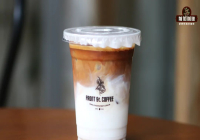
Latte
Roughly 60% of the coffee drinks on the market are marketed as lattes, largely because a latte is easier for Chinese consumers to accept: it uses sweet milk as the base with espresso added, so it stays approachable even for people who are not used to coffee.
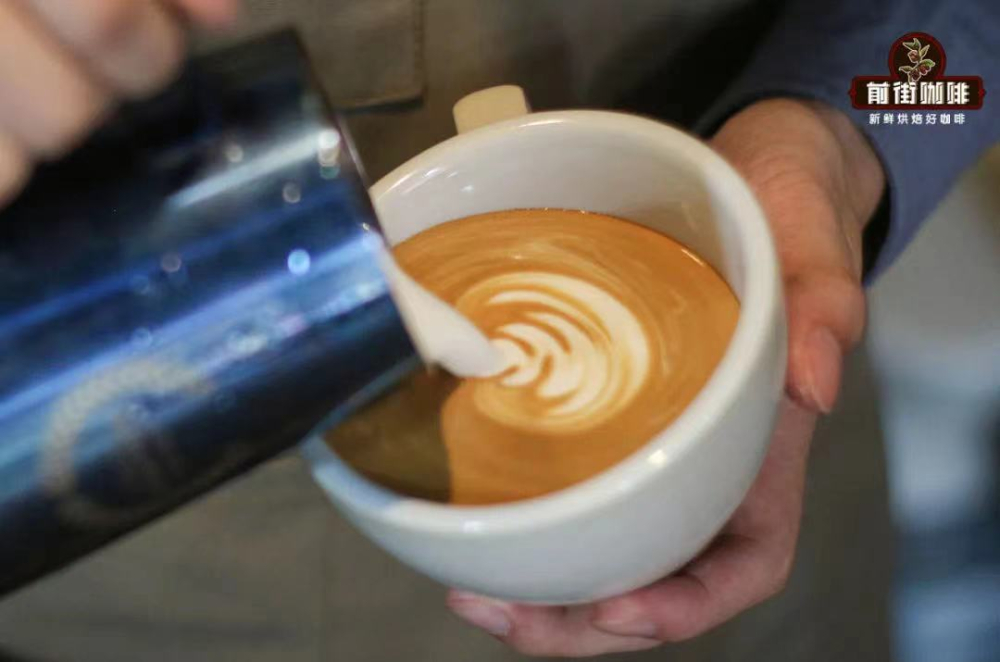
A latte's ingredients are simple - just espresso and milk - with no fixed ratio, though it usually falls between 1:5 and 1:8. FrontStreet Coffee uses 1:6: 40g of espresso to 240g of milk. For a hot latte, FrontStreet Coffee adds the espresso to a pre-warmed cup, then steams the milk with the espresso machine's steam wand, holding the milk temperature between 55-65°C to build fine, appropriately thick foam, and folds it evenly into the espresso. The finished latte art is the final touch. FrontStreet Coffee's hot latte shows liqueur-like chocolate sweetness and a cream-smooth texture. The iced latte starts with 75g of ice cubes and 25ml of fresh milk, then 40g of espresso is extracted and poured over the top; customers are reminded to stir thoroughly before drinking.
Cappuccino
Like a latte, a cappuccino consists only of milk and coffee, but it carries a very fine, rich layer of foam on top. A traditional cappuccino typically follows a ratio of espresso, milk, and foam at 1:1:1, though a cappuccino made exactly to that standard would be very concentrated, with foam so thick the coffee becomes hard to drink. The biggest difference between a cappuccino and a latte is that the cappuccino's essence lies in its fine foam, which supplies a full, delicate texture, with the foam and espresso blended together until the cup is filled to the brim (11/10 full).

FrontStreet Coffee's cappuccino focuses on a small cup size (180ml), a brim-full pour (11/10), strong coffee flavor, and fine, thick foam. That means a double espresso as the base, with 150ml of milk steamed into thick foam and incorporated. FrontStreet Coffee's cappuccino tastes like rich chocolate milk, and the fine foam adds considerable texture to the coffee.
Flat White
A flat white, also called an "Australian white," is a drink Australians created by adjusting the proportions of a hot latte. There are mainly two differences.
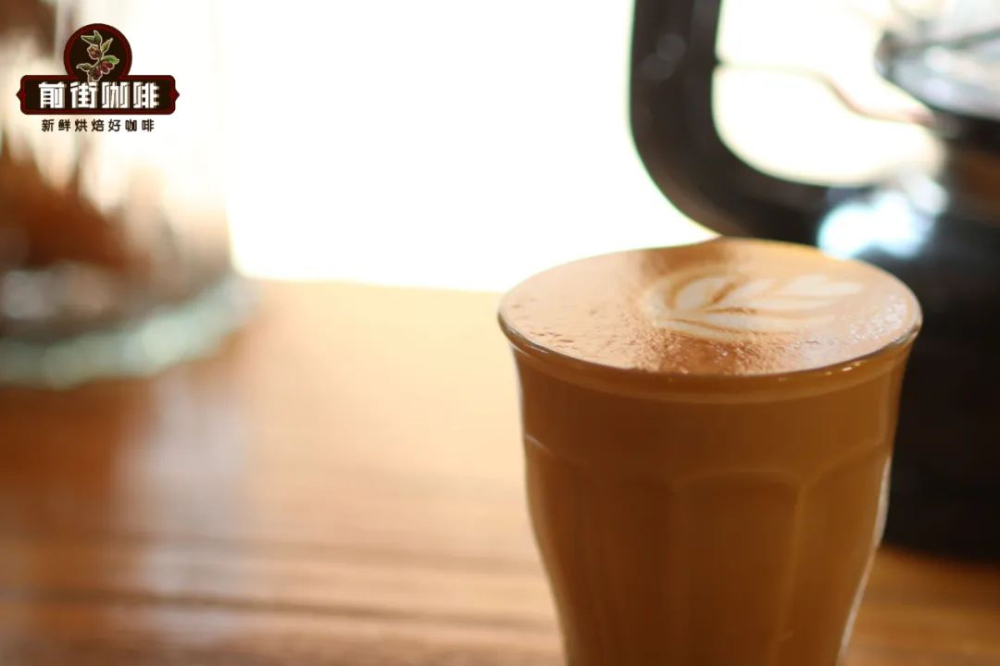
A flat white uses a base called a ristretto. Australians wanted a milk coffee with a stronger coffee flavor and believed the latter part of an espresso would dilute the taste, so they take only the early to middle portion of the shot, "restricting" the rest - hence the name ristretto. When drinking a flat white, you will notice its cup is smaller than a hot latte's. With less espresso, the coffee flavor would be hard to bring out when mixed with the same amount of milk as a latte, so the proportion of hot milk is reduced as well, producing hot milk with thin foam, folded in evenly with no thick foam layer, and the coffee typically sitting level with the cup rim. That is why it is called a "flat white": flat means flat, and white refers to white coffee with milk added.
FrontStreet Coffee's flat white typically uses 20g of coffee grounds to extract a double ristretto (about 30g), poured into a 200ml cup as the base, with a milk ratio of 1:5, meaning 150ml of hot milk, and foam kept as thin as possible to highlight the rich coffee flavor. FrontStreet Coffee's flat white carries not only whiskey aromas, cream, and vanilla flavors but also a berry-like acidity, presenting a full coffee aroma.
Mocha
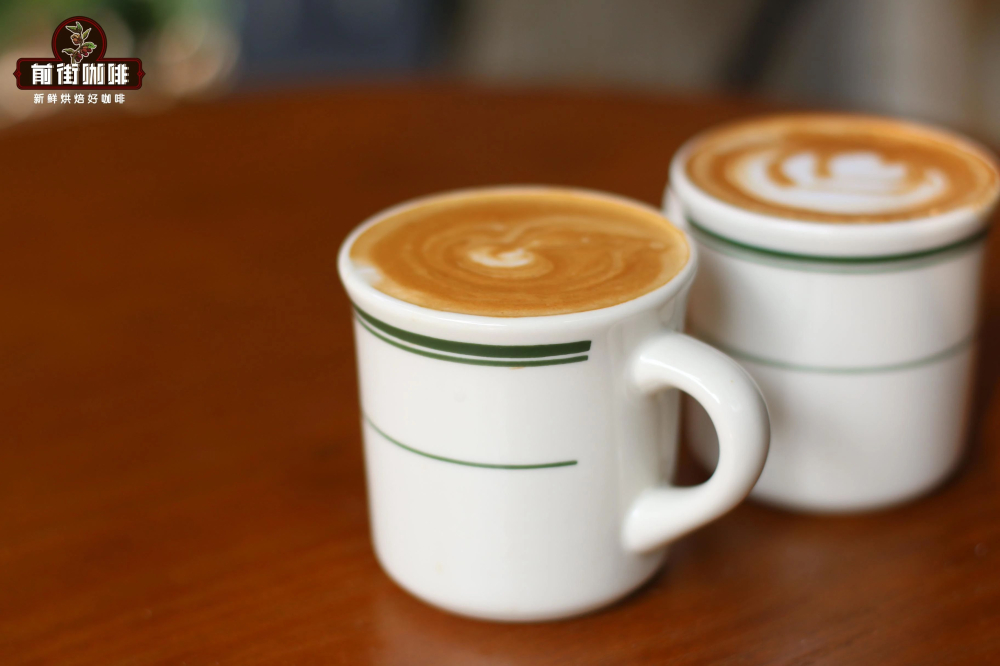
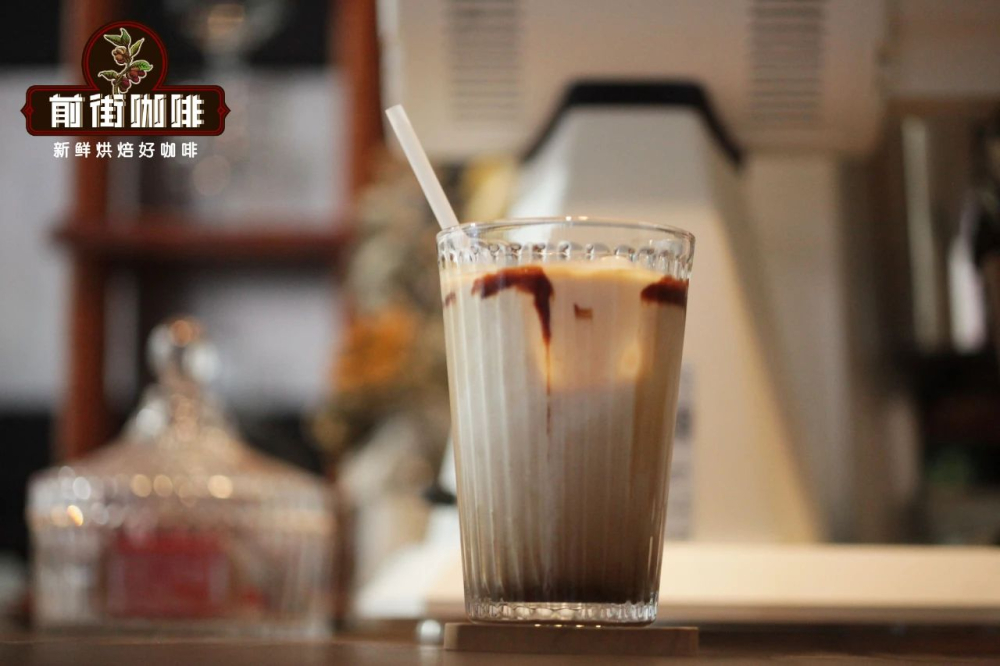
Beyond these basic espresso coffees that add only water and milk, different flavored syrups can be introduced - a good example being the popular mocha, named after the coffee origin Mocha. Classic mocha coffee has rich dark cocoa aromas, and the Italian version adds chocolate sauce, powder, or blocks to emphasize that character. To make a hot mocha, FrontStreet Coffee adds 15g of chocolate sauce to the espresso, mixes thoroughly, then folds in steamed hot milk with latte art, and finally sprinkles cocoa powder on top to enhance the chocolate aroma and texture. An iced mocha is made by adding 15g of chocolate sauce to the espresso in an iced latte.
Pour-Over Coffee
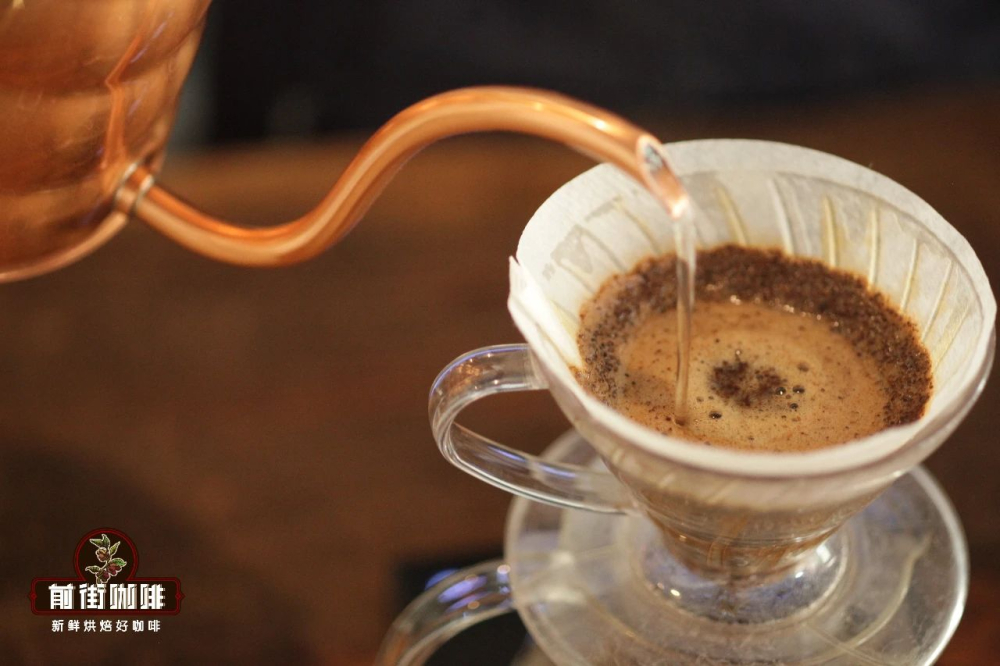
Pour-over coffee first grinds the beans into powder, then pours hot water evenly over the grounds to dissolve the soluble material. In essence it uses a pour-over cone with filter paper or another tool to filter the grounds out and keep them from dropping into the lower vessel, yielding a cup of clear-tasting black coffee. Many kinds of beans suit pour-over. Different varieties, origins, and processing methods, combined with the brewer's understanding and adjustment of the parameters, produce more or less variation in the coffee's character, letting tasters experience coffee's purest aromas. The dozens of single-origin coffees on FrontStreet Coffee's menu, for instance, can all be extracted by pour-over.
Each of these drinks comes back to the same base: a well-extracted espresso and the quality of the beans behind it, which is why choosing the right bean matters as much as mastering the recipe.
Whether you prefer an unadorned black coffee or a milk-based drink, the goal at FrontStreet Coffee is the same: to serve coffee roasted fresh, so that every recipe begins from beans at their best.
FrontStreet Coffee Recommendation
If the cappuccino section left you wanting to make one at home, the drink comes down to three things: espresso, milk, and a sturdy, thick foam. Start with the shot. FrontStreet Coffee pulls a cappuccino base at 20g of grounds, a 1:2 coffee-to-liquid ratio, and a 30-second extraction time, which gives a strong yet properly extracted shot with good flavor and body - for the demonstration the shot was taken to 40ml over 32 seconds.
Because a cappuccino is defined by that thick, pillowy foam and a deep, rich coffee flavor, FrontStreet Coffee recommends beans built for espresso machines. FrontStreet's Classic Blend is the crema standout, designed for espresso and moka pot use, and even a beginner on a non-professional home machine can pull dense, fine crema from it, which is exactly what a latte, cappuccino, or Dirty needs; the Black Cocoa Base Blend is the value pick for newcomers and cafe owners who want good flavor at a sensible price. If you want a floral-fruity cappuccino, FrontStreet Strawberry Candy, an espresso blend, brings berry, rose, raisin, and fruit-candy aromas. If you prefer something fresh and not bitter, FrontStreet Granada Geisha SOE is a natural-process, medium-roast single origin with berry, orange, and persimmon notes that turn creamy-sweet when paired with milk.
The finishing touch is the golden ring that makes a cappuccino so satisfying: the outer ring of color comes from the espresso and the inner circle is filled with milk foam. It is not difficult to do. Pull the espresso and pour it into your prepared cup. While the shot is running, steam the milk, and because no latte art is needed, push the foam thick and dense. Then take a spoon, place a scoop of foam into the very center, and fill the middle with foam into a circle. Finally, swirl the pitcher so the foam and milk recombine, and pour straight into the center of the cup; since the surface is all foam, there is no need to worry about the coffee overflowing, so pour confidently until the cup is 11/10 full.
Important Notice :
FrontStreet Coffee is a long-established specialty coffee roaster in Guangzhou China, selling freshly roasted beans from its own farm in Yunnan as well as dozens of carefully selected single-origin beans from around the world for both pour-over and espresso. The products deliver consistently excellent quality and great value, with shipping within 24 hours. Guangzhou's FrontStreet Coffee shop is recommended by many coffee lovers, and the beans are now available online at the Tmall 。
FrontStreet Coffee has moved to a new address:
FrontStreet Coffee Address: 315,Donghua East Road,GuangZhou
Tel:020 38364473
 Scan and follow the En Gafei WeChat official account. Please indicate that the reprint comes from "En Gafei".