How Much Does Authentic Indonesian Kopi Luwak Cost? Is 396 RMB Per Cup for Civet Coffee Normal?
What Is Kopi Luwak? The World's Most Expensive Coffee
Anyone who has been to Bali has heard of Kopi Luwak. It is, for now, the most expensive coffee in the world.
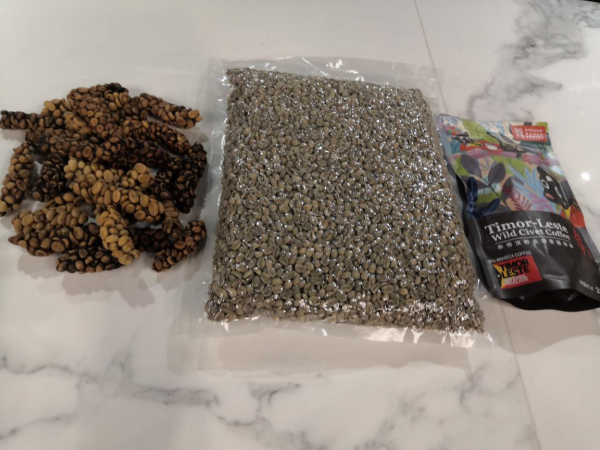
It sells for $1,200 per kilogram in the United States and £50 per cup in London, and at the 2010 Shanghai World Expo a cup of Kopi Luwak went for 396 RMB. Yet on Taobao, Kopi Luwak beans cost only 200 RMB for 100g, which sounds impossible. So what does Kopi Luwak actually cost, and are the beans sold online genuine?
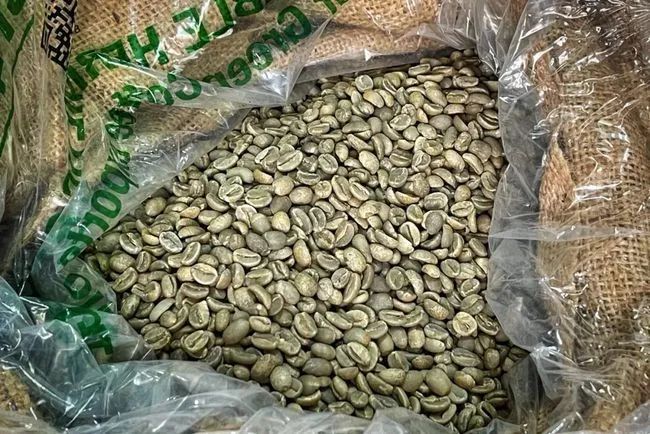
In truth, there is no such thing as fake Kopi Luwak. Kopi Luwak is simply coffee beans that a civet has excreted after eating coffee fruit. What commands the higher price is wild Kopi Luwak, and the price also depends on origin: Indonesian is more expensive than Vietnamese, and Vietnamese more expensive than Yunnan. Cheaper Kopi Luwak comes from captive-bred civets. In theory all of it is genuine Kopi Luwak, but it is generally agreed that wild Kopi Luwak has the truest flavor.
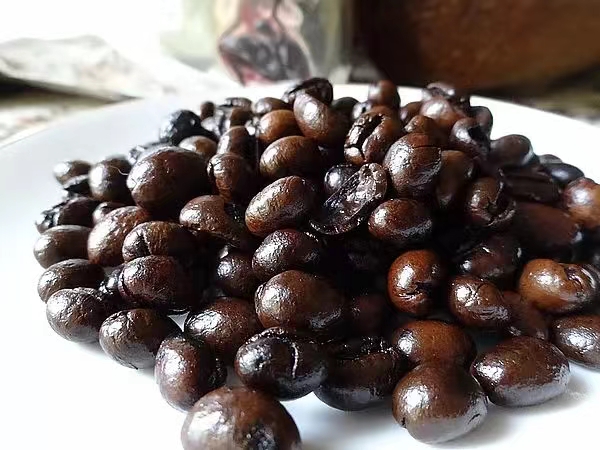
The Collection Process
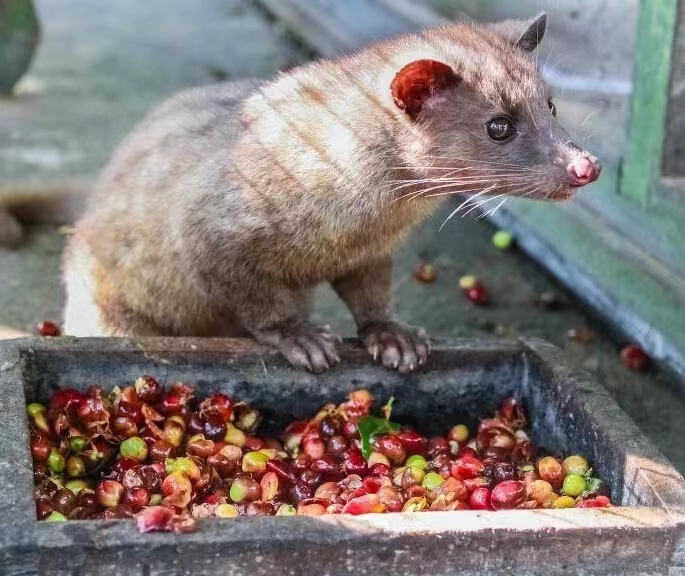
Wild Kopi Luwak is gathered by workers who collect civet droppings and pick out the undigested coffee beans from the foul-smelling waste, though Indonesians insist it does not smell.
The animal is not an ordinary cat but the Asian palm civet, which belongs to the civet family. Its head and facial fur are black and white, its body grayish-black, and its shape and tail are cat-like; some Chinese observers call it the fruit-eating civet. Civets are active at night, so every early morning workers head up the mountain to collect droppings. Wait until noon and the beans will often over-ferment and spoil, which is why Kopi Luwak must be gathered before dawn for cleaning and drying.
The Magical Digestive Process
The civet's intestines contain a special digestive fluid loaded with lactic acid bacteria. When coffee beans meet those bacteria under the right temperature and conditions, fermentation begins. The proteins in the beans break down into smaller particles, or small-molecule enzymes, and when the beans are later roasted those enzymes react chemically with the coffee's carbohydrates and sugars. The result removes the bitterness and produces a mysterious, intense aroma.
The civet's stomach is a remarkable processing plant, and countless experiments have shown that no processing method in the world compares to it. Once a bean emerges in the civet's droppings, it becomes the royalty of coffee: noble and without equal.
Why Wild Kopi Luwak Is So Expensive
The reason wild Kopi Luwak costs so much, beyond its unforgettable aroma, is above all that production is extremely scarce and unstable. Seen through the logic of scarcity creating value, wild Kopi Luwak easily becomes astronomically expensive.
Captive-bred Kopi Luwak, by contrast, has stable production, but the restricted diet of caged civets makes their digestion monotonous, and the resulting coffee is comparatively less flavorful, which is why it costs less.
FrontStreet Coffee Recommendation
If what draws you to Kopi Luwak is its rarity rather than its flavor, FrontStreet Coffee suggests spending the same money on Chinese-grown coffee instead. Yunnan has been producing specialty Arabica for over a century, and for the price of a single cup of Luwak you can drink well for weeks.
FrontStreet Yunnan Small Bean - From the Baoshan region, washed and roasted medium, this is the most friendly introduction to Yunnan coffee. Soft nut and chocolate sweetness with a light plum acidity, it is a clean, approachable, and importantly affordable daily cup.
FrontStreet 2013 Yunnan Natural Typica - FrontStreet planted its own Typica trees in Yunnan in 2013. Only fully ripe red cherries are used, sun-dried, then roasted medium for balance. The result leans toward dark berries, with caramel sweetness, chocolate, and a hint of dried apricot, finishing like black tea.
FrontStreet Black Cocoa Blend - A Yunnan-and-Brazil blend built for espresso. Brazil supplies the mixed nut aroma and balance, while the Yunnan small bean brings chocolate and citrus. As an Americano it is sweet, sour, and bitter in even measure with nut and brown sugar notes; with milk it turns into an almond-and-cream latte that beginners find very forgiving.
Important Notice :
FrontStreet Coffee is a long-established specialty coffee roaster in Guangzhou China, selling freshly roasted beans from its own farm in Yunnan as well as dozens of carefully selected single-origin beans from around the world for both pour-over and espresso. The products deliver consistently excellent quality and great value, with shipping within 24 hours. Guangzhou's FrontStreet Coffee shop is recommended by many coffee lovers, and the beans are now available online at the Tmall 。
FrontStreet Coffee has moved to a new address:
FrontStreet Coffee Address: 315,Donghua East Road,GuangZhou
Tel:020 38364473
 Scan and follow the En Gafei WeChat official account. Please indicate that the reprint comes from "En Gafei".