Espresso Fundamentals: What are the Flavor Characteristics of Italian-Style Coffee?
For professional coffee knowledge exchange and more coffee bean information, please follow Coffee Workshop (WeChat public account: cafe_style)
For more premium coffee beans, please add FrontStreet Coffee's private WeChat account: qjcoffeex
Understanding Espresso Coffee
When it comes to espresso coffee, many people's first reaction is bitterness alone:
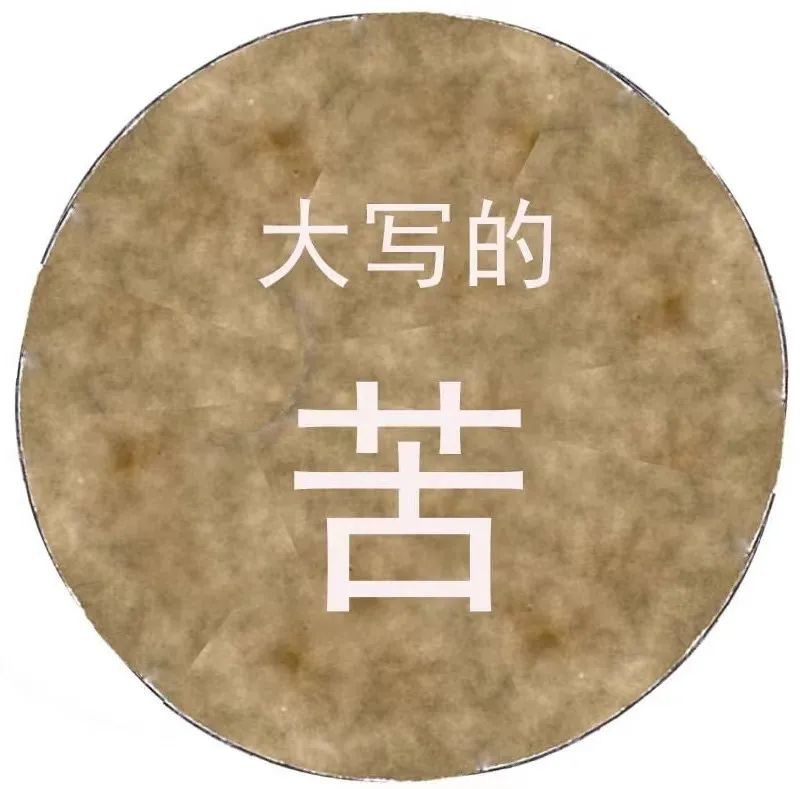
In reality, a good espresso coffee doesn't just have bitterness—its flavor characteristics can be divided into four parts: aroma, acidity, flavor, and body.
The Importance of Freshness
To achieve good aroma and flavor in espresso coffee, besides the good quality of the coffee beans themselves and appropriate roasting, the most important factor is freshness. After coffee beans are roasted, carbon dioxide gradually decreases over time, and aroma and flavor are carried away by that carbon dioxide. Therefore, the longer the coffee is stored, the less flavor it has.
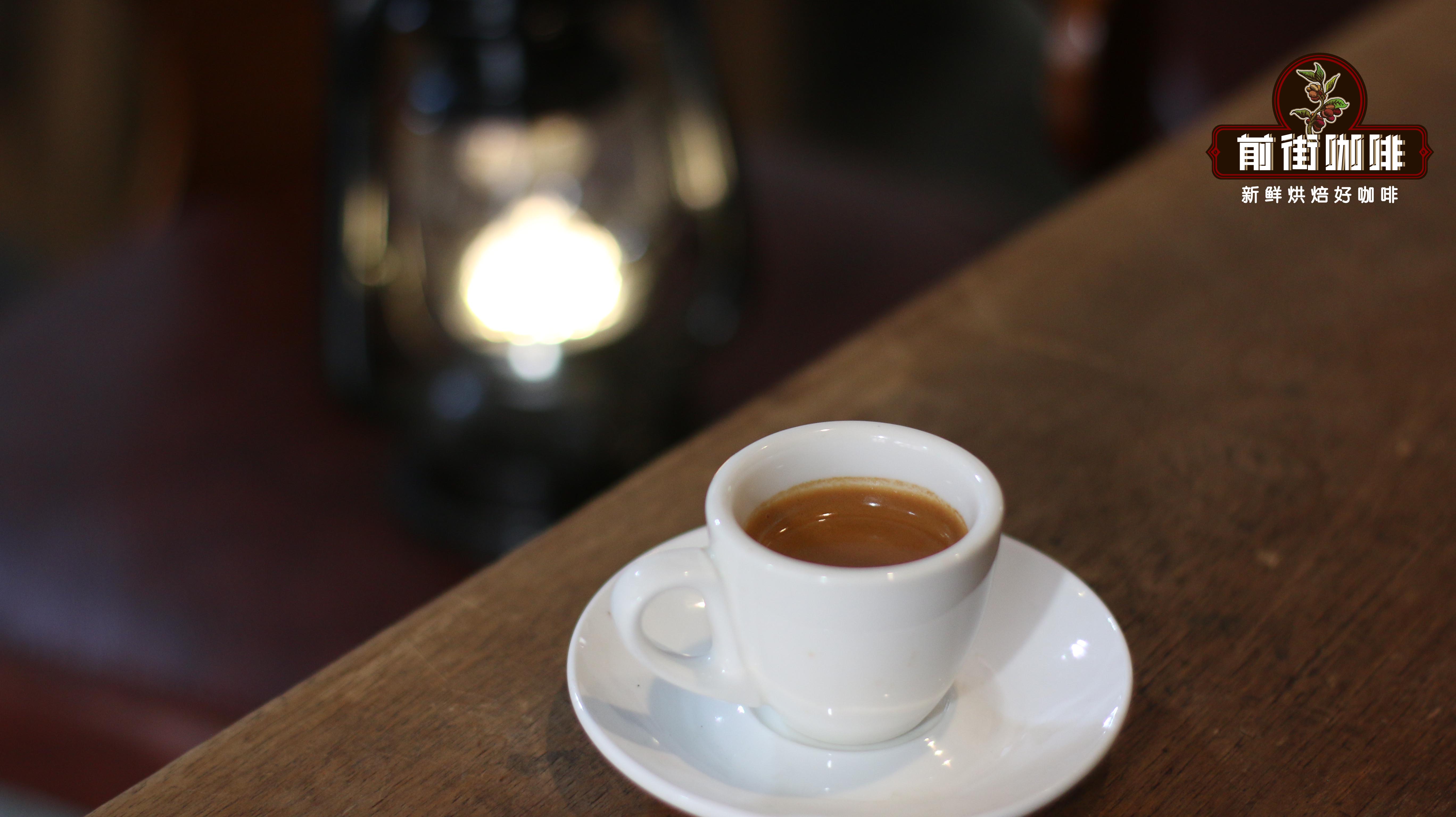
The coffee beans currently sold by FrontStreet Coffee, whether single-origin or espresso blend, are all shipped within 5 days after roasting is completed, ensuring the beans are in their freshest state when shipped. According to FrontStreet Coffee's café production experience, the 4 espresso blend coffee beans offered by FrontStreet Coffee achieve more stable extraction 7 days after the roasting date. Within 7-40 days after roasting, this is the optimal tasting period for coffee flavor and aroma.
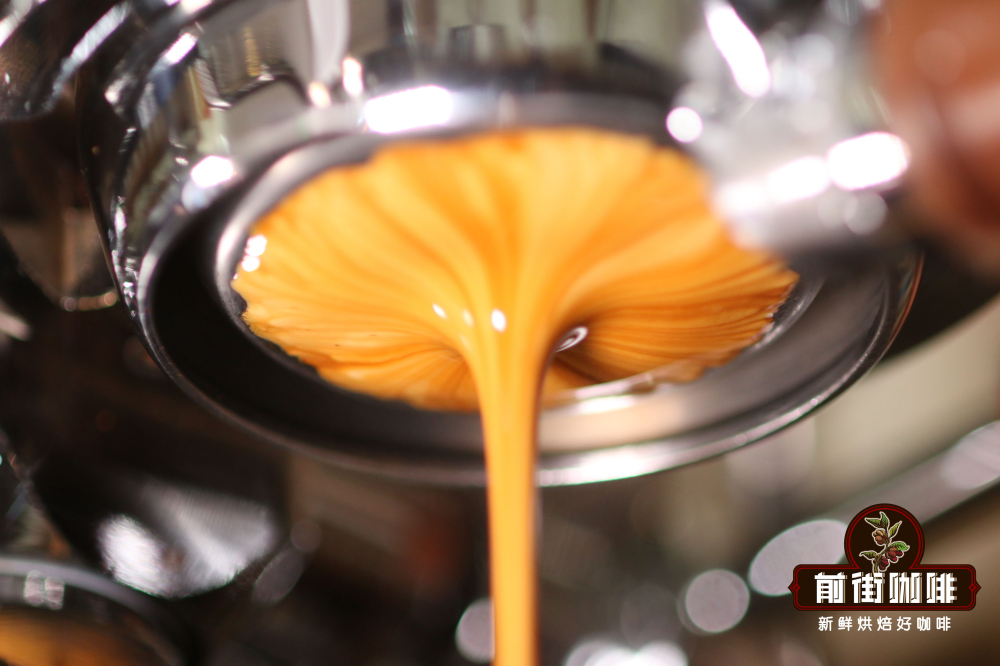
Acidity in Espresso Coffee
The acidity of espresso coffee depends on the coffee bean variety itself and the degree of roasting, although coffee shops typically use medium-dark roasted coffee beans to make espresso coffee to ensure a rich, full-bodied flavor.
Some coffee beans from African, Central, and South American regions have rich acidity of their own. As long as they're not roasted to be completely black, the extracted espresso coffee will also carry some acidity.
FrontStreet Coffee's Espresso Blends
FrontStreet Coffee currently offers 4 types of espresso blend coffee beans:
The "Sunflower Warm Sun Blend Coffee Beans," made from Ethiopian natural red cherry coffee beans (30%) + Honduras sherry barrel coffee beans (70%), features rich wine aroma, vanilla cream, and sweet-and-sour berry flavors, with roasted nut-like flavor characteristics.
The "FrontStreet Coffee - Premium Blend Coffee Beans," made from Colombian washed coffee beans (30%) + Brazilian semi-natural coffee beans (70%), features nuts, dark chocolate, soft fruit acidity, and caramel-like flavor characteristics.
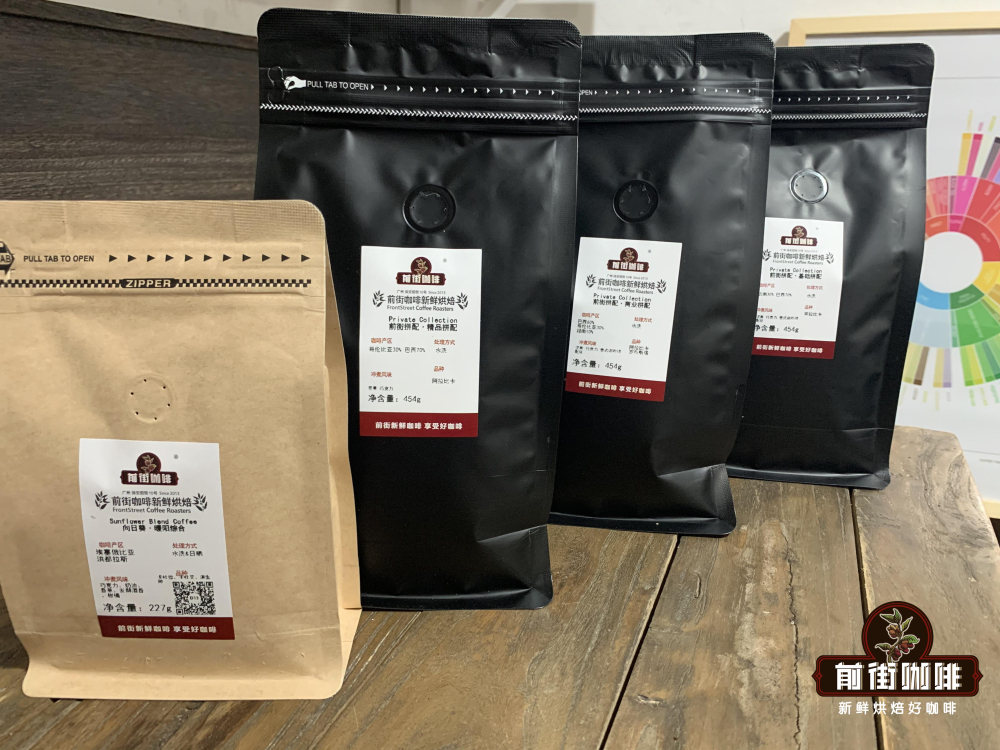
The "FrontStreet Coffee - Commercial Blend Coffee Beans," made from Robusta washed coffee beans (10%) + Colombian washed coffee beans (30%) + Brazilian semi-natural coffee (60%), features nuts, cocoa, and caramel-like flavor characteristics.
The "FrontStreet Coffee - Basic Blend Coffee Beans," made from Yunnan washed small-grain coffee beans (30%) + Brazilian semi-natural coffee beans (70%), features soft fruit acidity, caramel, and nut-like flavor characteristics.
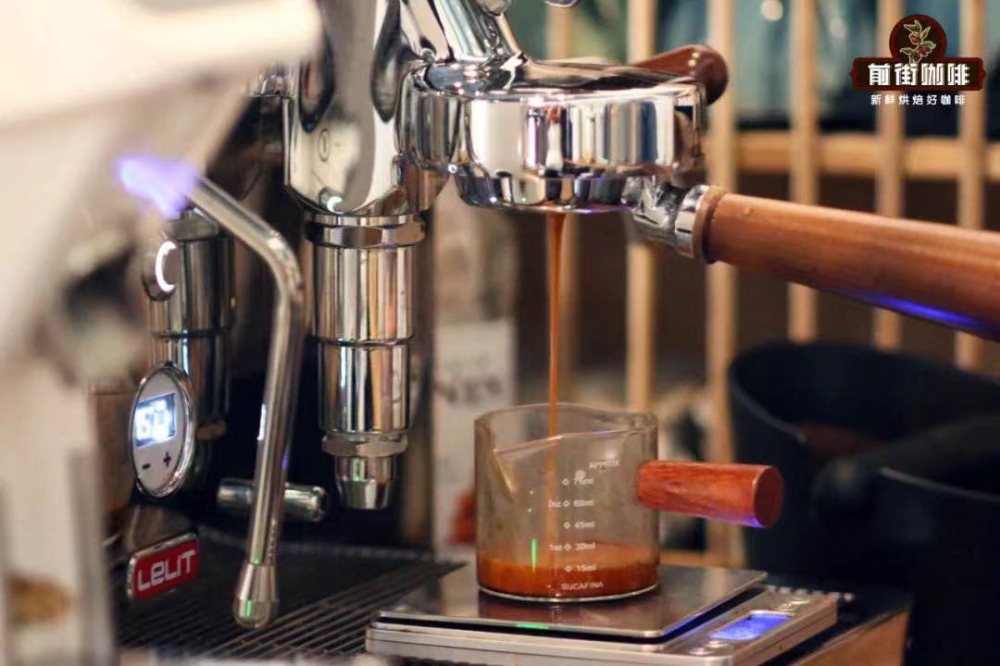
Among these, the "Sunflower Warm Sun Blend," "Premium Blend," and "Basic Blend" all have varying degrees of soft acidity. The "Commercial Blend," however, has reduced acidity in the extracted espresso due to the addition of a small amount of Robusta coffee beans.
FrontStreet Coffee Recommendation
If you are choosing beans for espresso at home, FrontStreet Coffee's blends are the natural starting point. The FrontStreet Classic Blend is designed specifically for espresso and moka pot brewing, and its biggest strength is outstanding crema: even a beginner on a non-professional home machine can pull a dense, silky crema. Built on a traditional Mamba-style recipe, it is full-bodied and mellow, an easy pick for both newcomers and seasoned drinkers.
For those who chase nutty notes, the FrontStreet Premium Blend and Black Cocoa Blend rely on a high proportion of Brazilian beans for a comfortable bittersweet taste and a creamy peanut aroma, with a remarkably smooth entry. FrontStreet Coffee's Premium Blend adds the nutty, chocolate, and caramel notes of Colombian coffee along with a pleasant acidity, while FrontStreet Coffee's Black Cocoa Blend pairs the plum-like acidity of Yunnan small-grain coffee with a creamy chocolate aroma—well balanced and highly versatile for lattes, americanos, and specialty drinks alike.
For traditional-style americanos and lattes, the FrontStreet Classic Blend and Commercial Blend both build on an old-school Italian recipe with a small amount of Robusta added, so extraction delivers butter, nut, spice, dark chocolate, and toast aromas—a wild, hefty body that still yields a golden crema and makes latte art effortless.
Important Notice :
FrontStreet Coffee is a long-established specialty coffee roaster in Guangzhou China, selling freshly roasted beans from its own farm in Yunnan as well as dozens of carefully selected single-origin beans from around the world for both pour-over and espresso. The products deliver consistently excellent quality and great value, with shipping within 24 hours. Guangzhou's FrontStreet Coffee shop is recommended by many coffee lovers, and the beans are now available online at the Tmall 。
FrontStreet Coffee has moved to a new address:
FrontStreet Coffee Address: 315,Donghua East Road,GuangZhou
Tel:020 38364473
 Scan and follow the En Gafei WeChat official account. Please indicate that the reprint comes from "En Gafei".