Coffee Bean Varieties: Robusta Coffee Beans

The Three Main Coffee Varieties
FrontStreet Coffee often notes in its articles that coffee is divided into three main varieties: Arabica, Robusta, and Liberica. Only Arabica and Robusta have significant commercial value. In the specialty coffee world, Robusta beans are rarely mentioned. The main reason for this lack of standing is that they are mostly used as raw material for instant coffee, and their flavor tends to be bitter, which is why Robusta is often considered poor quality.
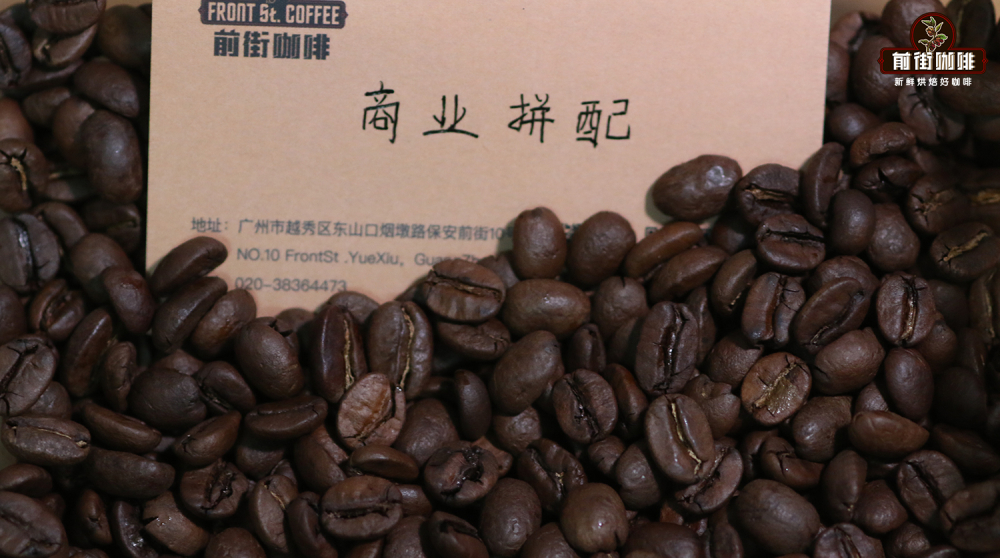
(To enrich the coffee oils, FrontStreet Coffee's commercial espresso blend uses a combination of Arabica and Robusta.)
The Rise of Robusta in Specialty Coffee
In the past two years, however, this once-unpopular coffee species has gained attention in the specialty coffee world. From independent coffee shops and brands to influential world coffee competitions, we can see Robusta making an appearance. Is Robusta really that bad? Obviously not.
The Origins of Robusta
According to research by FrontStreet Coffee, both Arabica and Robusta originate from Africa. Arabica belongs to the small-seeded coffee variety and comes from the high-altitude Ethiopian highlands. After leaving Ethiopia, coffee exported through the port of Mocha spread its seeds across the globe, and after centuries of cultivation these differentiated into more distinct varieties. Familiar examples such as Typica, Bourbon, Geisha, and Caturra all belong to the Arabica species.
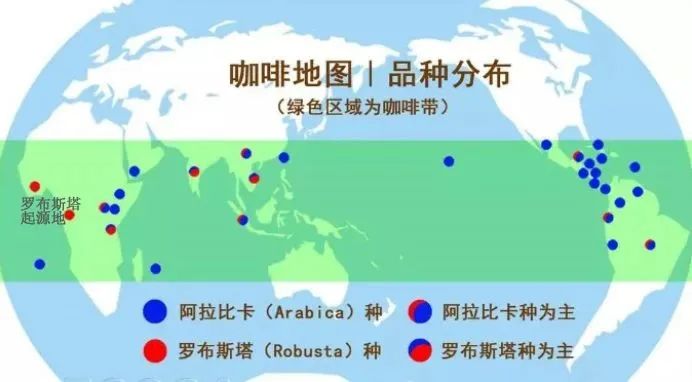
Robusta belongs to the medium-seeded coffee variety and originates from the Congo Basin region of West Africa. Under strict botanical classification it should be called "Coffea canephora" (the Congolese variety), sitting at the same level as "Coffea arabica." Robusta is just one variety within the Coffea canephora species, just as Typica is one variety within the Coffea arabica species.
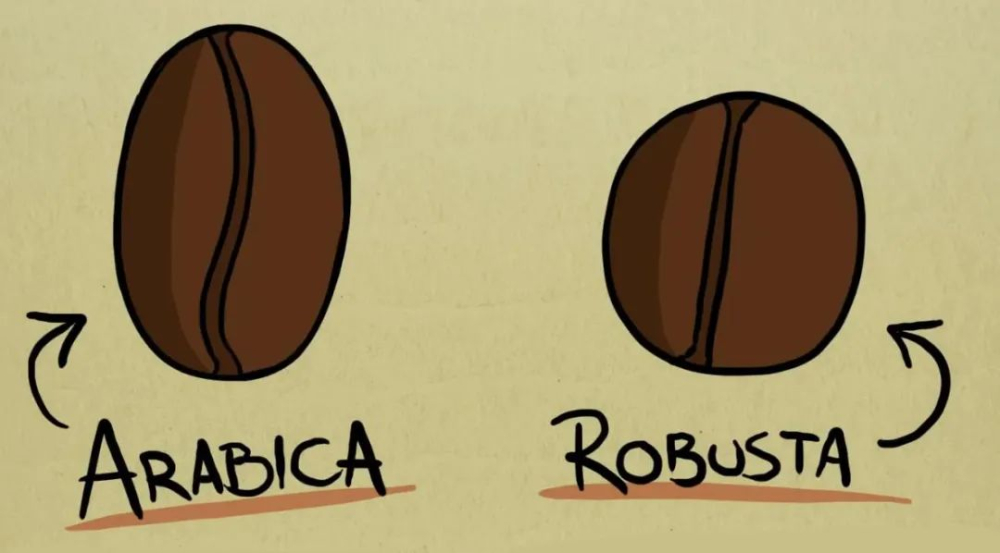
The reason the name Robusta far outstrips Canephora is that its other sub-varieties were not successful; only Robusta has been cultivated commercially by humans, while the others remain in their original wild state. As a result, medium-seeded coffee is now generally referred to as Robusta coffee. In terms of domestication, though, Arabica predates Robusta by several centuries. Robusta was discovered as a new variety by a Belgian scholar in Congo in 1898, and later, under the impact of global leaf rust disease, Robusta—with its excellent disease resistance—was introduced to affected areas.
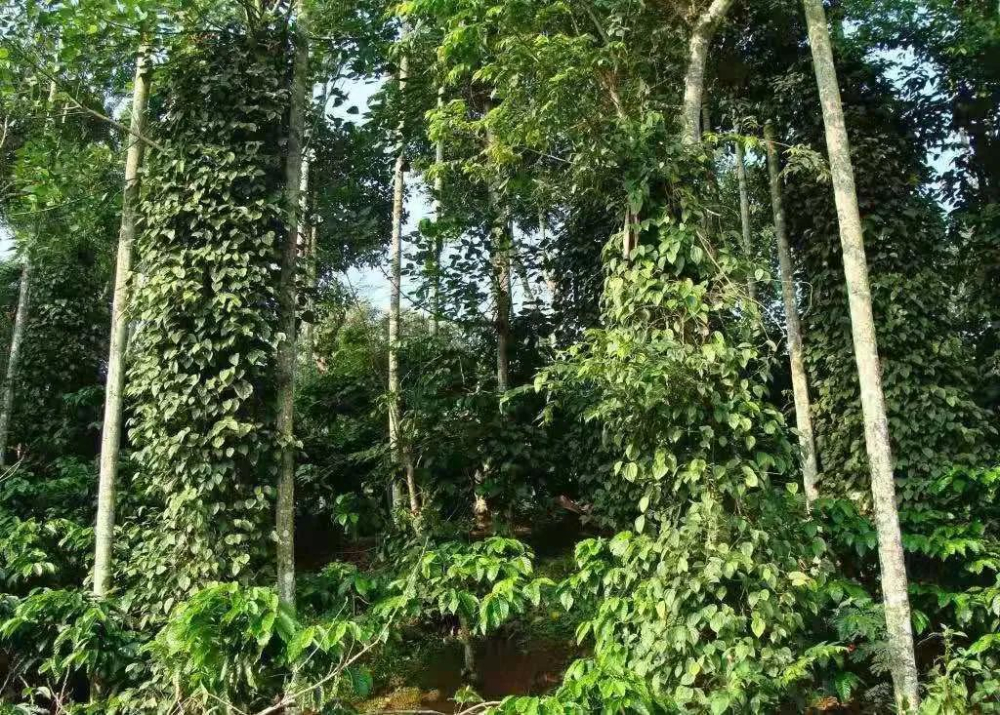
Robusta's Glory Days
Robusta also had its glorious days. Because of its high caffeine content and rich oils, during the period when espresso became popular worldwide, Robusta was often used in espresso bean formulations. At the time, a significant reason people loved drinking coffee was simply to get caffeine.
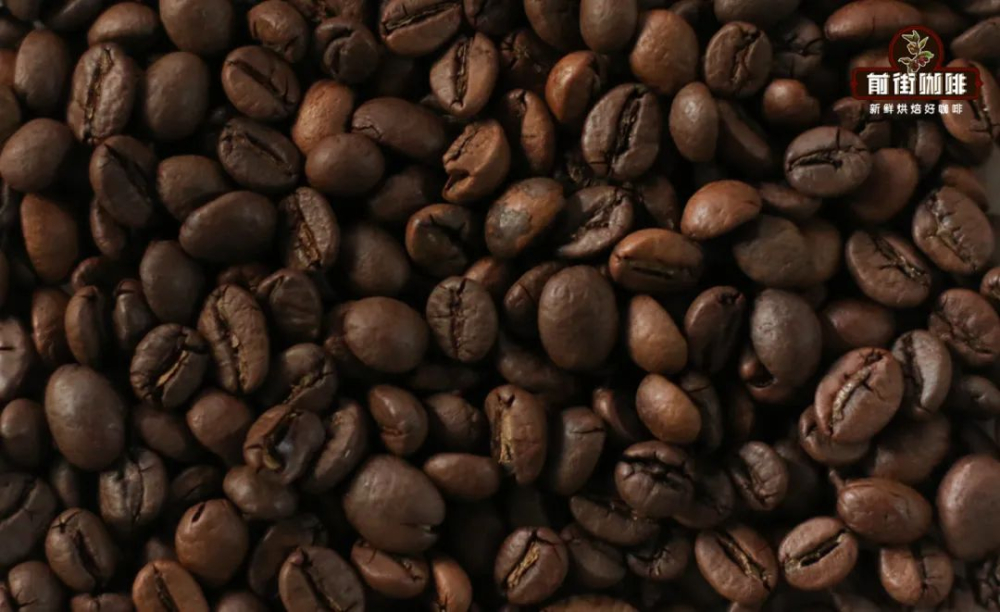
With the arrival of the specialty coffee concept, however, people began to value the flavors of different origins. Robusta's inherent bitterness, along with flavors of walnut, peanut, hazelnut, and smoke, came to be seen as undesirable in coffee. Most importantly, its counterpart Arabica, once categorized by origin, shows flavor profiles that far surpass Robusta's. This could be called an inherent issue—Robusta's flavor is simply far less appealing than Arabica's, which is why people tend to choose Arabica.

Inherent Deficiencies and Poor Development
FrontStreet Coffee believes that in the specialty coffee category, flavor comes first, and caffeine is no longer the only reason people drink coffee. Robusta's advantages instantly become disadvantages. Light-roasted Arabica shows floral and fruit-like aromas with an acidity that is unforgettable. Roast Robusta lightly, though, and grainy, almond-like flavors along with an unpleasant acidity become off-putting. In general, with today's Robusta beans there is little hope in the light-roast category.

What about the dark-roast category? Robusta's bitterness is fully expressed by dark roasting. Well—too bitter, but also very aromatic. Vietnam, for example, consumes large amounts of Robusta; people there love the aroma of Robusta coffee but not the bitterness, so they add condensed milk or egg to black coffee to balance it.

Some might argue that Robusta's growing environment is inferior to Arabica's, and that low-altitude Arabica coffee also tastes poor. On that basis, some growers began planting Robusta at high altitude with meticulous care, aiming to banish the tormenting bitter and mixed flavors. This is what is known as specialty Robusta—India's "Kaapi Royal" Robusta. It is cultivated to the same standards as specialty Arabica. This coffee shows remarkable cleanliness, free of the annoying defect flavors found in cheaper-grade Robusta. It offers a thicker, more stable mouthfeel, with intense walnut, peanut, hazelnut, and wheat flavors reminiscent of peanut butter and hazelnut paste.
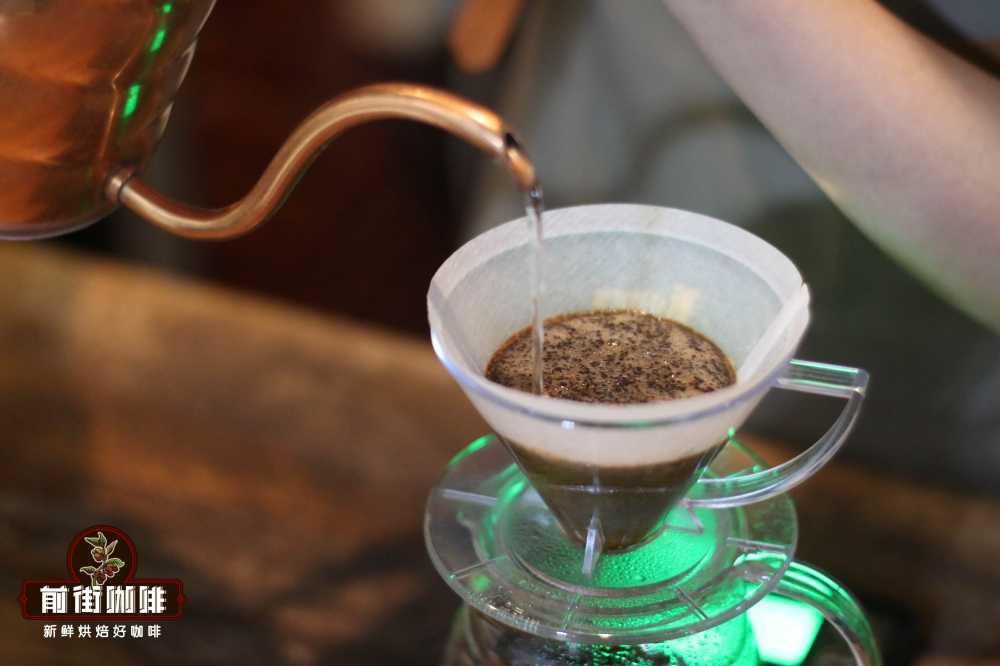
Indeed, raising cultivation standards can improve a coffee's flavor quality, but Robusta is still Robusta—its genetics determine that its flavor cannot match Arabica's. It is not that Robusta's flavor is completely inferior to Arabica's, but as long as popular taste still leans toward Arabica flavors, Robusta will not have its day. The public will only ever measure Robusta by Arabica standards. Unfair as that may be, it is the reality.
What is Robusta Used For?
Robusta's advantage is its low cost. Taking Brazilian coffee as an example, ordinary Robusta costs only half as much as ordinary Arabica. Second, its body and caffeine content both surpass Arabica's. Combine these three advantages, and becoming raw material for instant coffee is its best destination.

Of course, some relatively high-quality Robusta beans appear as espresso blends or single-origin Robusta coffees. To be honest, FrontStreet Coffee has tried a Vietnam-produced Robusta whose milk and cream aromas were very rich and pleasant. Although it was a bit bitter, it was not particularly hard to drink.
FrontStreet Coffee Recommendation
This article's core argument is the same reason specialty coffee drinkers keep coming back to Arabica—its aromatics and brightness are simply harder to beat. If you want to taste what that difference actually looks like in the cup, FrontStreet Coffee's Panama Boquete washed Geisha is a fine place to start: grown at about 1,600 meters in volcanic soil, it shows the varietal's jasmine blossom, green tea, honey, and citrus-orange notes. For a step up, FrontStreet Coffee's Esmeralda Green Label Geisha, sold as "Private Collection," blends several plots to express the estate's signature high-altitude Geisha character at a friendlier price, while the Red Label single-plot lot is harvested from 1,600–1,800 meters and must cup above 90 points. If you want to explore Geisha's original homeland, FrontStreet Coffee's Grenada Geisha comes from a processing station established in 2014 near the border of Kochere and Gelena Abaya in Ethiopia, where coffee covers some 700 hectares; the cherries are hand-picked and dried on raised beds for 14–20 days, then given a medium-light roast for bright citrus acidity, ginger-lily florals, and ripe-fruit sweetness. And if you simply want an affordable, crowd-pleasing fruit-forward coffee, FrontStreet Coffee's Strawberry Candy blend marries a honey-processed Costa Rican coffee with a Panamanian Geisha for delicate florals and sweet fruit in one cup.
Important Notice :
FrontStreet Coffee is a long-established specialty coffee roaster in Guangzhou China, selling freshly roasted beans from its own farm in Yunnan as well as dozens of carefully selected single-origin beans from around the world for both pour-over and espresso. The products deliver consistently excellent quality and great value, with shipping within 24 hours. Guangzhou's FrontStreet Coffee shop is recommended by many coffee lovers, and the beans are now available online at the Tmall 。
FrontStreet Coffee has moved to a new address:
FrontStreet Coffee Address: 315,Donghua East Road,GuangZhou
Tel:020 38364473
 Scan and follow the En Gafei WeChat official account. Please indicate that the reprint comes from "En Gafei".