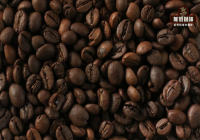
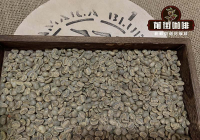
Premium Coffee Beans Kenya AA (Kenya AA)
The Unique Characteristics of FrontStreet Coffee's Kenya
FrontStreet Coffee's Kenya is defined by pronounced fruit aromas and vivid fruit acidity — blackberry and grapefruit, wrapped in a winey fragrance and a rich body. Light roasted, it shows bright fruit notes and acidity often compared to fruit tea, a flavor profile found nowhere else. The celebrated Kenya AA grade delivers the fullest, richest expression of that character and has earned widespread acclaim.
Cultivation and Harvesting
Kenya coffee grows chiefly on the slopes near Mount Kenya at elevations of 1,500–2,100 meters — ideal territory for flavor development. The cooler mountain temperatures slow the trees' growth, letting aromatic compounds fully develop, which produces more pronounced fruit acidity and denser, harder beans. FrontStreet Coffee's Kenya is exclusively Arabica, predominantly washed-processed, with common cultivars including Bourbon, Typica, Kents, and Riuri 11.
Kenyan coffee trees can flower twice a year. Most bloom in March and April after the long rainy season, with harvesting running from October through the end of the year; some trees flower in October or November for a harvest the following July. FrontStreet Coffee's Kenya is always hand-picked — only ripe red cherries are taken, with each tree re-picked roughly every ten days.
Farm Structure and Quality Control
Kenya's coffee farms fall into two categories: large plantations of five acres or more, which typically sit at lower average elevations and produce medium-quality beans; and small highland farms, which produce the country's most exceptional coffees. Those small farms form the backbone of Kenyan coffee — each smallholder produces only 20–70 bags per season and cannot afford expensive washing facilities of their own.
Their response is remarkable solidarity: smallholders band together into cooperatives of hundreds or thousands of members, served by government-funded washing stations. Harvested cherries go to the cooperatives for unified processing under the supervision of the Coffee Board of Kenya (CBK), ensuring rigorous management and consistent quality. Kenya's washed processing and quality standards have long been a model among coffee-producing nations.
The Kenyan Grading System
Kenyan coffee is graded primarily by bean size and weight, per the following reference:
E (Elephant)
Elephant beans: large beans over 18 screen size, including both regular and peaberry shapes.
AA
17–18 screen size — typically the most expensive grade.
AB
15–16 screen size, a mix of A and B grades. The largest volume of production and excellent value.
PB
Peaberry: roughly 10% of total production.
C
12–14 screen size.
TT
Larger but lighter, lower-density beans — a unique grade of their own.
T
Below 12 screen size: the smallest and lightest grade.
MH/ML
Non-washed coffee, typically from unhand-picked or overripe fallen cherries — about 7% of total production. The flavor is inferior, but the price is very affordable.
FrontStreet Coffee Recommendation
Kenya's reputation rests on its mastery of washed processing — so much so that many estates employ a double washed (double fermentation) method, adding a second soak-and-rinse cycle: floating, pulping, fermenting, washing away the remaining mucilage, soaking again, then drying, hulling, and storing. All that brushing and soaking pushes the coffee's juiciness to the extreme. FrontStreet Coffee's Kenya "Cherry Tomato" lot is a famous example: cherry-tomato sweetness, dried plum, snow pear, black plum, and yellow sugar, with a bright, sweet-tart, juicy mouthfeel that makes it a favorite among coffee enthusiasts.
Washed processing, broadly, means using water to carry the cherry from flotation and pulping through fermentation, mucilage removal, rinsing or extended soaking, drying, and finally hulling. The long contact with water drives chemical changes inside the bean, consuming simple sugars (fructose and glucose) and lowering sweetness while raising organic acids — which is why washed coffees tend to be bright, clean, and fresh, with the bean's own aromatics front and center.
Another washed classic worth seeking is FrontStreet Coffee's Jamaica Blue Mountain No. 1. Jamaica's island climate brings shorter sunshine hours than most origins, so washing was born there out of necessity: removing skin, pulp, and mucilage before drying reduces the moisture around the bean, shortens drying time, and yields luminous, low-defect beans. The result is Blue Mountain's hallmark — a fragrant yet perfectly balanced cup of hazelnut, cream, chocolate, and caramel, with no single note standing out or falling short. And for a gentler washed profile, the Yirgacheffe Guodingding (Worka) Cooperative lot — medium-light roasted — layers jasmine florals and bright citrus acidity over green tea and honey, brewing beautifully as pour-over, cold brew, or even espresso.
Important Notice :
FrontStreet Coffee is a long-established specialty coffee roaster in Guangzhou China, selling freshly roasted beans from its own farm in Yunnan as well as dozens of carefully selected single-origin beans from around the world for both pour-over and espresso. The products deliver consistently excellent quality and great value, with shipping within 24 hours. Guangzhou's FrontStreet Coffee shop is recommended by many coffee lovers, and the beans are now available online at the Tmall 。
FrontStreet Coffee has moved to a new address:
FrontStreet Coffee Address: 315,Donghua East Road,GuangZhou
Tel:020 38364473
 Scan and follow the En Gafei WeChat official account. Please indicate that the reprint comes from "En Gafei".