
She Invented the Dripper for Better Coffee! Who Invented Pour-Over Coffee? Who Was Mrs. Melitta?
The Art of Pour-Over Coffee
There are countless ways to make coffee, and every brewing method lends the cup a character of its own. Among them, pour-over stands out for being quick, convenient, and remarkably clean in the cup, which is why it has become one of the mainstream brewing methods enjoyed around the world today.
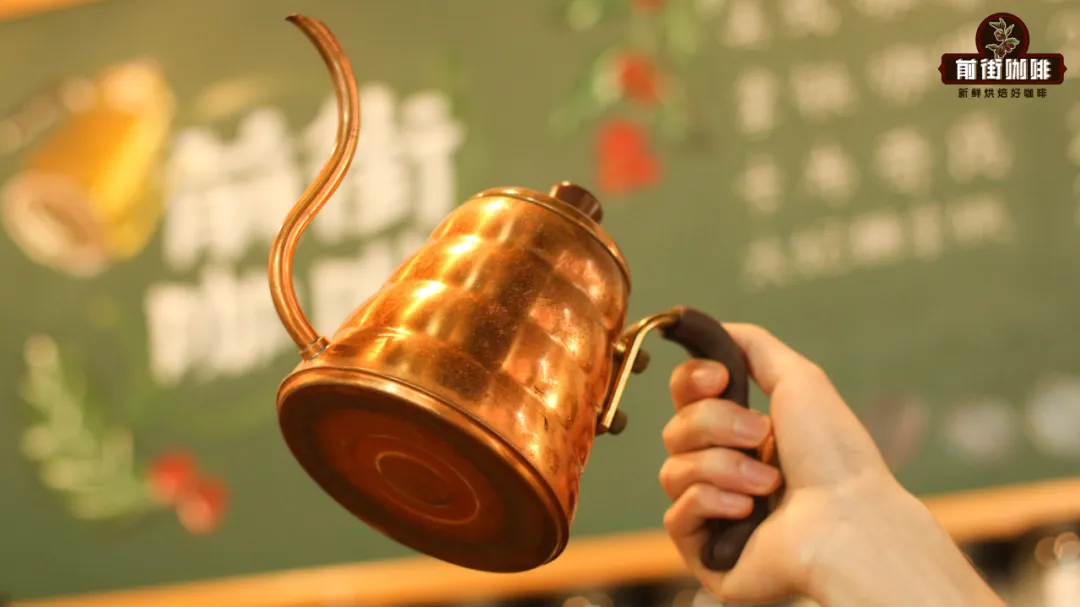
Pour-over coffee is, at heart, drip extraction. Run the coffee liquid through a filter cone set over a vessel, and you get the cleanest, most delicious cup in the most convenient way. In other words, the core of pour-over is the filter cone itself. And when we talk about filter cones, we have to talk about a certain woman, whose meticulous persistence gave the filter cone to the world. Today, FrontStreet Coffee would like to tell the story of how she invented it.
The Origin of the Filter Cone
Before the filter cone existed, coffee around the world was mostly boiled. Turkish coffee and Ethiopian coffee alike were made by stirring flour-fine coffee powder into boiling water, then waiting for the grounds to settle so that less grit ended up in the cup.
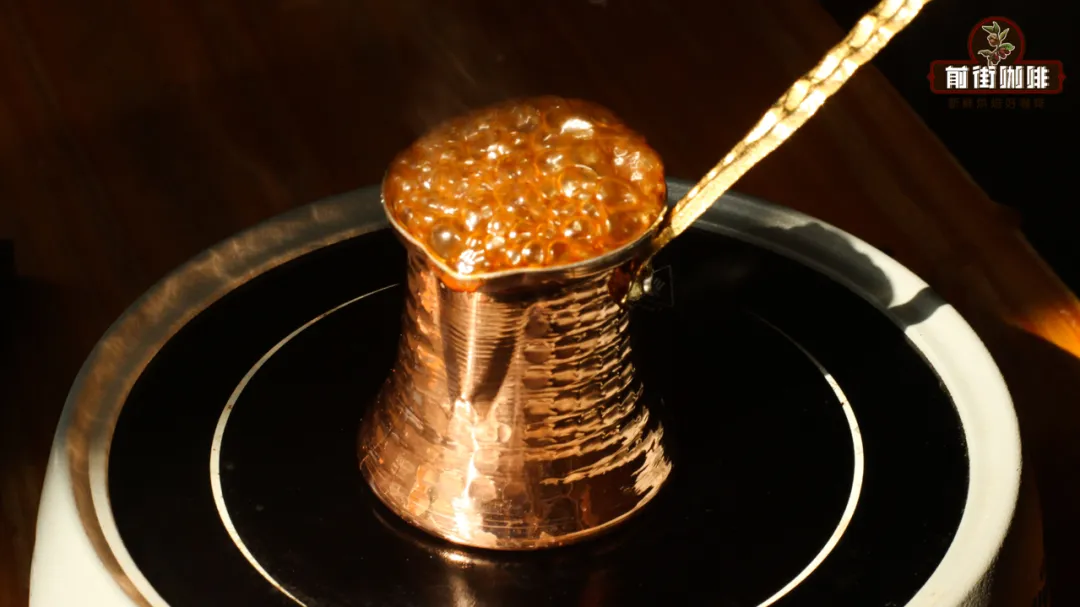
Later, people learned to use cloth as a filter, straining out most of the grounds and improving the drinking experience. For a long time, cloth-filtered coffee was the norm. But cloth had obvious drawbacks. First, the weave was coarse, so the openings were far too large to catch fine coffee grounds completely. Second, cloth was fairly expensive, so people reused it, washing it again and again. Washing, however, could hardly remove the coffee oils and stains trapped in the fibers, and the cloth quickly developed unpleasant odors. It was a real nuisance, until a particular woman appeared and changed everything: Amalie Auguste Melitta Bentz.
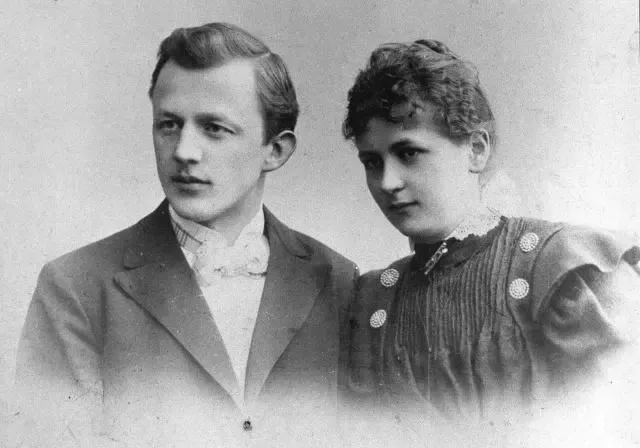
Most people today don't know her name, but she was another woman who moved coffee forward, alongside Mrs. Eva Nilsen. Melitta was born in 1873 in Dresden, in eastern Germany, and she had one great passion: coffee. Two cups a day was perhaps the happiest part of her routine. But she was a perfectionist. However often she drank coffee, she could never tolerate the grounds that spoiled the experience. So she set out to find a filter that could separate them perfectly, and one day she found her inspiration in her son's blotting paper. (Blotting paper is made from chemical wood pulp or cotton pulp and is used to soak up excess ink left on a page.) Its texture is loose, and when saturated it lets liquid seep through. That property was exactly the breakthrough Melitta needed. She grabbed a copper bowl at home, punched small holes in it, laid blotting paper and coffee grounds inside in turn, and poured hot water over the top. Clean, clear coffee dripped through the holes. A whole new way of brewing coffee was born.
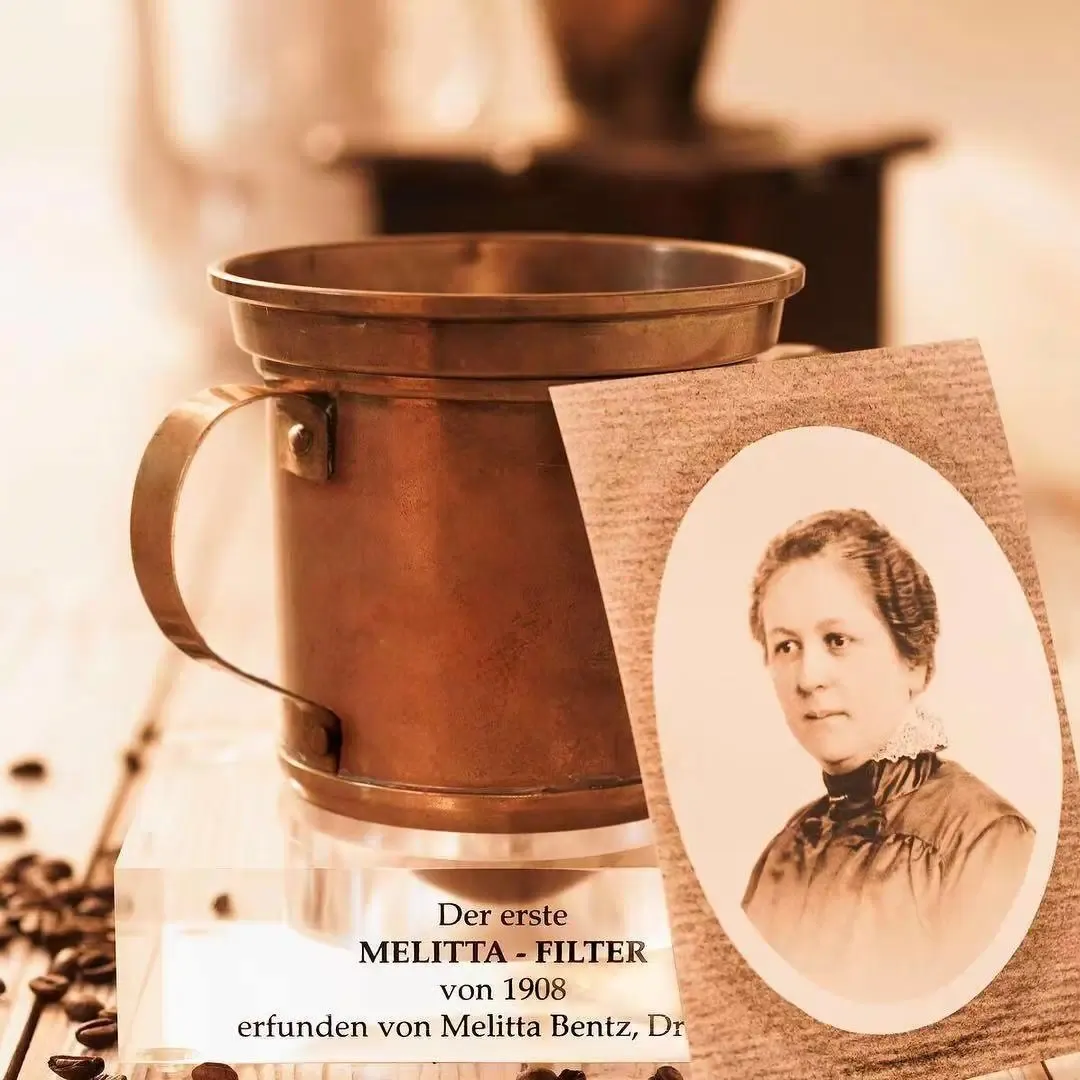
(That isn't the actual copper bowl in the photo, by the way, only an illustration.) After refining her filter many times, on June 20, 1908, the 37-year-old Melitta officially registered her invention with the Royal Patent Office: a copper coffee filter cone with a domed bottom and water-outlet holes. It was the world's first drip coffee filter cone. She then used her savings to found the Melitta Company and took her own signature, "Melitta," as the product's trademark.
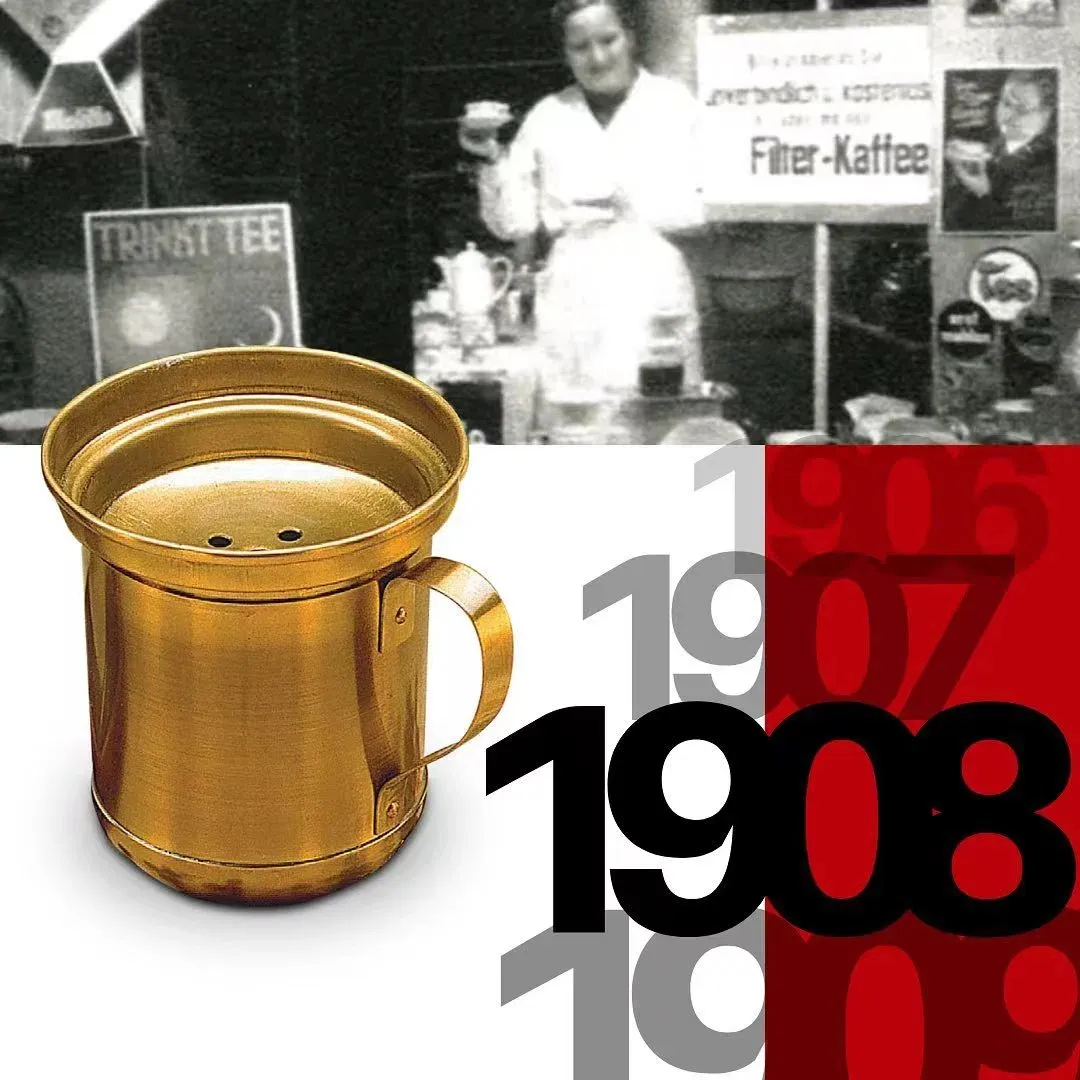
Oddly enough, in Western countries such a convenient device never caught on widely. People there preferred faster, easier methods, and as espresso machines spread, few bothered with filter cones. It was in Japan, on the other side of the globe, that drinkers fell in love with drip brewing. They developed exquisitely made filter cones and studied brewing theory to work out one method after another, and their enthusiasm did a great deal to spread pour-over coffee around the world.
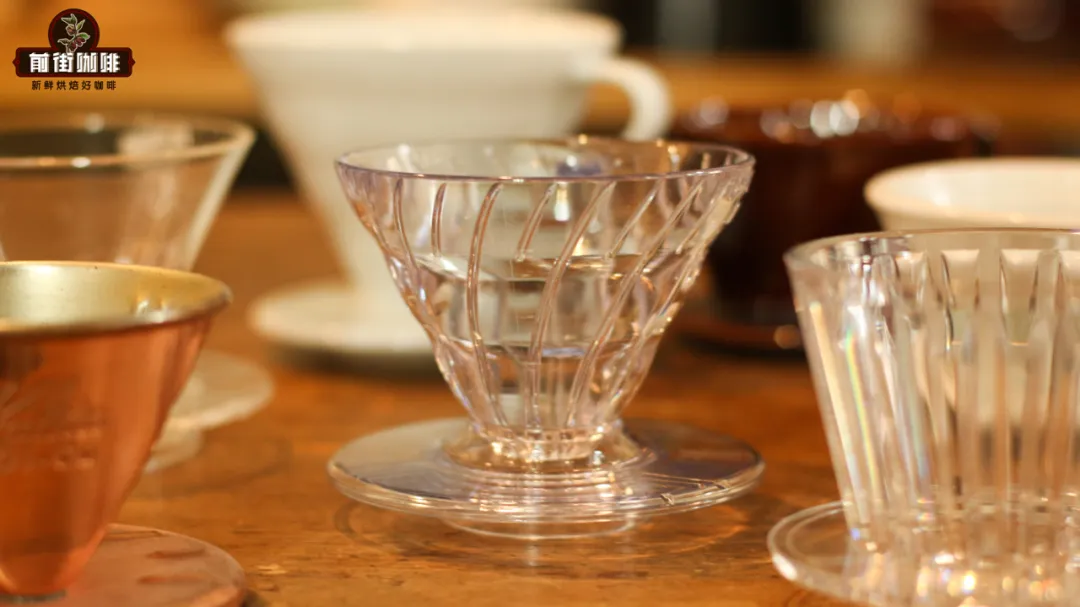
And so pour-over coffee became popular worldwide, taking its place among today's mainstream extraction methods. Who would have guessed that the ancestor of all those elegant filters was once just an ordinary copper bowl sitting in a kitchen?
FrontStreet Coffee Recommendation
If Melitta's drip cone has you reaching for your own pour-over setup, Ethiopian beans are a wonderful place to start. FrontStreet's washed Yirgacheffe is an easy entry into the region: expect clear jasmine florals and a bright citrus acidity, with a light, elegant body and a clean, tea-like finish that drinks like refreshing lemon tea. Yirgacheffe is a small town in southern Ethiopia where cool, misty, spring-like weather holds all year round, and thousands of coffee trees have flourished there, shaping the region's signature floral and fruit character.
For something more fruit-forward, try FrontStreet's Gutingding cooperative coffee. Growers around Gutingding deliver their cherries to a village-level washing station, and because the fruit is pulped before drying, the cup shows a clearer citrus-and-lemon profile and an elegant white floral note, bright and delicate throughout. If you prefer a sweeter, sun-dried style, FrontStreet's sun-dried Yirgacheffe Red Cherry brings peach, cocoa, honey, and lemon to the cup.
Important Notice :
FrontStreet Coffee is a long-established specialty coffee roaster in Guangzhou China, selling freshly roasted beans from its own farm in Yunnan as well as dozens of carefully selected single-origin beans from around the world for both pour-over and espresso. The products deliver consistently excellent quality and great value, with shipping within 24 hours. Guangzhou's FrontStreet Coffee shop is recommended by many coffee lovers, and the beans are now available online at the Tmall 。
FrontStreet Coffee has moved to a new address:
FrontStreet Coffee Address: 315,Donghua East Road,GuangZhou
Tel:020 38364473
 Scan and follow the En Gafei WeChat official account. Please indicate that the reprint comes from "En Gafei".

