
Why doesn't coffee brewed at home taste as good as in coffee shops? What details should you pay attention to during pour-over brewing?
Plenty of guests who fall in love with a bean at FrontStreet Coffee's physical store buy the same variety to enjoy at home — only to find that what they brew tastes completely different from what they had in the shop. So they ask us online, or walk back into the store with the question: "Why can't my home brew taste as good as yours? It's the same beans, the same brewing method!"
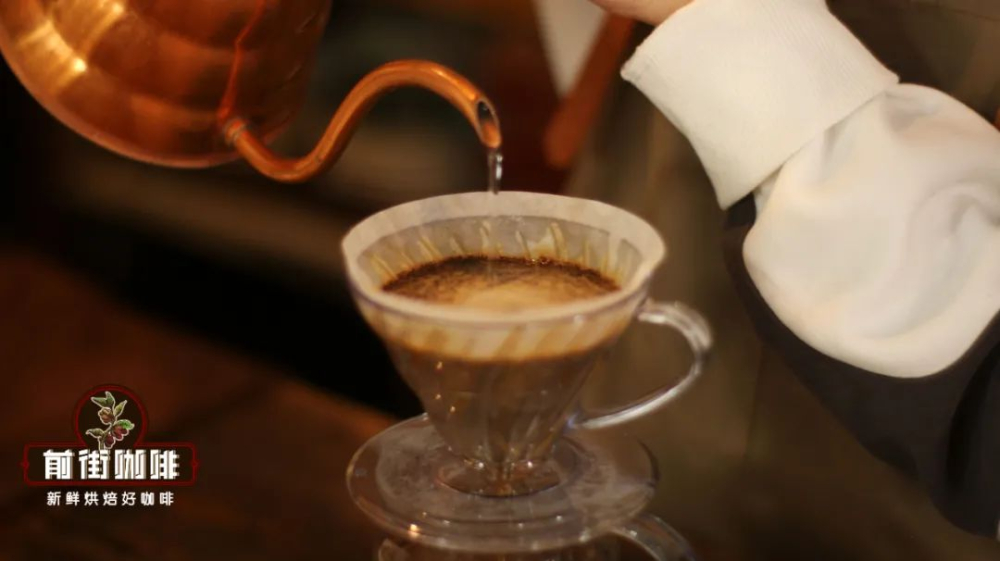
Same beans, same method, different taste — that points to a deviation in extraction. Drawing on years of customer feedback, FrontStreet Coffee has boiled the problem down to three factors.
1. Not Nailing the Grind
Whenever we talk this through with customers, FrontStreet Coffee starts by asking for a photo of the spent coffee grounds. The state of the bed tells us a lot at a glance. More often than not, the grounds on screen are either a muddy slurry or so coarse the particles look like grains of rice. In those cases, the reason the coffee doesn't taste right is simply that the grind was never dialed in.
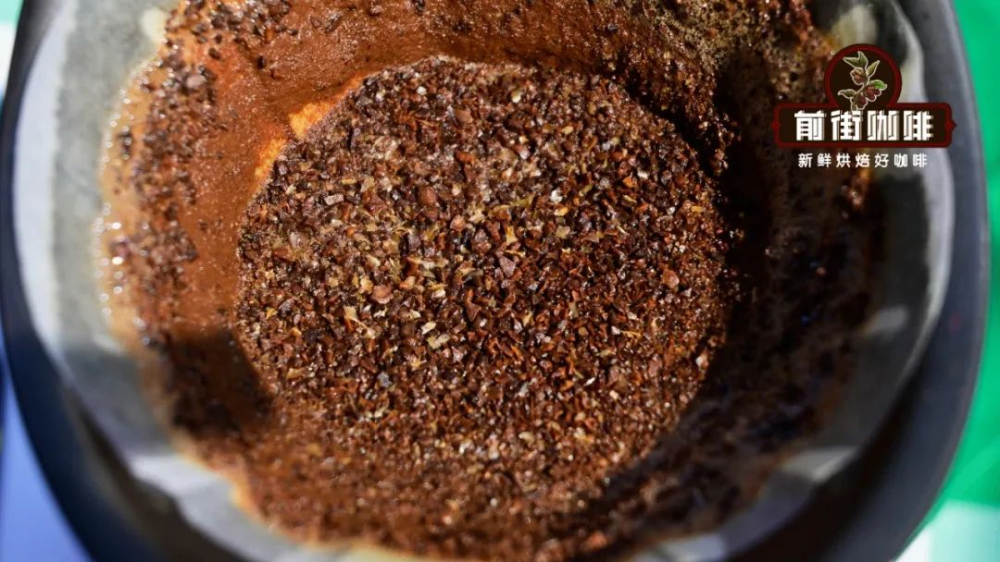
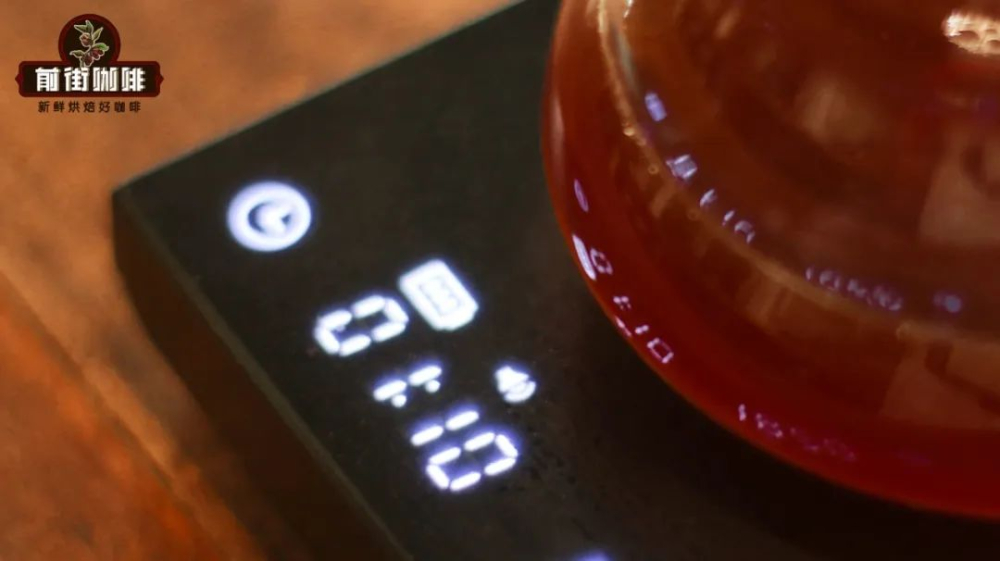
For beginners, judging grind size is genuinely hard. Even among seasoned hobbyists, most people never buy a sieve or particle-sizing tool — and honestly, you don't really need one. So how do you know if your grind is right? It's simple: just like with espresso, start from a trusted recipe, then use the total brew time to judge. For example, FrontStreet Coffee's go-to recipe is 15g of coffee, a 1:15 coffee-to-water ratio, a V60 dripper, a three-pour method, and a brew time of about 2 minutes. If your brew runs more than 15 seconds over that, the grind has drifted significantly and needs adjusting: too long, go coarser; too short, go finer.
One important caveat: different roast levels and processing methods call for different grind settings, because processing and roasting change the beans' structure and brittleness. Never use one grind setting for every coffee — a mistake many people make. And it isn't always your setting, either. Grinder quality is a common culprit: too many fines, poor particle uniformity, and so on. Sifting, regrinding, or upgrading your grinder are all valid fixes.
2. Not Using the Right Water Temperature
If your spent grounds look healthy and your brew time is on target, the problem may be water temperature. Just like grind, one temperature rarely suits every bean. Hot water a few degrees apart will still extract *something*, but the right temperature improves the brewing experience and widens your margin for error — in short, it makes delicious coffee easier to achieve.
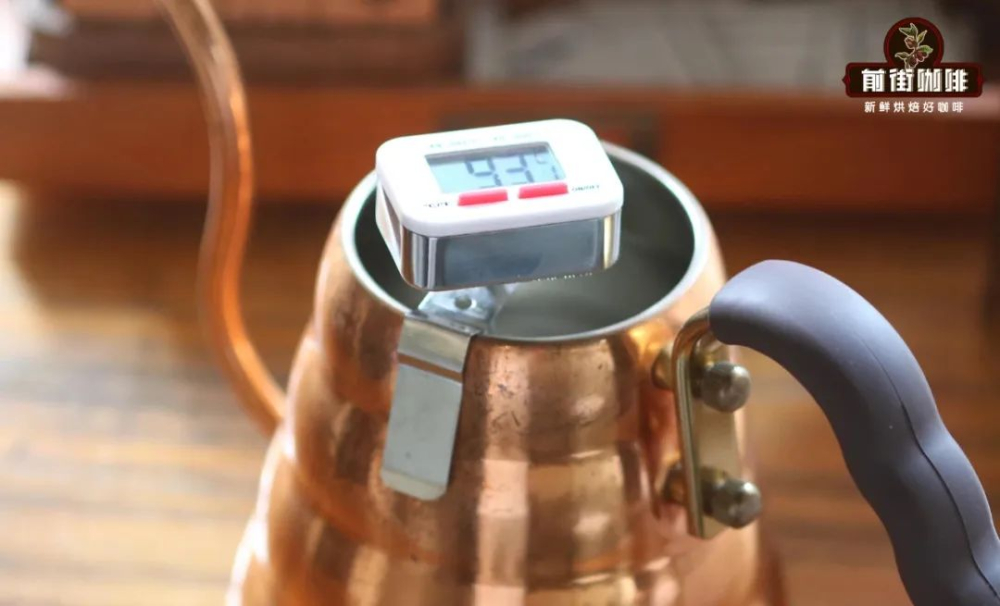
Water temperature governs extraction efficiency: hotter water extracts harder, cooler water more gently. When we brew, we want to extract the coffee's soluble compounds "just right" — too much is bad, too little is bad. So the right temperature really matters. If you're not sure where to start, apply this rule of thumb from FrontStreet Coffee: use 91–93°C water for light to medium roasts, and 86–88°C for medium to dark roasts.
3. The Brewing Water Itself
Finally, the water — the factor most easily overlooked, though its impact is smaller than the first two. The trace minerals in water are what influence extraction: research shows that the right trace elements help us extract better-tasting coffee. Magnesium ions, for example, are good at drawing out sweetness; calcium ions favor acidity. The key word, of course, is appropriate amounts.
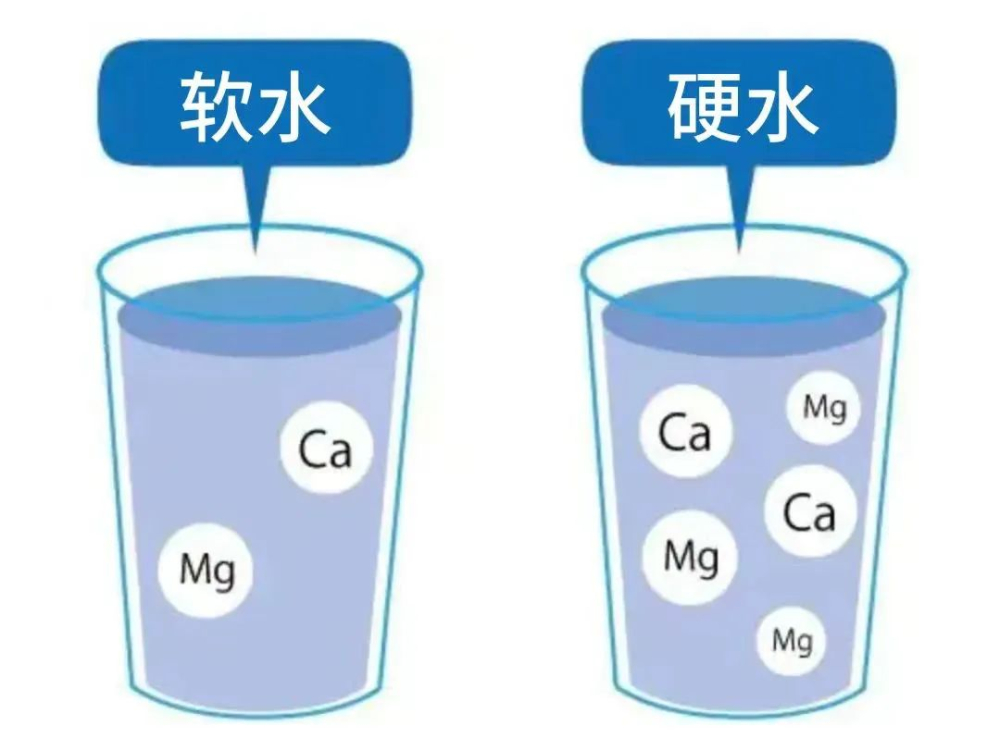
Too many dissolved minerals and the water becomes hard — the dissolved solids crowd the water, leaving it little room to hold the coffee's own compounds. Brew with water that's too hard and you'll struggle to extract the coffee fully, which shows up in the taste. That said, don't overthink it. We're brewing at home, not running a lab — it's enough to know that water affects coffee. Whether to change your water depends on how the cup actually tastes: if grind, timing, and temperature are all in order but the coffee still shows off-notes, try a different water and see if the flavor improves.
For a deeper look at water quality, see our article "What Water is Most Suitable for Brewing Coffee?"; for water temperature, see "How Much Does Water Temperature Affect Coffee Extraction?" We hope this helps you brew something genuinely delicious at home!
FrontStreet Coffee Recommendation
Great home brewing starts with a forgiving, well-balanced bean. FrontStreet Coffee's Washed Yirgacheffe is the classic choice for V60 beginners — white jasmine, bright citrus and lemon acidity, and a clean tea-like finish that rewards a properly dialed grind and a three-pour recipe.
If you brew at 86–88°C for a medium-dark roast, FrontStreet Coffee's Brazil Queen Estate is a wonderful fit: low acidity, rich nut and cocoa notes, and a caramel sweetness that stays smooth cup after cup — an easy daily bean that tastes just as good at home as it does in the shop.
Important Notice :
FrontStreet Coffee is a long-established specialty coffee roaster in Guangzhou China, selling freshly roasted beans from its own farm in Yunnan as well as dozens of carefully selected single-origin beans from around the world for both pour-over and espresso. The products deliver consistently excellent quality and great value, with shipping within 24 hours. Guangzhou's FrontStreet Coffee shop is recommended by many coffee lovers, and the beans are now available online at the Tmall 。
FrontStreet Coffee has moved to a new address:
FrontStreet Coffee Address: 315,Donghua East Road,GuangZhou
Tel:020 38364473
 Scan and follow the En Gafei WeChat official account. Please indicate that the reprint comes from "En Gafei".

