
What Are the Uses of These Coffee Accessory Gadgets? How to Use Lily Drip and Paragon Ice Balls?
In daily life, tools keep appearing that let us do things more efficiently or to a higher standard. We usually call them auxiliary tools. The coffee world has its own share of these small inventions.
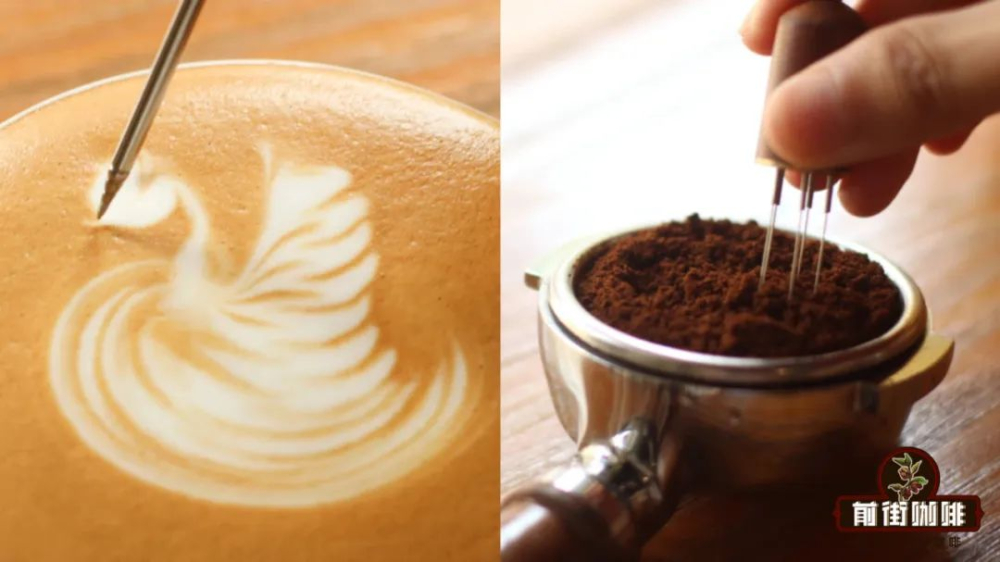
Take two we have covered recently at FrontStreet Coffee: the etching needle that makes latte art patterns cleaner, and the distribution needle that breaks up coffee grounds to reduce channeling. Both help us make a better cup from different angles. So today let's focus on the coffee world's auxiliary tools and look at what else exists and what each one does.
1. Secondary Distribution Screen
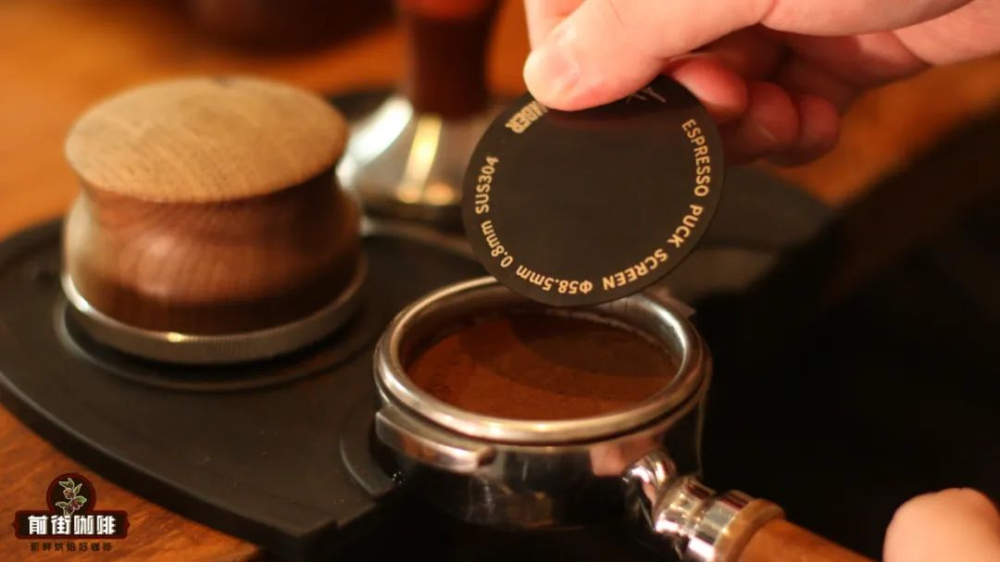
This thin, circular metal sheet is the secondary distribution screen. Screens come in many varieties depending on the manufacturing process, but their function is always the same: to make espresso extraction more uniform.
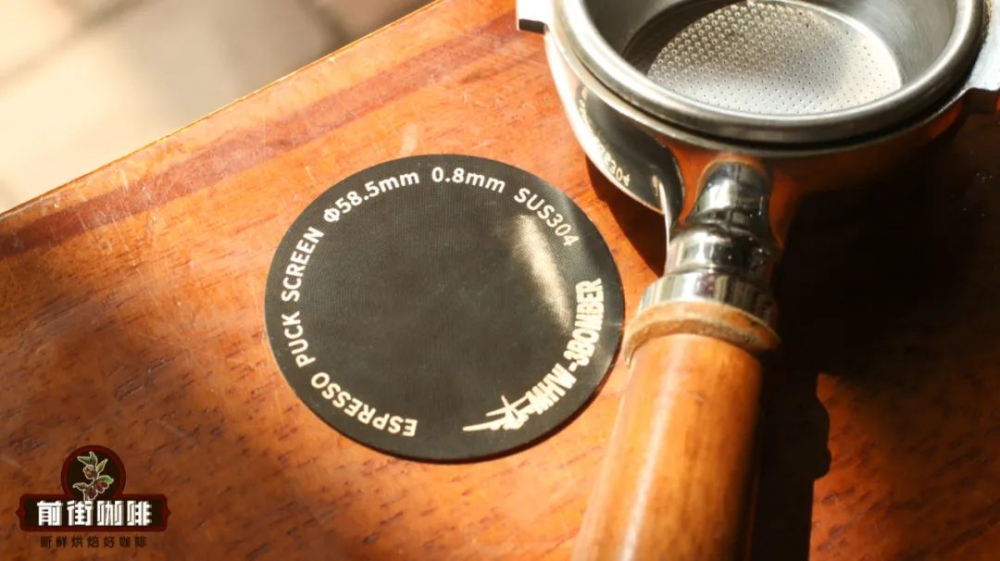
Using one is simple. Place it on the coffee puck before extraction. During extraction, it redistributes the hot water dripping from the shower screen, spreading it evenly across the puck so the water extracts more uniformly.
2. Paragon Ice Ball
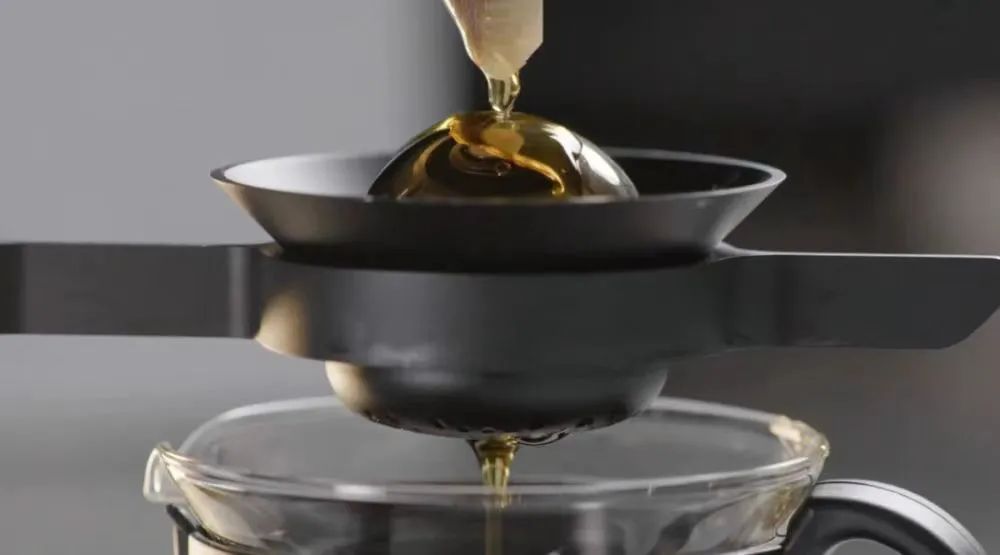
This small golden ball appears often in FrontStreet Coffee's articles, so you are probably familiar with it. It is the Paragon ice ball, invented by Sasa Sestic, founder of ONA Coffee and a World Barista Champion.
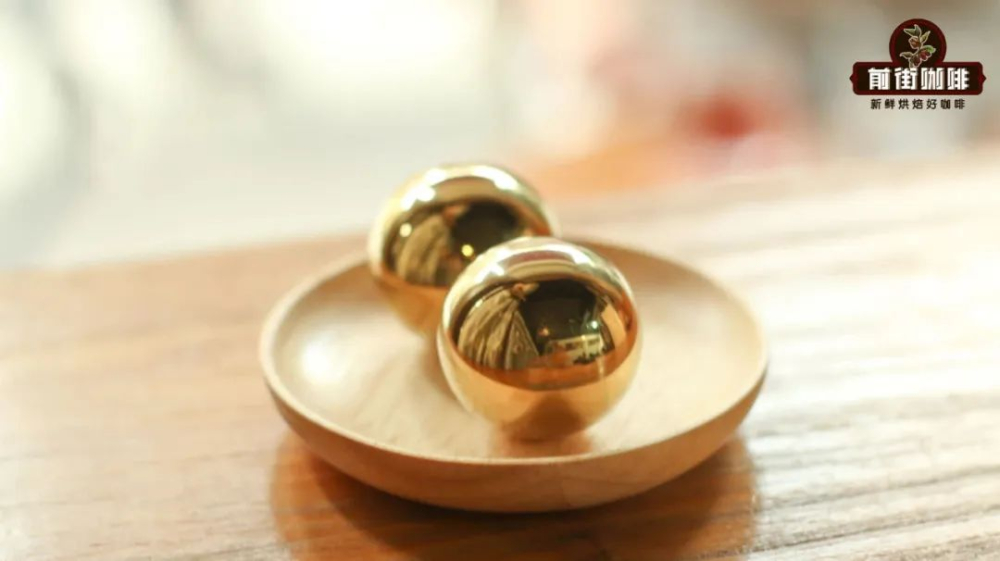
The ball's specific function is to rapidly cool the coffee liquid it touches using the low temperature stored inside it, thereby preserving aroma. For details, see FrontStreet Coffee's "Paragon Ice Ball Review." Using it is very simple: just place it below where the coffee drips. It works for both espresso and pour-over.
3. Lily Drip
Lily Drip has been making waves in coffee competitions again, and this little brewing toy really is excellent.
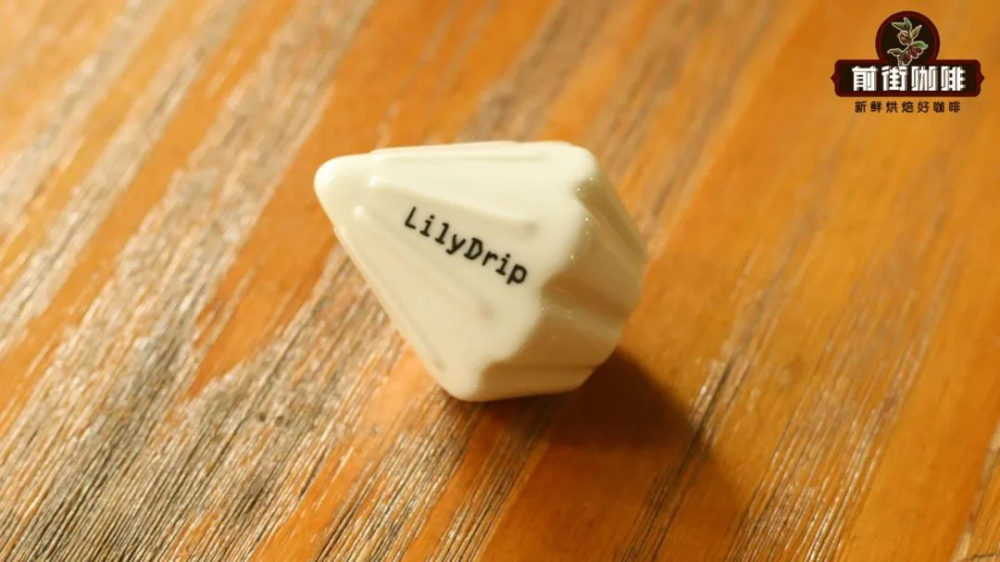
Under normal use of a filter cup, coffee grounds often accumulate and cause uneven extraction. Adding a Lily Drip disperses the grounds that pile up in the center, improving that uneven extraction.
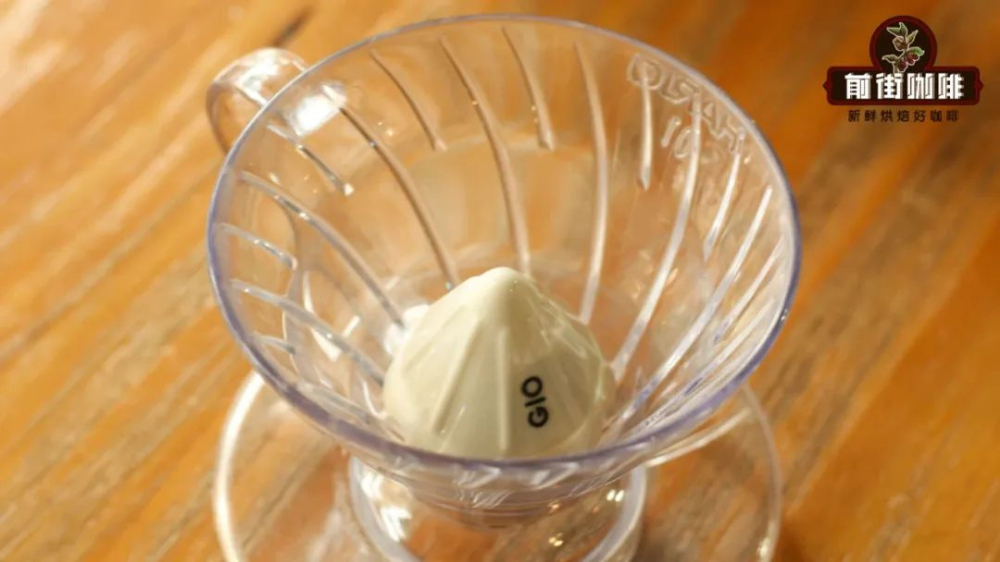
Lily Drip comes in many styles, with each style matching a different filter cup. If you plan to buy one, check your filter cup style carefully first. For a simple review, see the article "Does Lily Drip Really Work?"
4. Dosing Funnel
Before espresso extraction begins, we need to fill the portafilter with grounds from the grinder. There are currently two main ways to do this. The first is to use the portafilter itself to catch the grounds. It is simple and convenient, but the portafilter is bulky and not very easy to weigh, and if it is not wiped dry it can leave a puddle of water on the scale. That leads to the other method: using a dosing funnel.
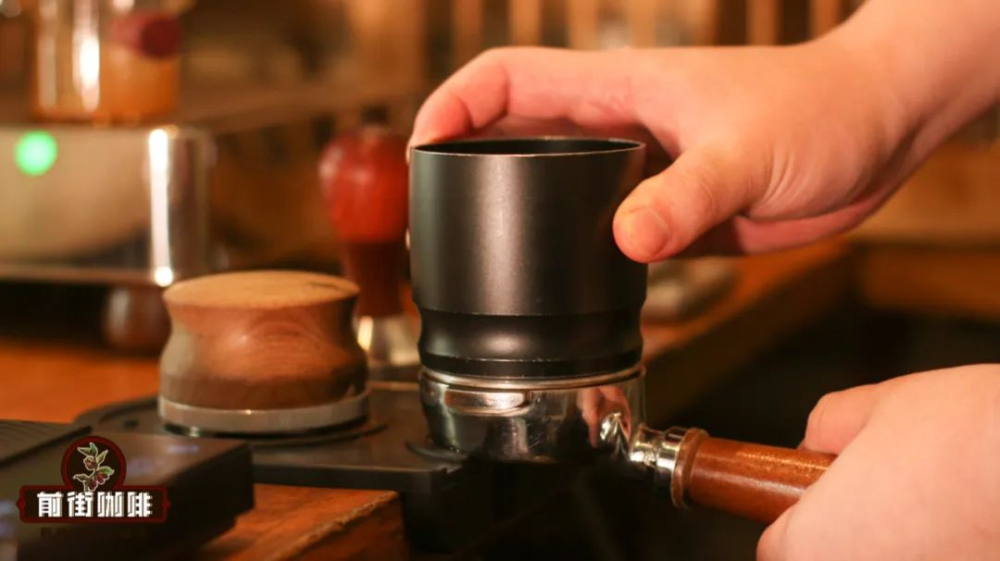
First use the dosing funnel to catch the grounds, then open the valve to pour them all into the portafilter basket. The advantages are, first, cleanliness: grounds do not easily spill, and there is no residual moisture on the scale from a wet portafilter; second, the grounds distribute more evenly. There are drawbacks too. Adding an extra step slows things down, which is not very friendly for high-volume businesses. So everyone chooses the method that suits their situation.
5. Mysterious Mirror
This is a small mirror. Take a guess at what it is for.
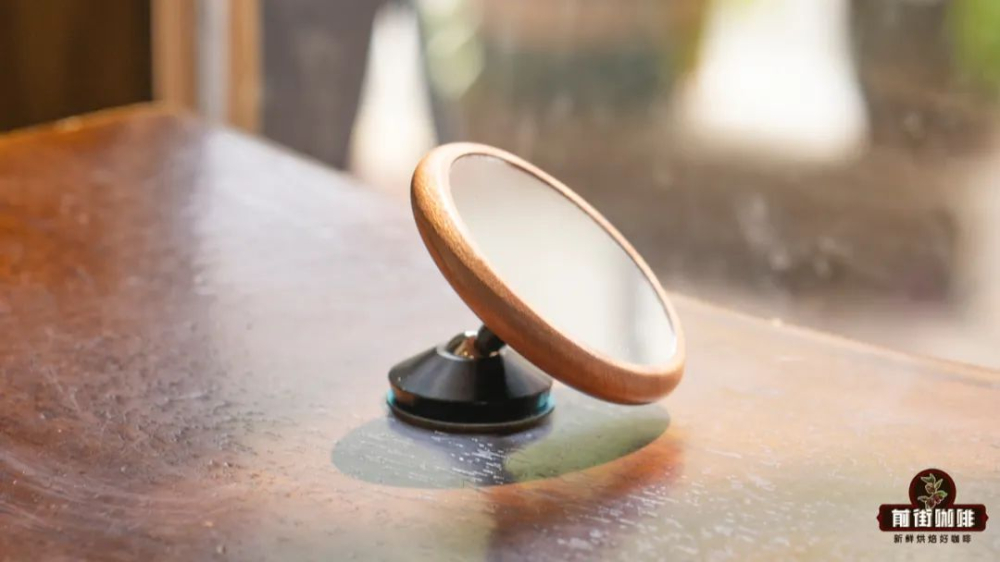
Here is the answer: it is an "extraction observation mirror," used to peek at the espresso extraction process.
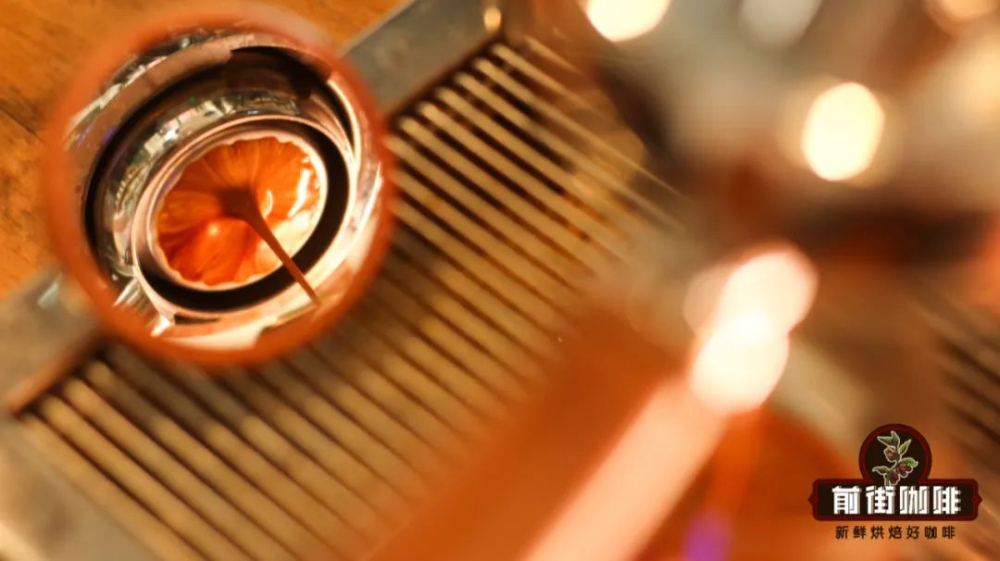
Its function is to give a more convenient viewing angle to anyone whose coffee machine sits low. No need to bend down or tilt your head; you simply look through the mirror to observe the espresso extraction. Using it is very simple: place it in a suitable position with the mirror facing the bottom of the portafilter basket, and you can see the extraction through it. A great blessing for anyone using a bottomless portafilter basket, probably.
6. Mysterious Air Blower
This is the second mysterious tool in this article: an air blower. Take another guess at what it is used for.
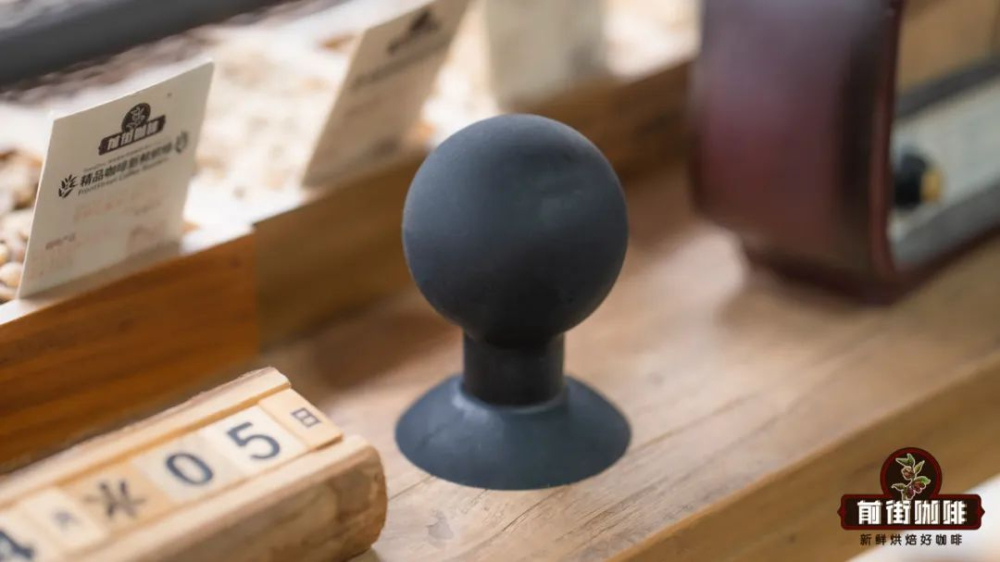
Here is the answer: it eliminates the noise of knocking out the coffee puck after making espresso. The operation goes like this.
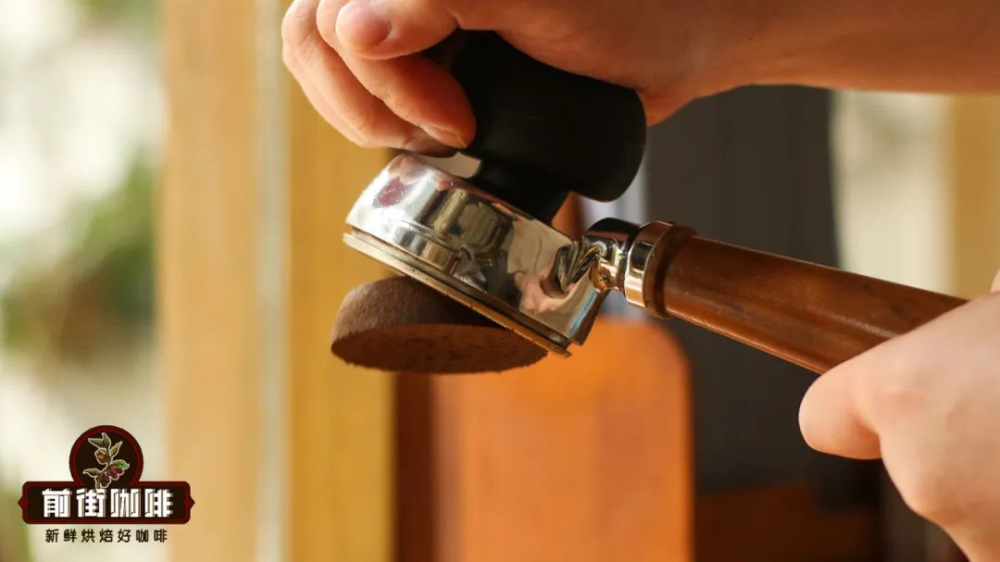
After we finish extracting espresso, we need to knock out the puck, but that often produces a loud sound that disturbs people nearby. So the air blower was born. Fit it against the back of the portafilter and squeeze gently, and the puck separates silently from the basket under the pressure of the airflow.
(A fitting meme.)
That is all for our introduction to auxiliary tools. Of course, these are only a small part of the coffee auxiliary tools out there, and we will cover others another time.
- END -
FrontStreet Coffee Recommendation
Several of these tools exist to help you pull a cleaner, steadier espresso shot and pour a better pattern, and for that you want a bean with generous crema. FrontStreet Coffee Classic Blend is a medium-dark espresso recipe built from three origins and inspired by the classic Mamba pairing of Mandheling and Brazil, with a touch of Robusta for aroma and body. It gives off clear butter, toasted bread, and caramel cookie aromas, with a strong flavor and a solid, stable extraction.
If you favor a rich, nutty profile instead, FrontStreet Coffee Premium Blend pairs washed Colombian with semi-washed Brazilian beans for nut, dark chocolate, and caramel notes, bringing out creamy almond and cocoa softness in Americanos, lattes, and flat whites, with crema that stands up to any coffee shop and gives plenty of room for latte art practice.
Important Notice :
FrontStreet Coffee is a long-established specialty coffee roaster in Guangzhou China, selling freshly roasted beans from its own farm in Yunnan as well as dozens of carefully selected single-origin beans from around the world for both pour-over and espresso. The products deliver consistently excellent quality and great value, with shipping within 24 hours. Guangzhou's FrontStreet Coffee shop is recommended by many coffee lovers, and the beans are now available online at the Tmall 。
FrontStreet Coffee has moved to a new address:
FrontStreet Coffee Address: 315,Donghua East Road,GuangZhou
Tel:020 38364473
 Scan and follow the En Gafei WeChat official account. Please indicate that the reprint comes from "En Gafei".

