
Jamaica | Introduction to Blue Mountain No.1 Coffee from Coffee Growing Regions
Jamaica
Ask anyone to name a famous coffee and Jamaica's Blue Mountain will come up—a coffee from the island nation of Jamaica in the Caribbean. The country covers 10,991 square kilometers, making it the third-largest island in the Caribbean, and is divided into 3 counties, further subdivided into 14 parishes.
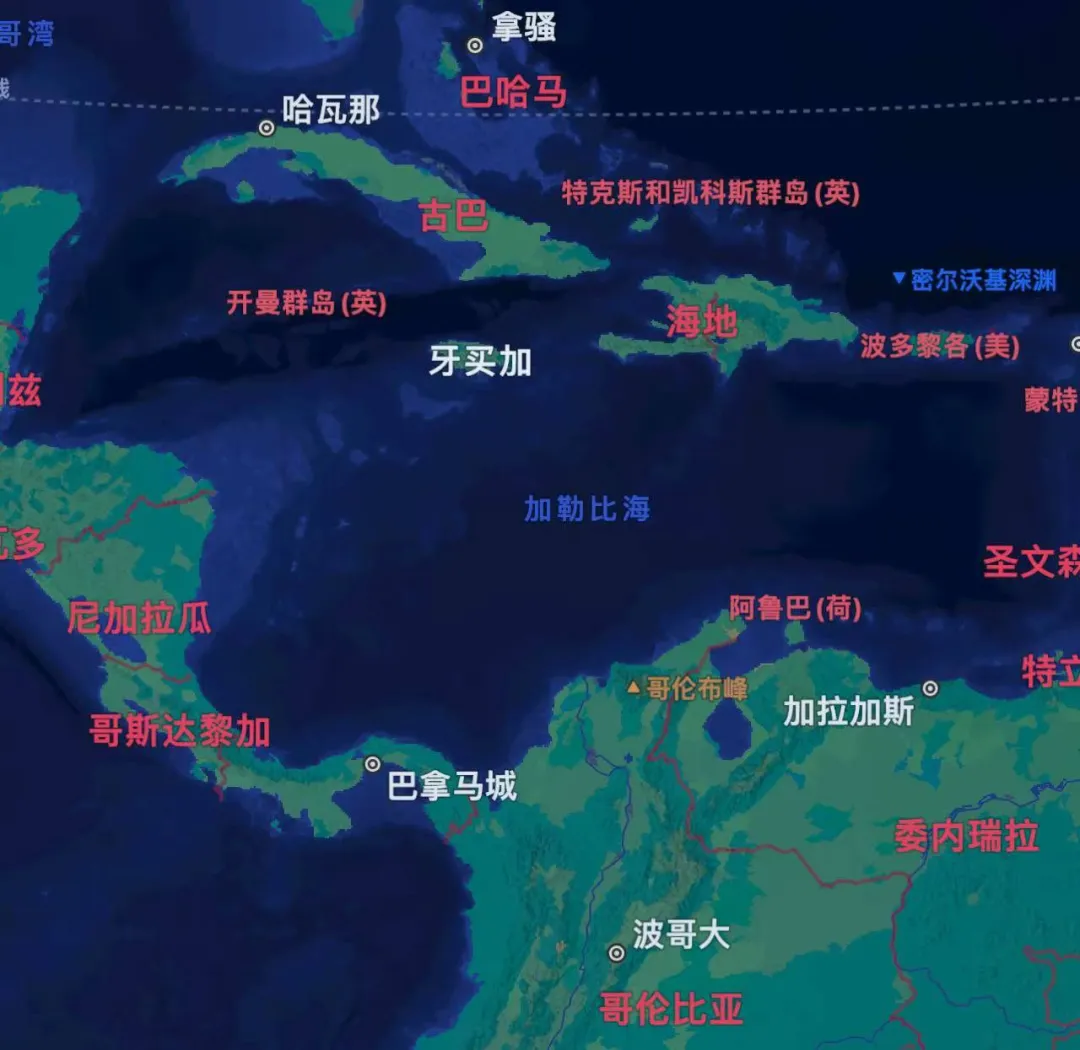
The Jamaican flag is rectangular, with two crossing yellow diagonal bands dividing it into four triangles—green at top and bottom, black at left and right. Yellow represents the country's natural resources and sunshine, black stands for hardships overcome and those yet to come, and green symbolizes hope and Jamaica's abundant agricultural wealth.
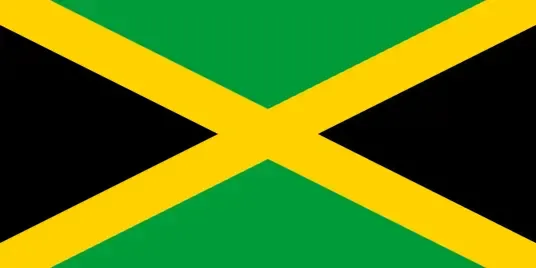
Jamaica lies in the northwestern Caribbean. To the east it faces Haiti across the Jamaica Strait; to the north, Cuba is roughly 145 kilometers away. The coastal strip is alluvial plain, the east is mountainous, and the center and west are hills and limestone plateau, with well-developed karst topography—little surface water, but many caves.
The climate is tropical rainforest. Rainy seasons run from April to June and September to November, with January and May seeing the most frequent showers; December through March is the drier, cooler season. From June to the end of November, hurricanes and tropical storms are a real risk. The central and northern regions are well watered, with temperatures generally between 22–32°C.
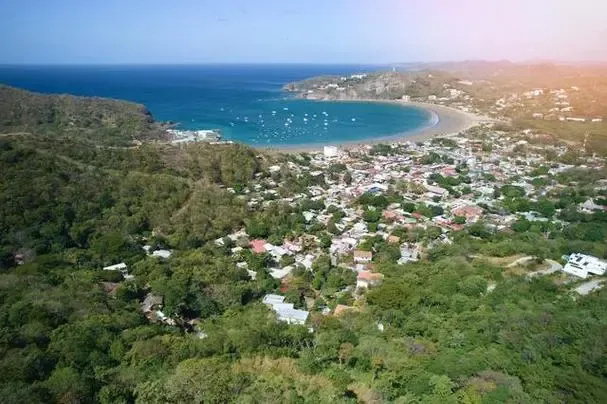
Coffee Growing Regions
Jamaica takes its coffee industry seriously. In 1944 it established the Central Coffee Clearing House, through which all coffee had to be certified before export, and in 1950 the Jamaica Coffee Industry Board (CIB) was founded. In 2018 the CIB merged with other commodity institutions to form the Jamaica Agricultural Commodities Regulatory Authority (JACRA), which now supervises the quality of every barrel of Blue Mountain coffee. The "Coffee Industry Regulation Law" enacted alongside defined the world-famous "Blue Mountain Coffee Growing Region."
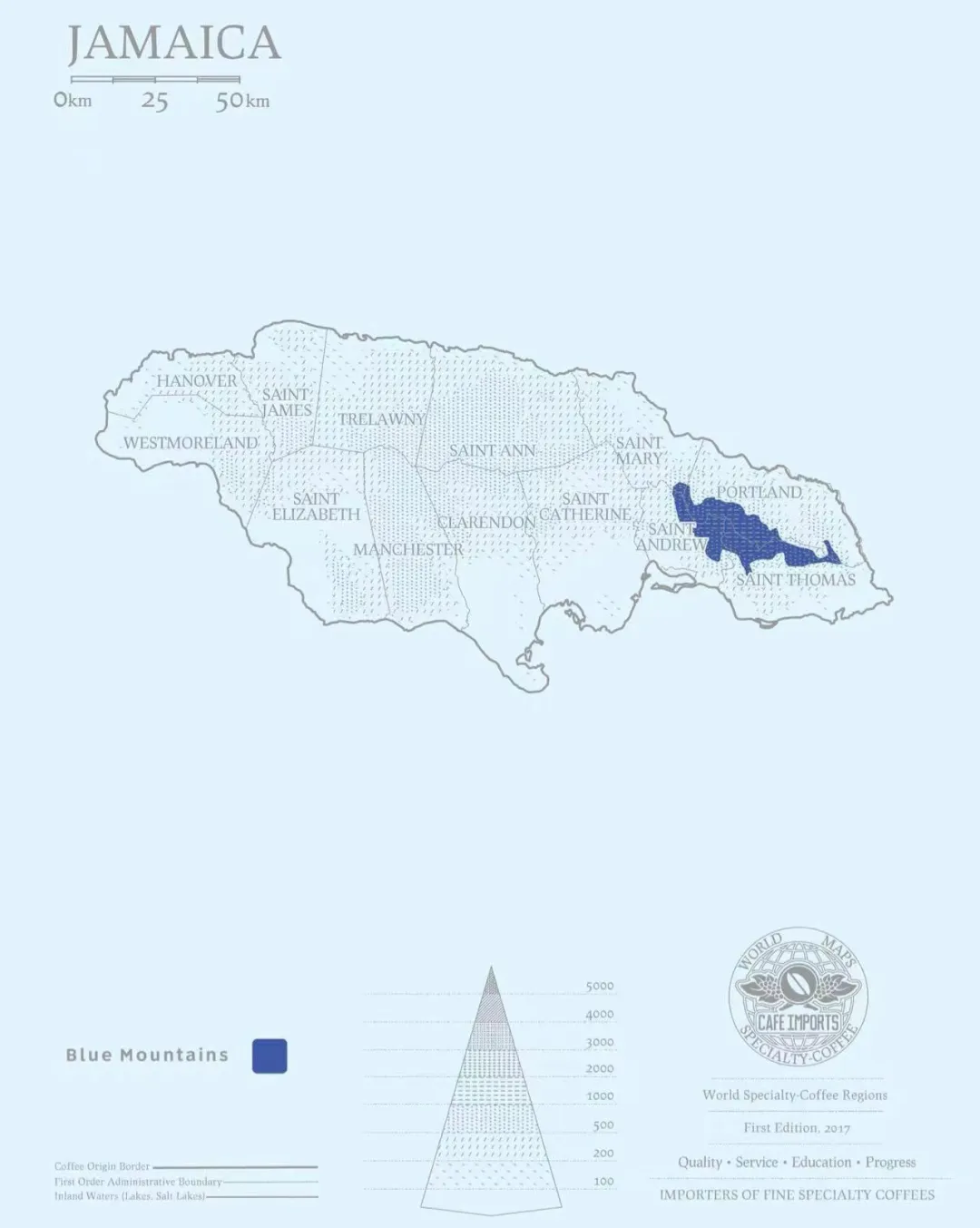
Under that law, the Blue Mountain growing area spans four parishes—St. Andrew, St. Thomas, Portland, and St. Mary—and only Typica coffee grown between 915 and 1,700 meters within it may bear the name Jamaica Blue Mountain Coffee.
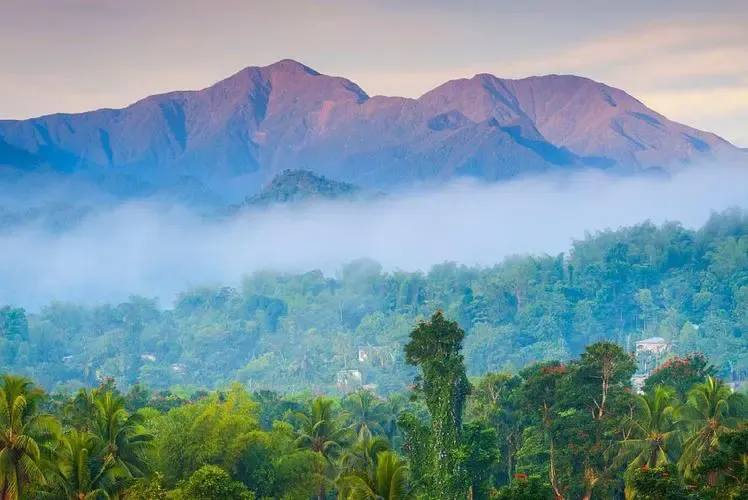
The Blue Mountains occupy eastern Jamaica at elevations of 1,000–1,700 meters. Ringed by the Caribbean Sea, the peaks take on the sea's blue radiance when sunlight strikes the water on clear days—hence the name. The region sits squarely in the coffee belt, with fertile volcanic soil, clean air, and a humid climate of year-round fog and rain (average precipitation of 1,980mm and temperatures around 27°C)—conditions that created the world-renowned Jamaica Blue Mountain coffee.
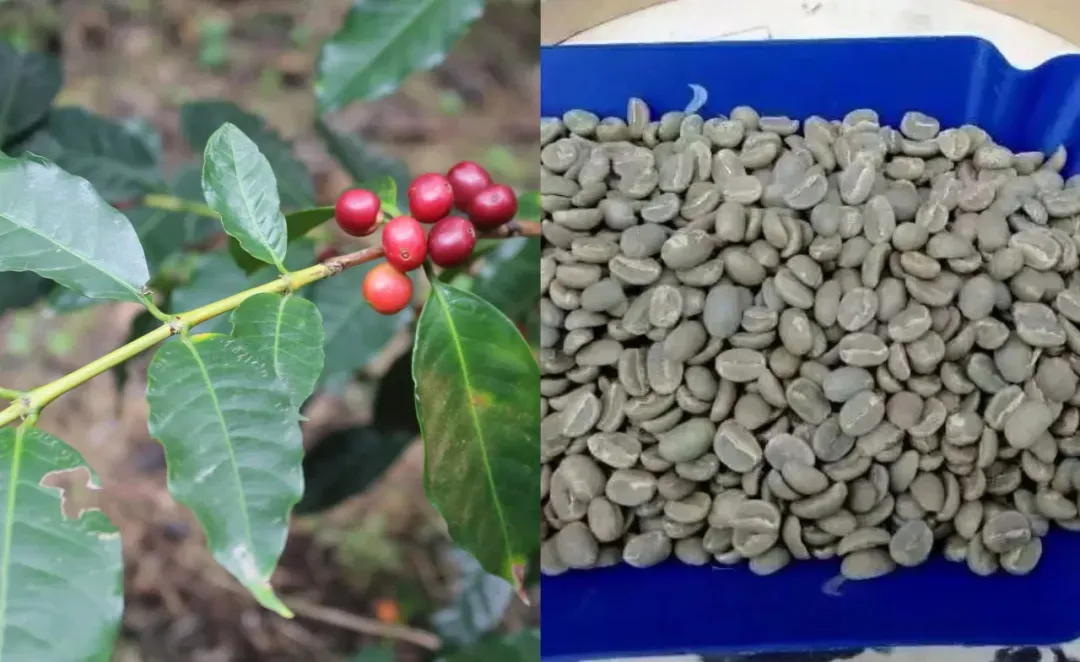
Typica
Typica and Bourbon are the two oldest coffee varieties still in cultivation, both originating in southwestern Ethiopia. Typica plants have ribbed leaves with pointed tips, green-to-bronze coloring, long internodes, mostly red fruit, elongated beans, and a generally tall habit. They suit high-altitude cultivation, where quality improves but yields drop, and they are highly susceptible to leaf rust, nematodes, and berry disease. Typica is grown today in Peru, Papua New Guinea, Jamaica, and elsewhere. Notably, the Typica of Jamaica's Blue Mountains has evolved over some 200 years into a hardier form than typical Typica.
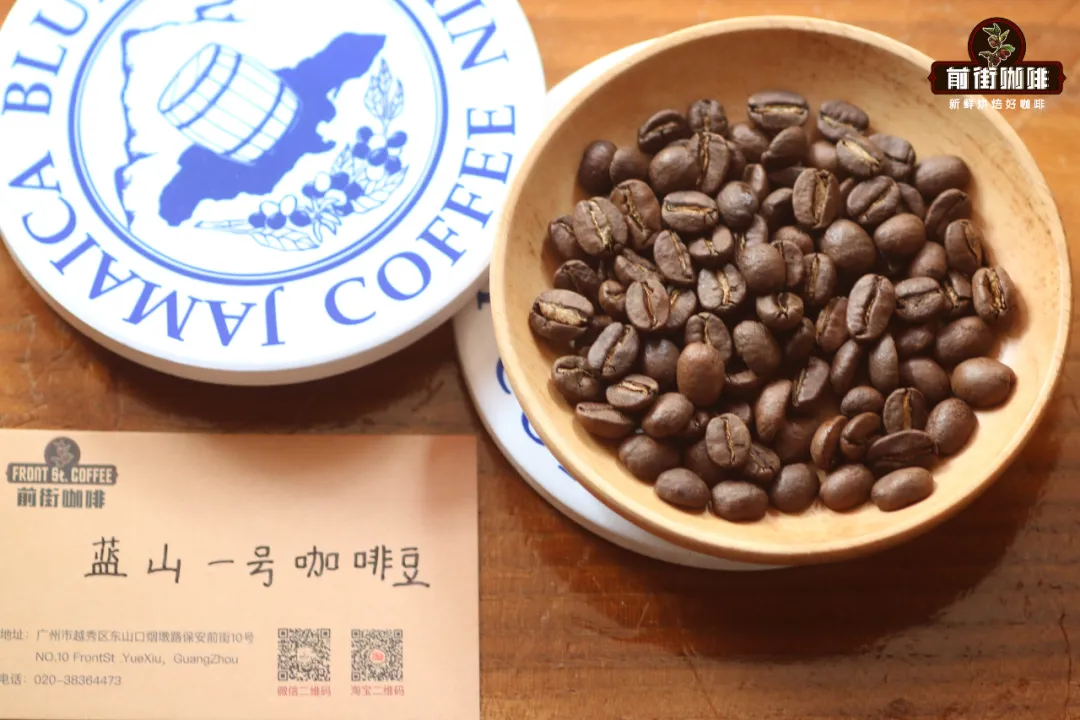
FrontStreet Coffee Jamaica Clifton Hill Estate Blue Mountain No. 1 Coffee Beans
Region: Blue Mountain Region
Estate: Clifton Hill Estate
Altitude: 1310 meters
Variety: Blue Mountain Typica
Processing: Washed
Flavor: Slight citrus acidity, nutty and chocolate notes, silky texture, overall balance
FrontStreet Coffee's Blue Mountain No. 1 is washed and roasted medium-dark, giving the coffee a rich body while preserving delicate fruit acidity. Brew it as FrontStreet Coffee does—a KONO dripper, 1:15 ratio, 89°C water—and you'll find subtle florals, gentle citrus acidity, nut and cocoa flavors, a silky texture, and excellent overall balance.
FrontStreet Coffee Recommendation
Blue Mountain barely needs an introduction: in the era before specialty coffee went mainstream, "treating someone to Blue Mountain" was shorthand for the finest coffee, and even today, with so many new origins discovered, its balance keeps it irreplaceable. Strictly speaking, only coffee grown in the designated Blue Mountain zone and certified by Jamaica's authorities may be called Jamaica Blue Mountain Coffee—the range's highest peak reaches 2,256 meters, and the constant cloud and mist are what gave the mountains their name. The estate's annual output runs under 2,500 tons, and Japan's long-standing trade relationship has historically absorbed over seventy percent of production, keeping genuine Blue Mountain scarce and highly priced. Certified Blue Mountain green beans have been officially exported to China since 2003.
Blue Mountain's charm is balance: neither the strong fruit acidity of many African coffees nor the heavy bitterness of dark roasts, but a superb equilibrium of acidity, sweetness, bitterness, and aroma—cream, caramel, chocolate, nuts, honey, and a touch of fruit, soft and round on the palate with a clean, long finish. To spot the genuine article, check the paperwork: legitimate Blue Mountain carries no traceability code, but importers hold complete export certificates and origin documents. FrontStreet Coffee, for example, displays the certificate from Jamaica's Clifton Hill Estate alongside stacks of the original wooden barrels Blue Mountain is traditionally shipped in (15, 45, and 70 kg sizes)—the barrels themselves being a hallmark of the real thing. Genuine green beans are uniform, plump, slightly upturned at both ends, and green in color.
FrontStreet Coffee's Blue Mountain No. 1 comes from the highest grade lot of the historic Clifton Hill Estate, where coffee has been grown since around 1750 at an average of 4,300 feet (1,310.64 meters), roasted medium-dark within five days of your order. For pour-over, rest the beans 4–7 days from roast date, use a Kono dripper, 15g of coffee at 1:15, a grind slightly coarser than light roasts (about white granulated sugar), and 87–88°C water: bloom with 30g for 30 seconds, pour to 120g and pause, then finish to 225g with a slightly faster flow to avoid clogging. Expect clean, gentle, complex sweetness—chocolate, nuts, cream caramel—with perfectly matched sweetness, acidity, and bitterness. Prefer a moka pot? Grind a touch finer, start with hot water, heat on medium-low, and remove from heat just as the coffee finishes flowing; the pot amplifies the chocolate, caramel, and nut notes while keeping the signature balance, and it makes an excellent latte or flat white too.
Important Notice :
FrontStreet Coffee is a long-established specialty coffee roaster in Guangzhou China, selling freshly roasted beans from its own farm in Yunnan as well as dozens of carefully selected single-origin beans from around the world for both pour-over and espresso. The products deliver consistently excellent quality and great value, with shipping within 24 hours. Guangzhou's FrontStreet Coffee shop is recommended by many coffee lovers, and the beans are now available online at the Tmall 。
FrontStreet Coffee has moved to a new address:
FrontStreet Coffee Address: 315,Donghua East Road,GuangZhou
Tel:020 38364473
 Scan and follow the En Gafei WeChat official account. Please indicate that the reprint comes from "En Gafei".

