
What Details Should You Pay Attention to When Extracting SOE with an Espresso Machine? How to Extract a Delicious Light-Medium Roast Espresso?
How to Extract SOE from Lightly Roasted Coffee Beans
Drink traditional dark-roasted espresso long enough and you'll inevitably crave a change. The usual next step is swapping the dark blend in the hopper for Single Origin Espresso (SOE) beans that showcase distinctive origin flavors, producing brighter, more characterful shots. But these beans are typically roasted lighter, and if you run them on parameters tuned for dark roasts, a delicious cup is hard to come by. Light roasts need a different extraction approach.
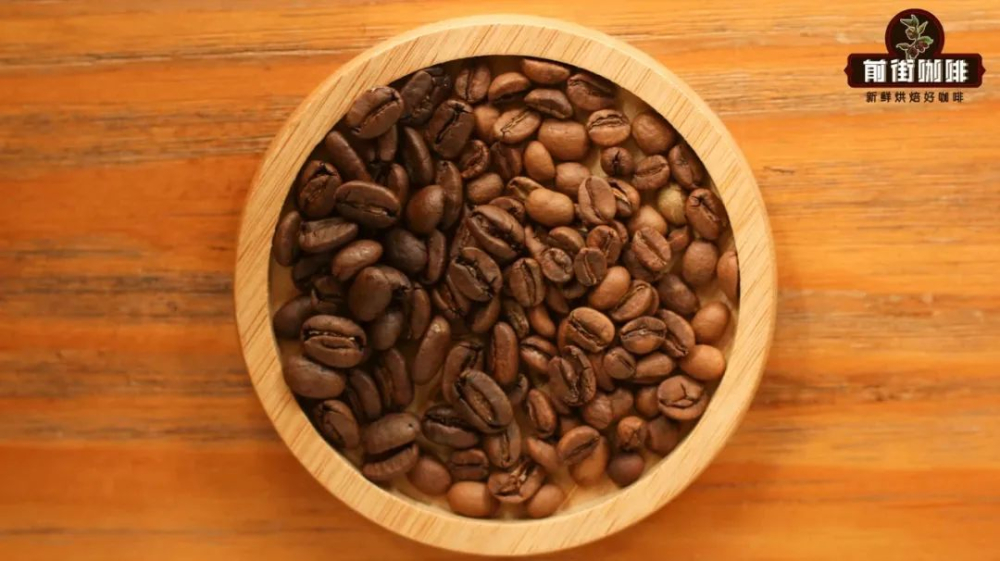
Setting Up an Extraction Formula
Where to start? FrontStreet Coffee recommends designing an extraction formula based on first principles: how much coffee to dose, how long to extract, and how much liquid to target. Within that framework, dial in the grind size first — grind has an outsized impact on extraction. Ultimately, though, only tasting confirms the flavor; the formula merely narrows the adjustment range, it doesn't decide whether the coffee tastes good.
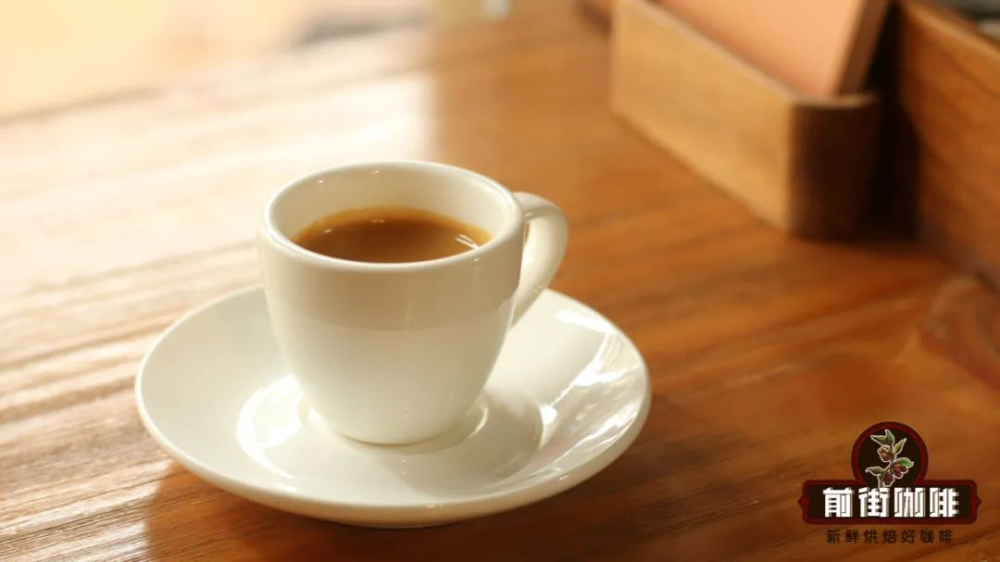
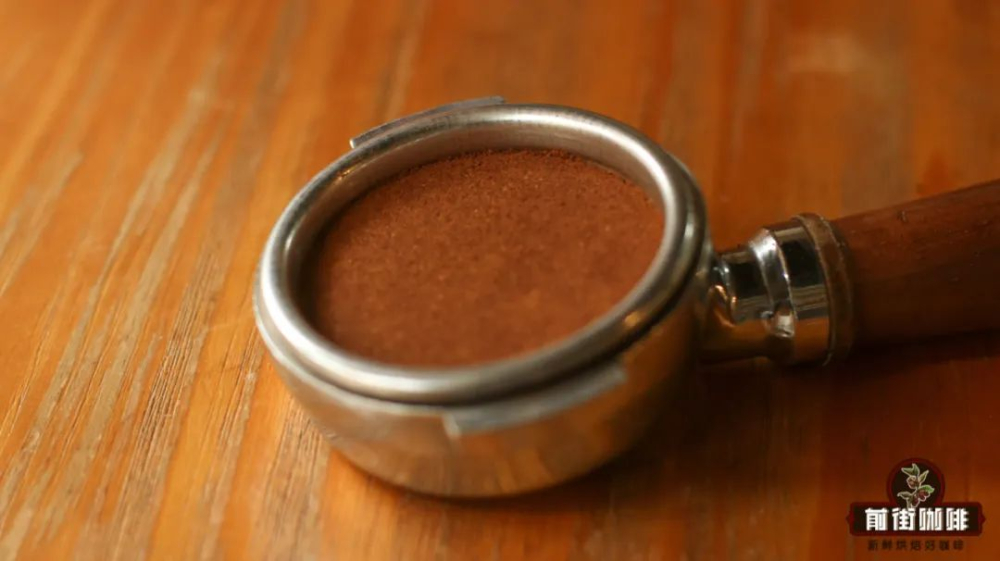
FrontStreet Coffee's standard SOE formula uses a 1:2 coffee-to-liquid ratio with an extraction time of 30–35 seconds — about 5 seconds longer than a traditional espresso formula, because lightly roasted SOE beans need higher extraction efficiency. The dose itself depends on your portafilter basket's capacity. One thing worth knowing: at the same weight and an appropriate grind, light-roast grounds occupy slightly less volume than dark-roast grounds, so use your own judgment — as long as the grounds stay below the basket's rim line, you're fine. Even if you exceed the basket's rated capacity slightly, it's not a problem.
Adjusting the Grind
If your grinder is set for dark roasts, you'll typically need to go 3–5 settings finer when switching to light roasts. That increases the grounds' surface area and raises extraction efficiency. Otherwise, the old setting leaves too much open space between particles, hot water gushes through, and you get a fast, under-extracted shot. Like this:
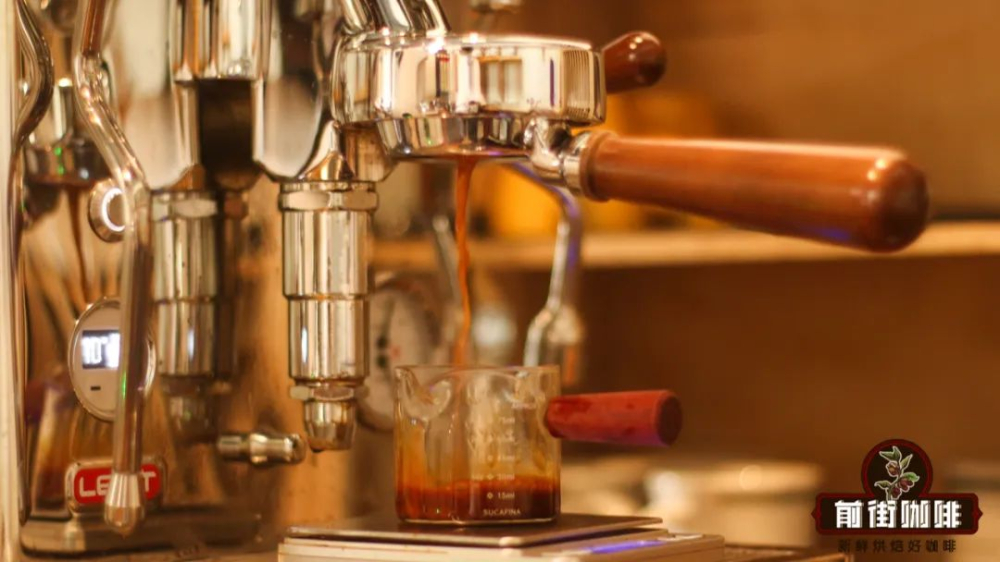
Once extraction time lands in the target range, taste the shot and judge the overall flavor — then adjust as needed.
Troubleshooting Common Issues
Coffee Is Excessively Sour with No Aftertaste
The most common flaw in machine-extracted light roasts: acidity so sharp it stings, with almost no finish. That's under-extraction — without enough sweetness and bitterness to balance it, the acidity dominates. Start by watching the flow rate.
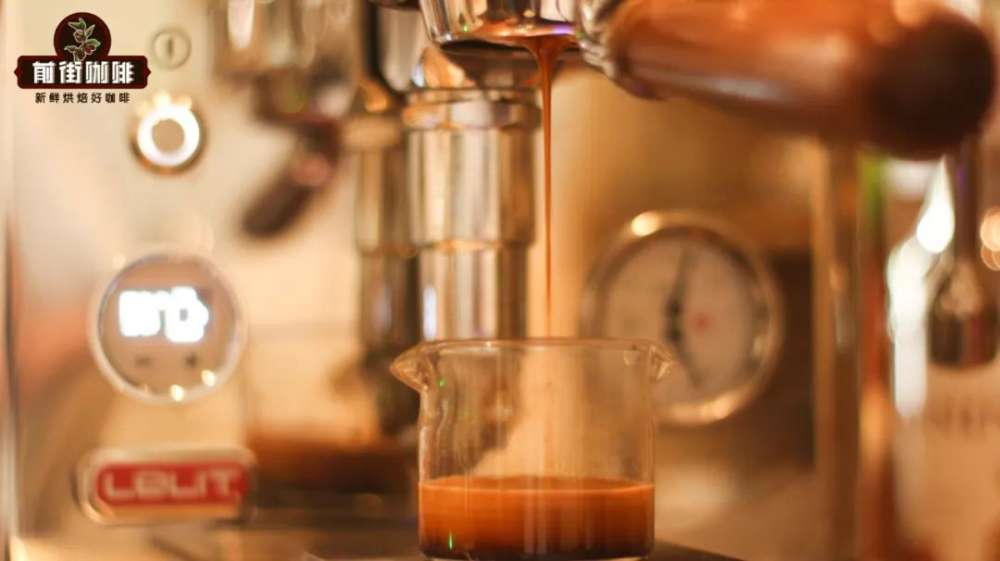
A normal espresso should begin flowing after 7–8 seconds. If coffee starts dripping out at 4–5 seconds, the grind is too coarse and extraction efficiency is too low — grind finer. If the flow rate looks normal, the problem is likely too little extraction overall: extend the shot by about 5–10ml of extra liquid (going over the formula is fine). That pulls out more of the flavor compounds and restores the balance between acidity, sweetness, and bitterness.
Coffee Tastes Excessively Bitter and Burnt
The opposite problem is over-extraction, marked by a pronounced burnt bitterness. The simplest fix is to cut the shot short — reduce the liquid output by 2–4ml. Sometimes that isn't enough, though: if the coffee stays bitter even after you've trimmed the yield, the over-extraction is being caused by grinding too fine.
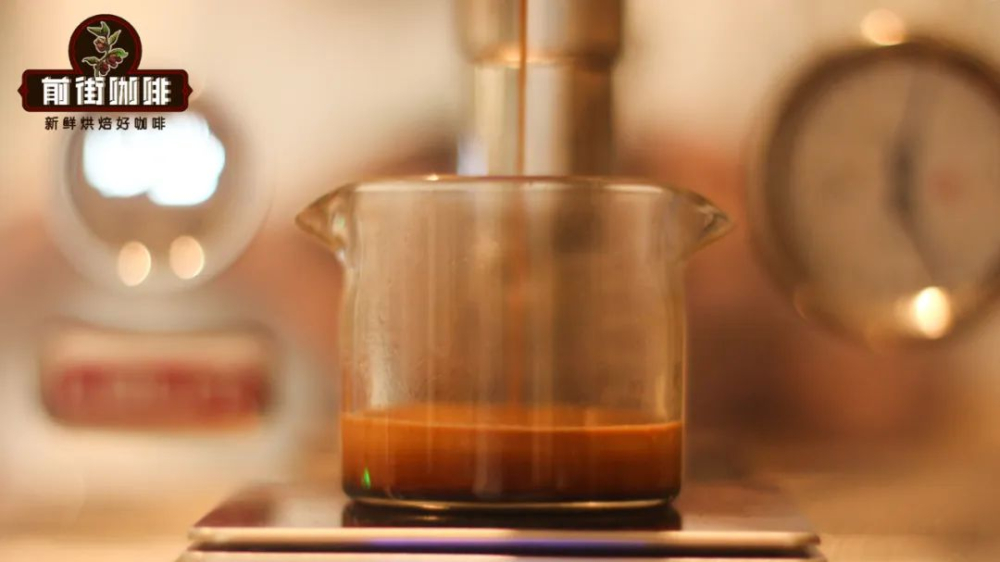
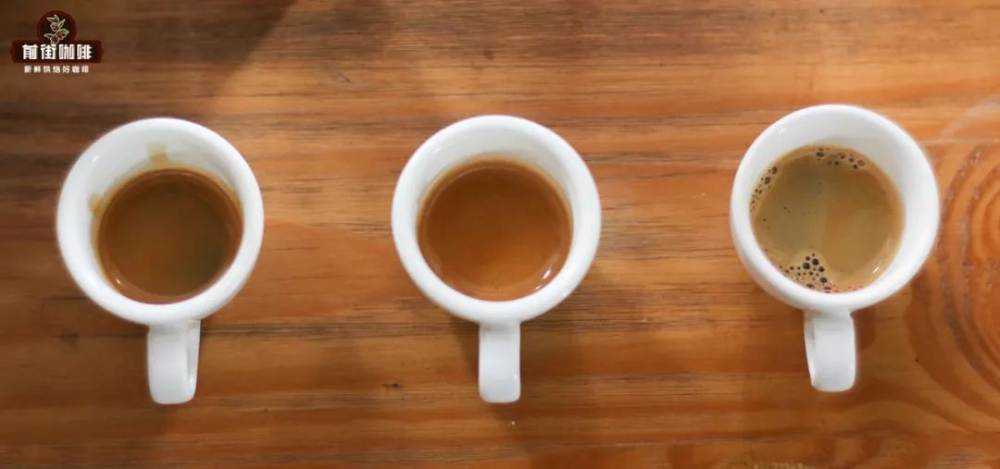
You can diagnose this by splitting one shot into three parts. Say you've extracted 40ml: place three cups under the spouts and catch roughly 13ml each. If all three cups taste unpleasantly bitter, the grind needs to go coarser. If only the later cups are bitter, a shorter shot solves it.
Thin or Absent Crema
Any fresh bean, regardless of roast level, produces some crema under pressure. If the crema is unusually thin, the grind is probably not fine enough — extraction efficiency is too low to release and push out the carbon dioxide in one smooth flow.
Conclusion
Those are the key details of SOE preparation. Looked at as a whole, the process isn't radically different from extracting a traditional dark-roast espresso. Understand the principles of extraction and the causes of off-flavors, and you can diagnose any problem — and pull a delicious SOE.
- END -
FrontStreet Coffee
FrontStreet Coffee Recommendation
SOE is all about showcasing origin character, and traceability is the whole point — you can follow a single-origin lot back to its estate, or even a single farmer. Three FrontStreet SOE beans that shine as light-to-medium espresso.
FrontStreet Yirgacheffe Red Cherry SOE — For the bright-and-floral route: FrontStreet's Yirgacheffe has a very fresh flavor profile, and roasted medium for SOE it shows soft citrus acidity, creamy chocolate depth, and a cookie-like aroma — finishing clean, without any abrasive bitterness.
FrontStreet Huakui (Flower Ghost) SOE — A medium roast whose full fermented fruit character and sun-dried sweetness have made it a daily driver for many enthusiasts. As espresso it presents red berries, delicate florals, and orange, with crema that smells of citrus — refreshing and elegant, ideal for Huakui Americanos and Huakui flat whites.
FrontStreet Fazenda Rainha (Queen Estate) SOE — From Brazil's high-altitude growing regions, where large day–night temperature swings let the cherries build more flavor precursors. Roasted medium-dark, it delivers dense nut, cream, and peanut aromas with a sweet chocolate finish, plus beautifully rich crema — a natural choice for milk drinks as well.
Important Notice :
FrontStreet Coffee is a long-established specialty coffee roaster in Guangzhou China, selling freshly roasted beans from its own farm in Yunnan as well as dozens of carefully selected single-origin beans from around the world for both pour-over and espresso. The products deliver consistently excellent quality and great value, with shipping within 24 hours. Guangzhou's FrontStreet Coffee shop is recommended by many coffee lovers, and the beans are now available online at the Tmall 。
FrontStreet Coffee has moved to a new address:
FrontStreet Coffee Address: 315,Donghua East Road,GuangZhou
Tel:020 38364473
 Scan and follow the En Gafei WeChat official account. Please indicate that the reprint comes from "En Gafei".

