
Why are the expensive, high-quality coffees on the market acidic? How have Blue Mountain and Geisha coffees evolved? What determines the acidity and bitterness of coffee?
Why Is Most Coffee Sour Today? A Journey from Bitter to Bright
Last year a well-known blogger visited a coffee shop to try an expensive pour-over, only to wince at their first taste of sour coffee — and suddenly the internet was full of arguments about acidity. One claim drew particular heat: "Most coffee today is sour!"
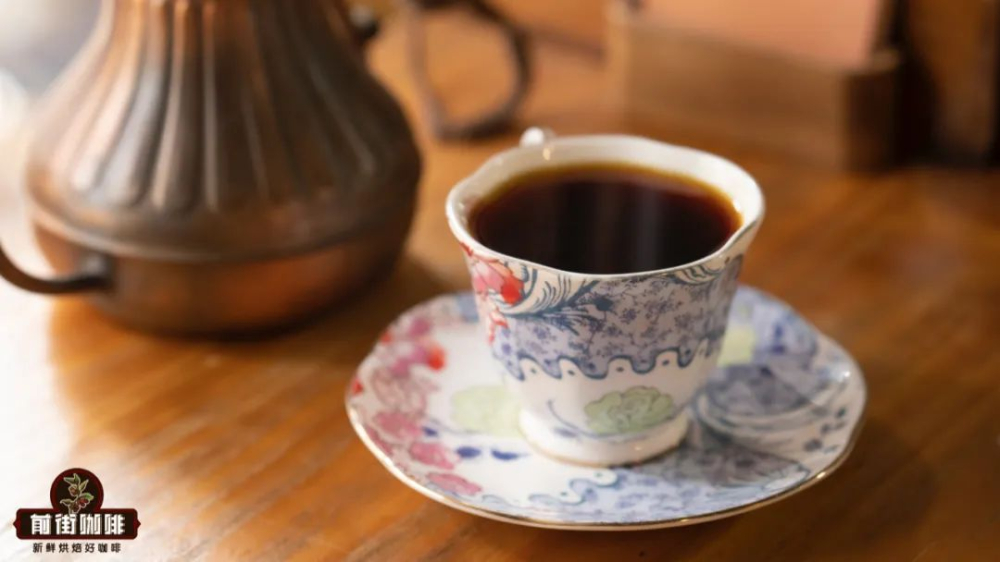
It's true that sour coffee holds a large share of today's specialty market. Order a pour-over in any café and odds are it will lean acidic — baffling to those who still think of coffee as a bitter drink. Bitter-dominant coffees do exist, but they're a small minority now; even espresso, traditionally the bitter camp, has drifted toward acidity with SOE (Single Origin Espresso) built to highlight regional character. As regular readers of FrontStreet Coffee know, sourness and bitterness are governed chiefly by roast level: the lighter the roast, the sourer the coffee; the darker, the more bitter. Which means roasting itself has drifted from dark to light. So why is most coffee today lightly roasted and sour?
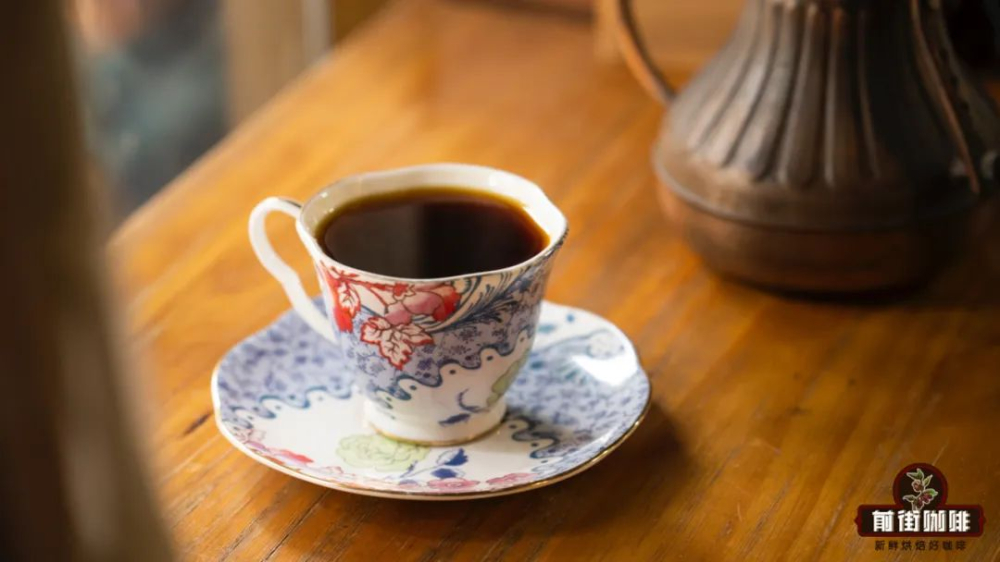
The Evolution of Coffee Flavor Profiles
You might expect FrontStreet Coffee to start with "ever since the concept of specialty coffee was coined..." — and you'd be right, but only partly! The shift from bitter to sour wasn't driven by Erna Knutsen's specialty coffee idea alone. It also took changes in farming at origin, evolving roasting knowledge, new mainstream brew methods, shifting consumer tastes, and more. Only the combined effect of all these factors transformed coffee from uniformly bitter into today's vibrant spectrum of acidity. Let's trace them one by one.
The Historical Dominance of Dark Roast
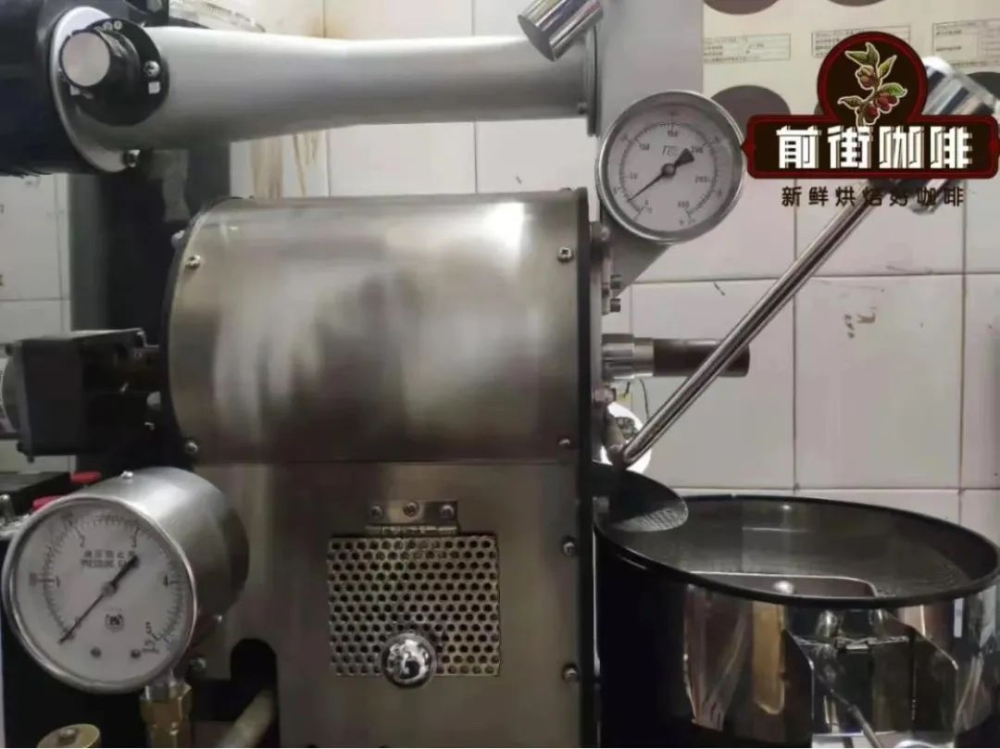
As covered in "How Ethiopians Drink Coffee," before modern roasting machines people roasted coffee in kitchen pans. Iron pans heat unevenly, so to guarantee no undercooked beans, people roasted the beans nearly to carbonization. At that point nothing could be raw — and at that level of roasting, the beans' oils burst to the surface. These black, oil-coated beans earned a nickname of their own: "black gold."
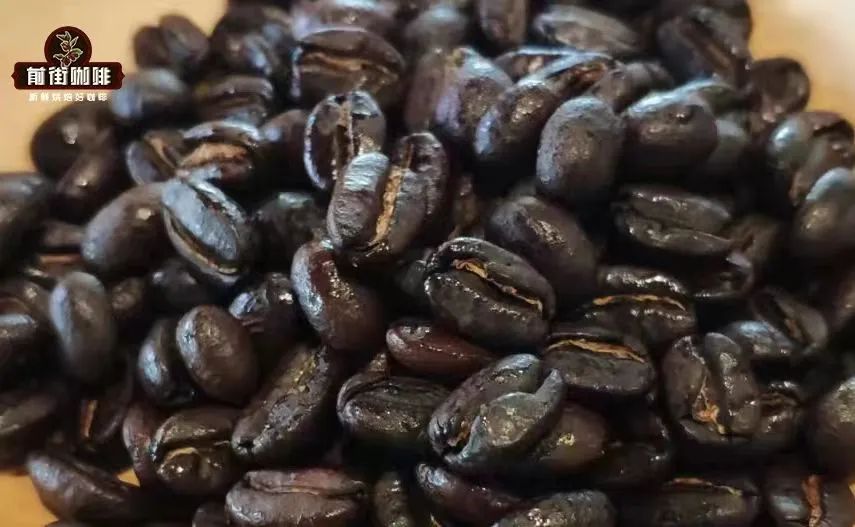
In modern roasting terms, this is coffee pushed past the end of second crack — imagine the bitterness! Bitter, yes, but the aroma was intense, the style found its audience, and it fixed people's first impression of what coffee tastes like. Dedicated roasting machines eventually arrived: first drum roasters, then semi-hot-air drum roasters. Conditions improved, but several hundred years of "roast it dark" had hardened into orthodoxy, so roasting to second crack remained the mainstream understanding.
The Second Wave and Deep Roast Dominance
Two more factors kept dark roast on top: the era's mainstream brew methods and the quality of the beans themselves. In the early twentieth century the second wave of coffee was sweeping the globe — espresso spread worldwide through Italian immigration, and with it the practice of using dark roasted beans. Meanwhile, coffee was mostly exported as bulk commodity, generally poor in quality, full of defects, its flavors muddled — flaws that deep roasting's burnt bitterness conveniently masked. Under the combined weight of these forces, dark roast ruled the day. And it was precisely in this era that Blue Mountain coffee, on the strength of its exceptional quality, rose to become king.

The Turning Point: Quality Recognition
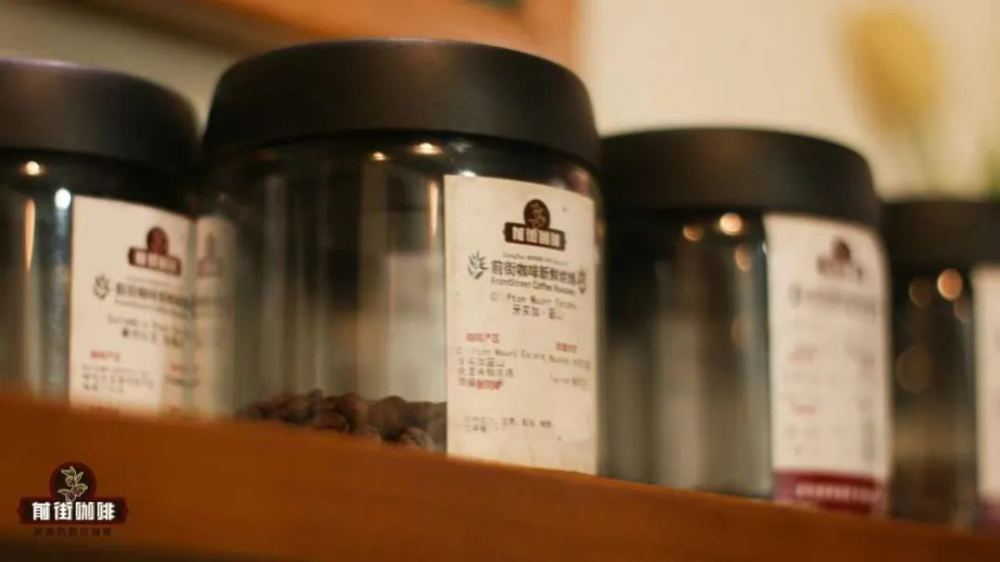
Jamaica's coffee industry dates back to around 1750 but long stayed lukewarm. In 1950 the country established the Coffee Industry Board to coordinate the cultivation, processing, and grading of Blue Mountain coffee — and quality climbed dramatically. At the time, deeply roasted coffee from elsewhere showed harsh, aggressive burnt bitterness; Blue Mountain, though also deeply roasted, was bitter without being burnt, rich without being harsh, and remarkably clean in the mouth. Riding that quality — plus brilliant marketing by the Japanese — Blue Mountain claimed the coffee throne. This was the moment people began grasping how much quality mattered, and coffee reached its turning point.
The Third Wave: The Rise of Light Roast
In 1974, Erna Knutsen introduced the concept of specialty coffee, emphasizing the unique flavors of individual origins and making the industry see that quality management upstream mattered just as much. Over the following years bean quality improved dramatically — freeing roasters to rethink their craft. Inconsistent bean quality had been the great limiter: even before the specialty concept was coined, innovative roasters had tried pulling roasts shorter, only to find that stopping before second crack left many undercooked beans in the batch and an astringent, sour cup. Now that limitation was broken, and coffee was about to enter a new roasting era.
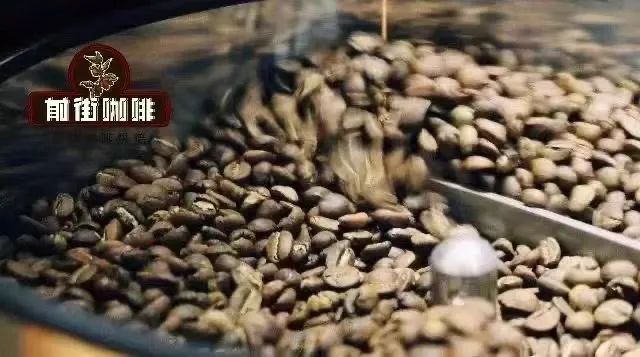
The first to break the mold were the Norwegians. Newer to coffee, they hadn't been steeped in generations of bitter-coffee doctrine — and so the "rebellious," non-mainstream Nordic roast was born. What was called "light" then would read as a medium roast today, but at the time it was shockingly light. Roasters elsewhere considered that degree of roast simply undercooked: sour, astringent, harsh. Then they actually tasted it...

Everyone went quiet. Rich berry flavors burst in the mouth, with lively acidity and a sweet-tart, juice-like character — nothing like the sharp, astringent, dull light roasts of legend. By early 2003, roasters deeply inspired by the Nordic style presented the "three waves" evolution of specialty coffee at the Specialty Coffee Association of America (SCAA), marking the start of coffee's third wave and its turn toward specialty. The paper's core message was one thing: how much appropriate roasting matters for expressing a coffee's own character.
The American Light Roast Revolution
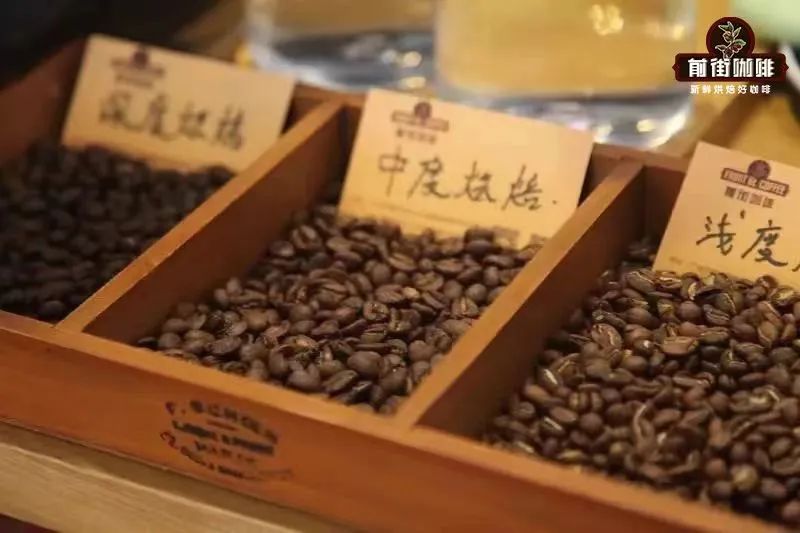
The paper ignited a new roasting movement across America. Famous American cafés were among the first to adopt and launch medium-light roasts. Less extreme than Nordic roast, but coffee was no longer uniformly bitter — roasting had diversified. This is also why Geisha could conquer the world in 2004: beyond its origin and varietal advantages, it had the right roast. Plenty of coffees had floral and fruit aromas before Geisha, but under deep roasting those flavors were almost entirely smothered, leaving little for the palate to find. In 2004, Geisha stunned everyone and reached an unprecedented height.
The Era of Sour Coffee
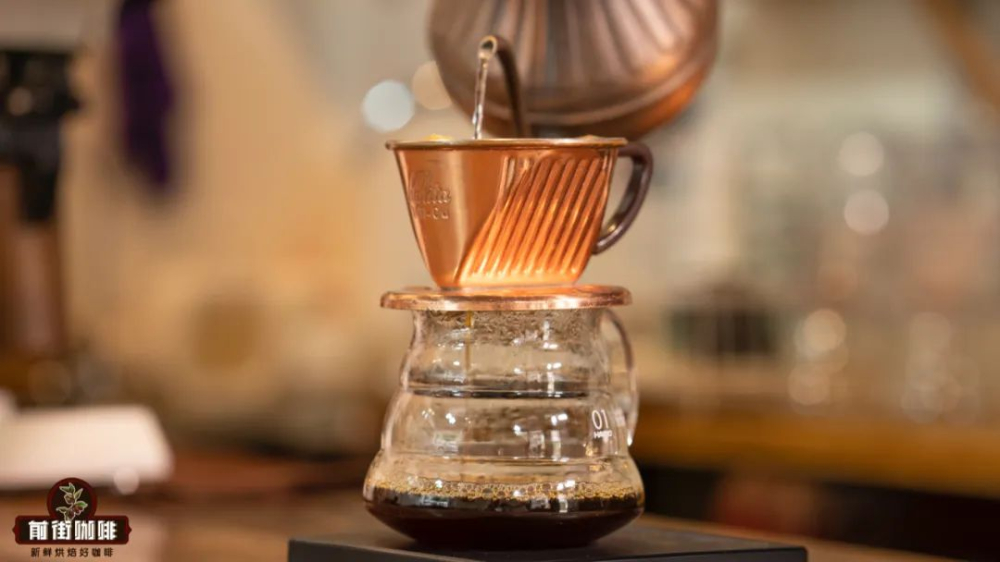
And so the era of sour coffee officially began. To showcase each bean's own character, roasters turned to light roasts, and the single-origin format became the natural stage — with pour-over standing out as light, fast, and clean. Pour-over light roast delivered full flavors and rich layers, lowering the barrier to entry: even those who couldn't stomach bitterness could now enjoy coffee.
As specialty coffee culture deepened, more and more people were swept in. After 2015, cafés built around single-origin coffee grew explosively — and in those shops, sour coffee dominated the menu, creating the illusion for outsiders that sourness was everywhere. But even in today's sour-leaning market, don't forget the traditionalists: coffees like Blue Mountain, Mandheling, and Brazil still embrace medium-dark roasts, keeping the classic flavors passed down over centuries alive for everyone to taste.

FrontStreet Coffee Recommendation
Blue Mountain is the definitive counter-example to the sour trend — a coffee prized for balance rather than punch. Two picks from Jamaica:
FrontStreet Jamaica Blue Mountain No.1: The highest grade of the family, from the historic Clifton Estate, growing at an average of about 4300 feet (1310.64 meters) where cool afternoon mists, ample sunshine, and mineral-rich soil extend the cherry's ripening. At a medium-dark roast it shows nuts, dark chocolate, cream caramel, and soft sweetness in layers — sour, sweet, bitter, and aroma in perfect accord. It has none of the aggressive fruit acid of some African coffees nor the heavy bitterness of dark roasts, which is why so many professionals call it "the specialty coffee easiest for most people to love."
How to spot the real thing: Only coffee grown in Jamaica's Blue Mountains and certified by the Jamaican authorities may be called Jamaica Blue Mountain Coffee. Genuine lots come with government certificates and proof of origin, ship in the traditional wooden barrels (15, 45, or 70kg) stamped with batch details, and show green, full, evenly shaped beans with slightly upturned ends. In the cup, the real thing is intensely aromatic yet clean and quiet, with no off-flavors.
Important Notice :
FrontStreet Coffee is a long-established specialty coffee roaster in Guangzhou China, selling freshly roasted beans from its own farm in Yunnan as well as dozens of carefully selected single-origin beans from around the world for both pour-over and espresso. The products deliver consistently excellent quality and great value, with shipping within 24 hours. Guangzhou's FrontStreet Coffee shop is recommended by many coffee lovers, and the beans are now available online at the Tmall 。
FrontStreet Coffee has moved to a new address:
FrontStreet Coffee Address: 315,Donghua East Road,GuangZhou
Tel:020 38364473
 Scan and follow the En Gafei WeChat official account. Please indicate that the reprint comes from "En Gafei".

