
Panama | Introduction to Geisha Coffee Beans from Boquete Coffee Region
Panama
At the southernmost tip of Central America lies a country with a geography all its own, home to a canal known as the "World Bridge": the Republic of Panama. The country covers a total area of 75,517 square kilometers and is divided into 10 provinces and 5 indigenous regions.
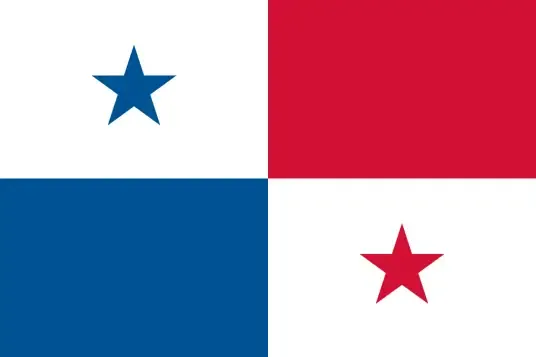
Panama's flag is rectangular and made up of four rectangles in white, red and blue. White stands for peace, while red and blue represent Panama's original Liberal and Conservative parties and their unity and struggle for the national interest. The white-and-blue star in the upper left stands for loyalty and integrity; the white-and-red star in the lower right stands for the authority of law. The design, split into four sections by a cross, represents Panama's position at the meeting point of North America, South America, the Atlantic Ocean and the Pacific Ocean.
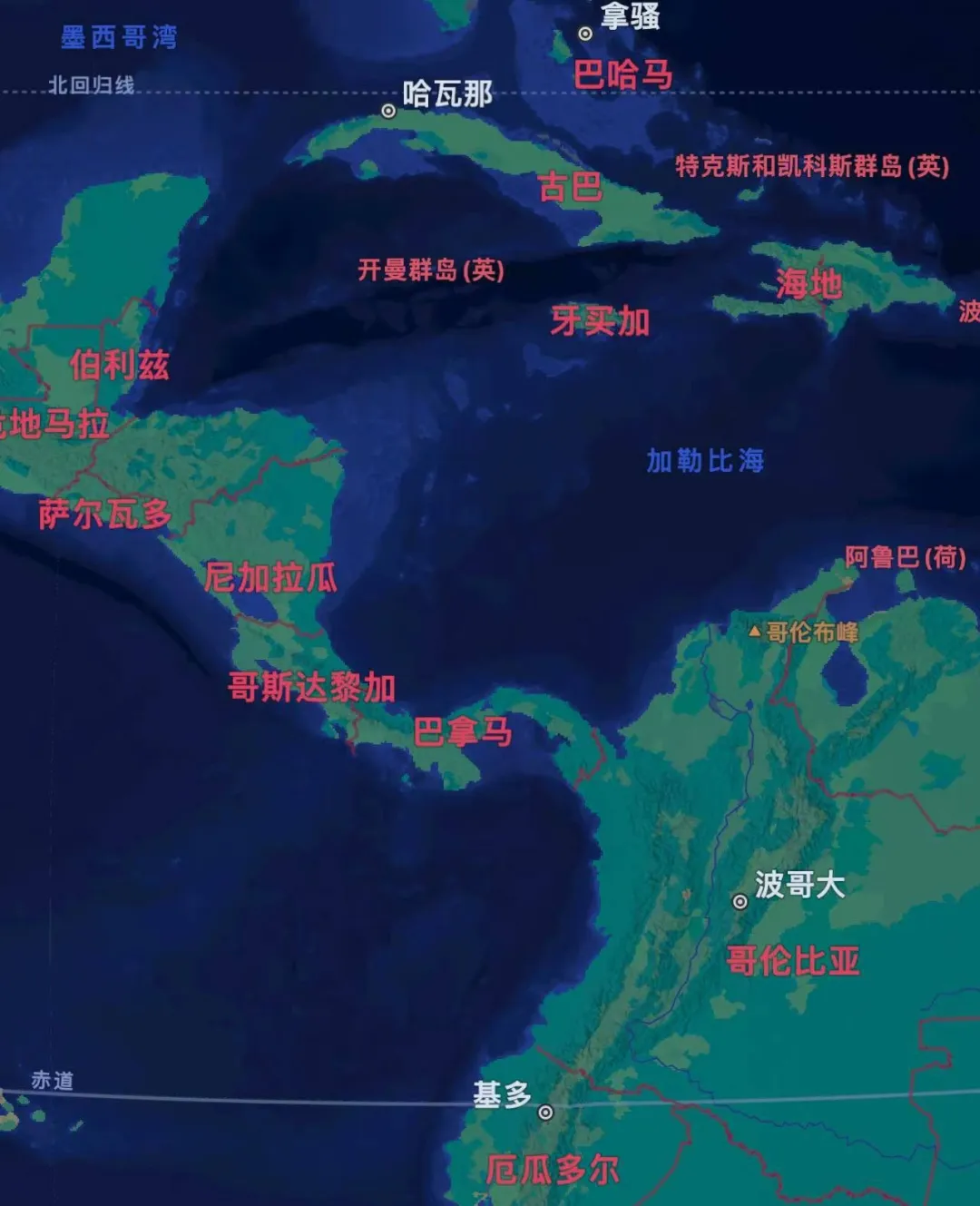
Panama borders Colombia to the east, the Pacific Ocean to the south, Costa Rica to the west and the Caribbean Sea to the north. Its S-shaped territory links North and South America, and the Panama Canal joins the Atlantic and Pacific oceans from north to south, which earned the country the name "World Bridge."
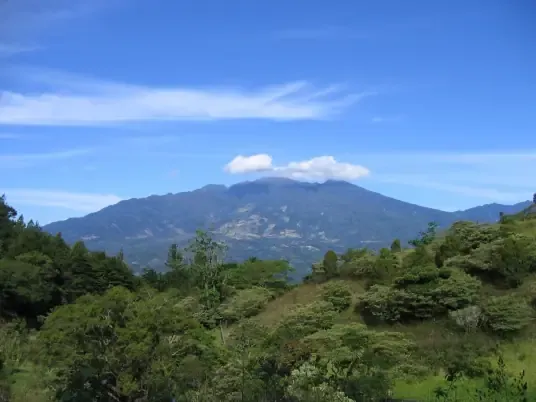
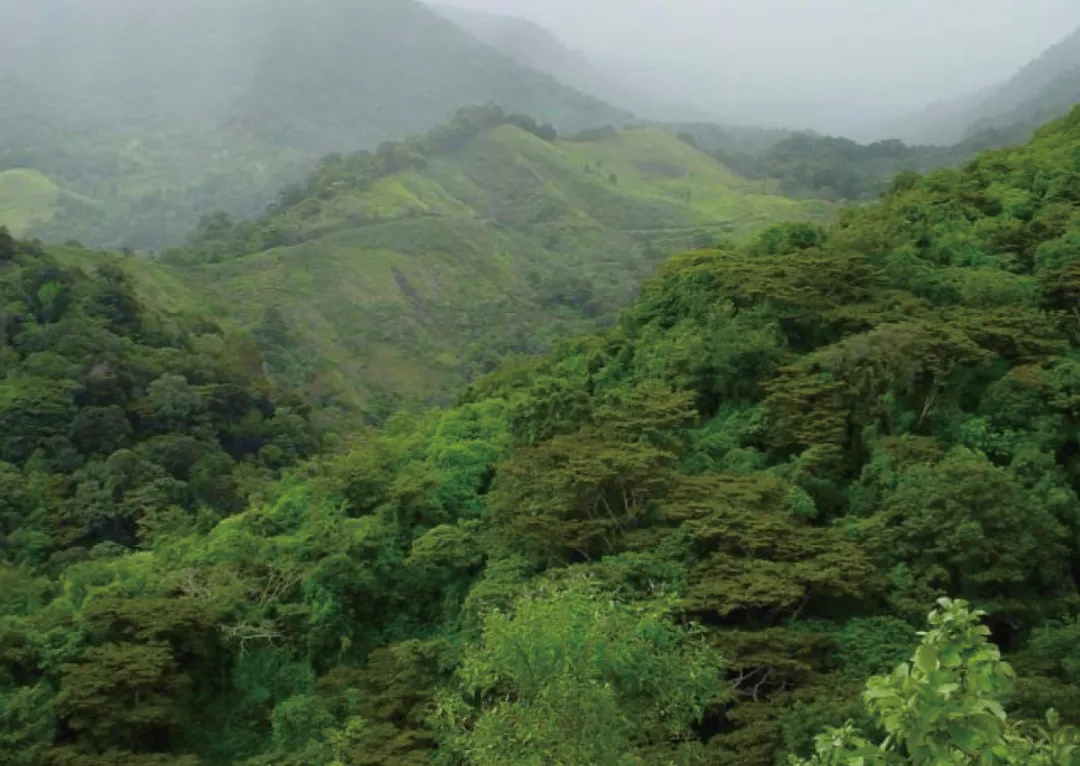
Panama's terrain rolls with countless valleys and ravines. Apart from the coastal plains in the north and south, most of the country is mountainous. Being close to the equator, it has a tropical marine climate with humid days and cool nights. Average annual temperatures run from 23-27°C, the year divides into a clear dry season and rainy season, and average annual rainfall is 1500-2500 millimeters. Panama has several volcanoes, rich forests and rivers, and distinctive microclimates, all of which give coffee and other crops ideal growing conditions.
Coffee Growing Regions
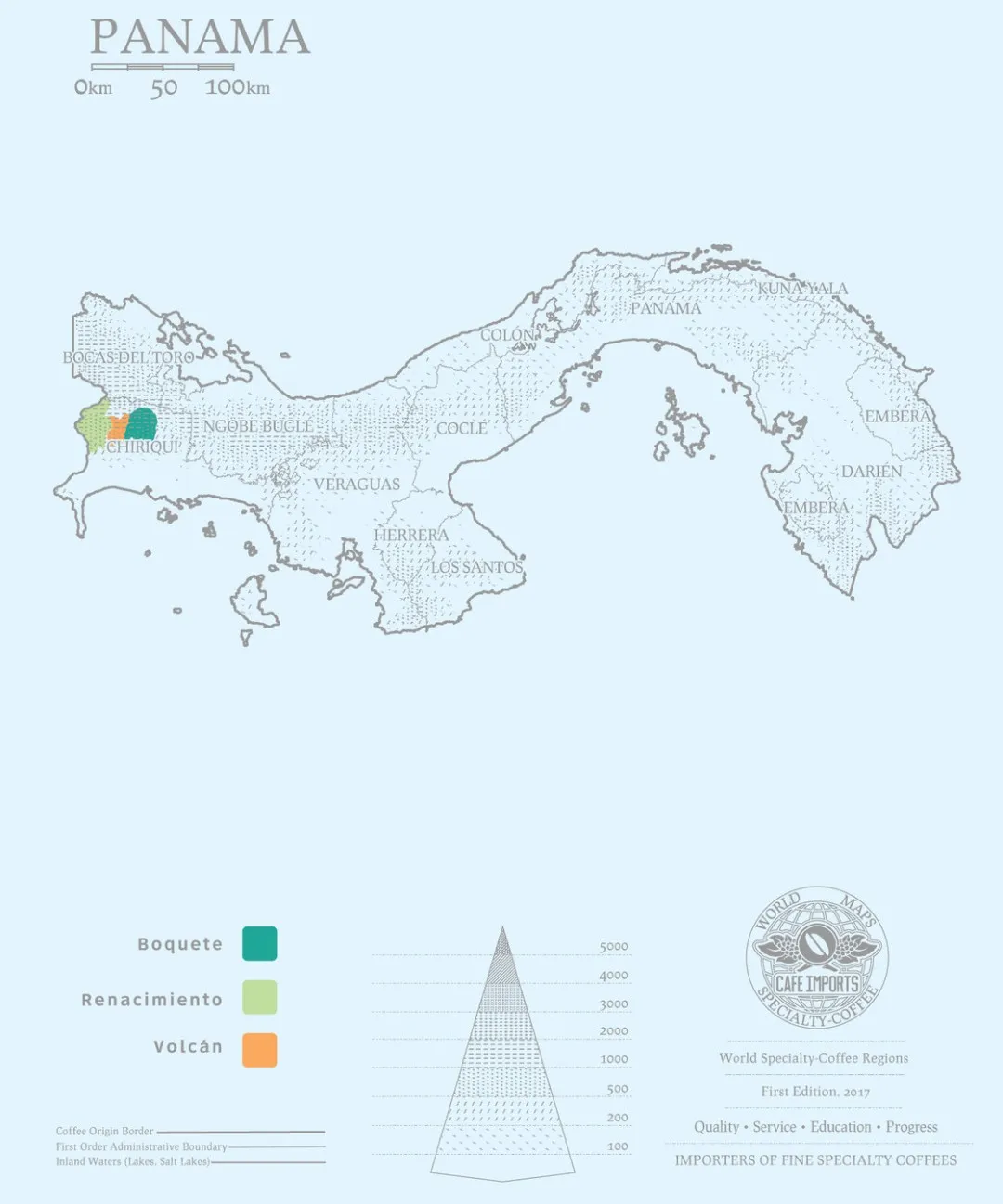
The main coffee regions are Boquete, Volcan-Candela and Renacimiento. All three sit in the western part of the country among three volcanoes: Volcan Baru, El Valle and La Yeguada.
Boquete
Boquete is arguably Panama's most famous coffee region, hosting many renowned estates such as Hacienda La Esmeralda, Duncan Estate and Elida Estate. The main Boquete area offers excellent growing conditions, with coffee cultivated at altitudes between 1200-2000 meters. Temperatures here range between 11°C-27°C, neither too cold nor too hot, and the wide day-night swing lets the cherries develop flavor slowly. Moderate rainfall, fertile volcanic ash soil, abundant sunshine and special local microclimates all help the region produce high-quality coffee.
Volcan-Candela
Compared with Boquete, Volcan-Candela is less well known, but in recent years many excellent estates from the area have appeared in Panama's BOP competition with impressive results. The Volcan-Candela region lies on the western side of Volcan Baru, at altitudes between 1200-1600 meters. Although average rainfall is lower than in Boquete, the same high altitude and fertile volcanic soil give coffee trees an excellent growing environment. Volcan-Candela is currently home to well-known estates such as 90+ Geisha Estate, Aurora Estate and Hartmann Estate.
Renacimiento
This region lies in the most remote part of the country, bordering Costa Rica, with cultivation altitudes between 1100-1500 meters. Because it is remote and hard to reach, and because the processing and transport infrastructure is correspondingly limited, Renacimiento is not as well known as Boquete and Volcan-Candela.
Geisha Variety
The Geisha variety was first discovered in Ethiopia in the 1930s, introduced to Tanzania in 1936 and brought to Costa Rica in 1953. It only reached Panama from Costa Rica in 1970. At the time, quantity mattered more than quality, and Geisha plants have relatively weak branches, so farmers did not favor it and it was not widely cultivated. Later, the specialty coffee wave turned attention to the flavor of the beans themselves and toward quality. By 2005, Hacienda La Esmeralda entered the Geisha variety in the BOP competition, and its delicate floral aromas, jasmine fragrance, peach and bergamot flavors, together with exceptionally high scores, made the variety famous.
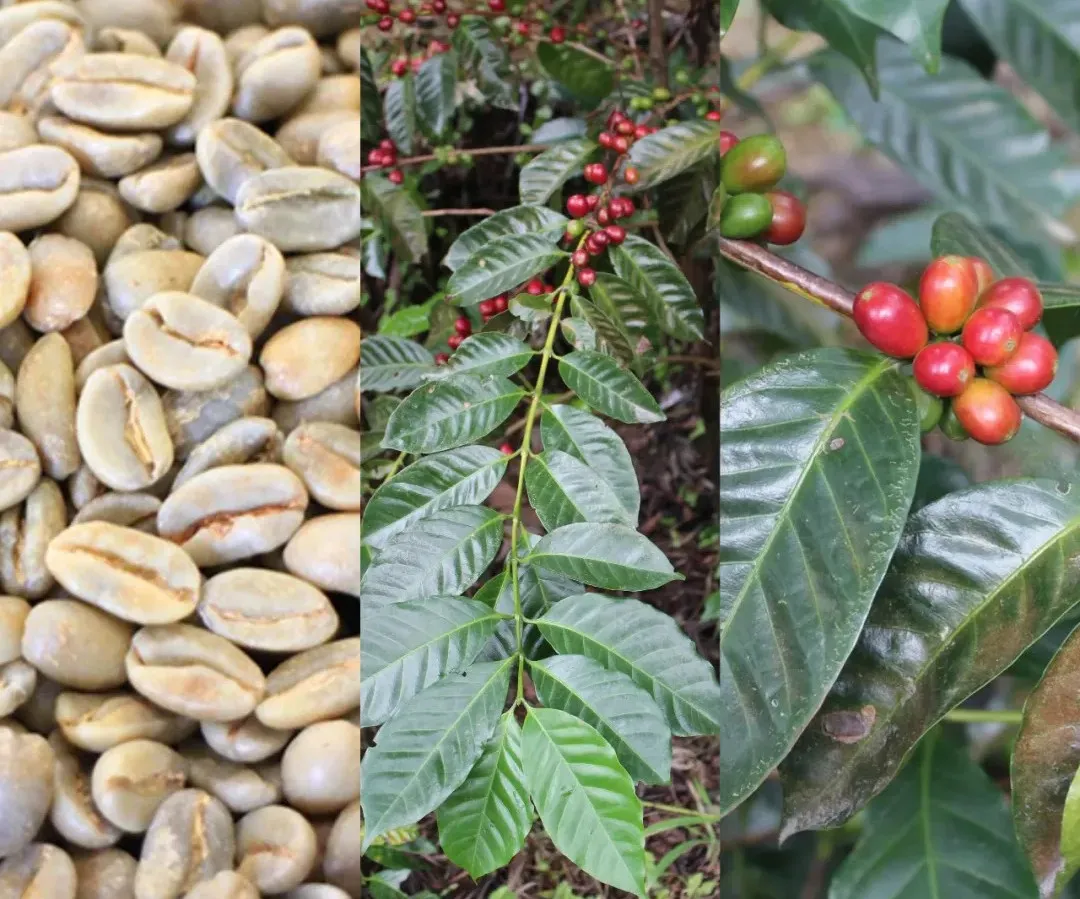
FrontStreet Coffee Panama Boquete Geisha Coffee Beans
Region: Boquete
Altitude: 1600 meters
Variety: Geisha
Processing: Washed
Flavor: Jasmine, Lemon, Bergamot, Honey, Green Tea
These FrontStreet Coffee Panama Boquete Geisha beans are washed and medium roasted. FrontStreet Coffee brews them in a V60 at a 1:15 ratio and 92°C. You will pick up jasmine on the nose, then lemon-like acidity, bergamot and honey flavors, a green-tea-like mouthfeel and a clean finish.
FrontStreet Coffee Recommendation
If you want to taste the Geisha profile without going straight to the top tier, FrontStreet Boquete Geisha is the entry point FrontStreet Coffee recommends first. Sourced from the Panama Boquete region, it delivers the classic high-quality Panamanian Geisha character of orange-blossom and honeyed sweetness, an oolong-tea mouthfeel and fine, layered fruit acidity at an accessible price.
For the benchmark expression, step up to FrontStreet Hacienda La Esmeralda Red Label Geisha, officially named Esmeralda Special, grown at 1600-1800 meters. Each lot is cupped at over 90 points and carries its own number, with all the beans in a lot coming from a single small plot, so you can choose a lot that matches your taste. FrontStreet Hacienda La Esmeralda Green Label Geisha, originally Private Collection, blends lots from several plots to capture the estate's signature high-altitude Geisha character, and it offers the better value of the two.
Important Notice :
FrontStreet Coffee is a long-established specialty coffee roaster in Guangzhou China, selling freshly roasted beans from its own farm in Yunnan as well as dozens of carefully selected single-origin beans from around the world for both pour-over and espresso. The products deliver consistently excellent quality and great value, with shipping within 24 hours. Guangzhou's FrontStreet Coffee shop is recommended by many coffee lovers, and the beans are now available online at the Tmall 。
FrontStreet Coffee has moved to a new address:
FrontStreet Coffee Address: 315,Donghua East Road,GuangZhou
Tel:020 38364473
 Scan and follow the En Gafei WeChat official account. Please indicate that the reprint comes from "En Gafei".

