Why Do Coffee Beans Need Resting? Is Bean Resting Necessary? Why Do Darker Roasts Require Longer Resting Time?
The Art of Resting Coffee Beans: Understanding Degassing
Freshly roasted beans need several days of rest before they taste their best—a process we call degassing. Resting isn't strictly mandatory, but FrontStreet Coffee still recommends it for fresh beans: it smooths out extraction problems and makes the coffee more delicious.
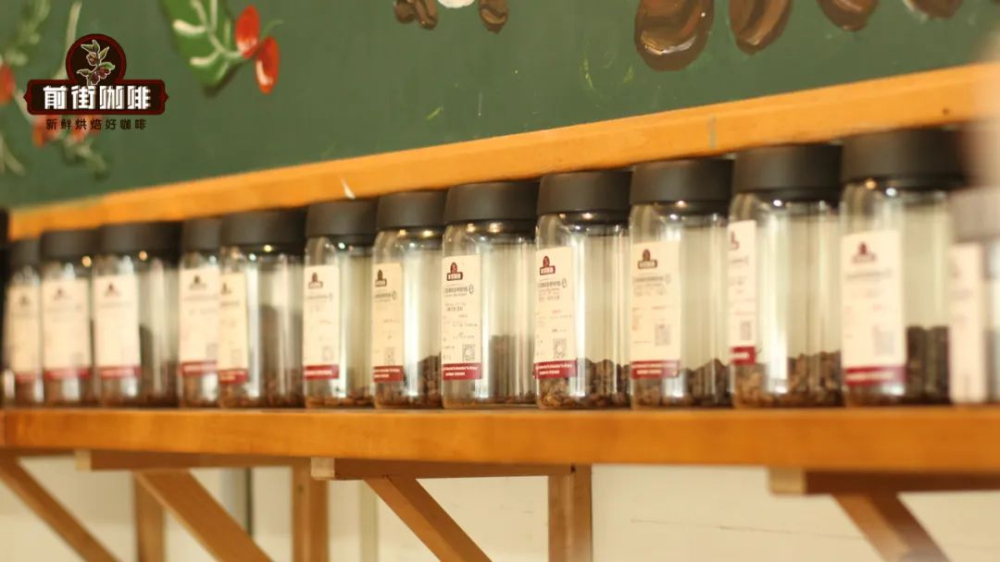
How long to rest depends on the roast level. Lighter roasts need less time; darker roasts need more! And dark-roasted beans destined for espresso need longer still.
Why Do Dark Roasts for Espresso Need Even Longer Resting?
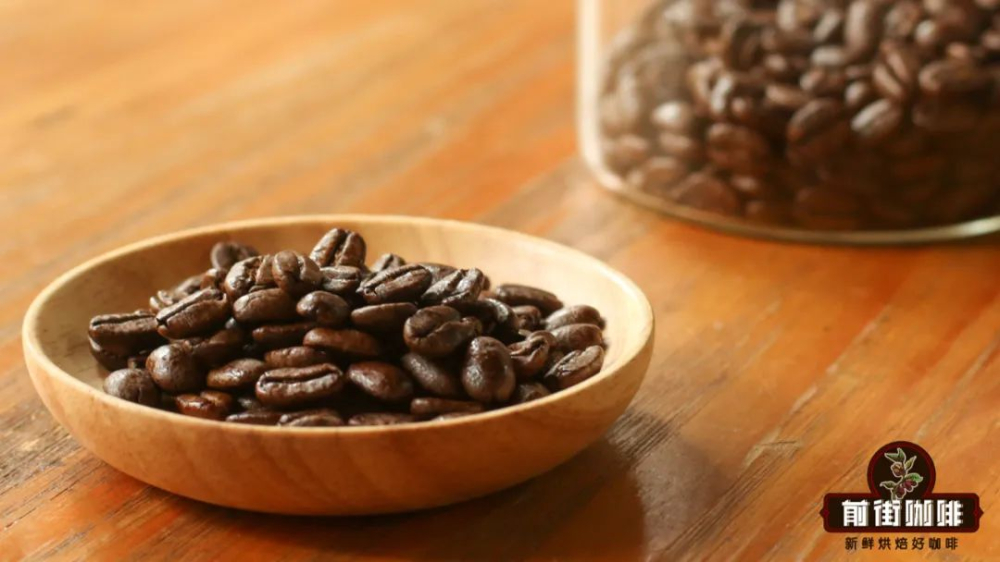
It seems backwards: dark-roasted beans are more porous, so shouldn't their gas escape faster and their resting period be shorter than a light roast's? The reasoning sounds right—until you remember that dark-roasted beans hold far more carbon dioxide to begin with.
1. Carbon Dioxide Makes Espresso Unstable
That's the first reason for the longer rest: higher CO2 content. Yes, dark roast beans are porous, but they contain more carbon dioxide and need a longer release cycle to vent it. For espresso—the most delicate extraction method we have—too much CO2 is genuinely harmful.
Excess carbon dioxide suppresses aromatics and degrades the crema. Under an espresso machine's pressure, all that CO2 gets whipped into a thick, golden crema—but it's all show: the surface is rough, it collapses quickly, and it clumps. Crema like that is no pleasure to drink or to pour latte art on.
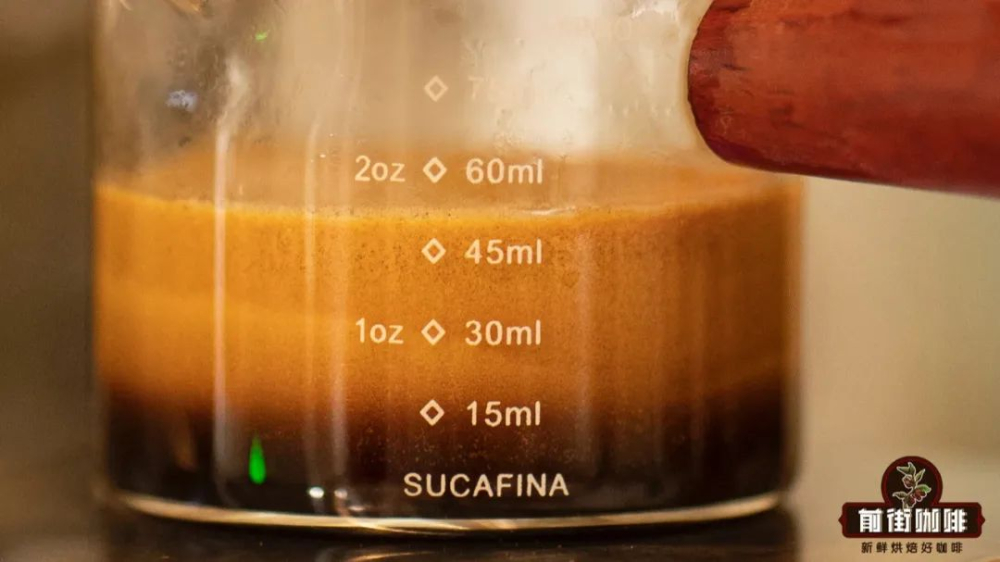
Worse, espresso is so sensitive that tiny changes in the beans shift the extraction. Right after roasting, beans are venting CO2 heavily (far more than after a proper rest), so the recipe you dialed in this morning can be obsolete by the afternoon.
That kind of drift makes dialing-in expensive and multiplies the instability. So for steadier espresso, the standard practice is to rest the beans longer.

2. Letting the Beans Develop Their Oils
The second reason: resting lets the oils emerge—especially on medium-dark roasted beans. Medium-dark roasts show varying amounts of oil on the surface, and that oil is essentially the beans' own fats migrating outward.
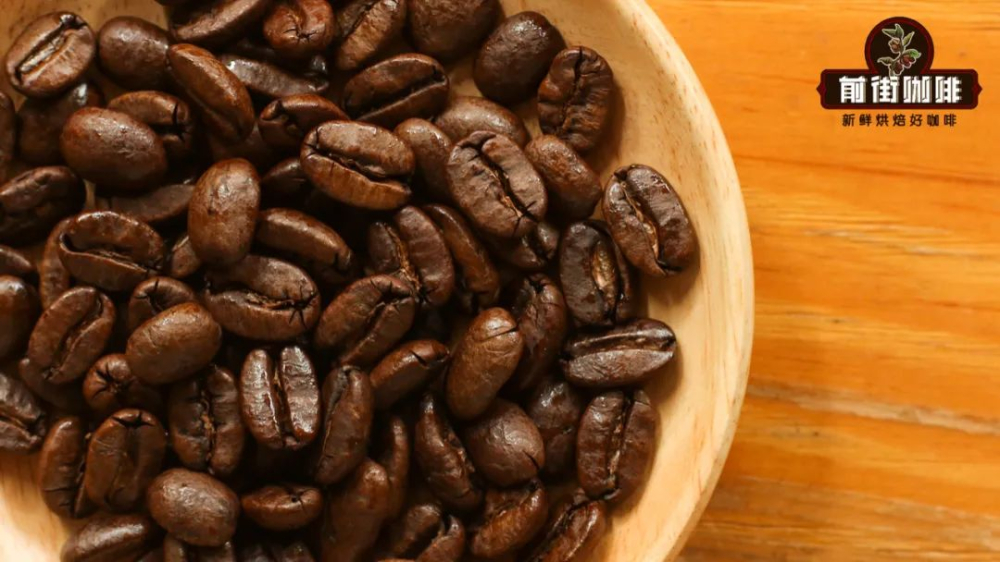
Before roasting, the bean's structure is tight and its oils are locked inside the fiber matrix. As the roast proceeds, heat expands the bean and gradually opens the pores in the cell walls—that's when CO2 moves in. When the roast ends, the beans cool from around 200 degrees back to ambient temperature and pressure, the CO2 gradually escapes, and the oils slowly seep to the surface.
Plenty of beans come off the roaster with barely any visible oil, then turn beautifully oily after a few days of rest. That surface oil doesn't just stabilize the crema—it adds body and makes the cup rounder and fuller.

Weighing both factors, dark-roasted espresso beans should rest a good while longer. FrontStreet Coffee recommends resting medium-dark roasted espresso beans for about 10 days (counting from the roast date), and for darker roasts, extend further as the beans dictate.
One caution: oil isn't a virtue in unlimited quantities—the more oil on the surface, the faster the beans oxidize. Once the beans hit their peak, drink them promptly to avoid rancid, oxidized flavors; whatever you can't finish in time, seal in airtight containers to stretch the window!
FrontStreet Coffee Recommendation
Espresso beans are generally split into two camps: blends, which most cafés default to, and single origins—SOE—chosen for a specific taste. A blend is the roaster's or barista's answer to balance: combine a smooth but quiet bean with an aromatic one and the whole exceeds the parts. For a traditional-style Americano or latte, FrontStreet Coffee's Classic Blend and Commercial Blend both build on the classic Italian recipe with a small share of Robusta, extracting butter, nut, spice, dark chocolate, and toast aromas with a wild, thick body and a burst of golden crema that makes latte art easy. If you love the almond-walnut aroma profile, the FrontStreet Specialty Blend and Black Cocoa Blend lean heavily on Brazilian beans for a comfortable bittersweetness and creamy peanut smoothness—the Specialty Blend adds Colombian nut, chocolate, and caramel notes with a pleasant acidity, while FrontStreet Coffee's Black Cocoa Blend pairs Yunnan arabica's ripe-plum acidity with a creamy chocolate fragrance, balanced and versatile enough for signature milk drinks as well as Americanos and lattes—perfect for both beginners and shop owners.
Important Notice :
FrontStreet Coffee is a long-established specialty coffee roaster in Guangzhou China, selling freshly roasted beans from its own farm in Yunnan as well as dozens of carefully selected single-origin beans from around the world for both pour-over and espresso. The products deliver consistently excellent quality and great value, with shipping within 24 hours. Guangzhou's FrontStreet Coffee shop is recommended by many coffee lovers, and the beans are now available online at the Tmall 。
FrontStreet Coffee has moved to a new address:
FrontStreet Coffee Address: 315,Donghua East Road,GuangZhou
Tel:020 38364473
 Scan and follow the En Gafei WeChat official account. Please indicate that the reprint comes from "En Gafei".