Essential Tools for Coffee Latte Art You Must Know! What Details Should You Pay Attention to When Using an Etching Needle? Why Do We Create Latte Art?
The Art of Coffee Latte: How to Use an Etching Needle Like a Pro
Latte art has given hot milk coffees like lattes and cappuccinos a whole extra layer of visual appeal. A cup crowned with a delicate pattern always creates the impression that the coffee must taste excellent — in short, it makes coffee look more appetizing and makes people want to drink it. That's why baristas keep practicing, shot after shot, in pursuit of ever more refined patterns.
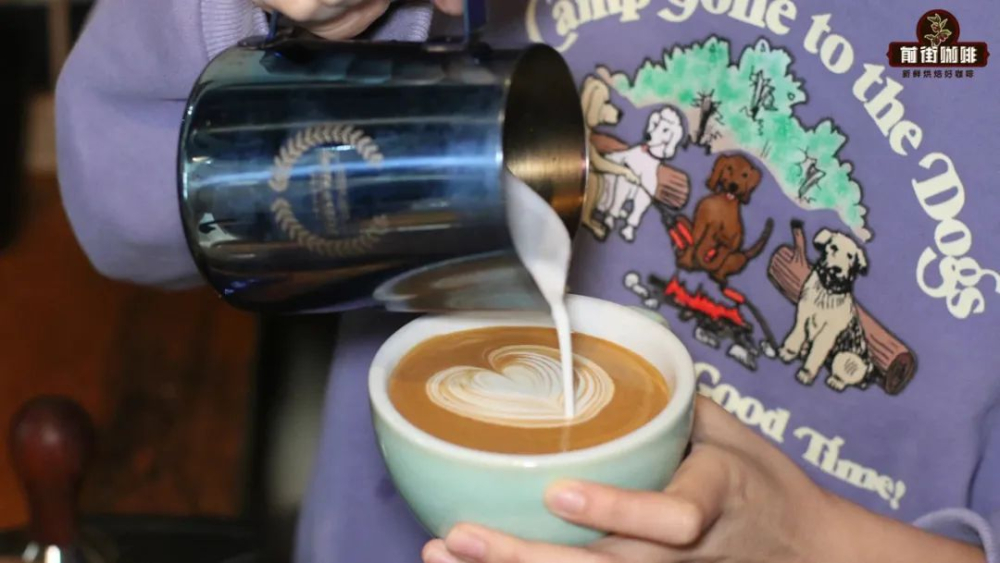
But there are plenty of fine details a milk pitcher alone simply can't accomplish — and that's where latte art's auxiliary tool comes in: the etching needle. Thanks to its versatility, people once called it a "cheat tool." Yet for all its apparent simplicity, it's not easy to handle well. The usual failures: you can't draw anything, or the lines come out too thick, too thin, or blur away. Today, FrontStreet Coffee shares how to use this latte-art gadget properly!
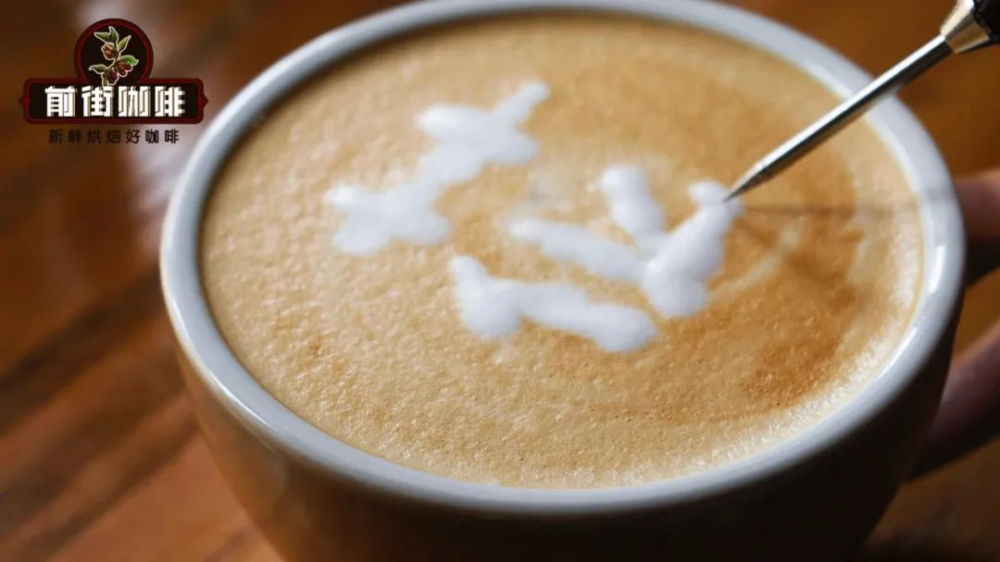
Types of Etching Needles
Etching needles come in many types, with prices to match. The cheap ones cost just a few yuan; the premium ones run around a hundred yuan — still an acceptable range. The main differences are the overall design and the materials. The one FrontStreet Coffee uses is a fairly common, traditional model you can find anywhere on the market.
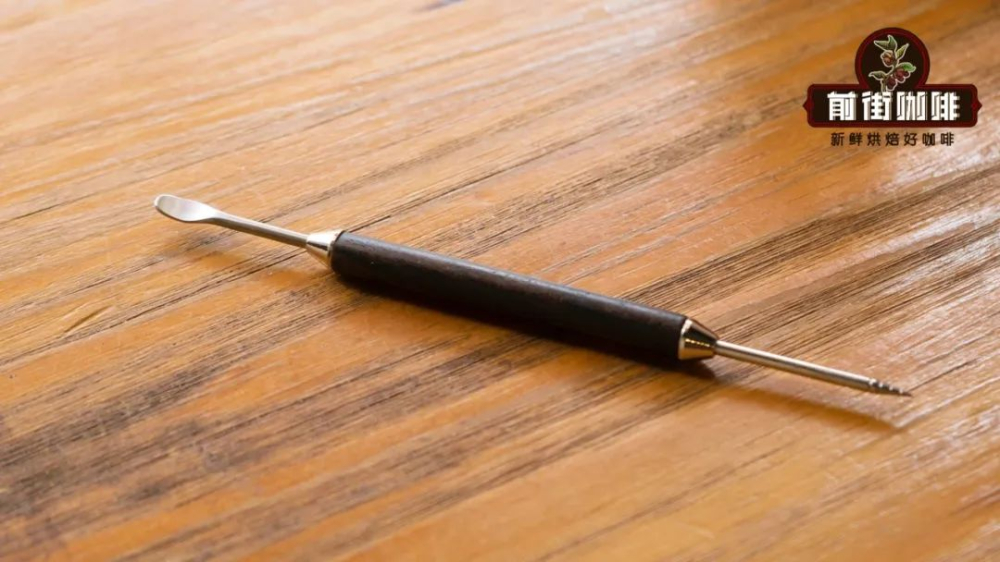
Whatever the price, every etching needle has two very different "heads": one end is pen-shaped, the other spoon-shaped. The pen tip draws fine, delicate lines (small-area patterns), while the spoon end handles large-area designs.
Applications of Etching Needles
Etching needles are remarkably versatile: you can use them together with the pitcher to finish a pattern, or draw an entire design from scratch.
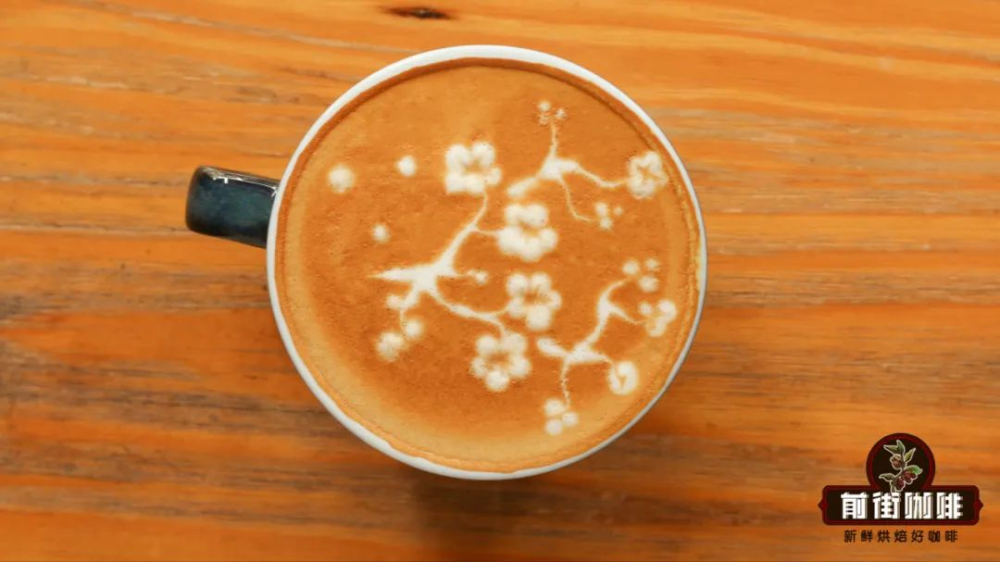
(This one's a demo!) They can also rescue a pour that went wrong. For instance, in our recent swan article we mentioned a common mishap: mid-pour, you run out of milk and can't complete the finishing touches. That's when the etching needle's pen tip can fill in the missing parts.
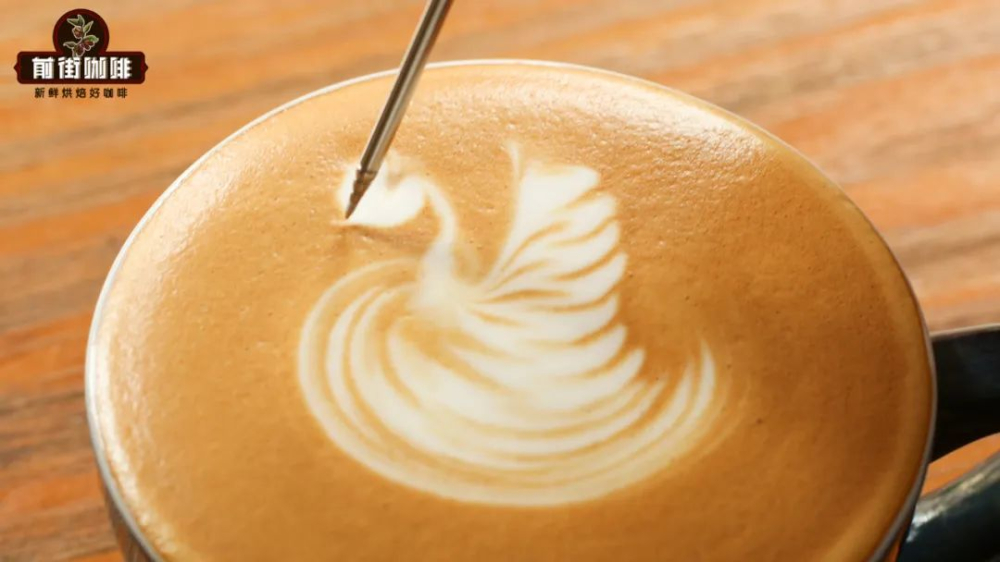
Now, the details that matter when you actually use one.
Details to Note When Using Etching Needles
1. Prepare Extra "Paint"
Think of the etching needle as a paintbrush: crema and milk foam are its paint. Many people dip directly from the already-mixed coffee surface, which is fine — until you press too hard while taking your "color" and leave a scar on the canvas (the coffee surface) that ruins the finished picture. (Like this↓)
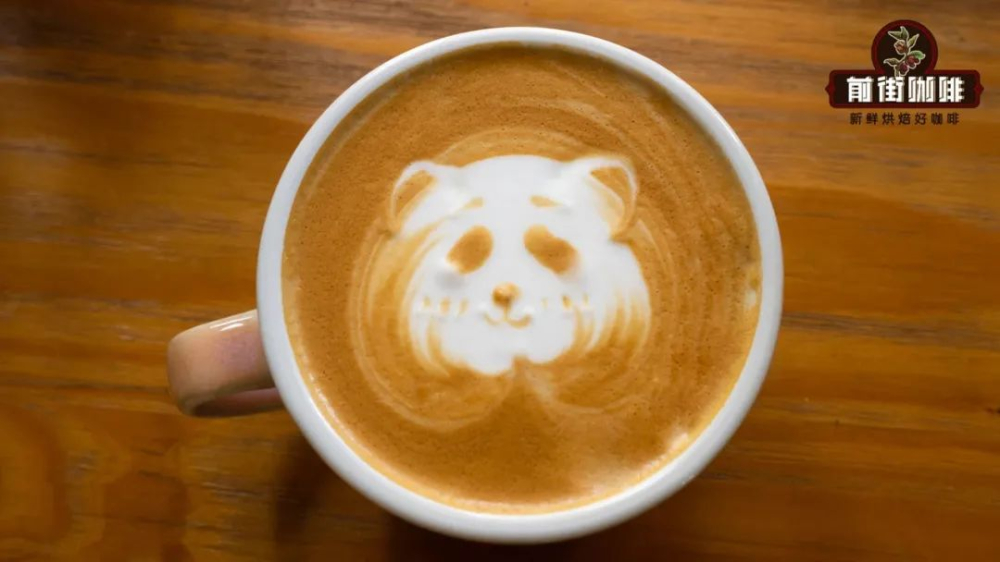
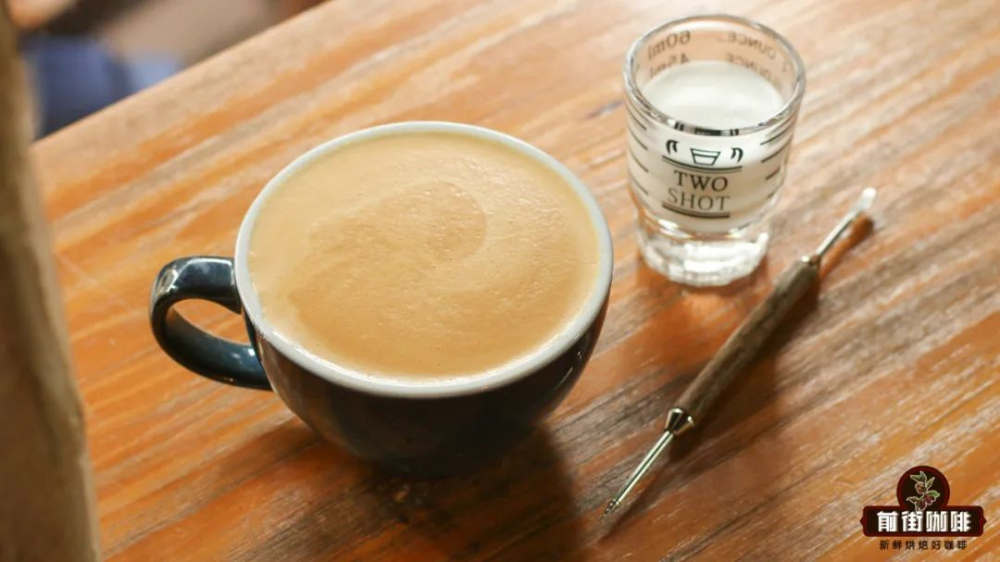
Two ways to avoid it. First, keep some extra milk on standby — most baristas do this when etching — though that only covers the white paint. Crema still has to come from the surface; you can't just extract another shot. So when you need crema, dip from the edge of the surface to keep the damage to a minimum.
2. How Deep to Dip the "Paint"
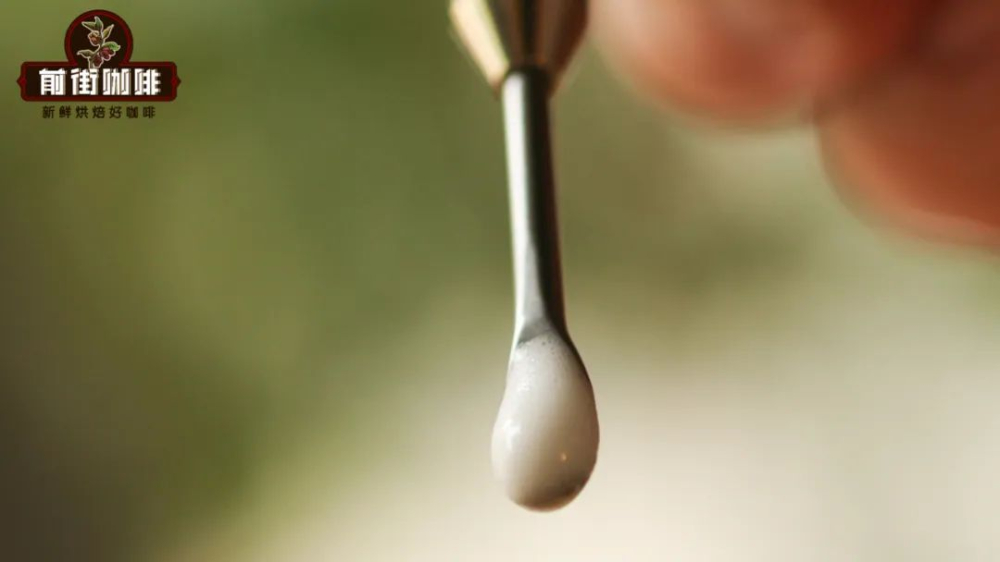
A common frustration: you've dipped milk or crema, but nothing comes out when you draw — or the lines appear, then quickly blur and spread. The reason is that when dipping, you're only picking up the layer of bubbles on top, and that foam is too light in mass to leave a mark. Dip deeper: take not just the foam and crema but also some of the liquid beneath them, and your lines will hold their shape.
3. Controlling Line Thickness
When you first start drawing, the lines never come out consistent — sometimes too thick, sometimes too thin. Two causes: dipping too much or too little paint, and sinking the needle too deep or too shallow while drawing. Look closely at the tip of your needle: most have four grooves. Those grooves don't just hold milk foam — they're your gauge for line width. The very tip is finest, the base is thickest. For hair-thin lines, draw with the tip; for larger areas like eyes or outlines, use the section from the second groove back (bury the tip deeper).
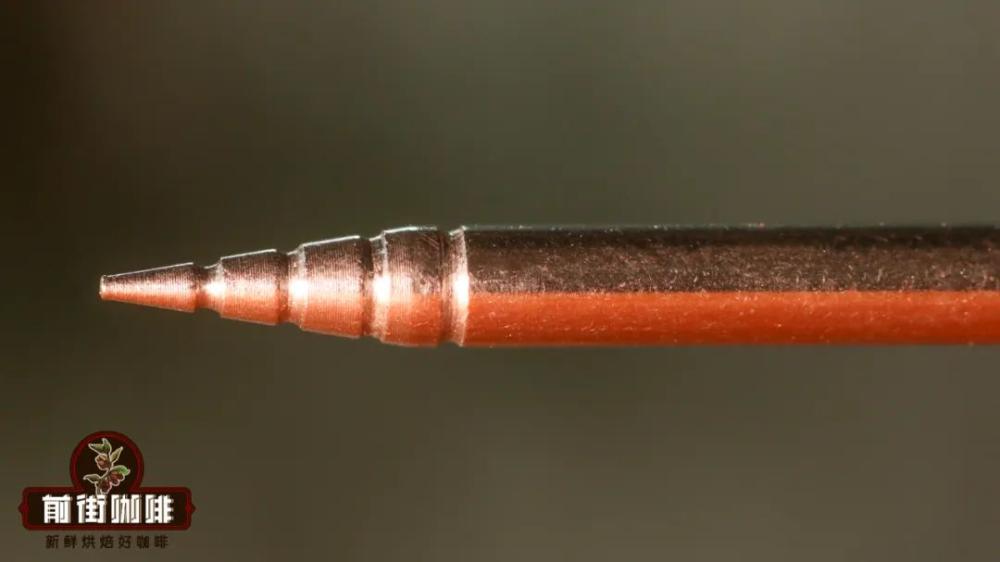
4. Speed Up the Drawing Process
Etching takes several times longer than a pour from the pitcher, and all that time the coffee is cooling and the foam is dissipating — hurting both taste and appearance. So keep the drawing time short. Practice the design on paper with a pen before you make the coffee, and only then execute it on the cup. That way you get both a beautiful picture and a delicious drink. (And let's hope nobody noticed FrontStreet Coffee's cover photo is photoshopped.)

- END -
FrontStreet Coffee
FrontStreet Coffee Recommendation
Great latte art starts before the pitcher ever moves: you need a stable espresso with fine, abundant crema. Three FrontStreet blends that give beginners exactly that.
FrontStreet Classic Blend (top pick) — The go-to for learning latte art at home. This medium-dark, three-origin espresso formula draws its inspiration from the old-school "Mamba" (Mandheling + Brazil), with a touch of Robusta added for aroma and crema. It extracts with remarkable stability, releasing clear notes of butter, toasted bread, and caramel cookies — an essential starter bean for home practice.
FrontStreet Premium Blend — Also medium-dark, for those who love rich, nutty flavors: a classic pairing of washed Colombian and pulped-natural Brazilian beans. Espresso shows nuts, dark chocolate, and caramel; in lattes and flat whites it brings out smooth cream, almond, and cocoa aromas, with crema every bit as good as café output — more than enough for serious latte-art practice.
FrontStreet Commercial Blend — Where the Premium and Classic blends are tailored for beginners, this one is cut for aspiring café owners: a traditional espresso formula built on FrontStreet Coffee's Premium Blend with a little Robusta added, producing deeper-brown, finer crema and a heavier body. Nuts, cocoa, and caramel come through in Americanos, lattes, and mochas alike — and the latte art practically pours itself.
Important Notice :
FrontStreet Coffee is a long-established specialty coffee roaster in Guangzhou China, selling freshly roasted beans from its own farm in Yunnan as well as dozens of carefully selected single-origin beans from around the world for both pour-over and espresso. The products deliver consistently excellent quality and great value, with shipping within 24 hours. Guangzhou's FrontStreet Coffee shop is recommended by many coffee lovers, and the beans are now available online at the Tmall 。
FrontStreet Coffee has moved to a new address:
FrontStreet Coffee Address: 315,Donghua East Road,GuangZhou
Tel:020 38364473
 Scan and follow the En Gafei WeChat official account. Please indicate that the reprint comes from "En Gafei".