Papua New Guinea | Coffee Growing Regions and Bird of Paradise Coffee Beans Introduction
Papua New Guinea
Papua New Guinea, officially the Independent State of Papua New Guinea, is an island nation in the southwestern Pacific Ocean. It shares a land border with Indonesia to the west and sits across the Torres Strait from Australia to the south. As part of the Melanesian archipelago, the country is made up of more than 600 islands.
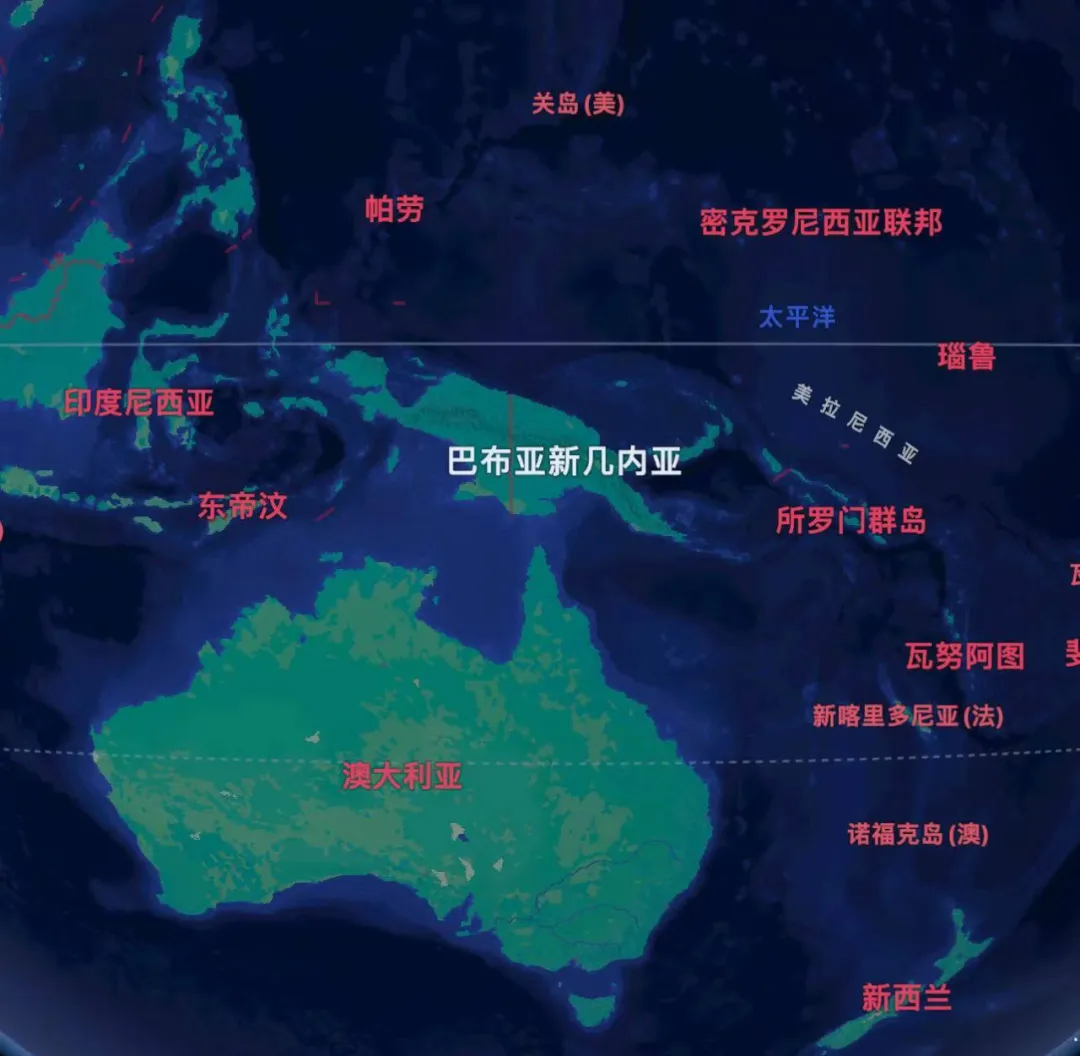
The national flag is rectangular and divided diagonally from the upper left corner into two equal triangles. The upper right triangle is red and bears a yellow bird of paradise in flight - red stands for bravery, while the bird of paradise, the country's unique national bird, represents independence, freedom, and happiness. The lower left triangle is black and carries five white five-pointed stars of varying sizes, arranged as the Southern Cross constellation to mark the nation's position in the Southern Hemisphere. The black also references the country's territory within the "Black Islands."
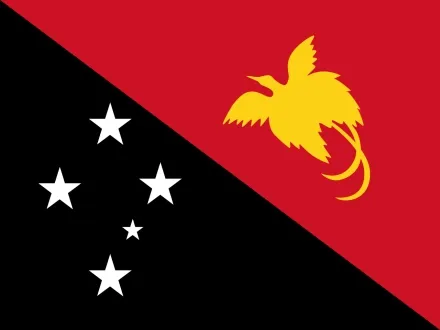
Covering 462,800 square kilometers, Papua New Guinea spans more than 600 islands, many of them mountainous and dotted with volcanoes. The south of the country consists of plains and lowlands, while the center is dominated by the Central Mountain Range, with parallel ridges forming the northern mountains.
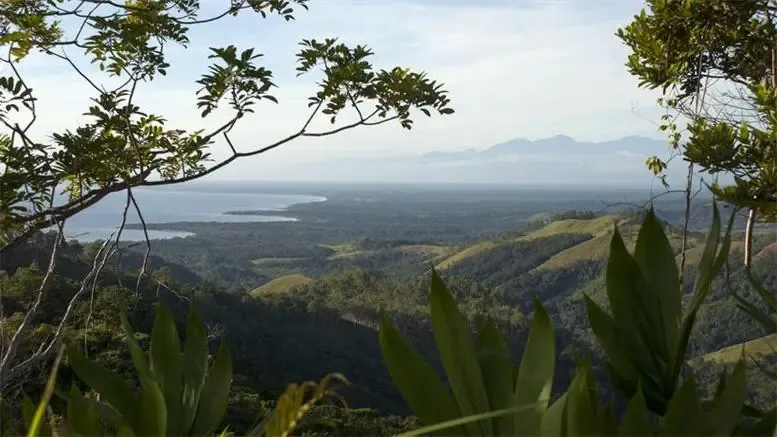
Aside from the mountain climate found above 1,000 meters, most of the country experiences a tropical rainforest climate. The dry season runs from May to October and the rainy season from November to April. Coastal areas average 21-32°C, with mountain regions roughly 5-6°C cooler, and the country receives an average annual rainfall of 2,500 millimeters. Sitting near the equator with a favorable climate, abundant rain, and volcanic soil, Papua New Guinea is a natural paradise for coffee cultivation.
Coffee Growing Regions
Coffee cultivation in Papua New Guinea is concentrated in four main regions: the Western Highlands, the Eastern Highlands, Chimbu, and Jiwaka. The Eastern and Western Highlands are the major producers of Typica, with small amounts of Catimor and Bourbon also grown.

Western Highlands Province
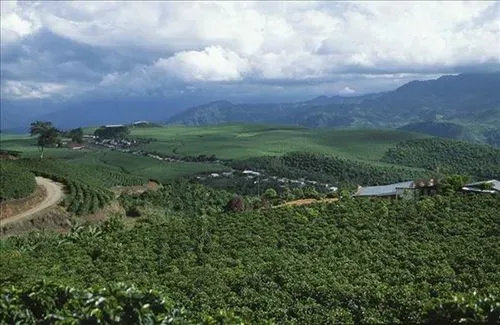
This densely populated region treats coffee as its economic backbone and is the country's largest coffee-producing area. Located inland, its coffee grows at altitudes between 1,000-1,800 meters. The renowned Sigri Estate comes from the Wahgi Valley near Mount Hagen.
Eastern Highlands Province
The Eastern Highlands is Papua New Guinea's second-largest coffee-producing region, located in the central part of the country and crossed by the Bismarck Range. Coffee is cultivated at altitudes ranging from 400 to 1,900 meters. In the northern valleys, many smallholder farmers deliver their harvested cherries to processing plants during the harvest season.
Chimbu
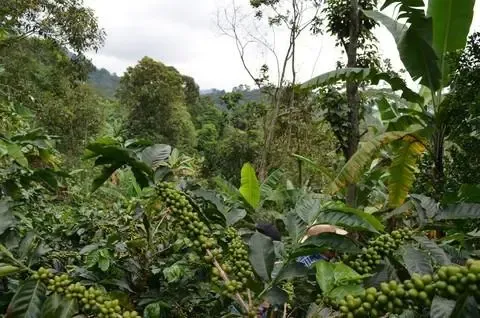
Chimbu is a mountainous inland province where coffee accounts for only 7.47% of the nation's total output. Its coffee is known for flavors of dark chocolate, red apple, and stone fruit.
Jiwaka
Situated in the central highlands, Jiwaka is crossed by the Wahgi River, which runs through its main valley flanked by steep volcanic ranges and ridges. It is the country's third-largest coffee-growing area, contributing 12% of the national harvest, with coffee grown at altitudes between 1,400-2,000 meters.
Typica
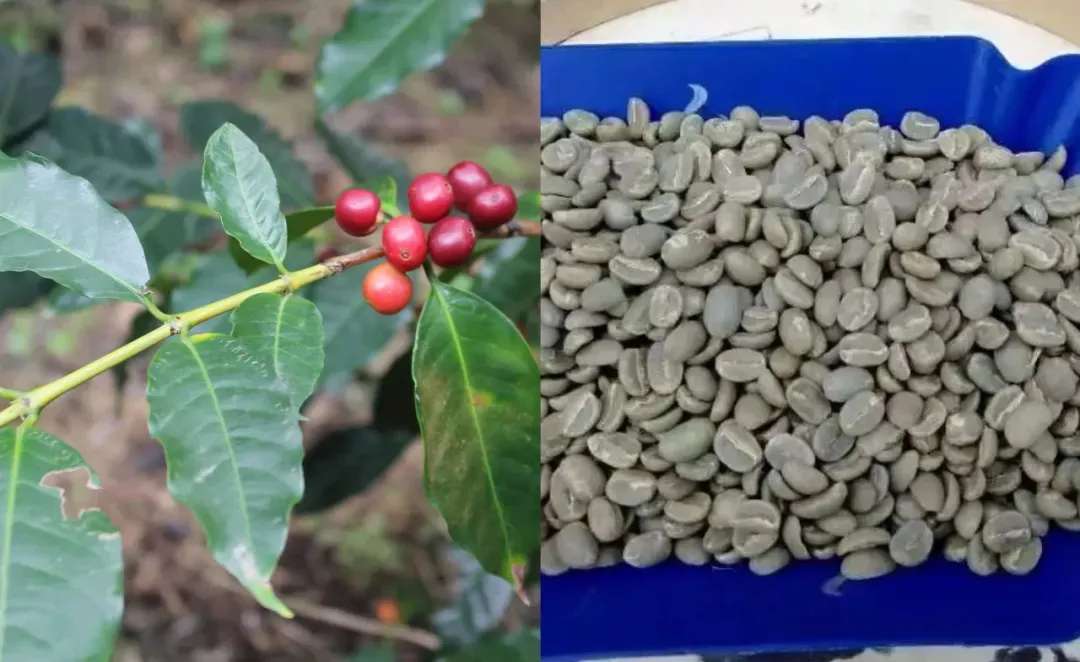
Typica, together with Bourbon, belongs to the oldest coffee varieties still in cultivation, both tracing back to southwestern Ethiopia. Typica plants have ridged leaves with pointed tips, green and bronze-colored foliage, long internodal spacing, predominantly red cherries, and elongated beans, and the trees themselves grow tall. Typica performs best at high altitudes, where quality is superior even though yields are lower. The variety is highly susceptible to leaf rust, nematodes, and coffee berry disease. Today it is grown in countries such as Peru, Papua New Guinea, and Jamaica. Because Papua New Guinea shares a similar island climate, high altitude, and volcanic soil with Jamaica, its coffee is often called "Little Blue Mountain."
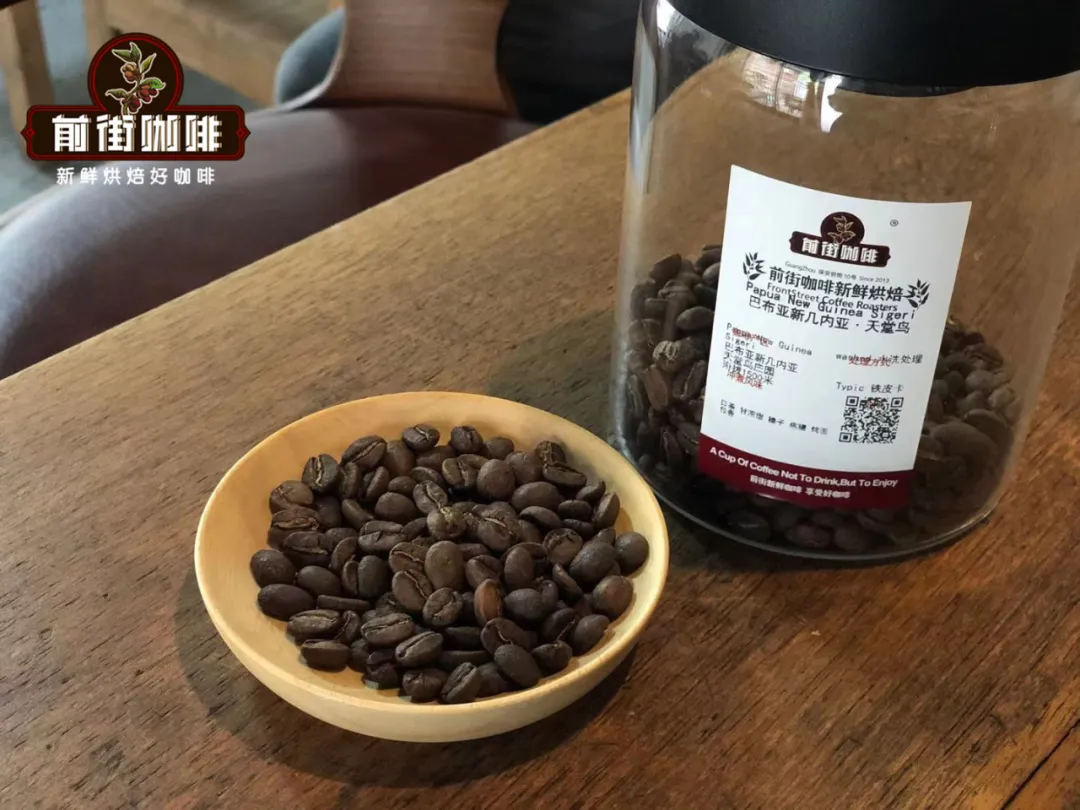
FrontStreet Coffee Papua New Guinea Sigri Estate Paradise Bird Coffee
Region: Western Highlands
Estate: Sigri Estate
Altitude: 1,500m+
Variety: Typica
Processing: Washed
Flavor Profile: Caramel, cocoa, almond, balanced, citrus acidity at lower temperatures
FrontStreet Coffee's Paradise Bird beans are washed-processed and roasted to a medium-dark level. Brewed with a KONO dripper at a 1:15 ratio and 89°C, the cup offers caramel, cocoa, and almond flavors with a rich, smooth body. As it cools, a citrus-like acidity emerges, giving an overall gentle and balanced profile.
FrontStreet Coffee Recommendation
Indonesia, another island nation famous for its coffee, produces beans with a very different character from Papua New Guinea. If you enjoy a smooth, low-acid, full-bodied cup, the FrontStreet wet-hulled Mandheling is a great pick. Sourced from the Lake Toba area of the Lintong region in Sumatra, it is hulled from semi-dry parchment - the hallmark of the wet-hulled method - which gives it its signature herbal and spice notes. Roasted medium-dark, it shows rich caramel, dark chocolate, and toasted bread aromas with a long, sweet finish.
For something a grade above, try the FrontStreet PWN Golden Mandheling. PWN is a trading company known for buying top-quality Mandheling lots, and its "Golden Mandheling" undergoes strict defect screening based on density, screen size, shape, and color, combining machine sorting with hand sorting to produce large, uniform, clean beans with less earthy and grassy character. Freshly roasted, it delivers sandalwood, herbal, spice, roasted hazelnut, caramel, and dark chocolate flavors - clean, mellow, and layered, ideal for daily drinking or as a gift.
Important Notice :
FrontStreet Coffee is a long-established specialty coffee roaster in Guangzhou China, selling freshly roasted beans from its own farm in Yunnan as well as dozens of carefully selected single-origin beans from around the world for both pour-over and espresso. The products deliver consistently excellent quality and great value, with shipping within 24 hours. Guangzhou's FrontStreet Coffee shop is recommended by many coffee lovers, and the beans are now available online at the Tmall 。
FrontStreet Coffee has moved to a new address:
FrontStreet Coffee Address: 315,Donghua East Road,GuangZhou
Tel:020 38364473
 Scan and follow the En Gafei WeChat official account. Please indicate that the reprint comes from "En Gafei".

What Details Should You Pay Attention to When Making Cold Brew? What's the Right Coffee Grind Size for Cold Brew? How Long Should You Steep It?