What Details Should You Pay Attention to When Making Cold Brew? What's the Right Coffee Grind Size for Cold Brew? How Long Should You Steep It?
Mastering Cold Brew: The Details That Make or Break a Home Batch
Summer means peak iced coffee season at FrontStreet Coffee, and if you'd rather stay home but still need something to shake off that drowsy afternoon slump, a bottle of homemade cold brew is the perfect fix.
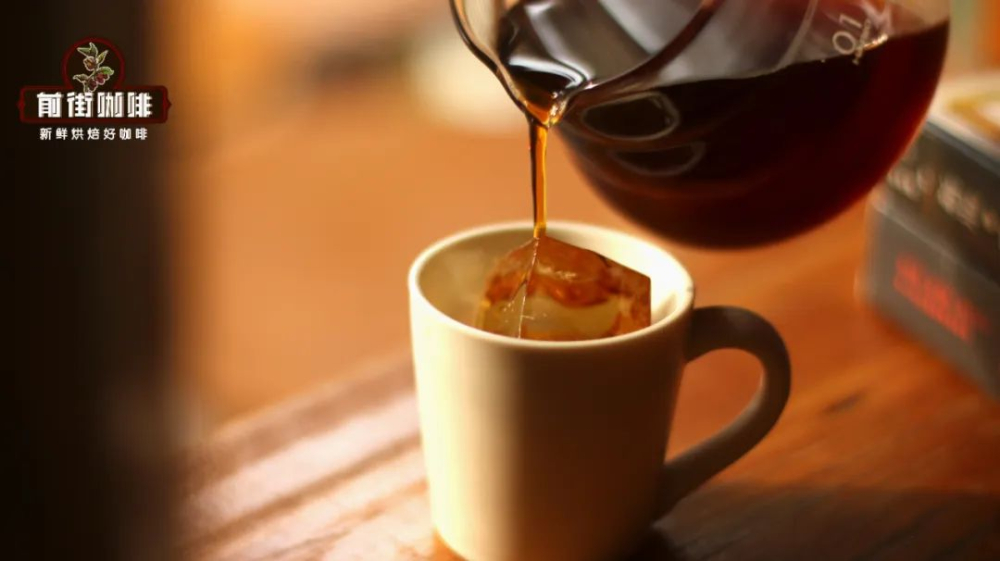
Unlike conventional hot-water brewing, cold brew simply mixes coffee grounds with cold (room-temperature) water, steeps them for hours in a cool environment, and then filters out the grounds to yield an iced coffee concentrate. All you need is a bag of coffee, a clean sealed container, water, and a refrigerator for total cold brew freedom at home.
Cold brew is also remarkably forgiving. Compared with extraction methods built on strict parameters, nearly everything here is adjustable — bean choice, container, ratio, steep time. As long as you avoid truly extreme combinations, you can make delicious iced coffee.
And yet some enthusiasts still hit a wall: same beans, same numbers, a cold brew "copied" straight from the shop — and somehow it just isn't as rich and sweet. Why? FrontStreet Coffee has summarized the key details below; run your process against them and see where the gap lies.

1. Steep for at Least 8 Hours, but No More Than 18
In pour-over brewing we obsess over water temperature and time, since water is the main extraction medium: temperature governs extraction efficiency, and too much time over-extracts while too little under-extracts. Cold brew only ever touches cold water (4–10°C), so extraction is glacially slow. Extending the steep gives aromatic compounds more time to release and lets sugars and organic acids dissolve more fully, producing a coffee with better balance between acidity, sweetness, and body. In general, aim for a steep of 8–18 hours.
FrontStreet Coffee once ran a time-variable experiment, steeping equal amounts of our Panama "Butterfly" coffee for 4, 10, 16, and 24 hours. The 4-hour batch was nearly aroma-free and watery; the 24-hour batch showed slight bitterness and signs of over-extraction. The 10- and 16-hour batches performed best — the former fresher and lighter, the latter more concentrated.

If you're afraid of losing track of time, borrow FrontStreet Coffee's "lazy person" method: start the steep between 7 and 9 in the evening and filter it between 7 and 9 the next morning. That keeps you comfortably within a 10–14 hour window.
2. Too-Fresh Beans Can Hurt Extraction Too
With hot brewing methods, freshly roasted beans are usually the default choice — everyone agrees that past-their-prime beans lose aroma. Degassing is also how we visually judge freshness, whether it's the crema on an espresso or the bloom in a pour-over; both signal that the coffee is at its aromatic peak.

Beans straight out of the roaster are loaded with carbon dioxide that must escape before their inner aromatics can be extracted. Cold brew is an inherently static extraction, and cold water further suppresses gas release — so freshly roasted beans all too easily produce an under-extracted batch. If you can wait, FrontStreet Coffee recommends steeping coffee roasted at least 10 days ago; it makes for a far more aromatic cold brew.
3. Stir Thoroughly, Before and After
Many beginners rush: add water, seal the container, straight into the fridge. The grounds may look wet, but some pockets never touch water at all — and dry coffee obviously never extracts. Then, after a night of settling, most of the particles sit at the bottom of the container. Pour and filter straight away and you'll mostly capture the pale liquid from the top, which won't taste like much. Stirring, in other words, is non-negotiable.
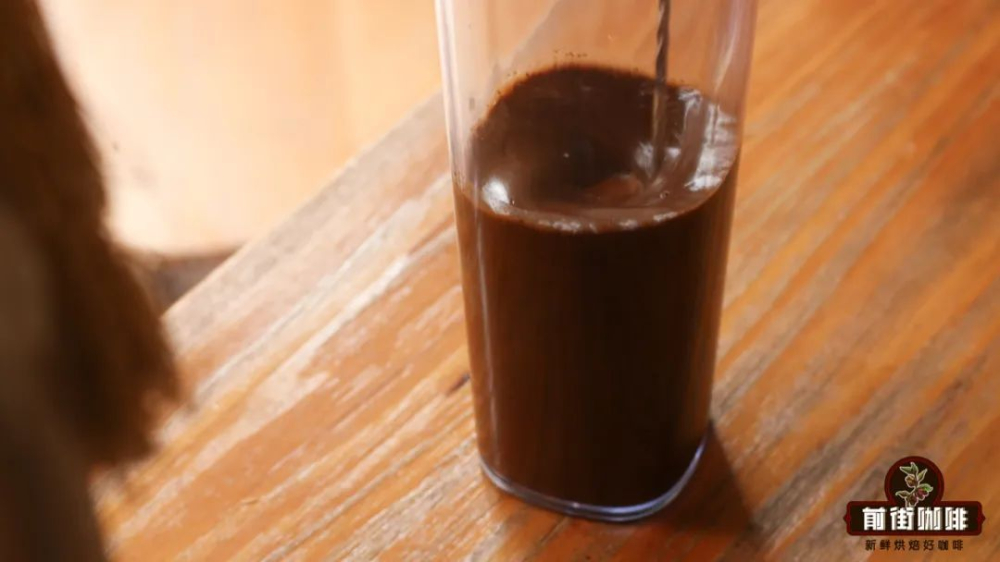
In FrontStreet Coffee's experience, with a larger container use a stirring rod or long spoon to mix grounds and water thoroughly before refrigerating, and stir a few more times before filtering. With a sealed water bottle, just give it a gentle shake after closing the lid.
4. Filter the Grounds Fully for a Cleaner Texture
You have plenty of filtering options: the built-in mesh of a cold brew pot, metal filters, filter paper, flannel cloth. Different pore structures catch different particle sizes. Take FrontStreet Coffee's own cold brew pot — its screen is a relatively fine 245 mesh, yet some fines and ultra-fines still get through. Left unfiltered, they leave a layer of flocculent oil on the surface. The flavor barely changes, but you'll feel a gritty residue on your tongue as you swallow, and fine sediment collects at the bottom of the cup.
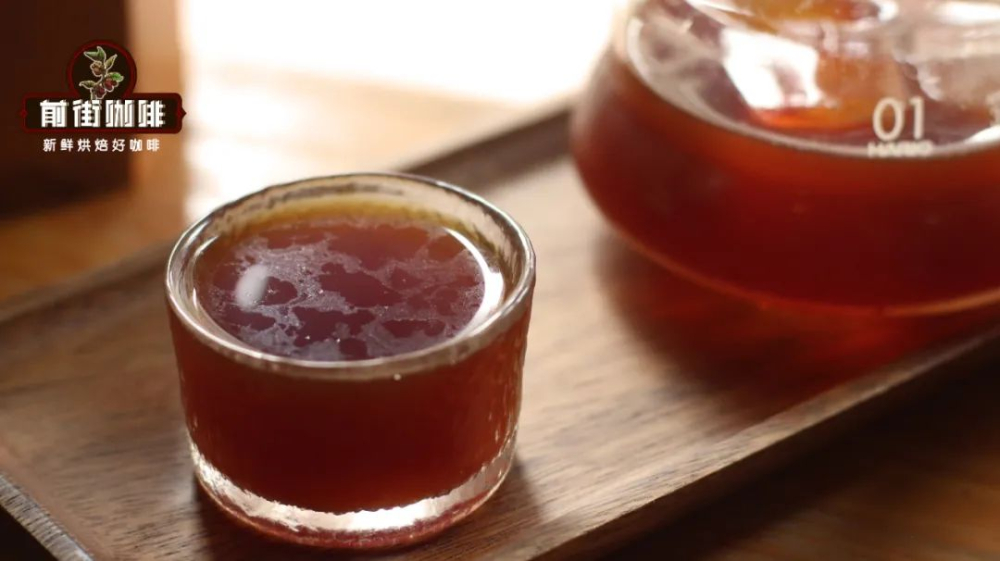
For a better drinking experience, FrontStreet Coffee passes the brew through a denser filter paper a second time — this removes the ultra-fines and blocks over 80% of the condensed oils. After filtering, we let the concentrate rest in a sealed container in the refrigerator for another 3–4 hours so the flavor compounds settle and mature. The finished cold brew tastes fuller, with a cleaner texture and more transparent acidity.
FrontStreet Coffee Recommendation
Cold brew amplifies floral and fruity tones while muting woody and roast notes, so light-to-medium roasts shine. FrontStreet Coffee's Strawberry Candy Geisha Blend is purpose-built for it: Panamanian Geisha contributes delicate rose and orange, while the honey-processed Costa Rican component brings grape, dried blueberry, and strawberry-candy sweetness — and with a little fermentation and settling, it can even take on a wine-like character.
Prefer a juicy, fruit-bomb cup? FrontStreet Coffee's Kenya Cherry Tomato, grown at 1550–1750 meters in Thika on SL28 and SL34 and washed with the local 72-hour double-fermentation (K72) process, delivers cherry tomato, snow pear, black plum, and dried dark plum under a bright, low-bitterness profile that's wonderfully refreshing over ice. For an everyday option, the Washed Yirgacheffe Guodingding Cooperative sweetly shows berry, honey, and lovely layered depth in cold brew — budget-friendly and endlessly versatile.
Important Notice :
FrontStreet Coffee is a long-established specialty coffee roaster in Guangzhou China, selling freshly roasted beans from its own farm in Yunnan as well as dozens of carefully selected single-origin beans from around the world for both pour-over and espresso. The products deliver consistently excellent quality and great value, with shipping within 24 hours. Guangzhou's FrontStreet Coffee shop is recommended by many coffee lovers, and the beans are now available online at the Tmall 。
FrontStreet Coffee has moved to a new address:
FrontStreet Coffee Address: 315,Donghua East Road,GuangZhou
Tel:020 38364473
 Scan and follow the En Gafei WeChat official account. Please indicate that the reprint comes from "En Gafei".