
How to Create a "Hamburger" Bloom During Pour-Over? What's the Difference Between Light and Dark Roast Brewing? What Determines Coffee Bean Oils?
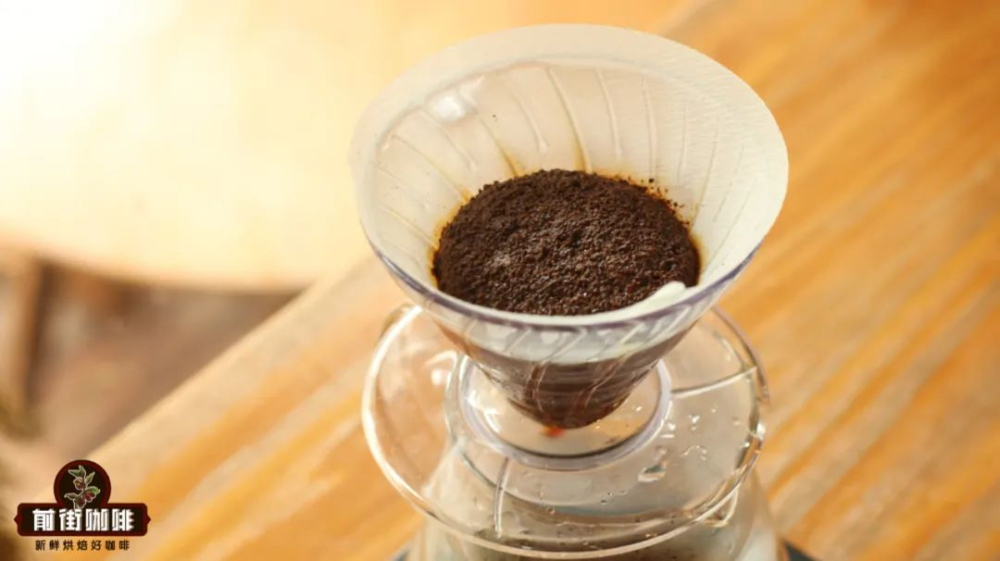
When we brew pour-over coffee, besides the deep powder pit left after brewing, the rapidly swelling "hamburger" during the bloom is one of the most satisfying sights of the whole process.
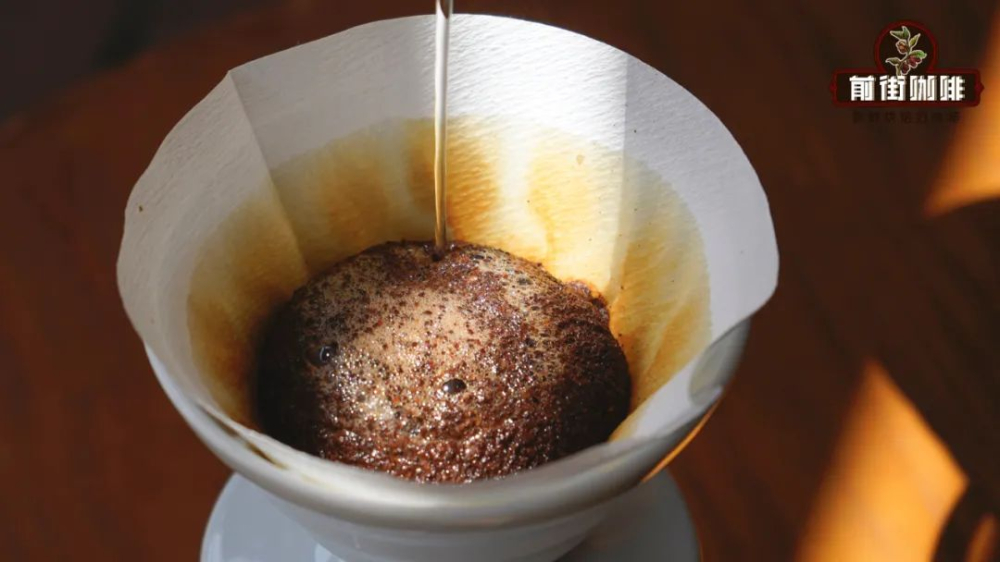
But often the bloom just doesn't form a "hamburger." Maybe the bulge is barely there, maybe the bed is completely flat, and sometimes it even sinks! These non-bulging coffee beds get affectionately mocked as "steamed buns."
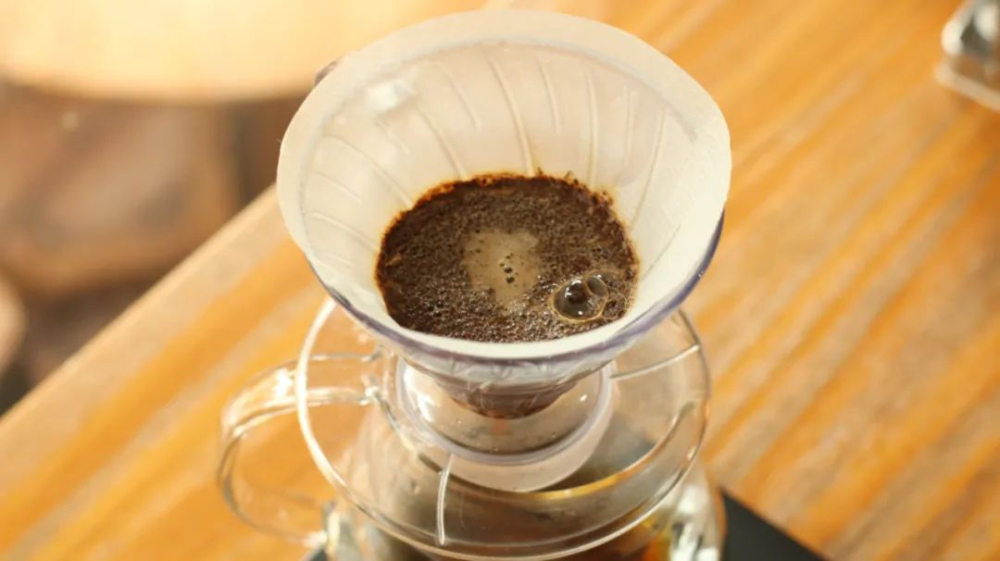
So what keeps the bloom from rising? First, a quick look at what blooming is for.
The Purpose of Blooming
Blooming exists mainly to release the carbon dioxide stored inside coffee, clearing away extraction barriers so the hot water that follows can extract the aromatic compounds more effectively. When hot water hits the grounds, the trapped CO2 is "stimulated" out — but the bean's oils trap it, and wrapped in those oils the gas forms countless bubbles. It's those bubbles holding the grounds aloft that create the bulge — the "hamburger."
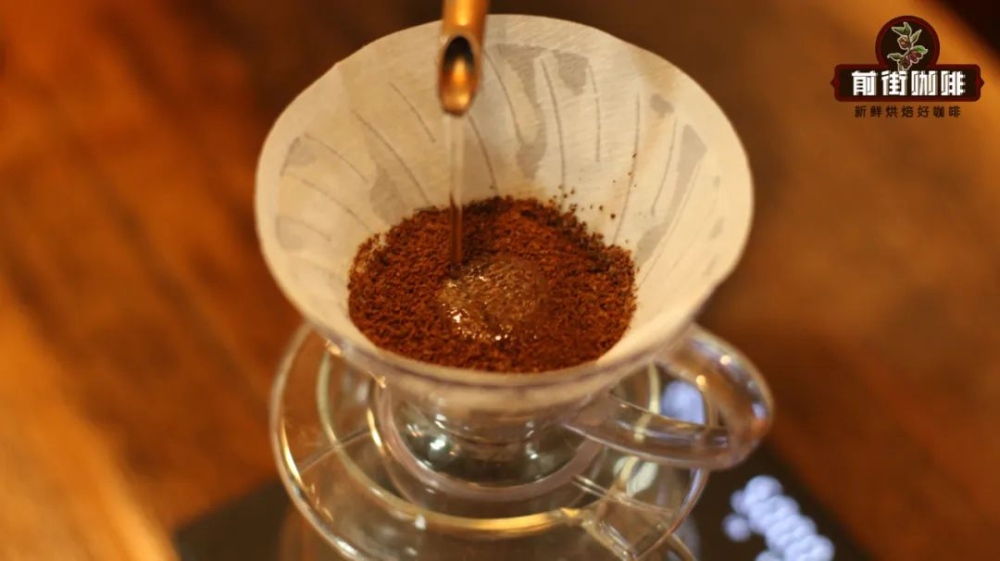
So the key factor is carbon dioxide: the more CO2 in the beans, the bigger the burger; the less, the flatter the bun. Which leads to the question — what situations reduce carbon dioxide and stop the bloom from swelling?
What Causes the Coffee Bed to Not Bulge into a "Hamburger"?
1. Coffee Beans Are Not Fresh
Even before grinding, the carbon dioxide inside whole beans is steadily escaping. The longer beans sit, the less CO2 they hold.
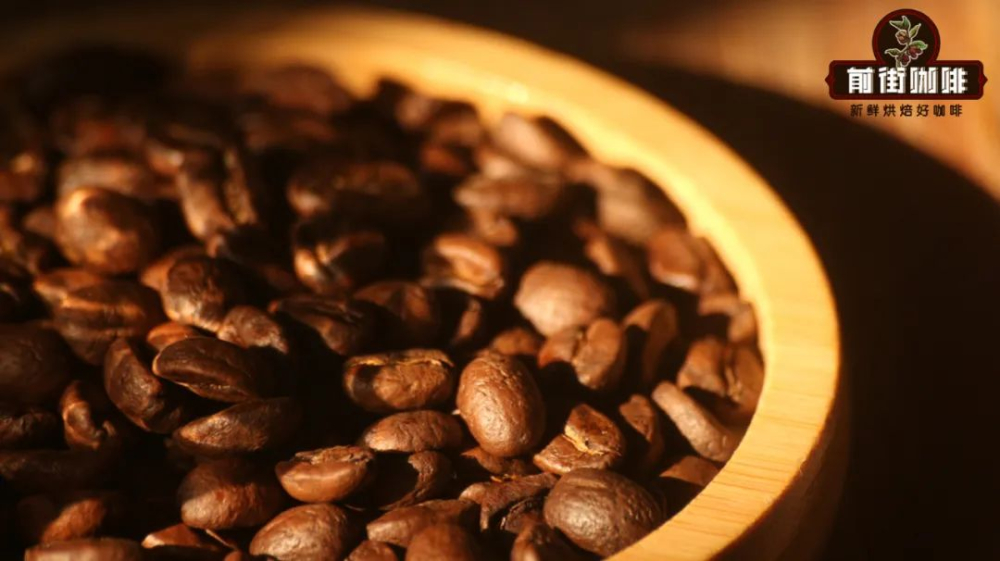
Once enough has escaped, the remaining gas can't prop up a plump "hamburger" — you get a flat plain, or even a sunken bed. Worse, without the CO2 barrier, flavor compounds in the coffee also escape faster. This is exactly why we insist on fresh beans: not only does the bloom look better, the coffee tastes fuller.
2. Extraction Efficiency Is Too Low
FrontStreet Coffee often talks about extraction efficiency — how easily water can pull substances out of coffee, carbon dioxide included. In pour-over brewing, the two parameters that govern it are water temperature and grind size. If your water is too cool, it can't quickly draw out the coffee's compounds, the bulge stays small, and the cup easily drifts under-extracted — worth watching for.
Grinding works the same way. Grind too coarse, and the total surface area shrinks dramatically — hot water needs longer to penetrate each particle and extract its contents, so the bloom rises less dramatically. And because the gaps between particles widen, water rushes through faster, again risking under-extraction.
3. Roast Level
Of course, not every coffee is meant to build a big burger. CO2 content is set by roast level: the darker the roast, the looser the bean's structure and the more carbon dioxide (and oils) it holds; the lighter the roast, the less CO2 — and the less oil on the bean surface.
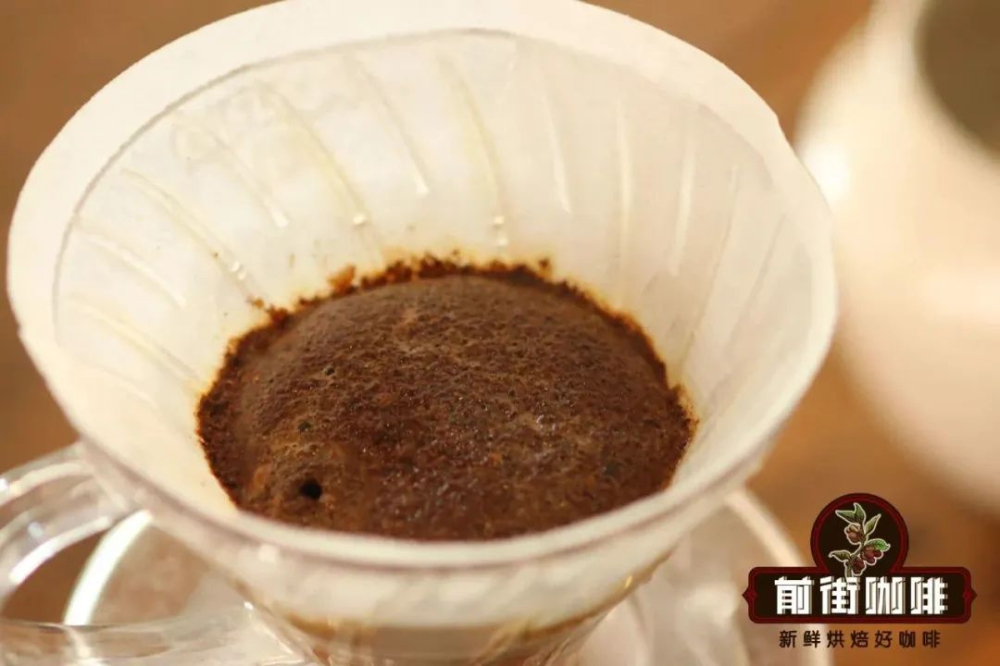
So even with very fresh beans and perfectly sufficient extraction efficiency, a very light roast will simply never bulge much. After all this, one reminder from FrontStreet Coffee: the bloom is only a gauge for judging freshness and roast level. Bigger and fuller is not inherently better — how the coffee tastes is what matters most.

FrontStreet Coffee Recommendation
If you love the pour-over ritual, here are FrontStreet Coffee picks suited to the V60's fast, expressive extraction:
FrontStreet Yirgacheffe Idido: A classic washed Yirgacheffe with vivid citrus, berries, and florals plus a green-tea-like finish — gentle, bright acidity rather than sharpness, and an ideal first pour-over.
FrontStreet Panama Geisha: The legend of the specialty world: elegant jasmine florals with citrus, bergamot, and black-tea-like refinement — clean, transparent, and layered with a long sweet finish. Pricier than most, but still one of the ultimate experiences serious coffee lovers chase.
FrontStreet PWN Golden Mandheling: For those who prefer the richer, classic side of coffee: deeply aromatic, herbal and dark-chocolate-forward with a subtle earthiness, full-bodied and long — proof that the traditional medium-dark roast style still has plenty to offer.
Important Notice :
FrontStreet Coffee is a long-established specialty coffee roaster in Guangzhou China, selling freshly roasted beans from its own farm in Yunnan as well as dozens of carefully selected single-origin beans from around the world for both pour-over and espresso. The products deliver consistently excellent quality and great value, with shipping within 24 hours. Guangzhou's FrontStreet Coffee shop is recommended by many coffee lovers, and the beans are now available online at the Tmall 。
FrontStreet Coffee has moved to a new address:
FrontStreet Coffee Address: 315,Donghua East Road,GuangZhou
Tel:020 38364473
 Scan and follow the En Gafei WeChat official account. Please indicate that the reprint comes from "En Gafei".

