Bourbon Coffee Varieties: An Introduction to Caturra, Villalobos, Pacas, and Bourbon Mayagüez
Bourbon Coffee Varieties: An Introduction to Caturra, Villa Sarchi, Pacas, and Bourbon Mayagüez
Bourbon
Bourbon is one of the most important Arabica varieties in coffee culture and genetics. It is prized for thriving at high altitudes and for its exceptional cup quality. Its weaknesses are equally well known: yields are relatively low, and it is highly susceptible to the major coffee plant diseases. For that reason Bourbon is steadily being replaced across Latin America by its own descendants — Caturra, Catuai, and Mundo Novo among them. Even so, it is still grown in countries such as Brazil, Guatemala, and El Salvador, and the market now offers a wide range of Bourbon-derived varieties.
Caturra
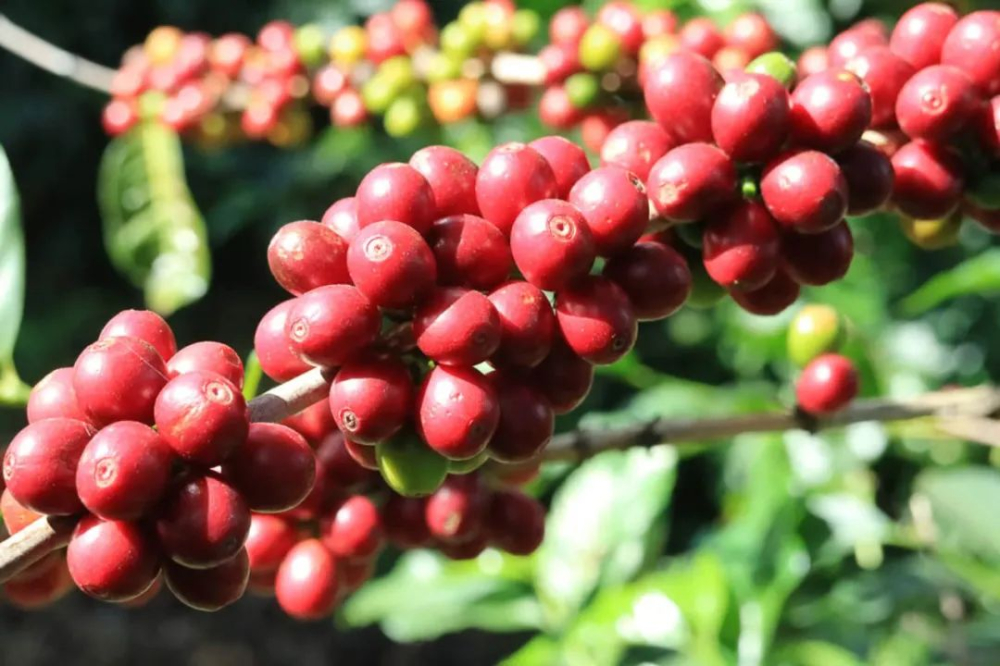
Caturra is a natural mutation of Bourbon. Because the mutation affects a single gene, the plant stays compact and can be planted more densely — roughly 5,000 to 6,000 plants per hectare — while retaining Bourbon's excellent cup quality. Caturra is grown in many countries today, including Guatemala, Costa Rica, Honduras, and Panama. It is also one of the parent varieties of Catimor, a hybrid created by crossing Caturra with the leaf-rust-resistant Timor variety.
FrontStreet Coffee carries a number of Caturra coffees, among them the "Moonlit Night" beans from Sveto Gadín, Colombia, processed as an anaerobic natural. Brewed with a V60 at a 1:15 ratio, it opens with rich strawberry and fermented-wine aromas, then shows honey peach, chocolate, and tropical fruit on the palate, with a smooth texture like drinking fruit wine.
Villa Sarchi
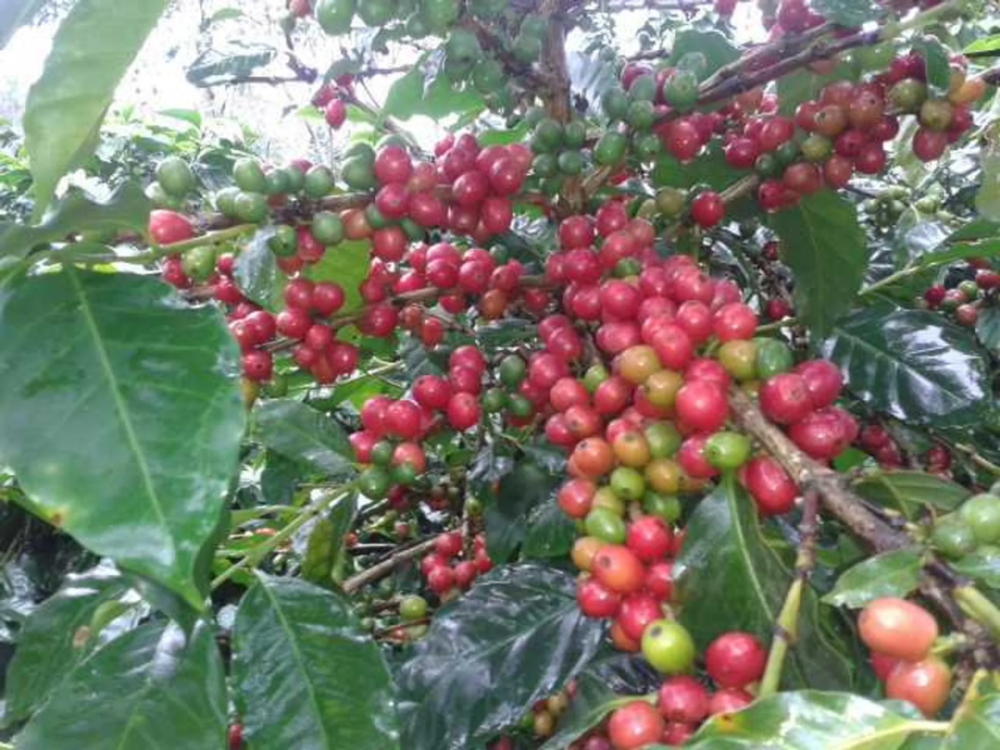
Villa Sarchi was discovered in Costa Rica in the 1950s or 1960s. It is another natural mutation of Bourbon, and like the others a single-gene change keeps the plant small. Beyond allowing dense planting, Villa Sarchi resists wind and rain without dropping its fruit easily, and it adapts well to high-altitude cultivation. Today it is grown mainly in Costa Rica.
Pacas
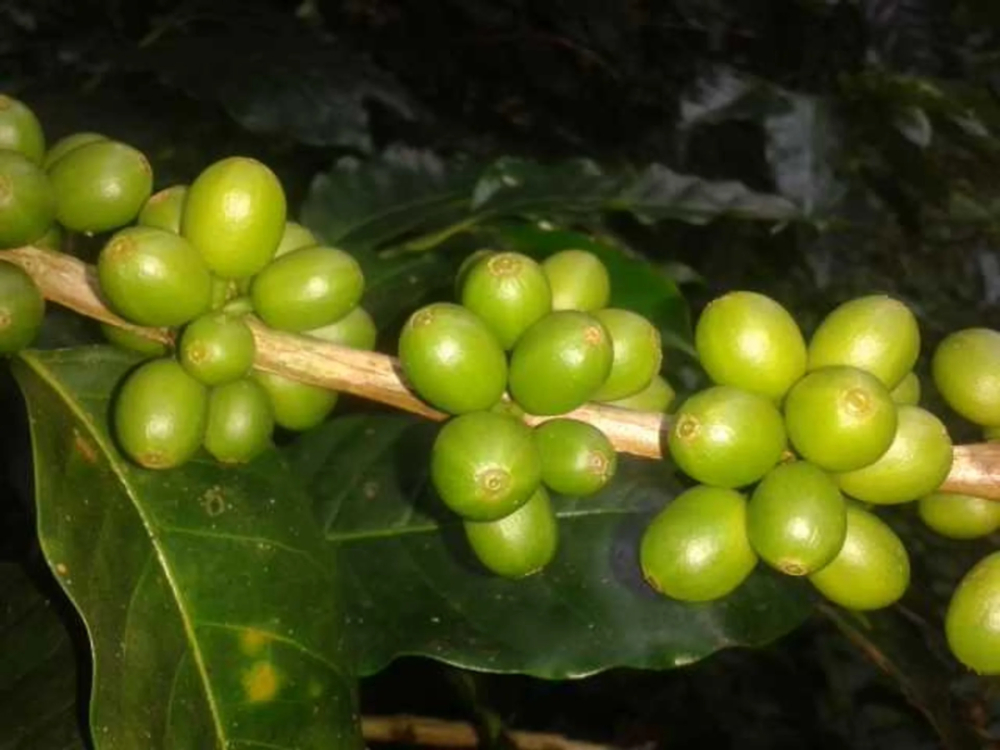
Pacas is a natural mutation of Bourbon. As with the other Bourbon mutations, the single-gene change produces a smaller plant that can be planted more closely, so yields rise. The variety was first identified in 1949 on a farm owned by the Pacas family in the Santa Ana region of El Salvador — hence the name. Today it is grown mainly in El Salvador and Honduras.
FrontStreet Coffee's stores also stock Pacas coffees. One is a sherry-barrel-processed coffee from Honduras whose variety mix includes Caturra, Catuai, and Pacas. Brewed with a V60 at a 1:15 ratio, it smells of vanilla cream and shows whiskey, berries, almonds, and dark chocolate in the mouth, with a maple-like sweet aftertaste.
Bourbon Mayagüez BM71/139
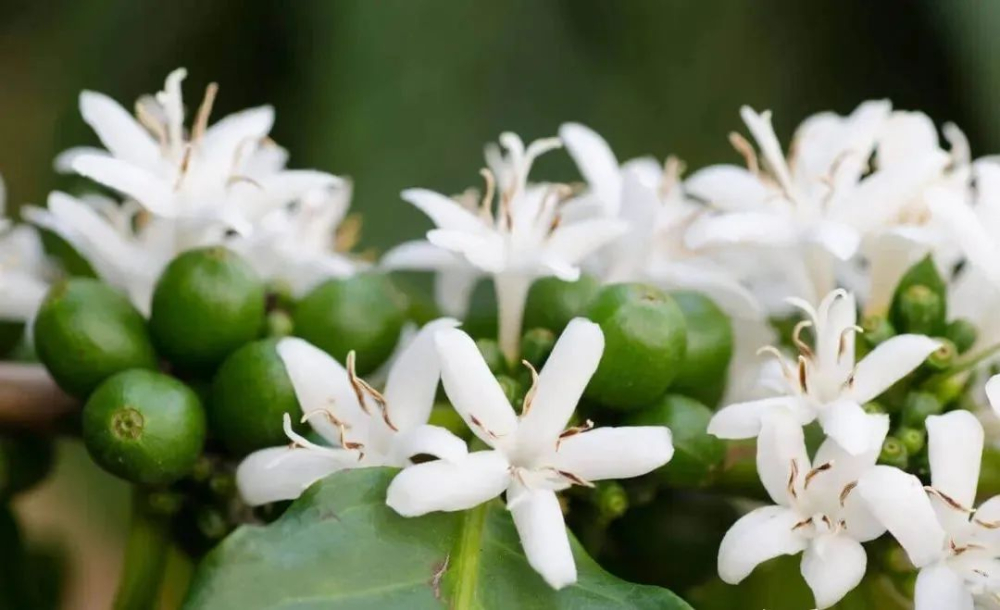
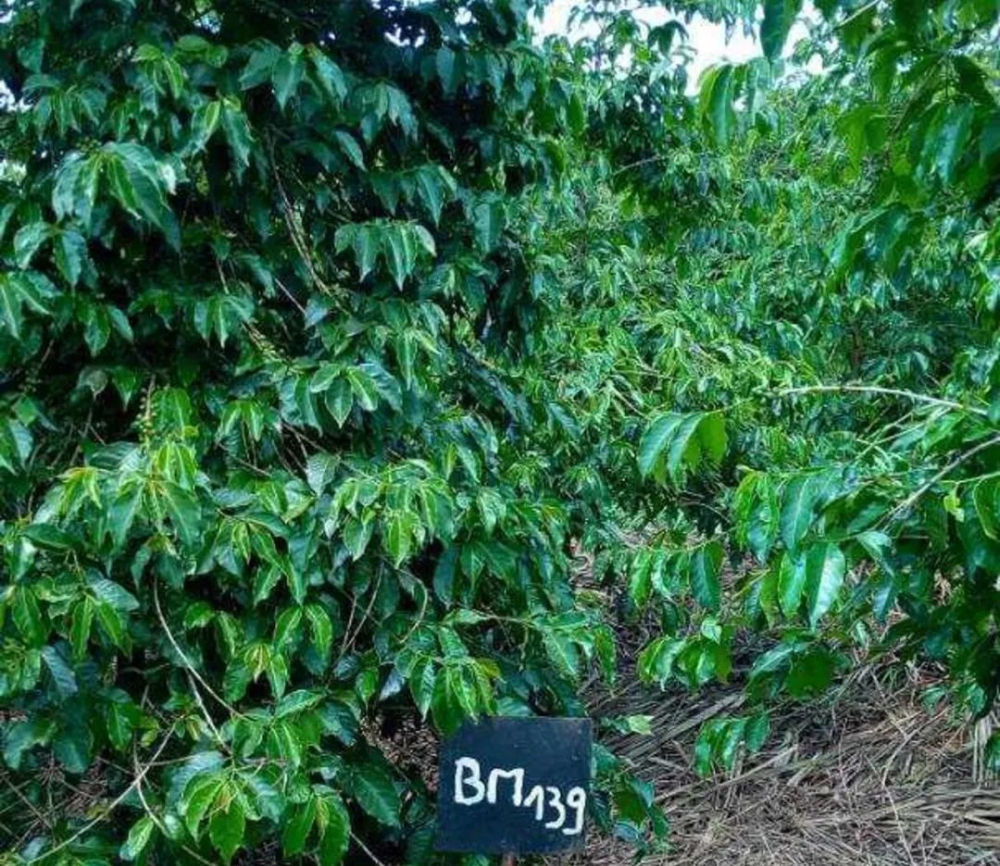
This variety takes its name from Puerto Rico, which introduced Bourbon varieties from Central America through the United States Department of Agriculture's seed-collection program and planted them in the Mayagüez region. The Mayagüez group was later introduced to Rwanda, where breeding and selection work identified several valuable mother plants — Bourbon Mayagüez 71/139 among them. Its yield is lower than Bourbon's and it is susceptible to the major coffee diseases, but it can be grown at lower altitudes, and it is now cultivated mainly in Rwanda and Burundi.
FrontStreet Coffee Recommendation
To taste the Bourbon family at its most classic, start with FrontStreet Brazil Cerrado Red Bourbon. Cerrado is one of Brazil's best-known growing regions, noted for high-quality beans, and this pulped-natural Red Bourbon is a textbook Brazilian single origin. Roasted medium, it gives creamy peanut, toast, caramel, and hazelnut aromas, with a round body, little acidity, and a gentle bitter note. It works in a pour-over, moka pot, siphon, French press, or as an espresso SOE.
For something rarer, FrontStreet Queen Estate comes from Mogiana in Brazil, near South Minas, where fertile red volcanic soil helps the fruit develop full aroma. Its variety is the uncommon Yellow Bourbon, a red Bourbon mutation with a cleaner fruit character. Across pour-over, moka pot, and home espresso machine, it shows a sugarcane sweetness found in few other regions, along with fruit and chocolate notes.
Brazilian Bourbon also anchors many of FrontStreet Coffee's espresso blends. Low acidity, balance, and an approachable price make it a first choice in recipes such as FrontStreet Classic Blend, FrontStreet Premium Blend, and FrontStreet Black Cocoa Blend. Here Brazil contributes chocolate and cream aromas, a soft sweet-sour-bitter balance, and the stability that makes extraction predictable.
Important Notice :
FrontStreet Coffee is a long-established specialty coffee roaster in Guangzhou China, selling freshly roasted beans from its own farm in Yunnan as well as dozens of carefully selected single-origin beans from around the world for both pour-over and espresso. The products deliver consistently excellent quality and great value, with shipping within 24 hours. Guangzhou's FrontStreet Coffee shop is recommended by many coffee lovers, and the beans are now available online at the Tmall 。
FrontStreet Coffee has moved to a new address:
FrontStreet Coffee Address: 315,Donghua East Road,GuangZhou
Tel:020 38364473
 Scan and follow the En Gafei WeChat official account. Please indicate that the reprint comes from "En Gafei".