
Why Does Water Taste Sweet After Drinking Coffee? What's the Connection with Coffee Water, Olfaction, and Retronasal Smell?
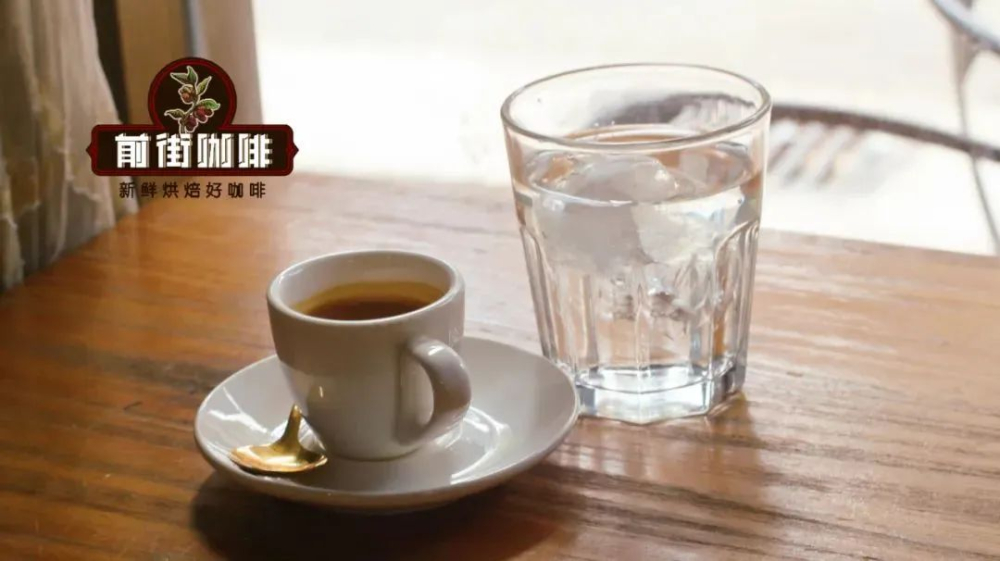
Whenever guests settle in at our café with a cup of coffee, FrontStreet Coffee always brings a glass of plain water first, so they can hydrate while their coffee is prepared. Curiously, a number of customers have finished their coffee and then asked us: "Why does your water taste sweet?"

In fact, FrontStreet Coffee serves nothing but ordinary plain water. So why does water taste sweet after coffee? Today we'd like to unpack the secret behind this phenomenon.
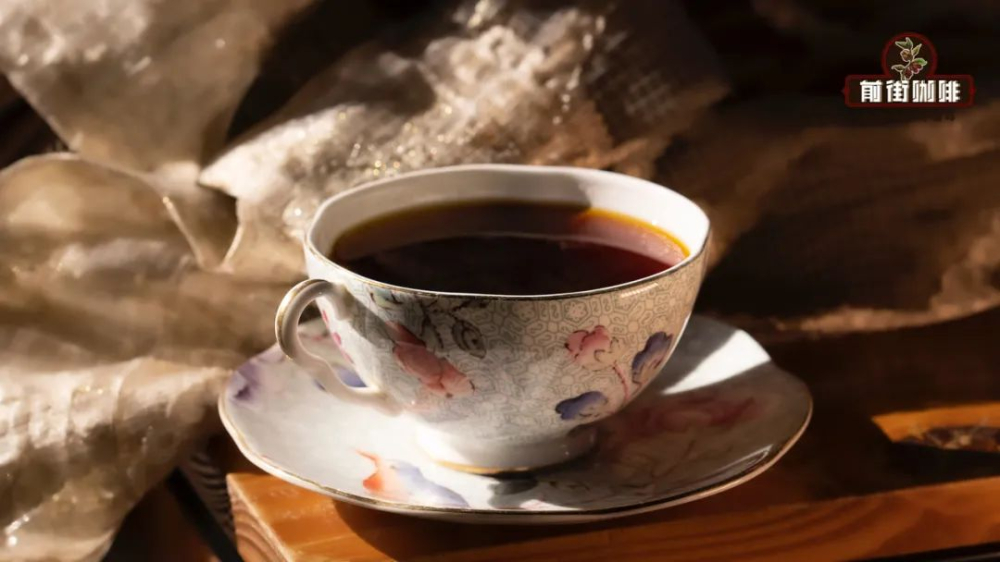
The Science Behind Coffee's Aftertaste
Compared with other drinks, coffee's flavor lingers in the mouth far longer. Take traditional espresso: the first impression is an intense bitterness wrapped in aroma, and only after slowing down do you pick out complex notes of nuts, caramel, and chocolate. As you swallow, the residue left behind produces a faintly sweet sensation. If you don't "rinse" with water, that subtle sweetness can persist for as long as 15 minutes.
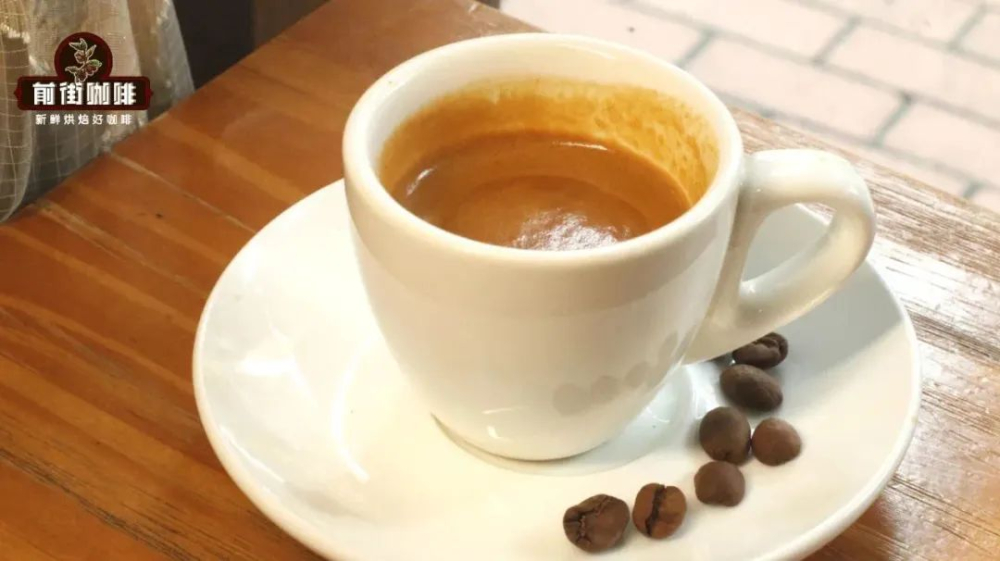
The reason is that the small molecules behind fruity and acidic flavors dissolve with the help of saliva and disappear with each swallow. Other components—lipids, natural fats, and oils, the things we loosely call "crema"—cling to the taste buds instead, leaving a slightly rough, astringent feel on the palate. In a well-made cup, that astringency doesn't read as a flaw; it actually contributes to a pleasant experience.
The Phenomenon of "Hui Gan"
We call this phenomenon "Hui Gan"—a term describing coffee's sweet aftertaste. It isn't sweetness in the way sugar is sweet; it's a sensation that emerges only after bitterness and astringency have receded. So when you drink water right after coffee, the residual oils responsible for those bitter, astringent sensations get washed away. The load on your taste buds drops, and your brain registers the contrast as "sweetness."
Enhanced Sweetness Sensitivity
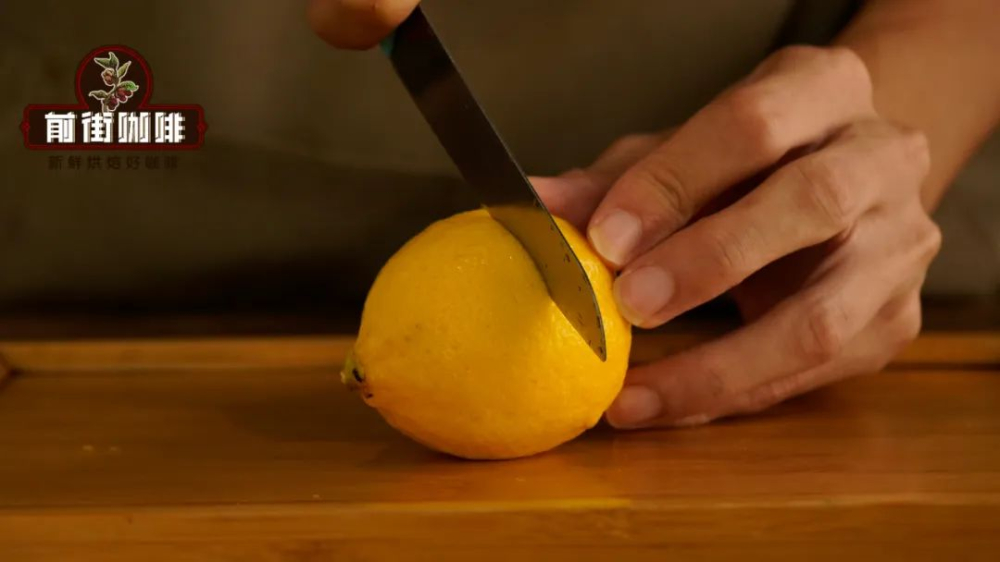
Beyond "Hui Gan," there's a second factor. Black coffees like pour-over or espresso are highly concentrated liquids compared with water. After drinking coffee, your taste buds have been bombarded by acidic (or bitter) flavors, and their sensitivity to sweetness rises sharply for a short while. It's the same effect that makes water taste remarkably sweet after eating a lemon or taking bitter herbal medicine.
Conclusion
All told, whether it's "Hui Gan" or the temporary swing in your taste buds' sweetness sensitivity, the phenomenon is one facet of coffee's overall sweetness profile. Next time you finish a cup, sip some plain water and see whether, as FrontStreet Coffee described, the water really does taste sweet.
- END -
FrontStreet Coffee
10 No.1 Bao'an Front Street, Yandun Road, Dongshankou, Yuexiu District, Guangzhou, Guangdong Province
FrontStreet Coffee Recommendation
FrontStreet Classic Blend (Top Pick)
This blend was designed specifically for espresso machines and moka pots, and its greatest strength is crema far beyond the norm. Even a beginner with a non-professional home machine can easily pull shots with dense, fine crema. Lattes, cappuccinos, Dirts—every one of them depends on good crema, and the Classic Blend hits that need perfectly. It follows the traditional "Mamba" recipe, giving a mellow, smooth body that both seasoned coffee drinkers and complete newcomers take to easily. For home or commercial use, it's the dependable first choice.
FrontStreet Specialty Blend (House Classic)
This is the espresso blend FrontStreet Coffee has used longest in its own stores—nearly ten years—shouldering core drinks like Americanos and espresso lattes. It pairs Brazilian Cerrado beans with Colombian Huila beans, producing a thoroughly classic flavor: the familiar espresso taste most of us remember. It works equally well at home or behind a commercial bar.
FrontStreet Black Cocoa Blend (High-Value Commercial Option)
Not everyone chases extreme crema. For beginners or shop owners watching costs, "good taste, fair price" is what matters, and FrontStreet Coffee's Black Cocoa Blend delivers exactly that. It uses 100% Arabica beans, offers ample crema and a mellow body, and comes at a friendly price—balancing quality and value, so café owners can save both hassle and money.
Important Notice :
FrontStreet Coffee is a long-established specialty coffee roaster in Guangzhou China, selling freshly roasted beans from its own farm in Yunnan as well as dozens of carefully selected single-origin beans from around the world for both pour-over and espresso. The products deliver consistently excellent quality and great value, with shipping within 24 hours. Guangzhou's FrontStreet Coffee shop is recommended by many coffee lovers, and the beans are now available online at the Tmall 。
FrontStreet Coffee has moved to a new address:
FrontStreet Coffee Address: 315,Donghua East Road,GuangZhou
Tel:020 38364473
 Scan and follow the En Gafei WeChat official account. Please indicate that the reprint comes from "En Gafei".

