
Another Virtual Tour of FrontStreet Coffee's Yunnan Coffee Estate! What's the Most Famous Coffee from Yunnan?
A Quiet Town After the Turmoil
At the beginning of this month we made our way to a small border town. The gate was still closed and the roads were almost empty; most intersections had soldiers and special police on duty, and apart from them the streets were deserted.

Coffee Cultivation and Altitude
For every 100 meters you climb, the temperature drops by 0.6 degrees Celsius. Plant fruits need to accumulate enough heat to ripen. Generally speaking, the longer they stay on the tree, the more substances they take in, and the more diverse the resulting coffee flavors.
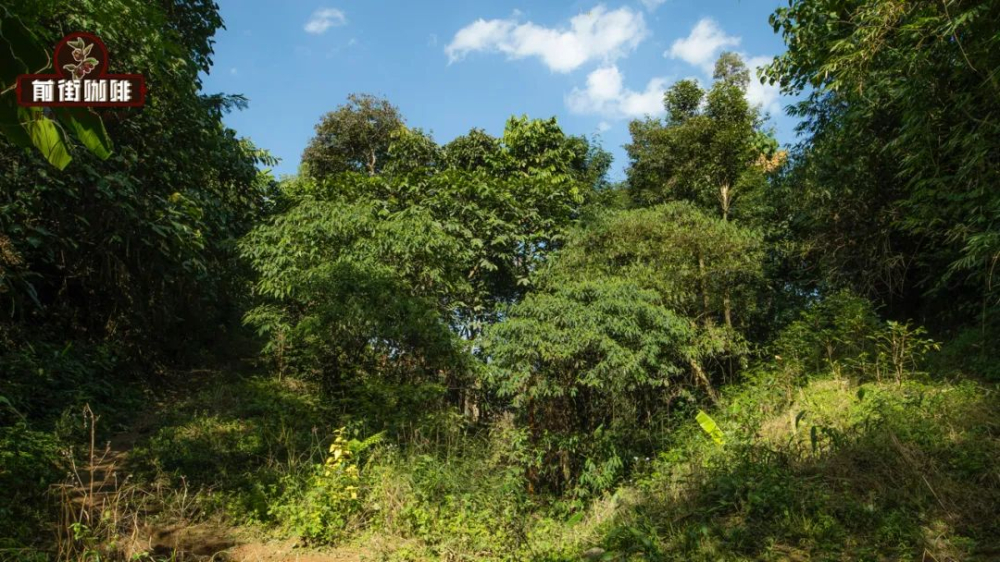
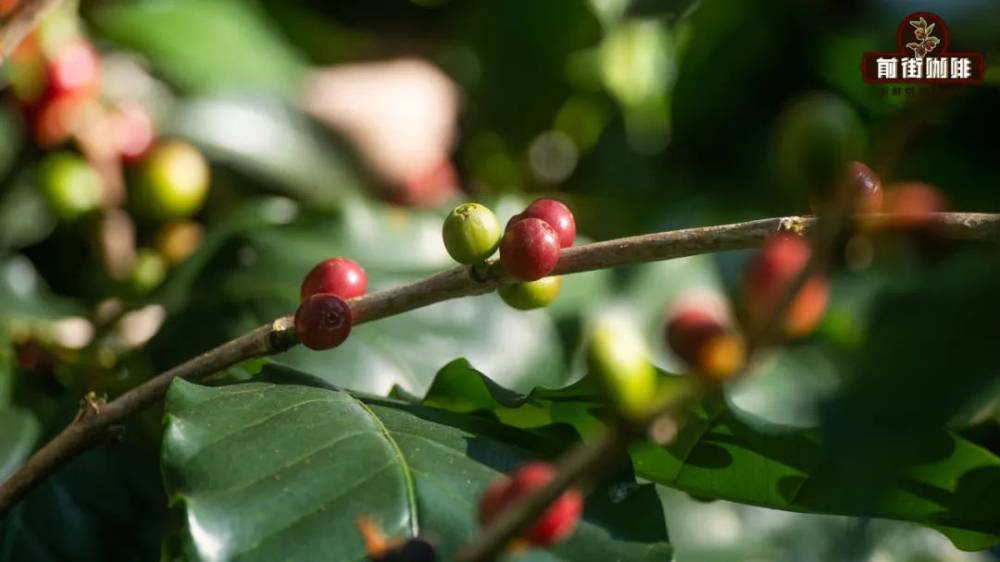
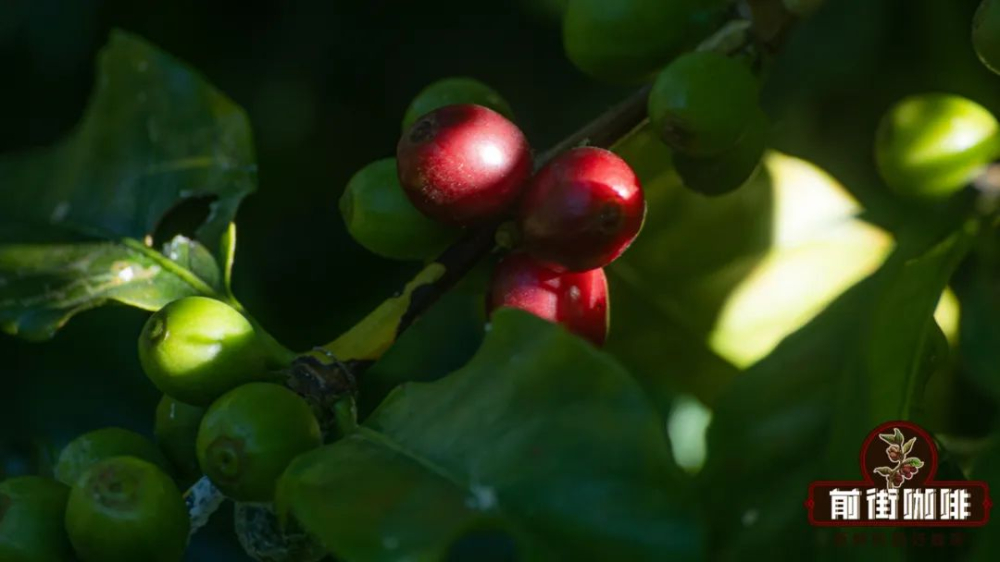
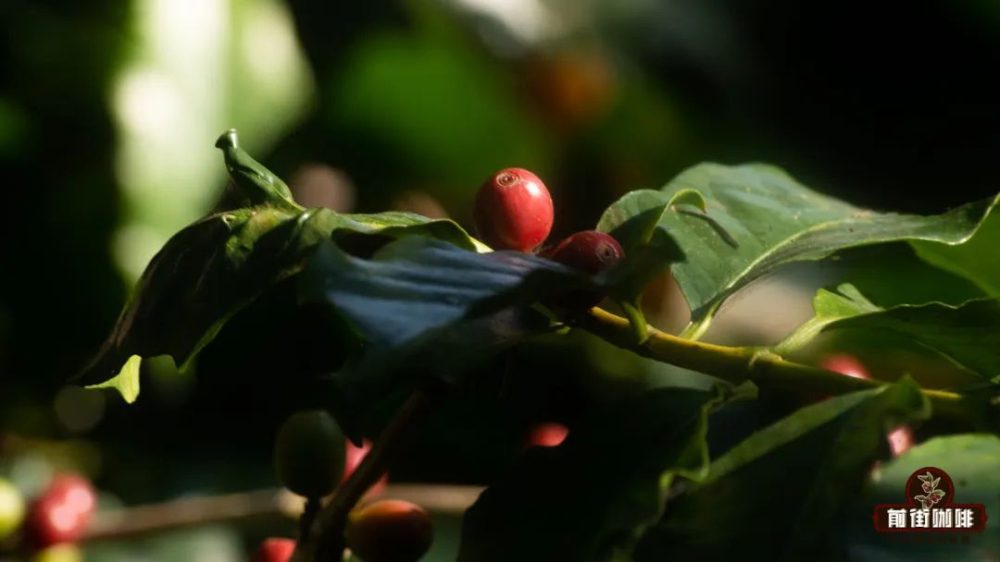
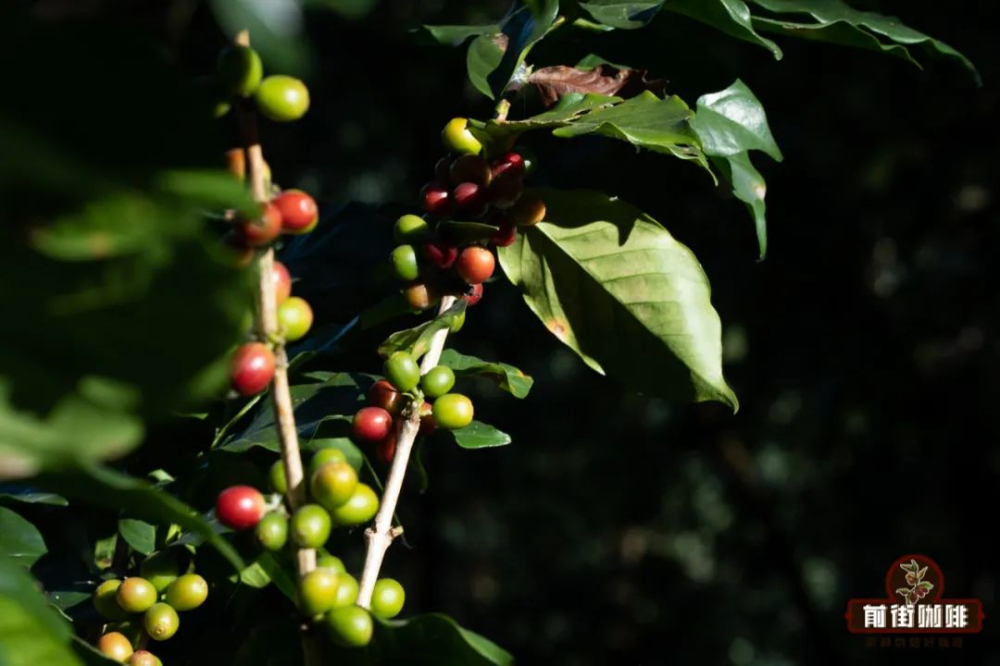
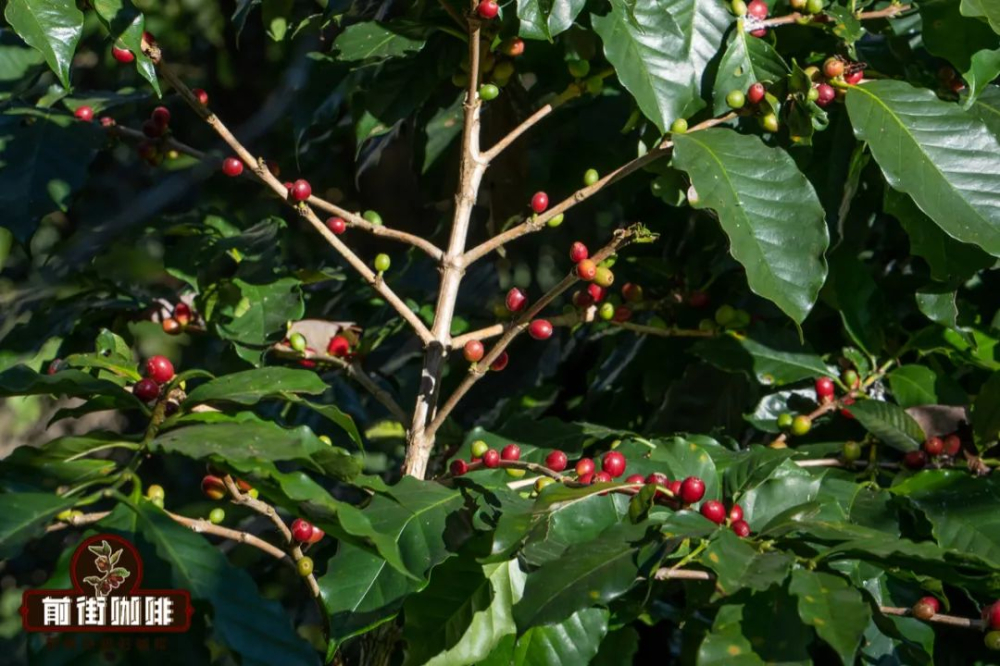
The maturation period for coffee at low altitudes in Yunnan begins in October each year. FrontStreet Coffee's plantation is not especially high, but because it grows within a forest, the overall temperature is lower and sunlight is reduced, so the coffee only begins to ripen gradually in early January. That means October of the previous year through March of the following year forms the harvest season for this region.
The History of FrontStreet Coffee
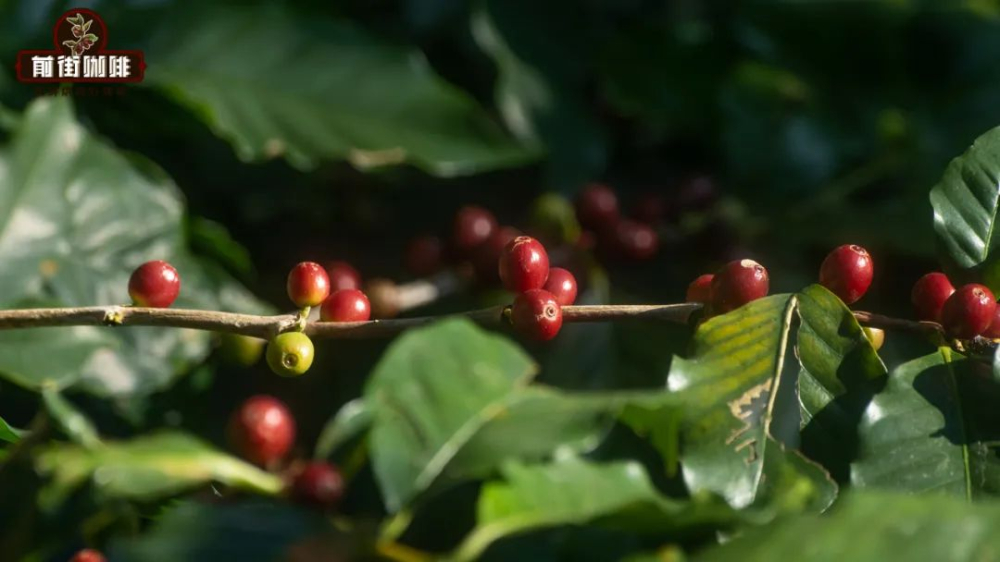
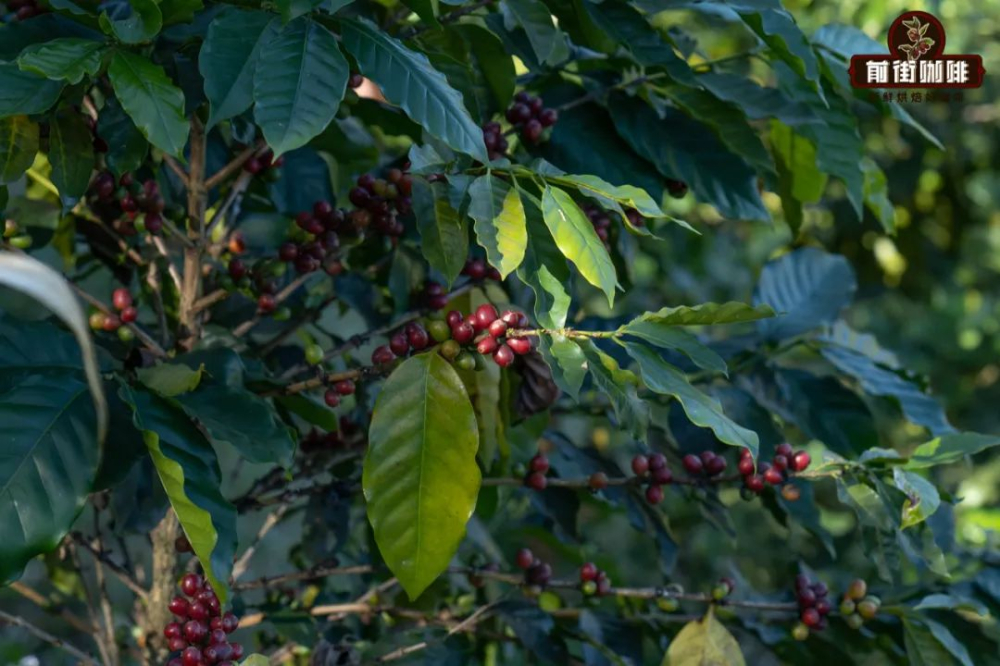
FrontStreet Coffee was originally called "Dazhen Coffee." The name came from the fact that FrontStreet first wanted to plant coffee in a place called Dazhen in Guangdong Province. At the time our understanding of coffee and its cultivation was minimal, and we were driven purely by passion. So the early FrontStreet team experimentally planted Catimor in the Dazhen area, but quickly moved the cultivation site from Guangdong to Yunnan and switched from the common Catimor to Typica.
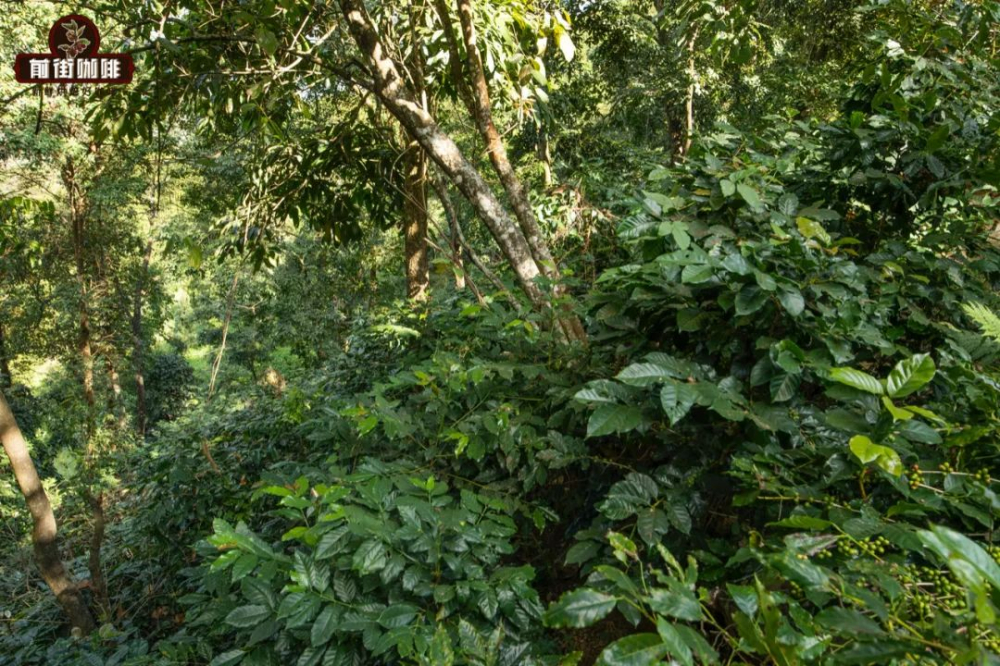
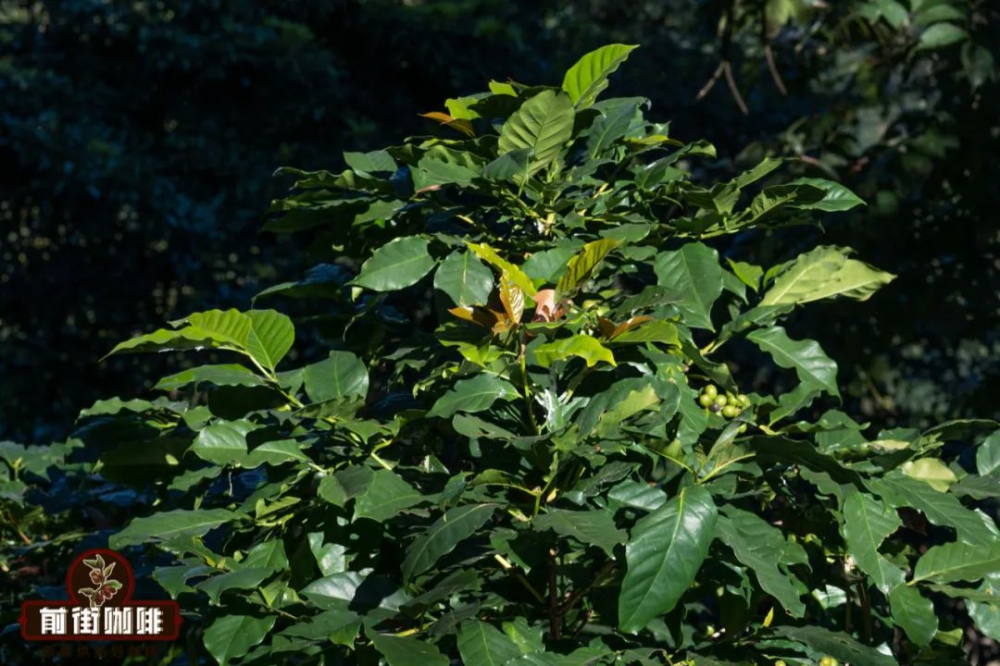
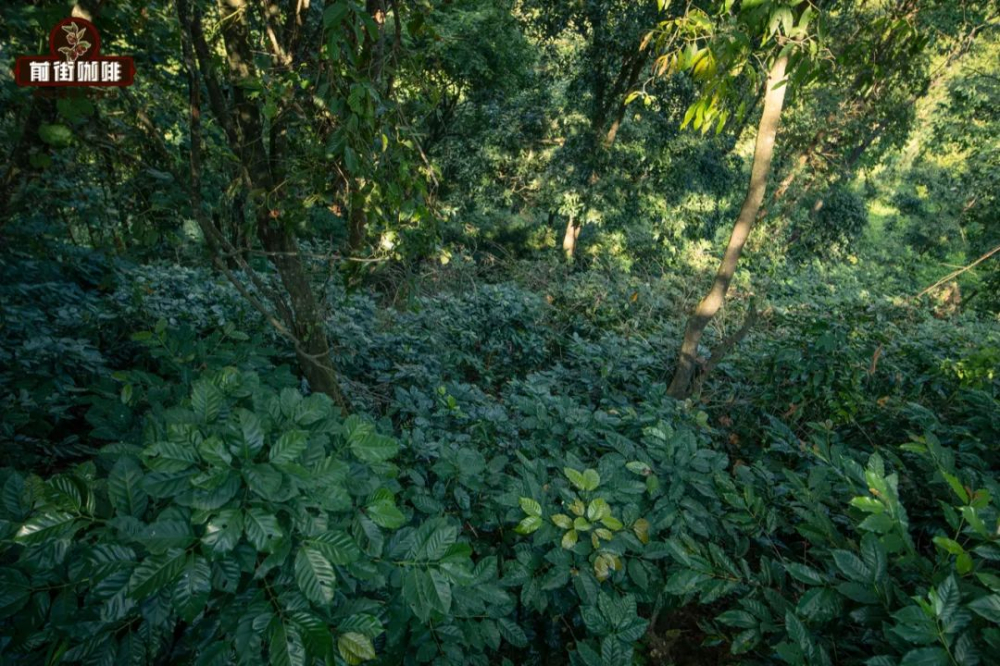
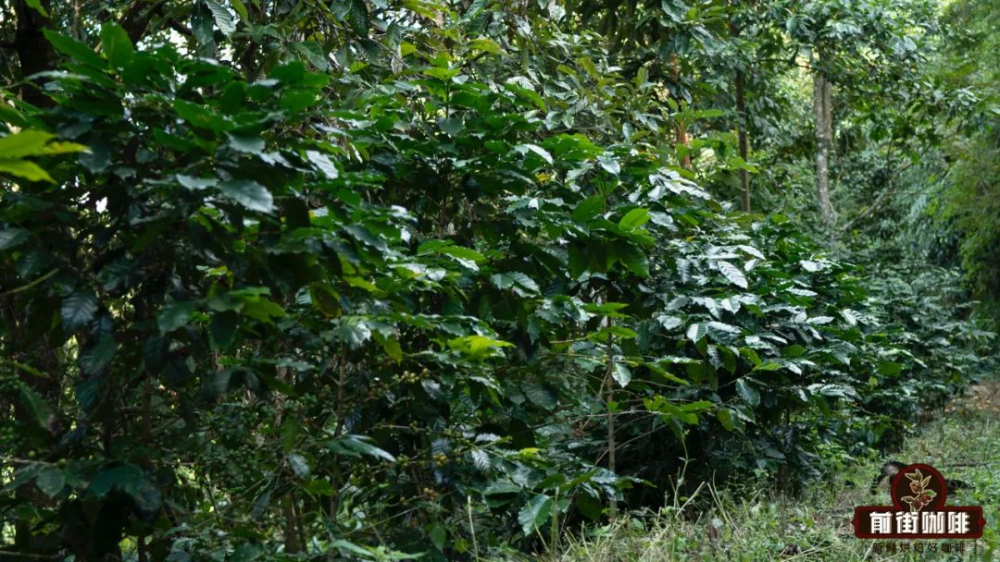
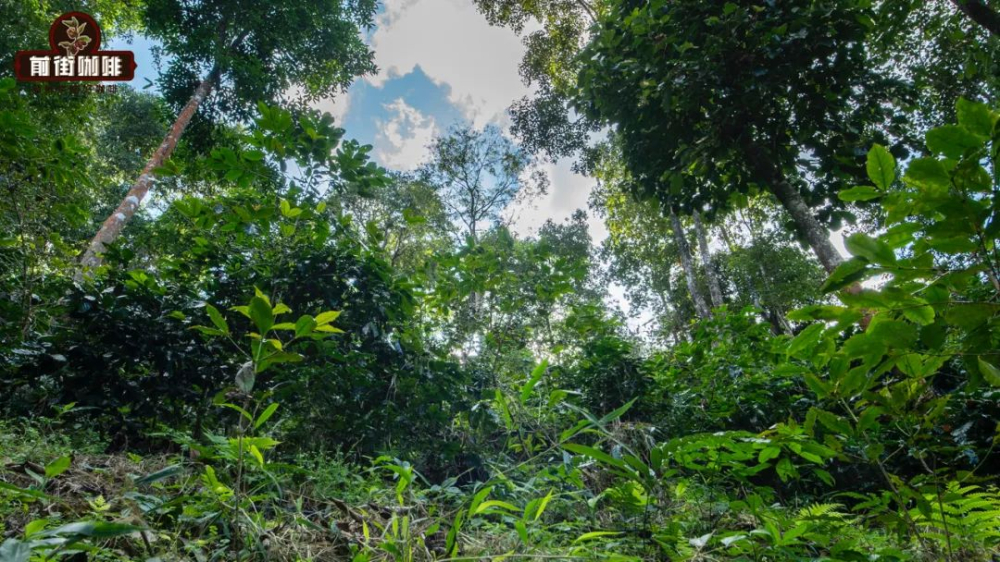
Typica plants growing in the forest.
What Good Coffee Cultivation Requires
Growing good coffee is closely tied to variety, altitude and processing method. To grow delicious coffee, the first step is choosing the variety, followed by the growing terroir. The environmental climate of the growing area affects the substance content of the coffee as it matures. As mentioned above, high altitude is key. Many places in Guangdong sit at only a few hundred meters, while Kunming starts at 2,000 meters the moment you land.
Another reason many places are unsuitable for coffee is the Siberian cold front that keeps pushing south in winter. The frost that follows can kill coffee trees in mountain areas in just two days. This is why the golden coffee belt is mainly distributed between the Tropic of Cancer and the Tropic of Capricorn. In Guangdong, the Tropic of Cancer runs through Conghua; north of that line, frost occurs almost every year. Yunnan is also relatively northern, but the Gaoligong Mountains to its north happen to block this cold front. The high-altitude areas divide the plateau into many small climate types. On the 12th, while we were in Kunming, the local temperature was only about 4 degrees Celsius at 6 AM, yet by 10 AM it had reached 16 degrees.
The Journey to the Plantation
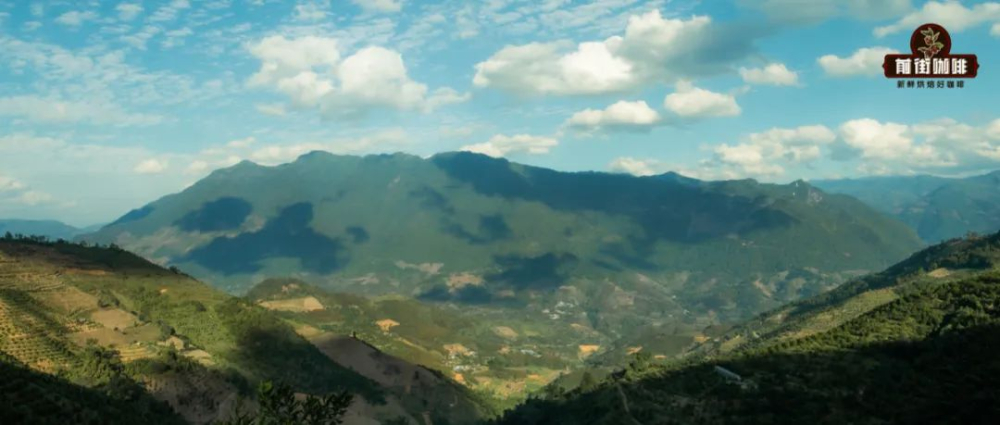
From Kunming to FrontStreet Coffee's plantation is about 800 kilometers, mostly mountain roads, requiring about 9-10 hours of driving. Over the past 10 years we have traveled this route back and forth about 3-4 times each year: before the rainy season begins, during flowering, and after the rainy season ends.

This is the mountain road we travel.
The seasons in the growing region are not distinct, but the rainy and dry seasons are very clear. After the last "earth-yellow rain" in October comes about half a year of dry season, which is perfect for harvesting and drying coffee.
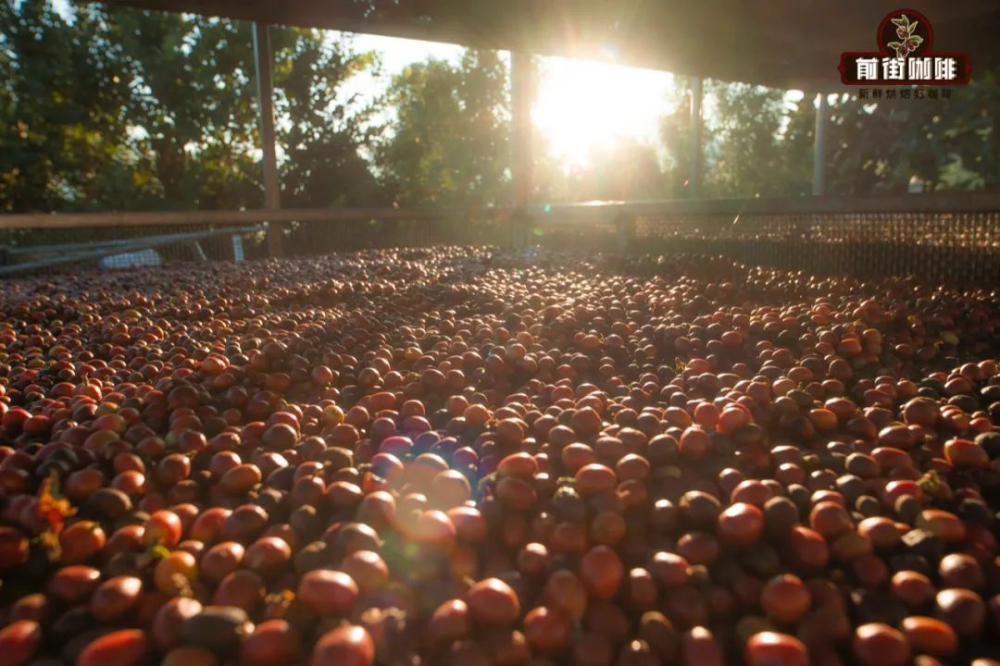
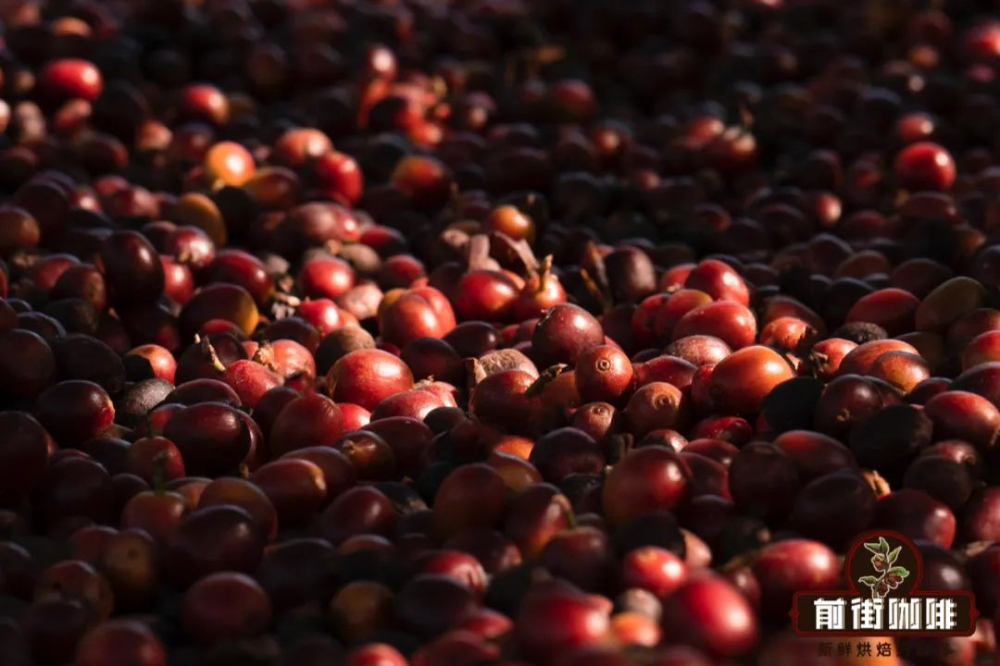
Coffee cherries undergoing natural sun drying.
April and May are the rainy season, with continuous rain every day. Coffee planted during this time has half a year to establish a good survival rate even with minimal care.
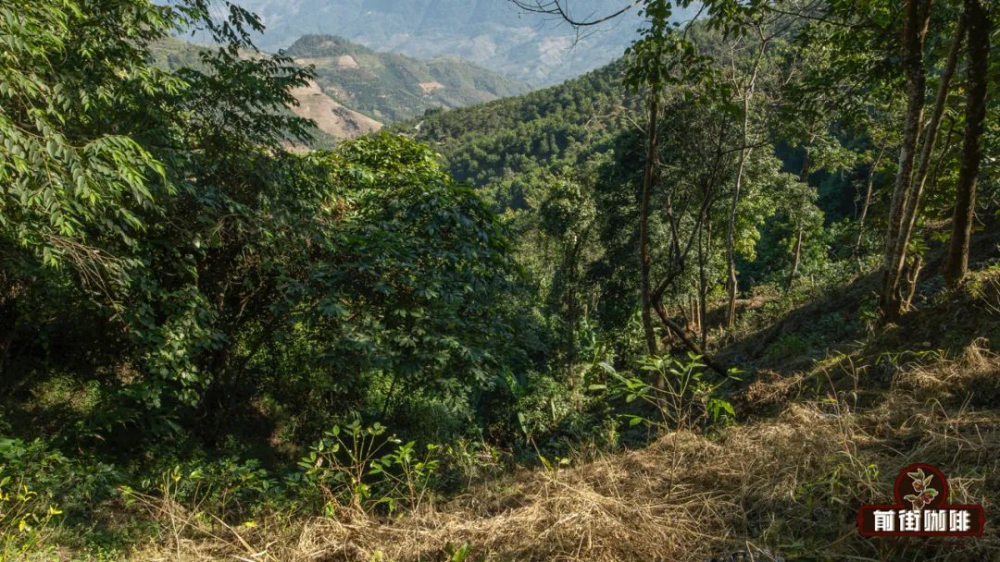
Newly planted coffee plants.
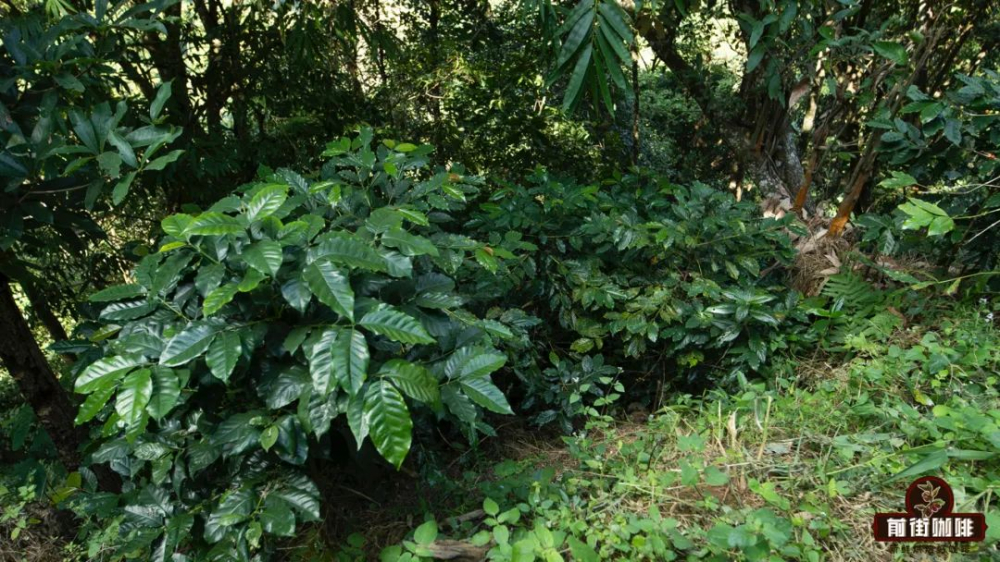
Forest-Grown Coffee
FrontStreet Coffee focuses on growing coffee within forests, a practice that is not common in China. Although this approach provides a better environment for flavor development, the yield is inevitably not optimistic. The tall trees serve as shade, slowing the growth of the coffee cherries and giving them more time to absorb nutrients.
Yunnan Coffee Varieties
Among the ever-evolving "Yunnan small beans," FrontStreet Coffee notes that in the era before Catimor became mainstream, Yunnan had already been cultivating two veteran coffee varieties: Typica and Bourbon. Although they have excellent flavors, their weak disease resistance and variety degradation meant that Catimor became the main local planting variety from the 1980s onward. Judged by tree structure, Catimor's yield is three times higher than Typica, which is the fundamental reason Typica coffee beans are priced higher.
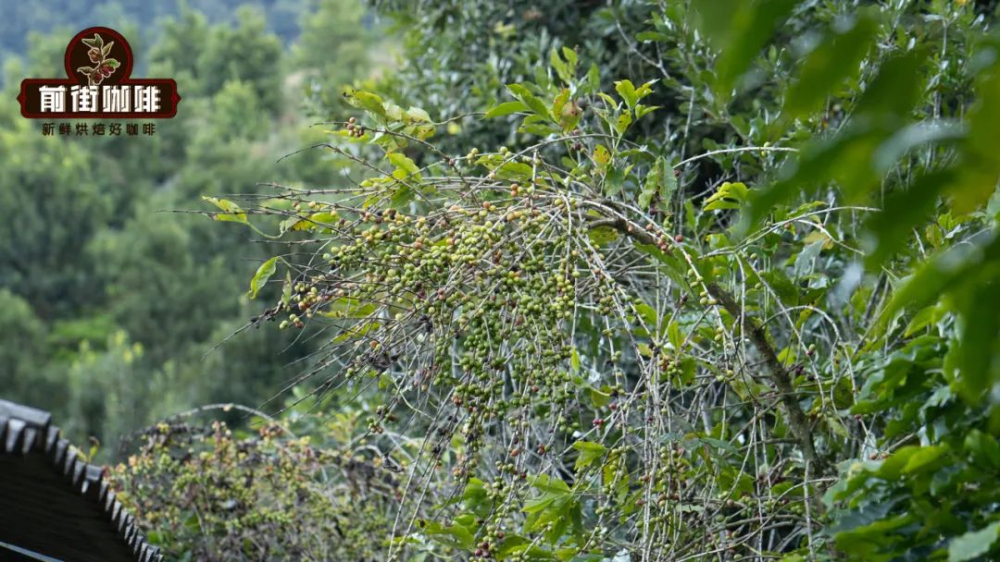
Catimor.
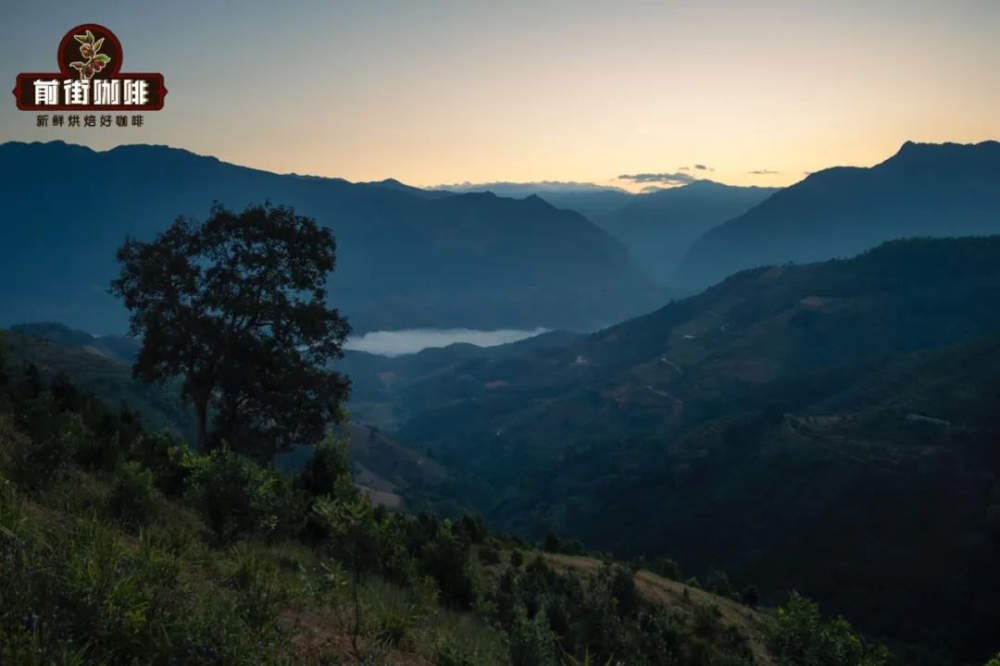
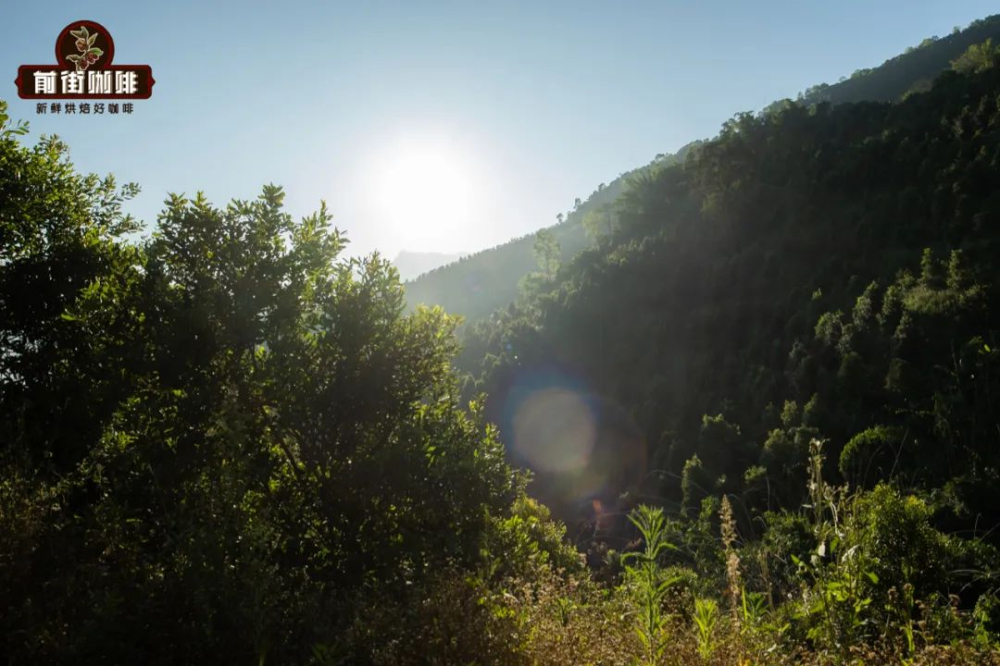
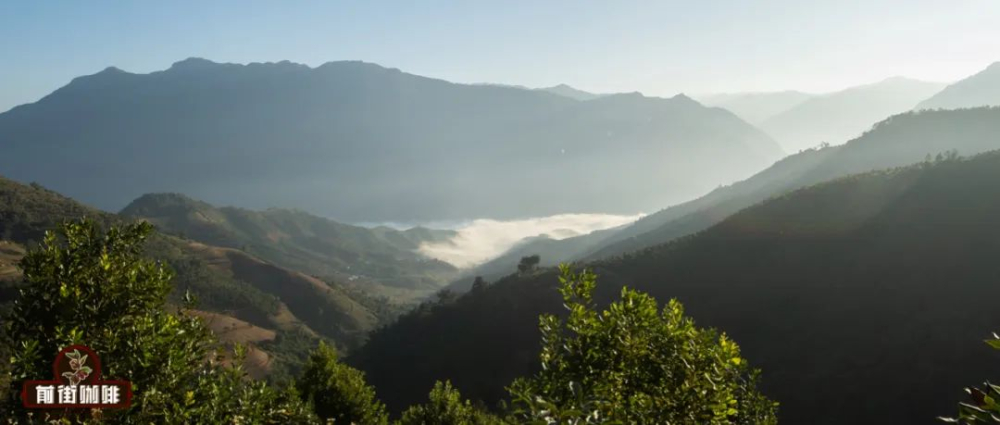
For coffee lovers, it is not only corner cafes that carry an artistic atmosphere; growing regions are full of poetry and distant horizons too. And it must be said that FrontStreet Coffee's plantation often offers quite different and beautiful scenery.
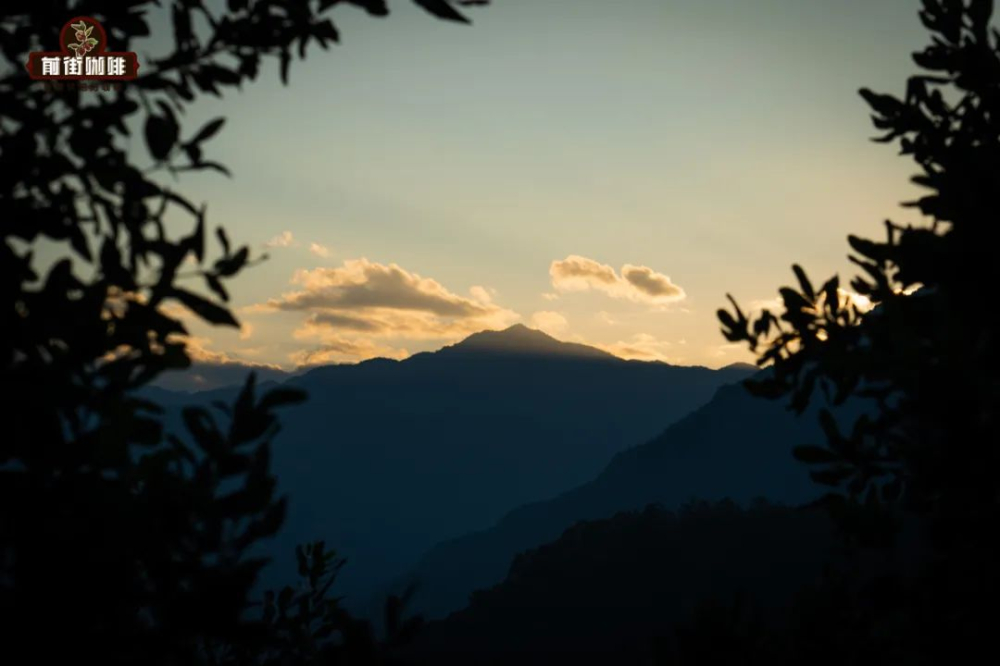
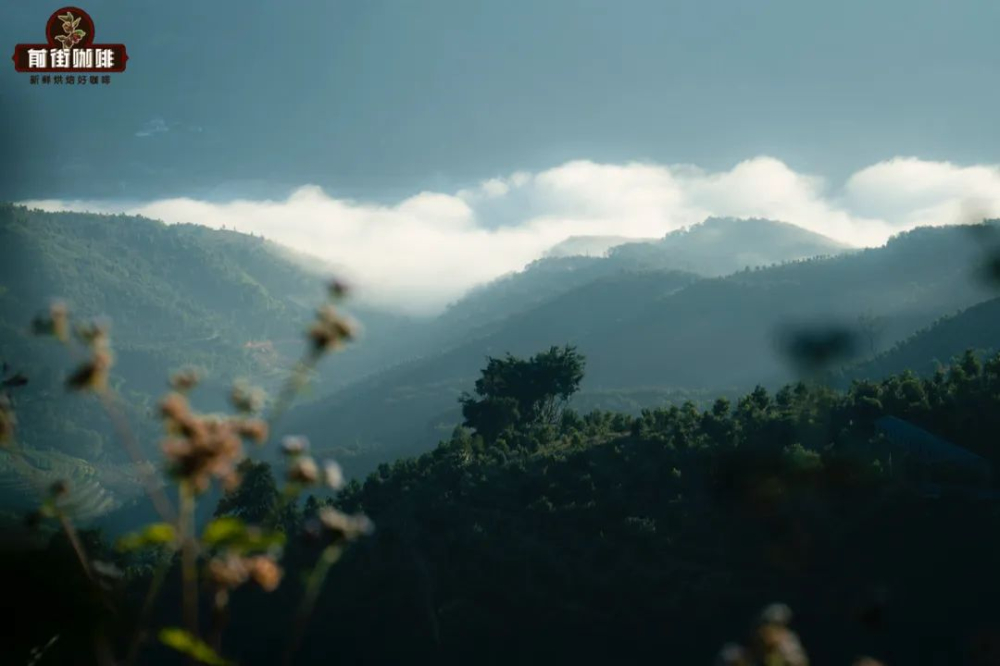

The Challenges of Coffee Farming
Out in the growing region, though, scenery is not the focus. We need to understand how coffee grows and ripens in different places, and to check for signs of borers, anthracnose and sooty mold. Moving between different spots over these few days, my phone recorded 30,000-50,000 steps daily.
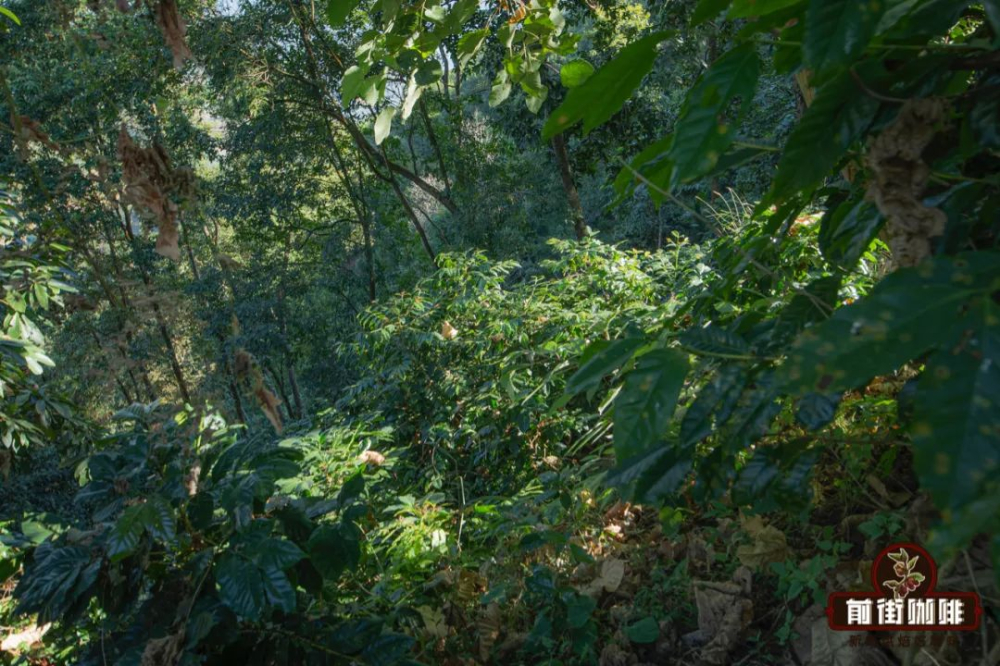
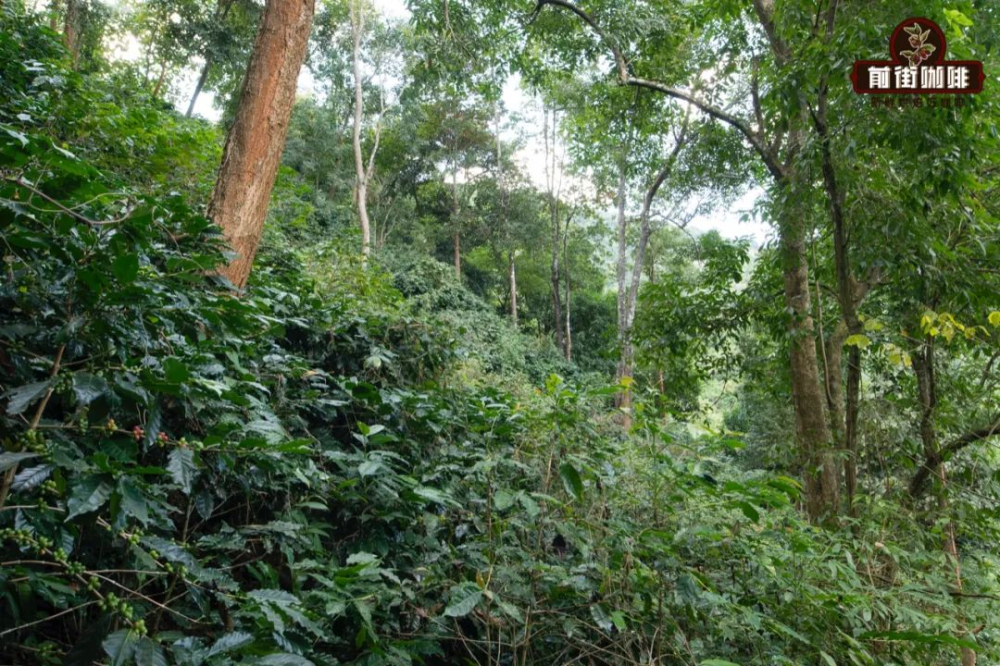
Most of the time is spent walking through winding, steep coffee forests.
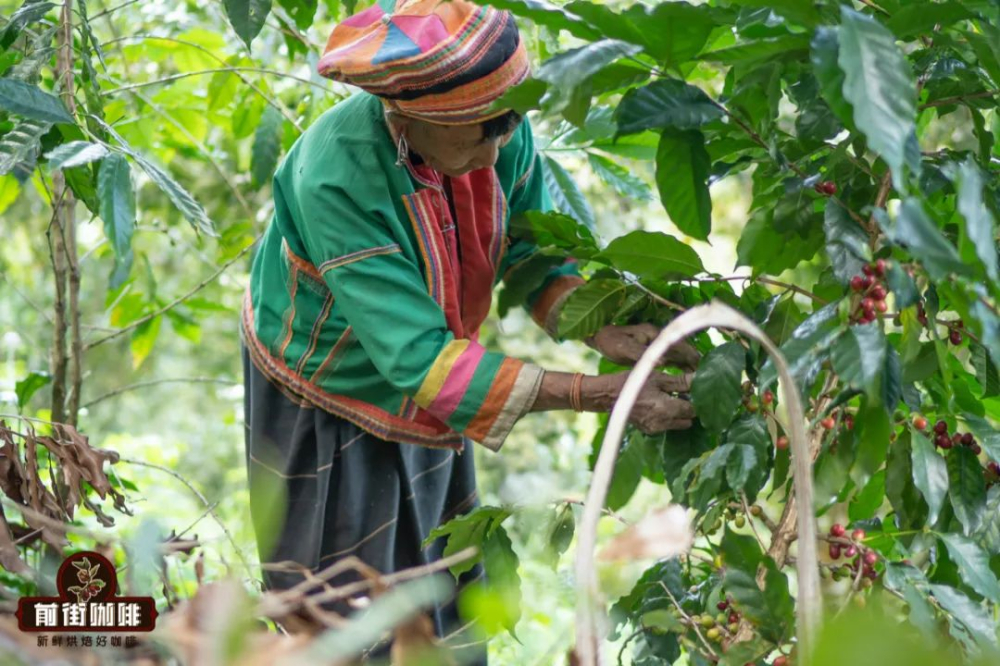
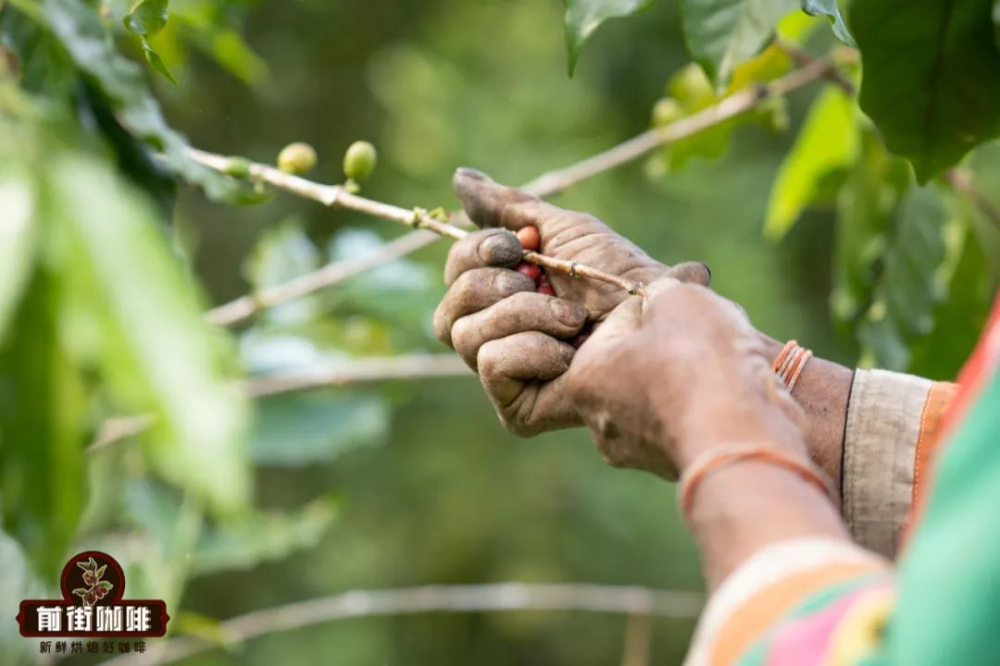
The harvesting process is similar. We all know that fully ripe coffee cherries express richer flavors. Add to that the mixed varieties in the forest, the thickness of fresh cherries during drying, and turning them on time through the drying process; these may seem trivial, but if you do not tell the coffee farmers handling them, they may not realize that such details change the taste in the cup.
The Patience Coffee Cultivation Demands
From seed to maturity takes about 3-4 years. The mainstream specialty varieties in the major growing regions are basically Typica or Bourbon, with no especially large differences between them. Different places still develop different regional flavors, which shows that terroir is another important factor. It is impossible to know whether good fruit will be produced a few years later; the answer takes years to be revealed.
Beyond maintaining a good growing environment, there is not much technical room for human intervention in between. You can only wait patiently for the plant to grow slowly until it flowers and bears fruit. Even the use of fertilizer requires extreme caution. Why do many coffee drinkers emphasize Typica, Bourbon or Geisha, while Catimor remains the mainstream in Yunnan growing regions?
Changing varieties, improving altitude and starting from scratch all require several years. Although coffee farmers live in the mountains, they may not have land they can adjust at will. Only after planting for several years and getting results can they begin to compare and adjust processing methods, which takes another two years. This is why even when people know the answer, they will not easily start over.
The Beauty of Time
A long time does not guarantee good results, but good results inevitably require a long time. Perhaps that, too, is a kind of beauty.
END
FrontStreet Coffee

FrontStreet Coffee Recommendation
Yunnan is often called "Yunnan small beans," and small bean is in fact another name for Arabica, because its fruit is the smallest among the three original coffee species. Coffee in Yunnan traces back to 1904, when the French missionary Tian Deneng brought seeds of the Typica variety from Vietnam and planted the first coffee tree in Zhugula village, Binchuan county, Yunnan. The region's favorable geography and climate made the crop a great success, and the trees thrived along the golden coffee belt, where most areas sit around 1000 meters and the slopes offer fertile soil, ample sun, reliable rain and large day-night temperature swings.
FrontStreet Yunnan Small Bean comes from the Baoshan region and is washed and medium roasted. Baoshan's coffee history began in the mid-1950s, introduced by the patriotic overseas Chinese Liang Jinshan, and its frost-free warmth suits the small bean especially well; the dry-hot valley climate of Lujiangba in particular, with little change across the year but a wide day-night swing, gives the coffee its distinctive sweet finish. The cup shows soft nut and chocolate sweetness with a light plum acidity, and its approachable price has made it many drinkers' first taste of Yunnan coffee.
For a clearer expression of the region, FrontStreet 2013 Sun-Dried Typica marks the step up. FrontStreet built its own estate in 2013 and planted Typica, one of the oldest and purest Arabica varieties, and the same variety first brought to Yunnan, in the hope of recovering that original regional flavor. Only fully ripe all-red cherries are used, dried in the sun and then medium roasted for a more balanced cup with bolder sweet-sour tension: dark berry notes, caramel sweetness, chocolate and a hint of dried apricot, with a black tea finish. There is also a Yunnan-flavored espresso option: FrontStreet Dark Cocoa Blend pairs Yunnan small bean with Brazil Cerrado, the Brazilian coffee supplying mixed-nut aroma and balance while the Yunnan bean contributes chocolate and citrus, for an Americano that balances sweet, sour and bitter with nut and brown sugar sweetness, or a latte with the smoothness of almond and cream.
Important Notice :
FrontStreet Coffee is a long-established specialty coffee roaster in Guangzhou China, selling freshly roasted beans from its own farm in Yunnan as well as dozens of carefully selected single-origin beans from around the world for both pour-over and espresso. The products deliver consistently excellent quality and great value, with shipping within 24 hours. Guangzhou's FrontStreet Coffee shop is recommended by many coffee lovers, and the beans are now available online at the Tmall 。
FrontStreet Coffee has moved to a new address:
FrontStreet Coffee Address: 315,Donghua East Road,GuangZhou
Tel:020 38364473
 Scan and follow the En Gafei WeChat official account. Please indicate that the reprint comes from "En Gafei".

