
Is There a Big Difference Between Coffee Brewed at 91℃ and 93℃?

A reader once messaged FrontStreet Coffee privately: "Should the brewing water temperature you recommend be 91°C or 93°C? Would two or three degrees really make much difference in the cup?"
Regular customers may have noticed that when FrontStreet Coffee shares extraction parameters, the water temperature is usually given as a range rather than a precise number. For light to medium roast beans, that range is 91°C to 93°C; for dark roast beans it is 86°C to 88°C.
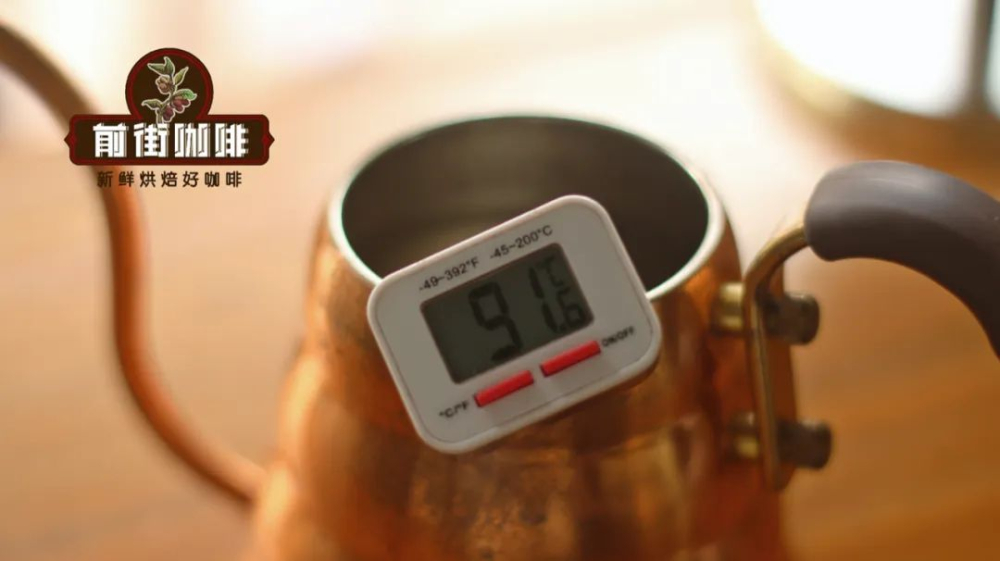
Does that mean any temperature inside the range will do? There is a two-to-three-degree spread between the top and bottom of the range — would the brewed coffee really differ much? Enough talk; let's run a comparison.
Experiment Setup
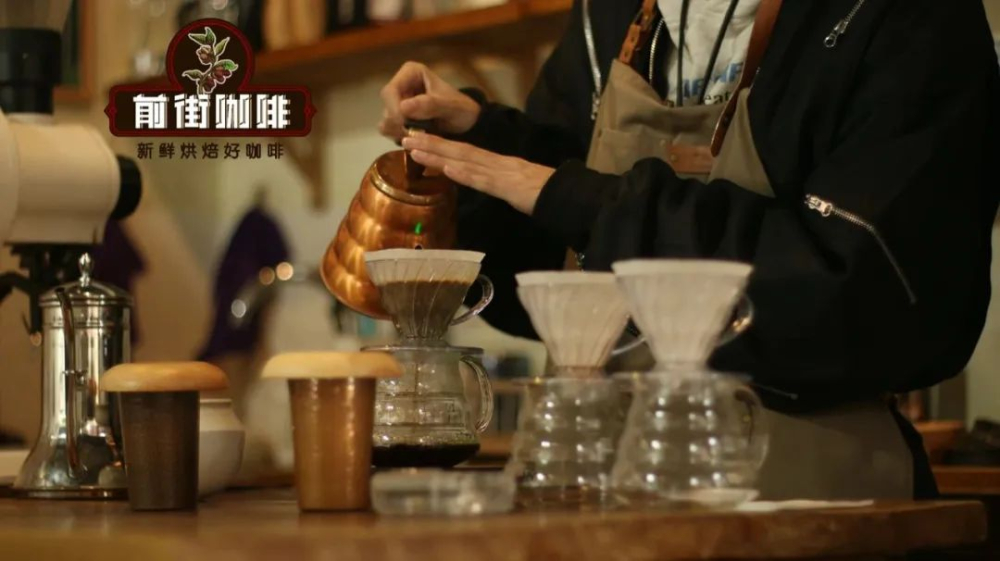
This experiment uses two comparison groups, brewing a light roast and a dark roast at the minimum and maximum of the generally recommended temperatures (91°C and 93°C for the light roast, 86°C and 88°C for the dark), for four pots in total. For the light roast we chose Yirgacheffe from Ethiopia's Gedeb processing plant, and for the dark roast, Brazil Queen Estate.
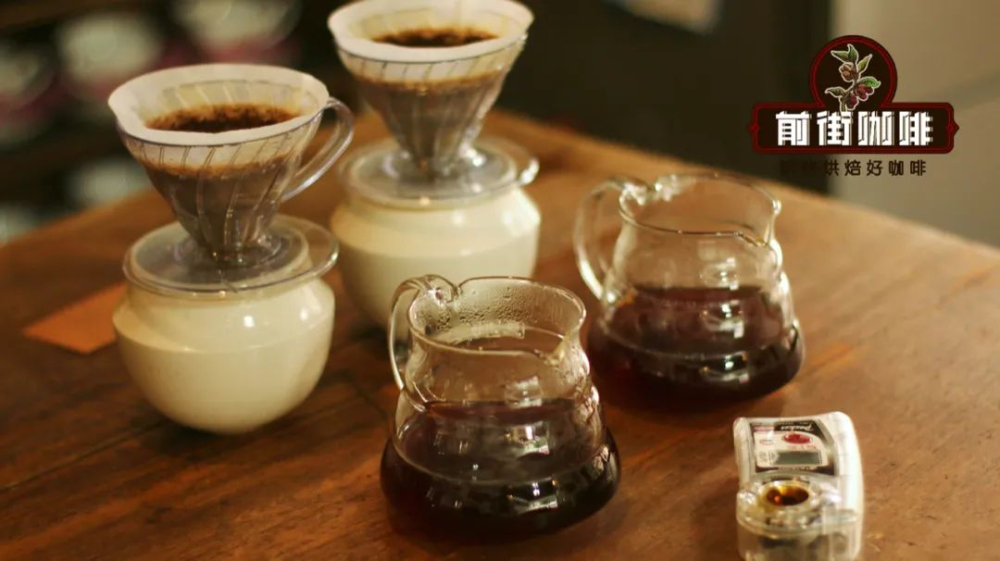
Gedeb (Light Roast) Brewing Parameters:
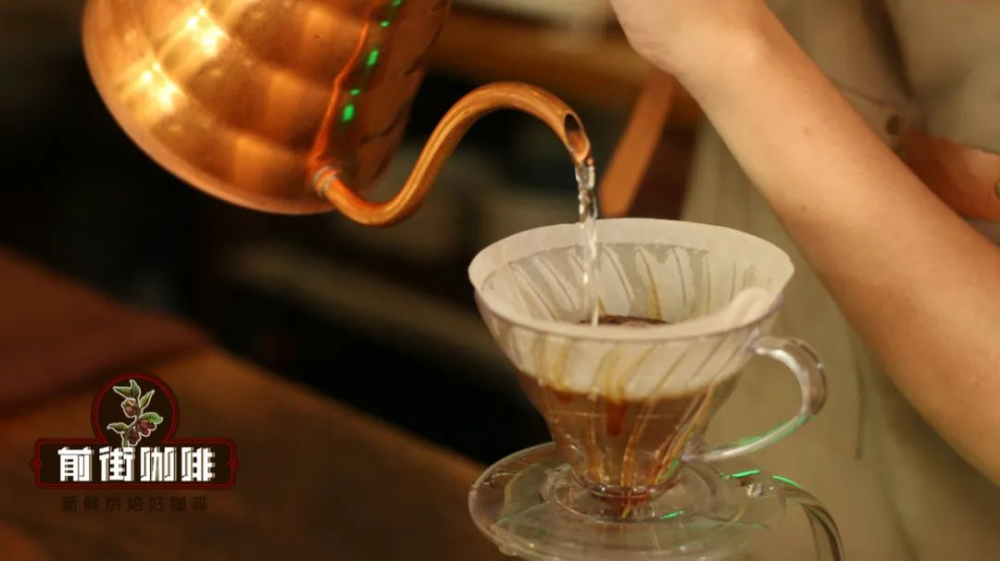
Coffee dose: 15g; water-to-coffee ratio: 1:15; grind size: 80% pass-through rate on a 20-mesh sieve (EK43s setting 10); V60 filter cup; three-stage pouring technique.
Brazil Queen Estate (Dark Roast) Brewing Parameters:
Coffee dose: 15g; water-to-coffee ratio: 1:15; grind size: 75% pass-through rate on a 20-mesh sieve (EK43s setting 10.5); Kono filter cup; three-stage pouring technique.
Extraction Analysis
We sampled and tested the concentration of all four cups and calculated their extraction rates:
Light Roast (Gedeb):
91°C: 1.32% concentration, 18.13% extraction rate
93°C: 1.36% concentration, 18.69% extraction rate
Dark Roast (Queen Estate):
86°C: 1.39% concentration, 19.11% extraction rate
88°C: 1.44% concentration, 19.81% extraction rate
From the data, the highest water temperature produced concentrations 0.04% higher (light roast) and 0.05% higher (dark roast) than the lowest, with extraction rates up by 0.56% (light roast) and 0.7% (dark roast) respectively. With the numbers in hand, let's taste and compare the flavour of both groups.
Tasting Results
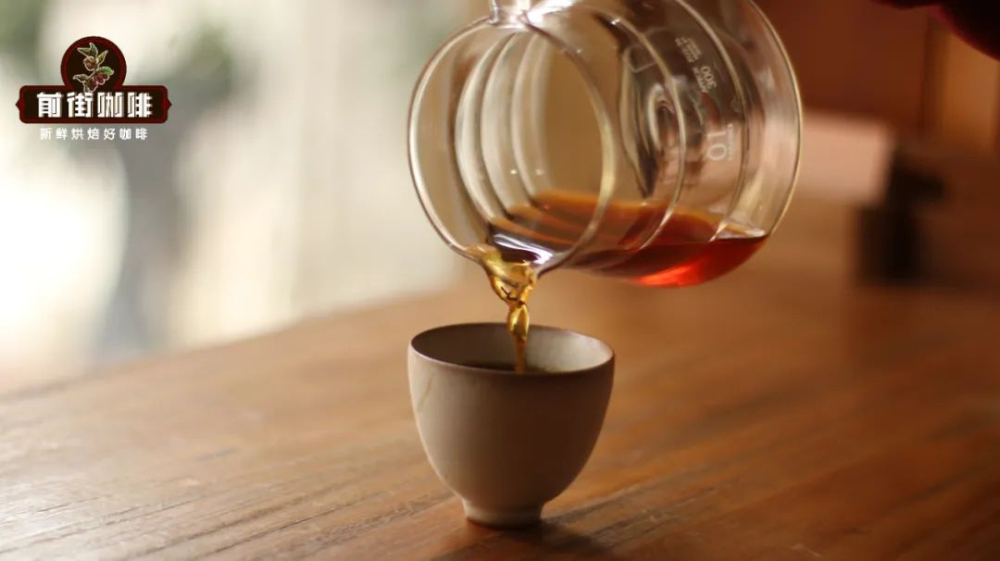
First, for the light roast (Gedeb) group, both the 91°C and 93°C cups showed similar citrus notes with soft lemon acidity. The difference was that the 93°C cup had slightly more prominent sweetness, better layering, and a more tea-like character.
For the dark roast (Queen Estate) group, both cups displayed nutty and creamy flavours. The 86°C cup had some subtle acidity while hot, making it comparatively fresher than the 88°C version. The 88°C cup had a richer mouthfeel and more sweetness, but showed a slight smokiness at higher temperatures.
Scientific Explanation
This comes down to the fact that higher water temperatures extract flavour compounds from coffee more easily. The hotter the water, the faster soluble substances dissolve — sugar at different water temperatures is a good illustration. Higher temperature also activates flavour compounds, which raises extraction efficiency.
That is why FrontStreet Coffee usually brews most light to medium roast beans at 91°C. With the same parameters, it noticeably lowers the chance of accidents and keeps output consistent. This is not absolute, though. In daily production we have found that, with the same extraction parameters, brewing Kenyan coffee at 93°C expresses richer flavour layering and solid acidity.
For dark roast beans such as Indonesian Mandheling, Blue Mountain, or Brazil Queen Estate, which focus on rich mouthfeel and a charming aftertaste, FrontStreet Coffee does not recommend an overly "aggressive" temperature. Water at 86°C to 88°C makes the coffee milder and keeps bitterness from being extracted too readily, sparing you a pained expression.
- END -
FrontStreet Coffee
10 No. Bao'an Front Street, Yandun Road, Dongshankou, Yuexiu District, Guangzhou, Guangdong Province
FrontStreet Coffee Recommendation
Temperature matters most with a light roast, and Yirgacheffe is the classic bean to test it on. FrontStreet Coffee's washed Gudingding Cooperative coffee is a fine example: fruit from Gudingding village, at the southeastern end of Yirgacheffe in the Woka area, is processed with the traditional washed method, which keeps the cup clean and bright with citrus and lemon acidity and a jasmine lift. Yirgacheffe itself is a small town in southern Ethiopia's Sidamo province, sitting at roughly 1,700-2,100 metres, with the coffee trees planted above 1,800 metres, among the highest coffee regions in the world.
For that bean, FrontStreet Coffee's own filter recipe sits right in the range discussed here: a V60, water at 90-91°C, 15g of coffee at a 1:15 ratio, ground to fine-sugar size (about 80% through a #20 sieve, or EK43s setting 10). Bloom with 30g of water for 30 seconds, pour in circles with a small stream to about 125g over roughly a minute, then, once the bed drops to two-thirds, add the remaining 100g to reach about 225g, finishing the pour at around 1:35 and the full drawdown at 2:00-2:10.
Important Notice :
FrontStreet Coffee is a long-established specialty coffee roaster in Guangzhou China, selling freshly roasted beans from its own farm in Yunnan as well as dozens of carefully selected single-origin beans from around the world for both pour-over and espresso. The products deliver consistently excellent quality and great value, with shipping within 24 hours. Guangzhou's FrontStreet Coffee shop is recommended by many coffee lovers, and the beans are now available online at the Tmall 。
FrontStreet Coffee has moved to a new address:
FrontStreet Coffee Address: 315,Donghua East Road,GuangZhou
Tel:020 38364473
 Scan and follow the En Gafei WeChat official account. Please indicate that the reprint comes from "En Gafei".

