Kenyan Coffee Development, Coffee Growing Regions, Coffee Grading, and Introduction to SL28/SL34 Coffee Varieties
Geography of Kenya
Kenya sits in eastern Africa, straddling the equator and cut from north to south by the East African Rift Valley. It shares borders with Somalia, Tanzania, Ethiopia, and South Sudan, with the Indian Ocean lying to the southeast. The coastal strip is made up of plains, but most of the country is highland with an average elevation of 1,500 meters, and volcanoes rise throughout the landscape — including the dormant Mount Kenya in the central highlands, which towers 5,199 meters above sea level.
History of Kenyan Coffee
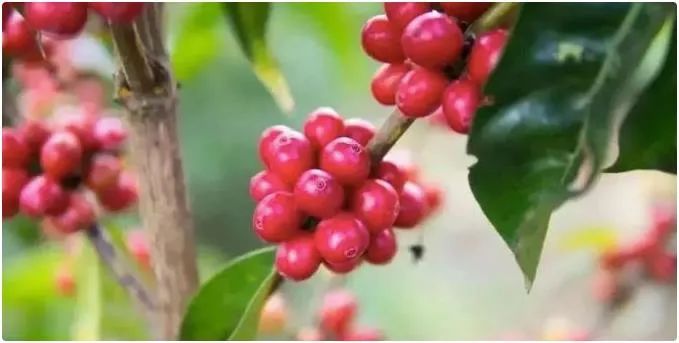
Although Kenya borders Ethiopia, the birthplace of coffee, its coffee industry took shape relatively late. The first coffee trees arrived in 1893, carried by French missionaries from Réunion Island. Later, under British colonial rule, coffee was grown on large estates, and every bean produced was shipped to London for sale. Not until the Coffee Ordinance of 1933, which established the Kenya Coffee Board, were sales operations brought back to Kenyan soil. An auction system followed in 1934 — and remains in use to this day. In 1935, the government drew up a proposal for a coffee quality grading system. Then in the 1950s came an agricultural bill known as the "Swynnerton Plan," which granted farmers land ownership, allowing them to become self-sufficient and raise their incomes.
Kenyan Coffee Grading
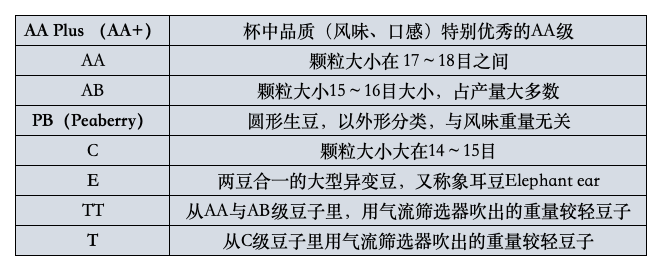
Kenya applies the same grading system to both domestic consumption and export sales. Grading is based on bean size and quality, with precise specifications for bean size, and runs from AA+ down through AA, AB, PB, C, E, TT, and T. The grades most commonly seen on the market are AA, AB, and PB.
Kenyan Coffee Growing Regions
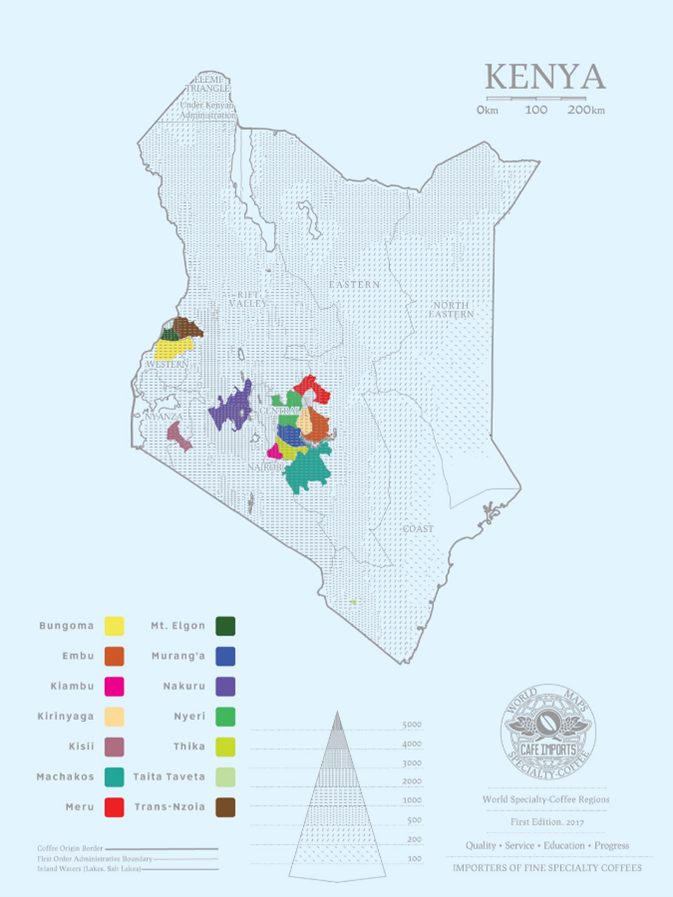
Kenya has no shortage of coffee-growing regions: Bungoma, Embu, Kiambu, Kirinyaga, Kisii, Machakos, Meru, Mt. Elgon, Murang'a, Nakuru, Nyeri, Thika, Taita Taveta, and Trans-Nzoia — fourteen in total. Of these, Nyeri, Kirinyaga, Murang'a, Kiribwe, and Thika enjoy the greatest renown.
The SL28 and SL34 Varieties
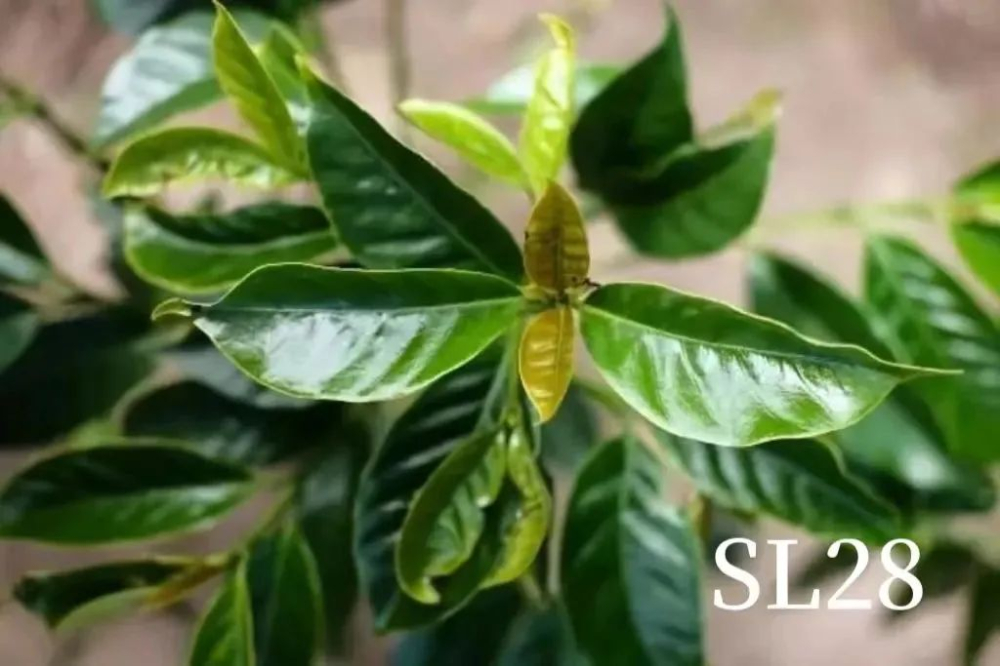
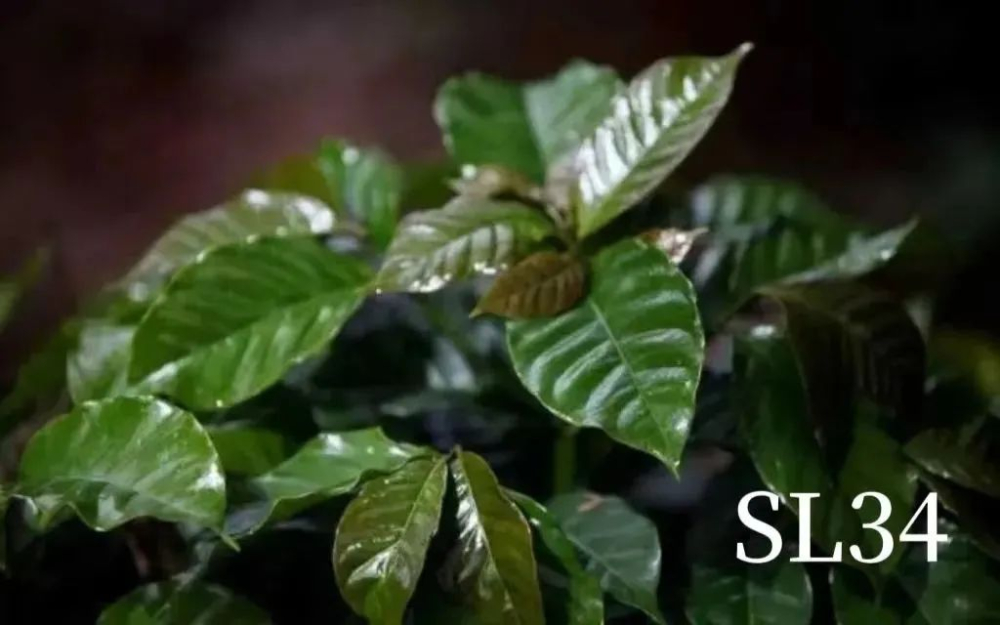
When it comes to Kenya's most important and distinctive coffee varieties, SL28 and SL34 stand above the rest. They were first selected in the 1930s, cultivated mainly in Kenya and other parts of Africa before later spreading to Latin America. Both varieties suit medium-to-high altitude areas and tolerate drought well, though they are vulnerable to coffee diseases. Between 1935 and 1939, Scott Laboratories selected 42 individual coffee trees, gave them the SL prefix, and studied their yield, quality, drought resistance, and disease resistance. SL28 was chosen in 1935 from a single tree in the drought-resistant Tanganyika population, and genetic testing has since shown it to be related to Bourbon. SL34 was selected from a tree at the Loresho Estate in Kabete, Kenya, and genetic testing links it to Typica.
Scott Laboratories and Its Legacy
Scott Laboratories was founded in Kenya by the British colonial government to conduct agricultural research for the Ministry of Agriculture and to provide technical support and training to Kenyan farmers; it has since been transformed into the Kenya National Agricultural Laboratory (NARL). Today, SL28 trees grow across many parts of Kenya — some 60-80 years old — and they remain productive to this day.
FrontStreet Coffee's Kenyan Offering
Among its lineup, FrontStreet Coffee carries Kenya Asali AA TOP beans from Thika. This FrontStreet Coffee Kenya AA TOP is made from the SL28 variety and processed using the refined Kenyan 72-hour washed method (K72). Brewed as a pour-over — 15g of coffee at a 1:15 coffee-to-water ratio with water at approximately 92°C — the finished cup opens with flavors of cherry tomato and black plum. The acidity is bright, the mouthfeel clean, and the finish carries brown sugar sweetness with a green-tea character.
FrontStreet Coffee Recommendation
If the bright acidity and tea-like cleanliness of a washed Kenyan appeal to you, FrontStreet Coffee's Washed Yirgacheffe is the natural next step. Yirgacheffe, a small town in southern Ethiopia where cool, misty conditions prevail year-round, produces a light, elegant cup where floral aroma and fruit acidity intertwine — distinct jasmine fragrance and bright citrus acidity, reminiscent of a crisp, clean lemon tea.
For something richer and more fruit-forward, try FrontStreet Coffee's Natural Huakui from the Hambella district of Guji, Sidamo. The farm spans 200 hectares, and the cherries are dried in the traditional natural style: spread on raised beds for 21 days of sun exposure, turned regularly for even drying, and hand-sorted for defective beans every three to five days. Roasted medium-light, it reveals a faint fermented wine aroma alongside florals, citrus, and mango, with honeyed sweetness, cocoa notes, a touch of spice, and a full body with a long, lingering finish. FrontStreet Coffee's Natural Red Cherry is another lovely choice — meticulously sorted and sun-dried for two full weeks, it offers peach, cocoa, honey, and lemon in an exceptionally clean cup.
Important Notice :
FrontStreet Coffee is a long-established specialty coffee roaster in Guangzhou China, selling freshly roasted beans from its own farm in Yunnan as well as dozens of carefully selected single-origin beans from around the world for both pour-over and espresso. The products deliver consistently excellent quality and great value, with shipping within 24 hours. Guangzhou's FrontStreet Coffee shop is recommended by many coffee lovers, and the beans are now available online at the Tmall 。
FrontStreet Coffee has moved to a new address:
FrontStreet Coffee Address: 315,Donghua East Road,GuangZhou
Tel:020 38364473
 Scan and follow the En Gafei WeChat official account. Please indicate that the reprint comes from "En Gafei".