
Can Coffee Be Extracted with Warm Milk? How to Make Milk-Extracted Coffee Taste Better?

Not long ago, FrontStreet Coffee showed how steeping coffee grounds in warm water makes cold brew more efficiently, with excellent sweetness. That sparked a thought: what about "milk extraction"? If warm water works, surely warm milk does too? Once curiosity strikes, there's no stopping it. Time to experiment!

Experimenting with Different Coffee Varieties
To find out which flavor profiles suit "warm milk extraction" best, FrontStreet Coffee picked three very different beans, 20g each: Brazil Fazenda Rainha (nutty profile), Kenya AA (berry profile), and Mozart (fermented fruit profile).
Unlike standard milk extraction, this version preheats the milk and uses full immersion. The release efficiency of the coffee's soluble substances runs higher than the cold version, and bitter compounds emerge more easily too. To avoid over-extraction while preserving as much aroma as possible, three rules apply:
- Don't heat the fresh milk too hot
- Don't grind the coffee too fine
- Shorten the steeping time as the temperature rises
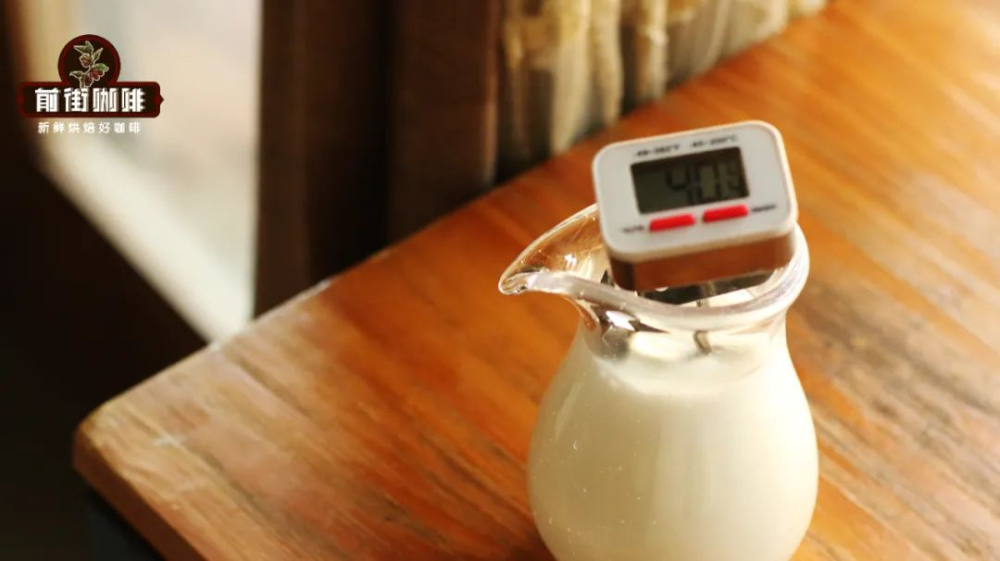
Optimizing Parameters for Milk Extraction
Too much milk buries the coffee flavor; too little, and unpleasant bitterness shows up. So FrontStreet Coffee kept the classic 1:10 coffee-to-milk ratio — 20g of grounds to 200g of fresh milk — with the milk uniformly held at 40°C. No thermometer at home? Use the hand test: heat until the cup or pitcher feels comfortably warm to the touch.
For grind size, we simply used hot pour-over settings, corresponding to China #20 standard sieve pass rates of 75% for Fazenda Rainha, 80% for Kenya, and 82% for Mozart — EK43 settings of 10.5, 10, and 9.5 respectively.
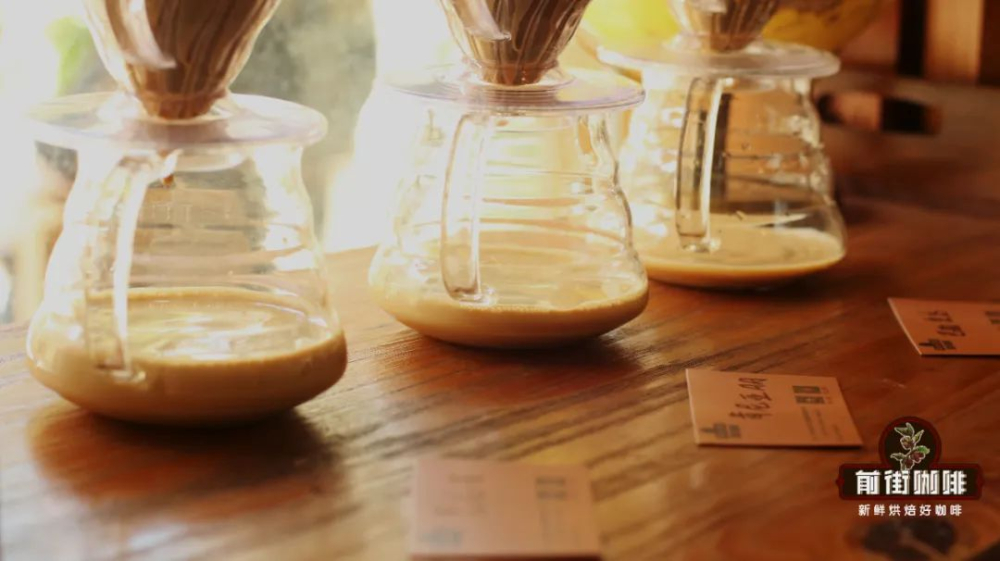
First Attempt and Results
For round one, we mixed each portion of coffee thoroughly with the warm milk, refrigerated them to steep for three hours, then pulled them out, stirred again, and filtered through filter paper to separate the grounds.
The comparison: the Mozart milk extraction had the best mouthfeel — raisin sweetness wrapped in silky chocolate milk — but left an unpleasant astringency afterward. The Fazenda Rainha milk coffee carried higher bitterness with prominent smoky notes and slight astringency on the swallow. The Kenya Assalia extraction was the palest, tasting like fermented yellow-peach yogurt, poorly integrated, with a thin aroma.

Refining the Extraction Method
The lesson: for warm-milk extraction, medium-roast coffees that combine rich fruit notes with cocoa/chocolate character beat both dark-roast nutty beans and light-roast fruit-acid beans. And clearly, at 40°C with sugar-sized grinding, a three-hour steep pushes into over-extraction territory.
So for round two we shortened the steep to 1.5 hours, keeping everything else unchanged, and used the newly popular Ethiopia Santa Vereni — a coffee that showed rich pineapple and guava fruit plus a long red-wine finish in cupping, performing beautifully both as pour-over and cold brew.
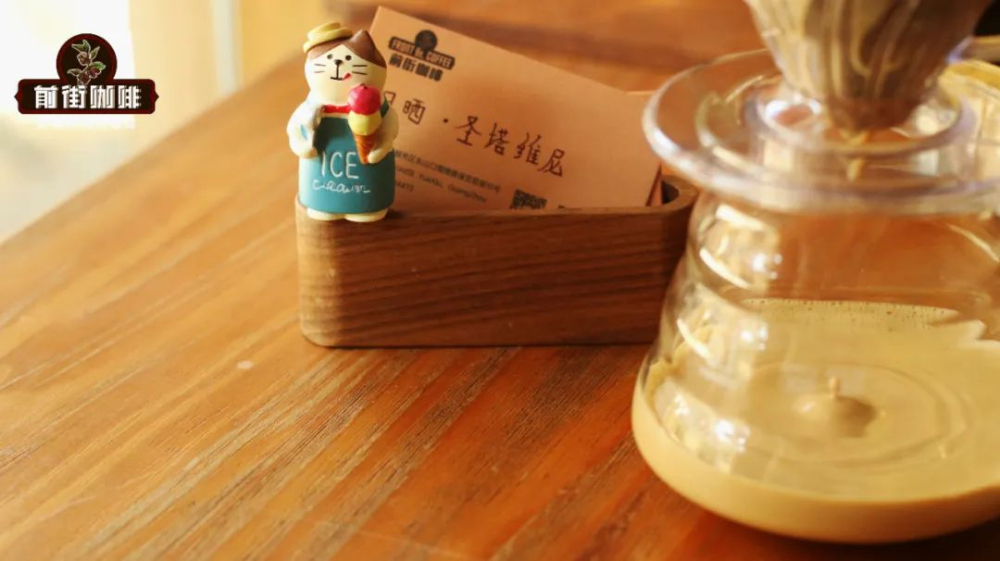
Perfecting the Warm Milk Extraction
After 1.5 hours of cold steeping, we stirred, filtered, and tasted. Compared with the first three milk coffees, the Santa Vereni milk extraction hit a far more pleasant concentration, revealing honey, pineapple, light florals, and cream biscuits — a layered, varied texture reminiscent of liqueur-filled milk chocolate.
If you're as curious as FrontStreet Coffee about coffee steeped in warm milk, use these experiments as a reference and try it with a bean you love. It might surprise you!
- END -
FrontStreet Coffee

FrontStreet Coffee Recommendation
Our experiment bean Brazil Fazenda Rainha is a perfect example of why Brazilian coffee works so well in milk drinks: moderate acidity and an excellent balance of sweetness, bitterness, and body, best at a medium roast with nutty aroma, mellow texture, and a touch of gentle acidity.
FrontStreet Brazil Fazenda Rainha Yellow Bourbon — The star of our warm-milk experiment. Grown in Mogiana on fertile red volcanic soil, this rare Yellow Bourbon (a natural mutation of Red Bourbon) tastes cleaner in its fruit character. Pour-over, moka pot, or home espresso machine all reveal the sugarcane sweetness unique to this lot, alongside fruit and chocolate notes — a lovely partner for milk.
FrontStreet Brazil Cerrado Red Bourbon — The classic Brazilian single origin to start with: pulped natural, medium roasted, showing creamed peanut, toasted bread, caramel, and hazelnut. Round and non-sour with a light bitter edge, it brews beautifully as pour-over and adapts just as happily to moka pot, espresso (SOE), siphon, or French press.
FrontStreet Espresso Blend Series — Low acidity, balance, and friendly pricing have made Brazilian beans the backbone of premium espresso formulas. FrontStreet's crema-rich Classic Blend, nut-forward Premium Blend, balanced Black Cocoa Blend, and café-oriented Commercial Blend all contain Brazilian components — supplying chocolate and cream aromas plus a soft sweet-sour-bitter balance that keeps extraction stable in every milk coffee.
Important Notice :
FrontStreet Coffee is a long-established specialty coffee roaster in Guangzhou China, selling freshly roasted beans from its own farm in Yunnan as well as dozens of carefully selected single-origin beans from around the world for both pour-over and espresso. The products deliver consistently excellent quality and great value, with shipping within 24 hours. Guangzhou's FrontStreet Coffee shop is recommended by many coffee lovers, and the beans are now available online at the Tmall 。
FrontStreet Coffee has moved to a new address:
FrontStreet Coffee Address: 315,Donghua East Road,GuangZhou
Tel:020 38364473
 Scan and follow the En Gafei WeChat official account. Please indicate that the reprint comes from "En Gafei".

