
Introduction to Colombia's Sidra Coffee Variety and Honduras' Pacas Coffee Variety
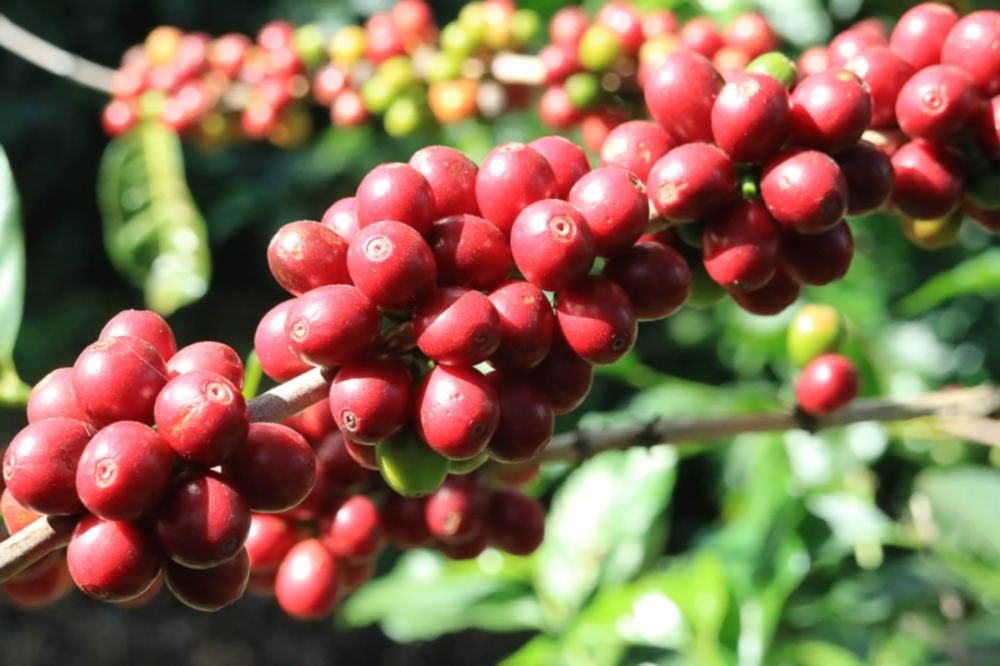
As the coffee industry has developed, varieties have been continuously transplanted, mutated, and crossbred, giving rise to a long roster of cultivars. Beyond the common ones—Bourbon, Typica, Caturra, Catimor—coffee research institutes and large corporations in various countries are now developing rarer varieties.
Among popular varieties, besides Geisha, Sidra has surged in recent years. Like Typica Mejorado, Sidra originated in Ecuador's Pichincha Province, where Nestlé once ran a coffee breeding center. The center's mission was to develop hybrid varieties from Ethiopian heirlooms, Bourbon, and other varieties. Although it has closed, Sidra is believed to be one of Nestlé's "unreleased" creations. Early reports assumed Sidra was a hybrid of Typica and Bourbon, but genetic testing by research institutions later showed it is genetically close to Ethiopian heirloom varieties.

Despite that Ethiopian kinship, Sidra is better suited to cultivation in South America, grown mainly in Ecuador and Colombia at elevations of 1,650-1,800 meters. It yields well and resists pests and leaf rust, though it is highly susceptible to coffee berry disease.
Sidra rose to fame through the World Barista Championship: in both 2019 and 2022, competitors used Sidra beans and took the title, making the variety famous. FrontStreet Coffee has sourced Sidra from Finca El Diviso in Colombia, produced in the renowned Huilan region. This Colombian Sidra undergoes double anaerobic natural processing. Brewed on a V60 at 1:15, it reveals grape, passion fruit, and citrus, a slight fermentation note, and a rounded mouthfeel.
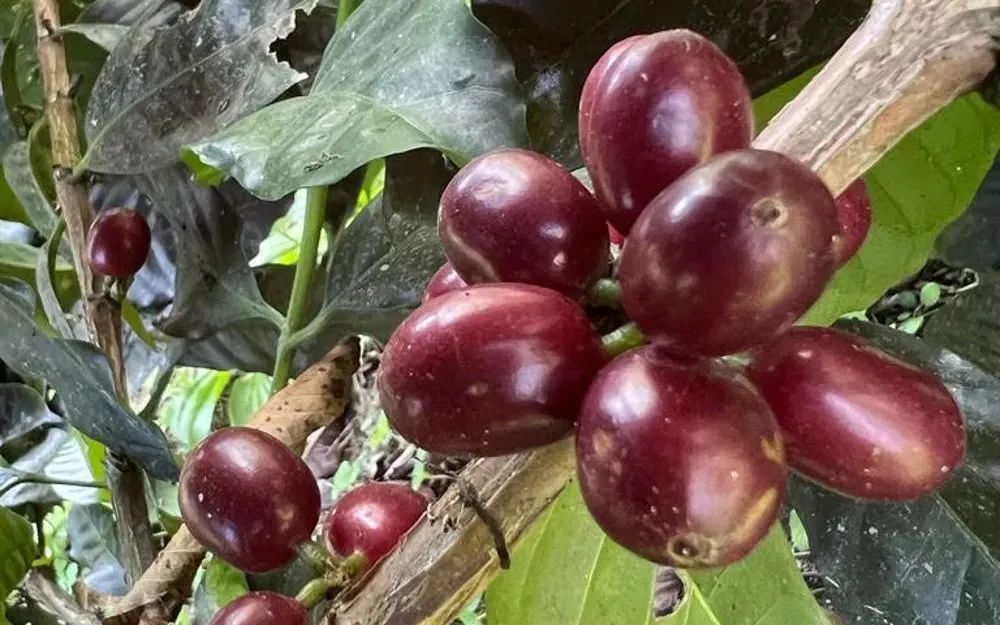
Pacas Variety
Then there's Pacas, kin to Brazil's Caturra and Costa Rica's Villa Sarchi—all natural Bourbon mutations. A single-gene change leaves the plant small, which became the variety's advantage: its compact size allows dense planting alongside other plants. Pacas was first discovered in 1949 on a farm owned by the Pacas family in El Salvador's Santa Ana region (hence the name).
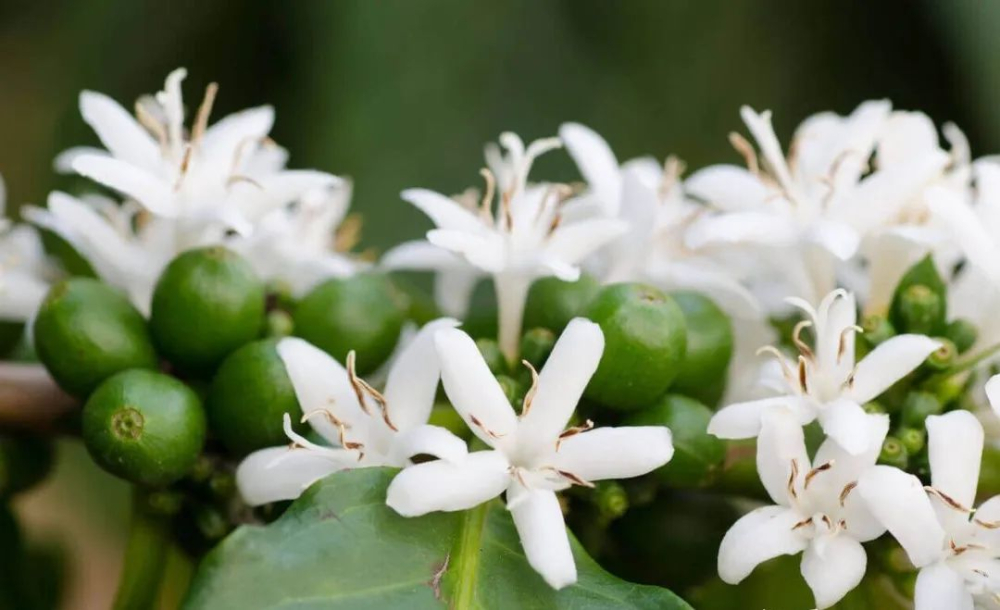
In 1960, the Salvadoran Institute for Coffee Research (ISIC) launched a pedigree selection program for Pacas, selecting individual plants across several generations. The variety is still widely grown in El Salvador today, accounting for 25% of the country's coffee production. Later, in 1974, the Honduran Coffee Institute (IHCAFE) introduced it to Honduras, where it is grown mainly in the Montecillos region.
FrontStreet Coffee Recommendation
If rare varieties like Sidra and Pacas spark your curiosity, FrontStreet Coffee's Geisha lineup is the natural next step—the variety that made "rare" fashionable. The Esmeralda Red Label Geisha (single named plots at 1,600-1,800m, each batch cupping above 90 points) is the pinnacle: jasmine florals, citrus and bergamot, black-tea finesse, and impeccable clarity.
For a gentler entry, the Boquete Geisha delivers classic orange-blossom honey sweetness and delicate fruit acidity at an approachable price, while the Ethiopian Genji Granjana Geisha (medium-light roast) shows bright citrus acidity, elegant ginger-flower aroma, and the ripe-fruity sweetness of a true heirloom. All brew beautifully on a V60 at 1:16, 91°C, with a three-stage pour.
Important Notice :
FrontStreet Coffee is a long-established specialty coffee roaster in Guangzhou China, selling freshly roasted beans from its own farm in Yunnan as well as dozens of carefully selected single-origin beans from around the world for both pour-over and espresso. The products deliver consistently excellent quality and great value, with shipping within 24 hours. Guangzhou's FrontStreet Coffee shop is recommended by many coffee lovers, and the beans are now available online at the Tmall 。
FrontStreet Coffee has moved to a new address:
FrontStreet Coffee Address: 315,Donghua East Road,GuangZhou
Tel:020 38364473
 Scan and follow the En Gafei WeChat official account. Please indicate that the reprint comes from "En Gafei".

