
The Differences Between Flannel Drip Coffee and Regular Pour-Over Coffee, the History of Flannel Filter Cloth, and What Are the Characteristics of Flannel?
Flannel Drip Coffee vs. Regular Pour-Over: The History of the Cloth Filter and What Makes It Different
The flannel filter is practically a symbol of traditional Japanese coffee brewing. In books and in videos, we constantly see the same image: a barista holding the cloth filter in the left hand and the pot in the right, brewing with total concentration.
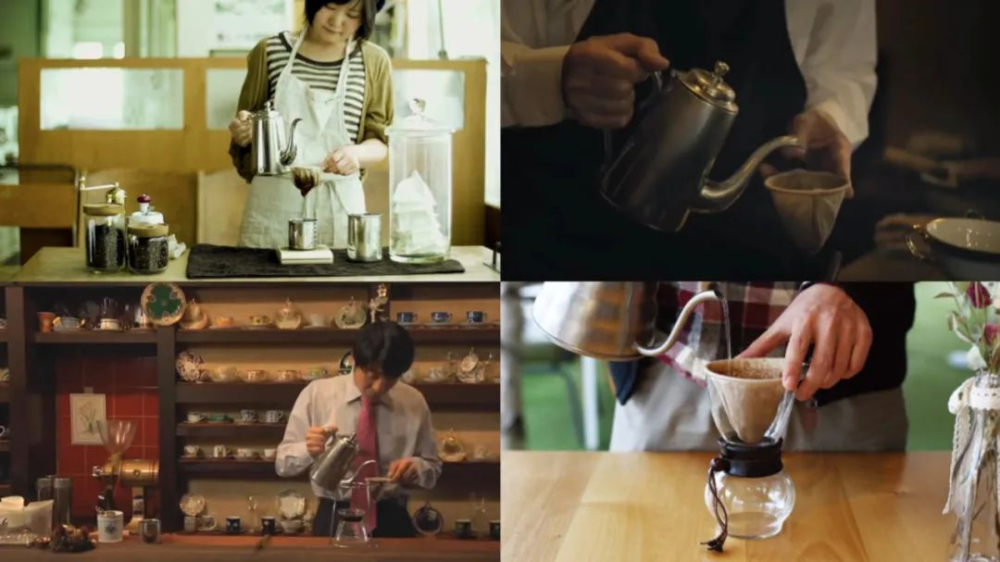
That posture invites a question. What is it about this cloth that holds people so completely? Does coffee brewed through it really taste better than coffee brewed through paper?
History of the Flannel Filter
Flannel fabric first appeared in France, but the original flannel was not the material we know today — it was made from wool. Only later, after cotton emerged, did flannel come to be woven from coarse wool. The French generally used flannel as a cover for containers. When it reached Japan, brewers already eager to study extraction methods recognized its filtering properties, and the tradition of brewing through flannel was born.
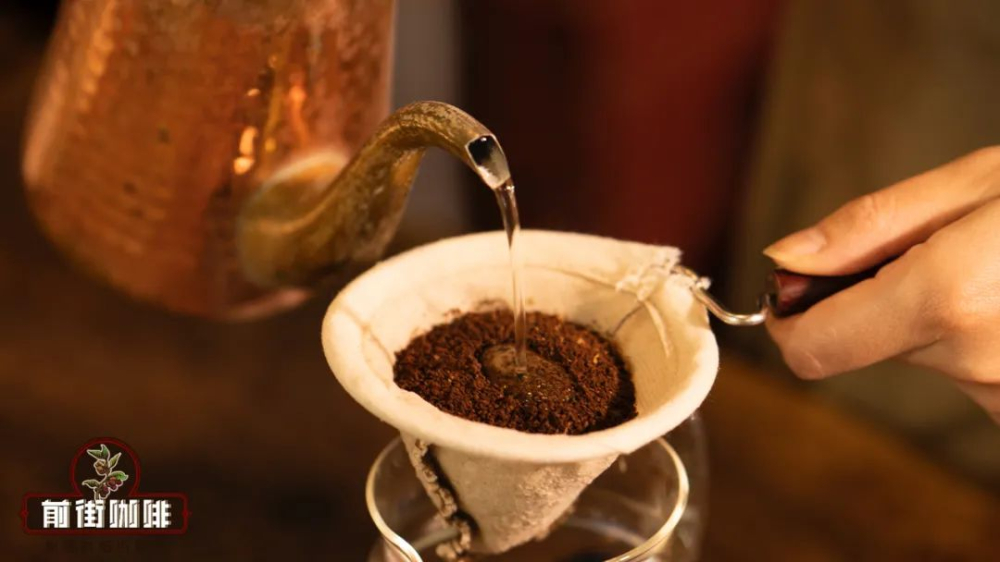
Even in the modern era, when paper filters dominate, the Japanese still brew with flannel. Clearly it can do something paper cannot.
What Makes Flannel Different
Start with paper filters. First, they are affordable: a pack of 100 usually costs around 30-40 yuan, which works out to about 0.3-0.4 yuan per filter. Second, they filter superbly. Coffee brewed with paper has no residue and no grit — it is cleaner than coffee from any other filtering method.
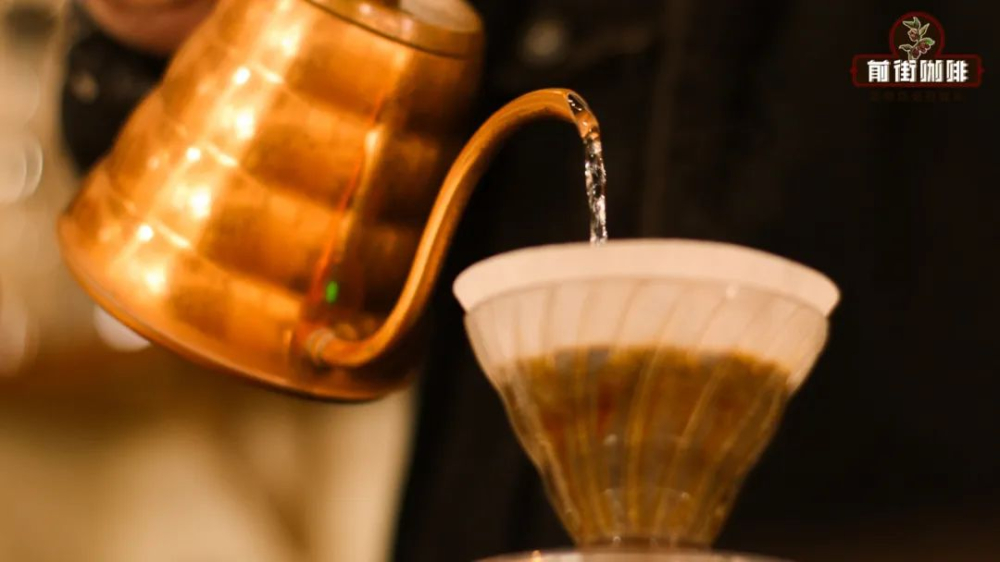
The first point does not really apply here, since this is about brewing rather than price. And although flannel is more expensive, it can be reused again and again as long as it is cleaned properly. So the real difference is filtration. Because flannel is woven from cotton, its gaps are far larger than paper's, which lets oils and other insoluble solids pass through into the lower pot. Paper cannot do this. So what do those solids change once they reach the pot?
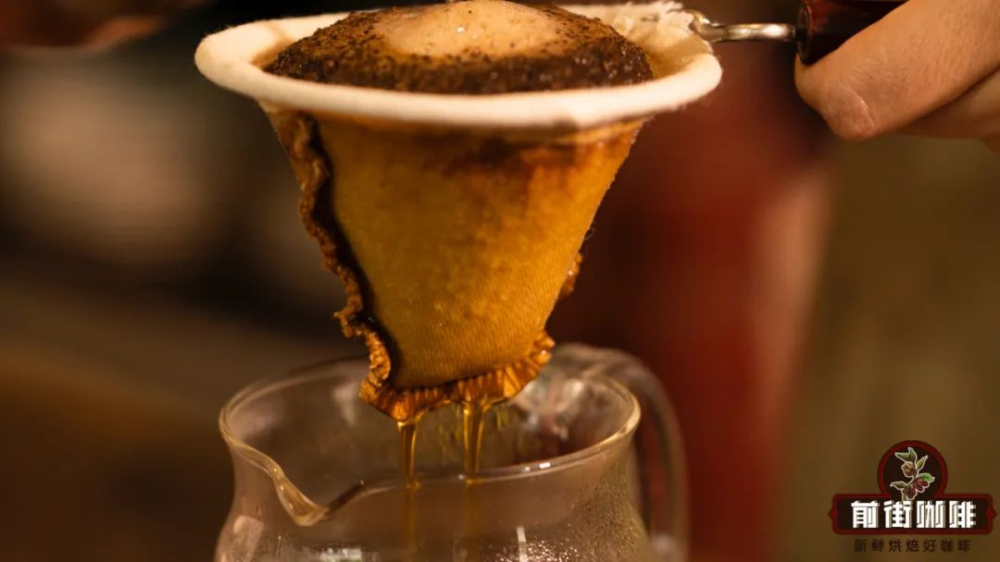
They increase the body of the coffee. In Japan, where dark-roasted coffee is the norm, body is a defining quality of the style, and flannel delivers exactly that advantage. Flannel brewing also demands patience. In the past, almost all beans were dark roasted and therefore highly prone to over-extraction, and most brewing variables could not be measured — water temperature, liquid weight, none of it. Brewers had to concentrate completely and control everything by eye: the height of the pour, the flow rate, the weight of coffee in the pot. A method that asks for total dedication to produce one good pot fits the Japanese spirit of craftsmanship perfectly, which is why the two became inseparable.
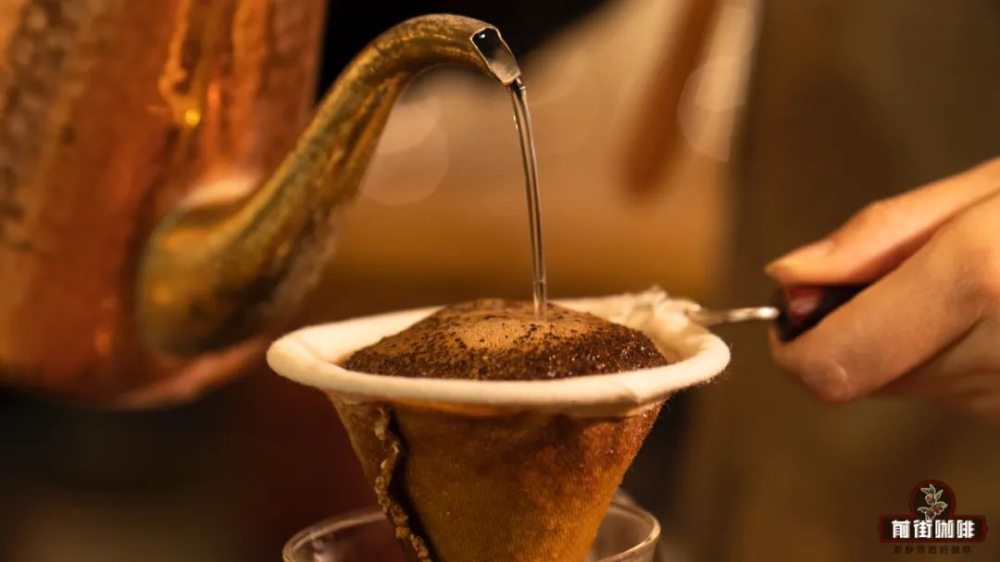
Almost every coffee shop took up the flannel filter, and customers who watched the highly visual, craft-driven process were captivated. When they went home, they began using flannel too. Word spread, and cloth filters became common across Japan — until drippers and paper filters rose to prominence and the share of flannel gradually declined.
How to Brew with a Flannel Filter
First, decide whether to hold it by hand. If you want the traditional Japanese experience, holding it by hand is essential. If you would rather spare your arm, a stand works fine, though it costs you flexibility.
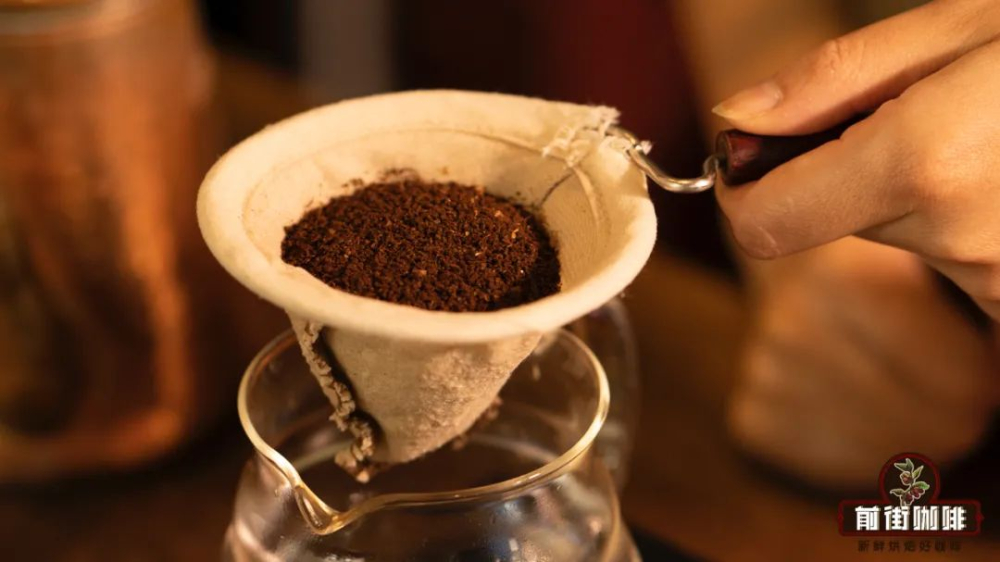
For bean selection, flannel extracts light roasts with difficulty, so dark roasts are generally preferred. To avoid over-extraction, grind somewhat coarser, around 60-65% passing a #20 sieve. Second, because flannel's gaps are much larger, drainage is faster. You therefore have to guard against two things at once: the bitterness of over-extraction from brewing too hot, and the thinness of under-extraction from water moving too fast.
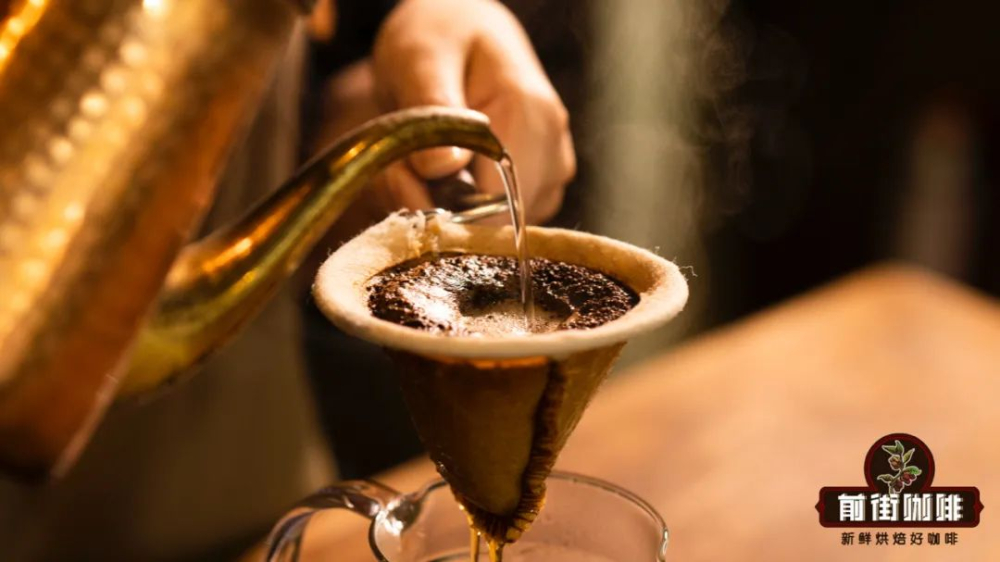
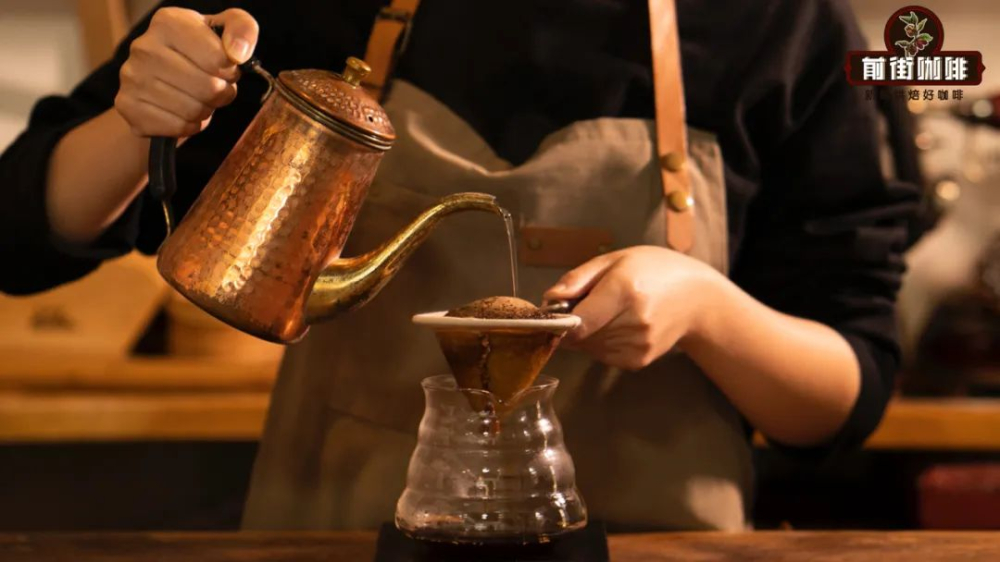
Flannel brewing therefore uses more grounds, then extracts them with a small volume of hot water and a fine stream to extend contact time, raising concentration without producing over-extracted bitterness — high concentration, low extraction. A single-serve cloth typically takes about 20-25 g of grounds, with water at around 88°C. Because a hand-held flannel brew cannot measure the coffee-to-water ratio, brewers generally calculate a coffee-to-brewed-liquid ratio instead of a coffee-to-water ratio. For hand-held flannel that ratio is 1:10, which converts to a coffee-to-water ratio of 1:12. During brewing, start with a small amount of hot water for the bloom, then keep pouring into the center with a slow, fine stream in small circles until the liquid in the lower pot reaches the target weight, then remove the cloth — the brew is finished.
One important habit: disinfect and clean the cloth both before and after brewing. Cleaning before brewing removes off-flavors clinging to the cloth; cleaning after brewing lets it be reused. The usual method is to boil it in water for about five minutes, rinse it in cold water, and wring it dry.
FrontStreet Coffee Recommendation
Cloth filters reward the same beans that suit traditional Japanese brewing: darker roasts with real body. FrontStreet PWN Golden Mandheling is a natural fit. Deep roasted and low in acidity, it is full-bodied and long on the finish, with herbal and dark chocolate aromas and a faint earthy note — the kind of heavy, low-acid cup flannel was made for.
FrontStreet Jamaica Blue Mountain No.1 is the more refined option. Grown in the certified Blue Mountain range, where high-altitude mist, volcanic soil, and a mild climate let the fruit ripen slowly, it balances acidity, sweetness, bitterness, and aroma, opening into cream, caramel, chocolate, nuts, and honey with a clean, lingering finish. Roasted medium-dark, it performs well in a cloth filter, a moka pot, or as espresso.
For a rounder, sweeter everyday cup, FrontStreet Brazil Queen Estate brings low acidity, bright balance, and pronounced nut and cocoa aromas with clear caramel sweetness — smooth and never harsh. And if you want blue-mountain-like character at a gentler price, FrontStreet Papua New Guinea Bird of Paradise uses the same Typica variety as Blue Mountain, grown at 1,600-1,800 meters on volcanic soil and processed with a triple washed fermentation for a clean, sweet, low-acid cup.
Important Notice :
FrontStreet Coffee is a long-established specialty coffee roaster in Guangzhou China, selling freshly roasted beans from its own farm in Yunnan as well as dozens of carefully selected single-origin beans from around the world for both pour-over and espresso. The products deliver consistently excellent quality and great value, with shipping within 24 hours. Guangzhou's FrontStreet Coffee shop is recommended by many coffee lovers, and the beans are now available online at the Tmall 。
FrontStreet Coffee has moved to a new address:
FrontStreet Coffee Address: 315,Donghua East Road,GuangZhou
Tel:020 38364473
 Scan and follow the En Gafei WeChat official account. Please indicate that the reprint comes from "En Gafei".

