
Why is the Bloom Time for Pour-Over Coffee 30 Seconds? How is Bloom Time Calculated? Does Bloom Count as a Brewing Stage?
Understanding Coffee Bloom: The Essential First Step in Pour-Over Brewing
Bloom is the preparatory step that happens just before the main extraction in pour-over brewing.
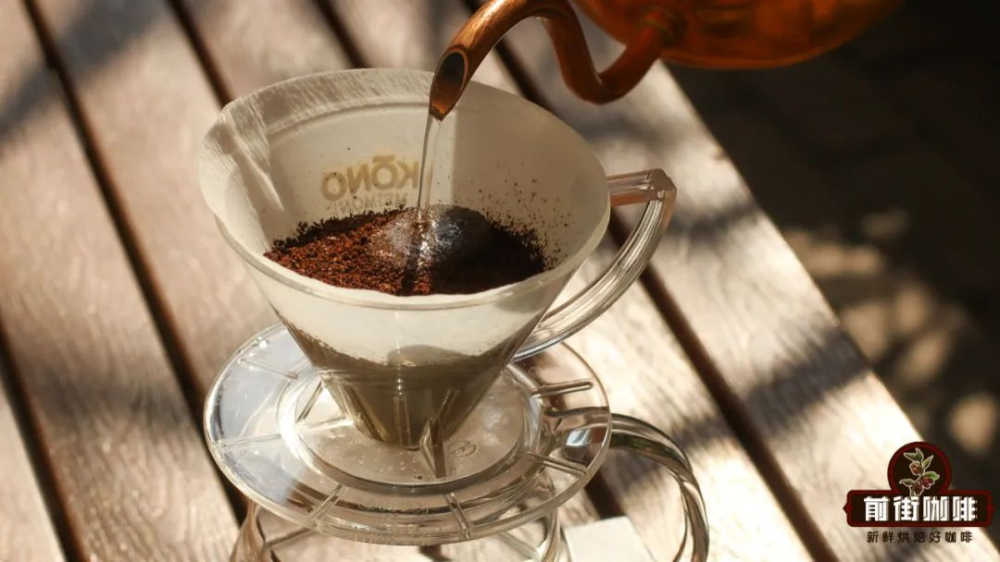
Many experienced enthusiasts have gone deep into the details of water volume, timing, and pouring technique, and over time they have settled on a forgiving, widely applicable bloom formula: use twice as much water as coffee, so 30g of hot water for 15g of coffee; pour in an even circular motion to form a tidy "hamburger" shape; and let it bloom for 30 seconds.
So where does that 30-second figure come from? Does the length of the bloom actually affect extraction? To answer these questions, we have to begin with why we bloom at all.

The Science Behind Coffee Bloom
Once coffee beans are roasted, they store a large amount of carbon dioxide inside their structure. When hot water first meets the grounds, it needs to drive that internal gas out in an orderly way so there is room for water to enter and extract flavor. Otherwise, the carbon dioxide bubbles keep rising and block the soluble substances from leaving the particles. The coffee that results often shows classic extraction faults: a thin texture, a watery mouthfeel, and a weak aroma.
For this reason, blooming is not only about letting carbon dioxide escape first. It also "awakens" the soluble substances in the coffee so that the main extraction that follows can be controlled more precisely.
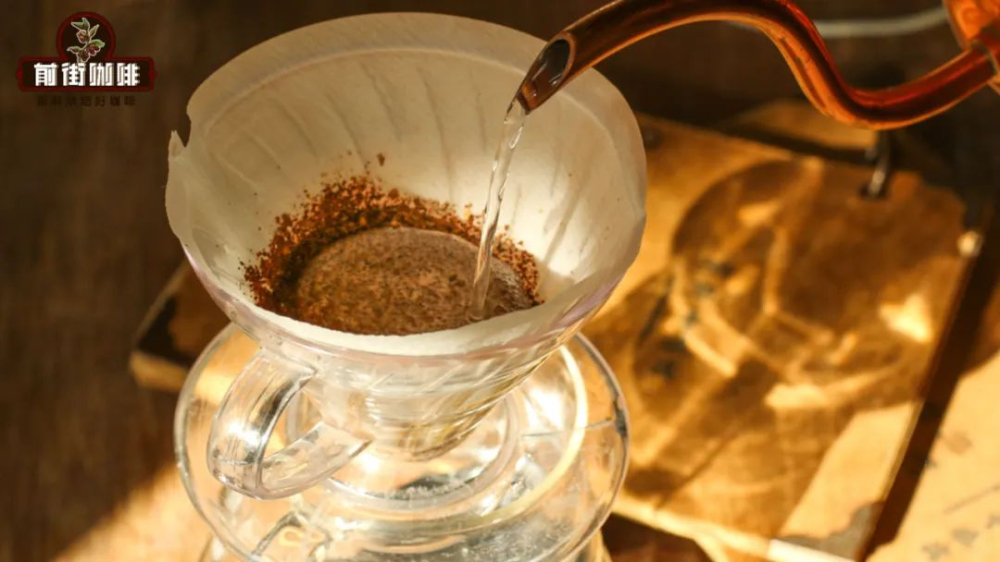
Key Parameters for a Perfect Bloom
In other words, to reach a more ideal extraction we need to deliver enough water at once and then wait briefly for that water to work its way into the coffee particles. That leads to two key parameters: how much bloom water to use, and how long the bloom should last.
It turns out that coffee grounds can absorb only about twice their own weight in water. Any excess cannot take part in extraction; it simply flows into the vessel below under gravity. Too little water fails to wet the whole bed, leaving dry patches and an incomplete bloom. That is why brewers adopted the easy-to-remember, conservative approach of blooming with twice the water.
Timing and Visual Cues
The bloom begins the moment water touches the grounds, usually counted from the moment you start the timer. Because beans of different roast levels and freshness hold different amounts of gas and absorb and release it at different rates, the bloom time has to follow the actual degree of gas release. In general there are three outcomes: an insufficient bloom, an appropriate bloom, and an over-bloom.
An insufficient bloom happens when the brewer does not give the grounds enough time to release gas, so a large amount of gas keeps escaping during the brewing that follows, which easily causes extraction problems.
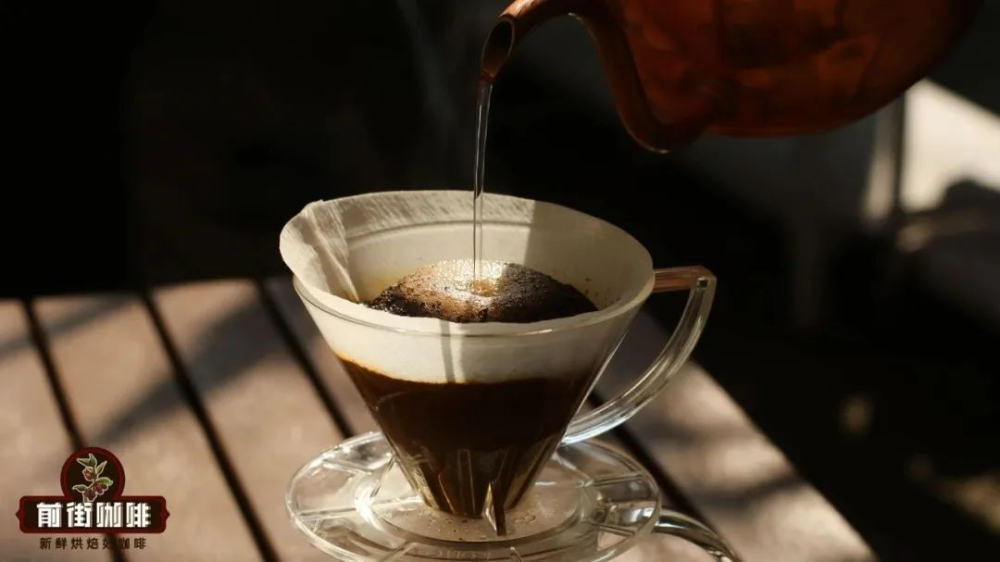
An over-bloom is the opposite. Because you waited too long, the gas has long since been expelled. With most of the water already drained into the lower vessel, the "dome" goes dry and holes open up between the coffee particles. When water is added to an over-bloomed bed, it first cuts a deep hole, and only then does foam slowly appear. Coffee brewed this way often carries bitter and muddled off-flavors.
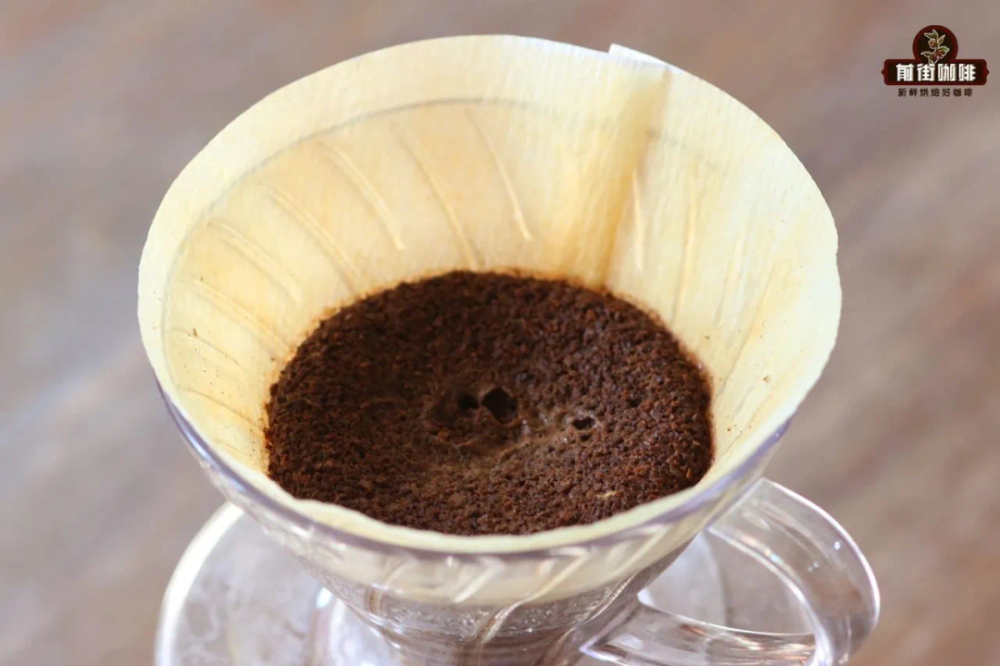
Achieving the Perfect Bloom
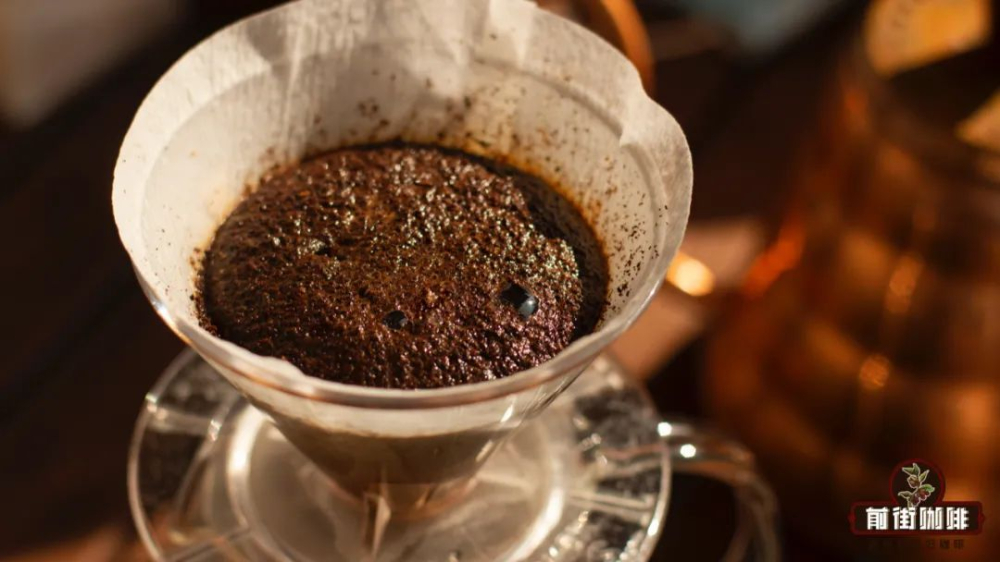
After the bloom pour is done, the swollen "hamburger" should look moist and glossy. When the bed stops releasing gas, begins to dry out, and small holes start to appear, blooming is nearly finished and the main pour can begin. A proper bloom, then, is a process that lasts several seconds and can be judged by eye; it does not refer to one specific instant.
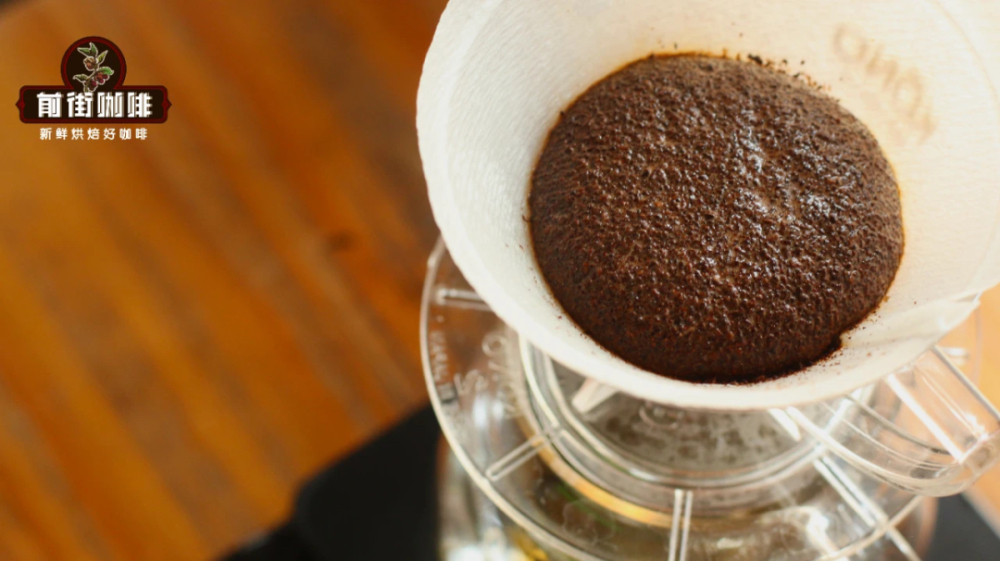
Looking across most beans, gas release is largely finished around 30 seconds, and going much longer tends to produce an over-bloom. So for beginners, or when brewing a certain bean blind for the first time, 30 seconds is the most conservative bloom parameter and a reliable way to land a delicious cup. Once you have a feel for the extraction principles, you will be able to decide when to stop simply by watching how the bloom behaves, and you will no longer be bound by the number at all.
- END -
FrontStreet Coffee
10 Bao'an Qianjie, Yandun Road, Dongshankou, Yuexiu District, Guangzhou, Guangdong Province

FrontStreet Coffee Recommendation
Since a good bloom is really about giving aromatic, freshly roasted beans room to open up, it pays to start with coffees that have something worth releasing. FrontStreet Panama Emerald Estate Red Label Geisha is the benchmark for that, with an elegant jasmine top note and a delicate, transparent cup of citrus, bergamot, and black tea, grown between 1,600 and 1,800 meters and cupped at 90 points or above.
If you want that floral elegance in a more everyday form, FrontStreet Strawberry Sugar is a blend of Costa Rican honey-processed coffee and Panamanian Geisha; it lifts a fine floral aroma alongside sweet fruit and works just as well in a pour-over as it does in a moka pot or an espresso machine.
For a rounder, low-acid counterpoint, FrontStreet Brazil Queen's Estate keeps acidity gentle and layers concentrated nut and cocoa aromas over clear caramel sweetness, with a smooth, bitter-free finish. Any of these three rewards the same patient, even bloom.
Important Notice :
FrontStreet Coffee is a long-established specialty coffee roaster in Guangzhou China, selling freshly roasted beans from its own farm in Yunnan as well as dozens of carefully selected single-origin beans from around the world for both pour-over and espresso. The products deliver consistently excellent quality and great value, with shipping within 24 hours. Guangzhou's FrontStreet Coffee shop is recommended by many coffee lovers, and the beans are now available online at the Tmall 。
FrontStreet Coffee has moved to a new address:
FrontStreet Coffee Address: 315,Donghua East Road,GuangZhou
Tel:020 38364473
 Scan and follow the En Gafei WeChat official account. Please indicate that the reprint comes from "En Gafei".

The Differences Between Flannel Drip Coffee and Regular Pour-Over Coffee, the History of Flannel Filter Cloth, and What Are the Characteristics of Flannel?
