The Origin and Introduction of Catimor Coffee Variety and Yunnan Small-Bean Catimor
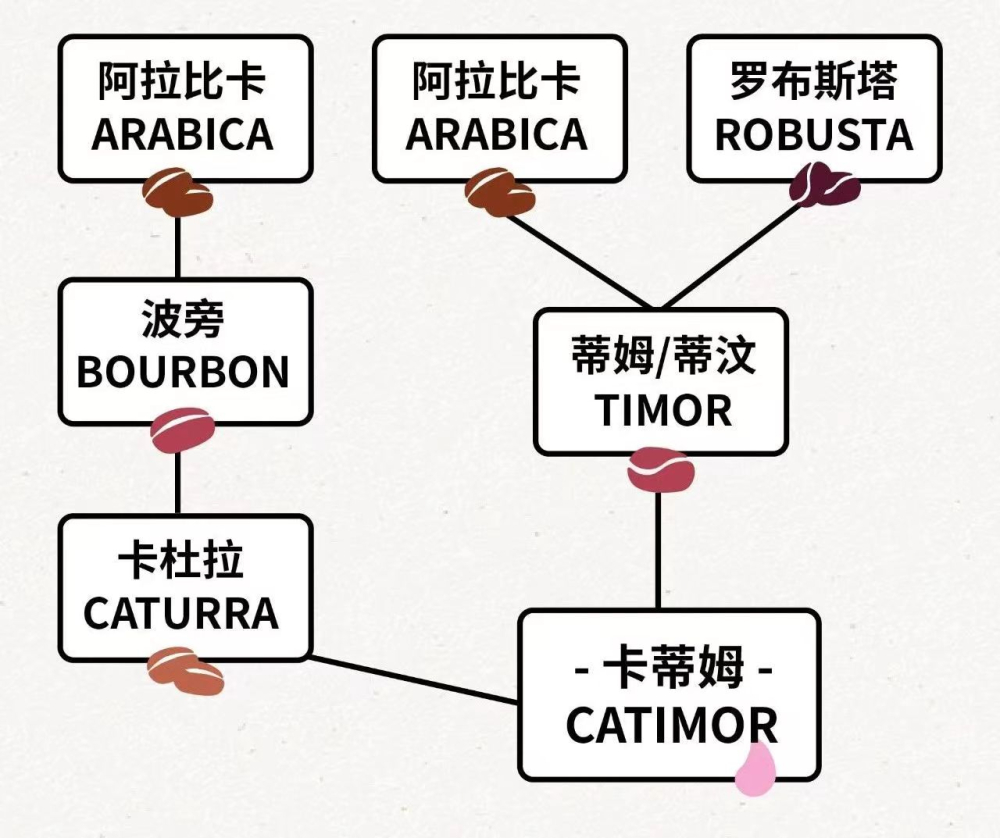
Coffee varieties fall into three major categories: Arabica, Robusta, and Liberica. As the coffee industry developed, countless varieties emerged through transplantation, mutation, and crossbreeding — well-known names like Caturra, Catuai, and Catimor are all products of mutation and hybridization. Having already covered Bourbon, Caturra, and Catuai, today FrontStreet Coffee turns to Catimor, an artificially hybridized variety born to fight leaf rust.
The Spread of Coffee and the Leaf Rust Crisis
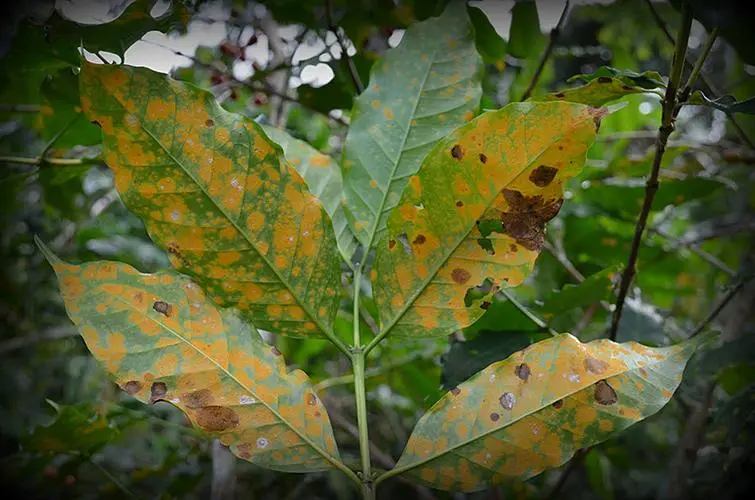
Over several centuries coffee cultivation spread across the globe, but every plant has its "regional adaptability." Uprooted from native habitats and moved to new countries, plants need time to adapt — and that process is not always smooth. In 1869, leaf rust began invading Arabica plantations, striking Asia first: estates in India, Java (Indonesia), and Sri Lanka, where Typica dominated.
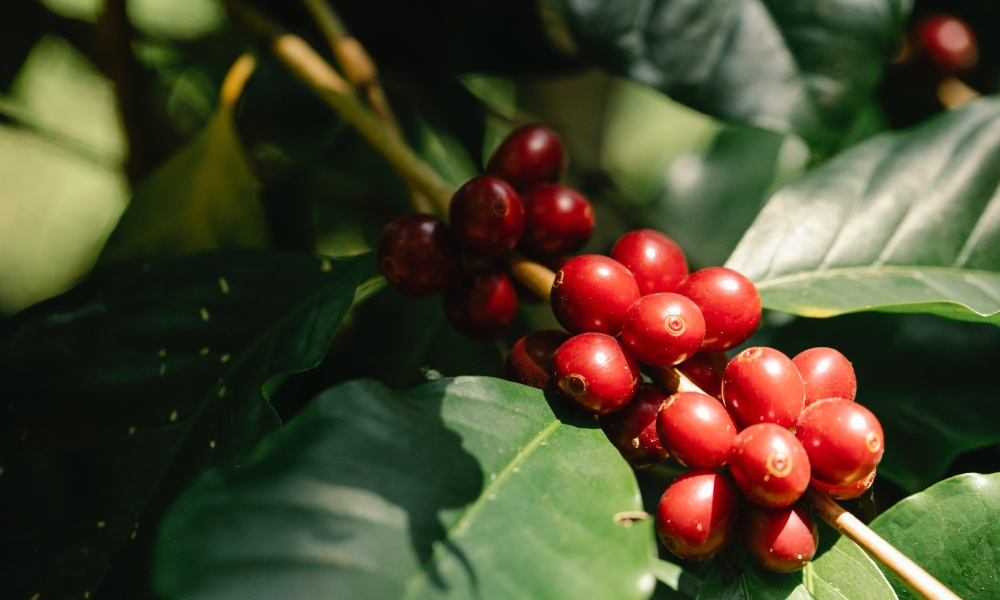
Watching Asian plantations be devastated, Europeans sought preventives by introducing new varieties — which led them to Bourbon. The French brought Bourbon from Reunion Island to Brazil, and by 1870 Brazilian plantations had switched to Bourbon on a massive scale. Adapting to the American climate, Bourbon mutated into Caturra, and by 1950 Bourbon planted in Costa Rica had also produced the Villa Sarchi mutation. When leaf rust reached the Americas in 1970, it attacked Typica, Bourbon, and their variants all the same, slashing production across coffee countries and inflicting heavy economic losses. Botanists worldwide set about breeding disease-resistant varieties through scientific hybridization.
The Birth of Catimor
In 1920, the Timor Hybrid appeared on Timor Island — a natural Arabica-Robusta cross. Classified as an Arabica plant, it nonetheless carried Robusta's disease-resistance genes. Timor was then crossed with Caturra, producing the F1 hybrid group now known as Catimor.
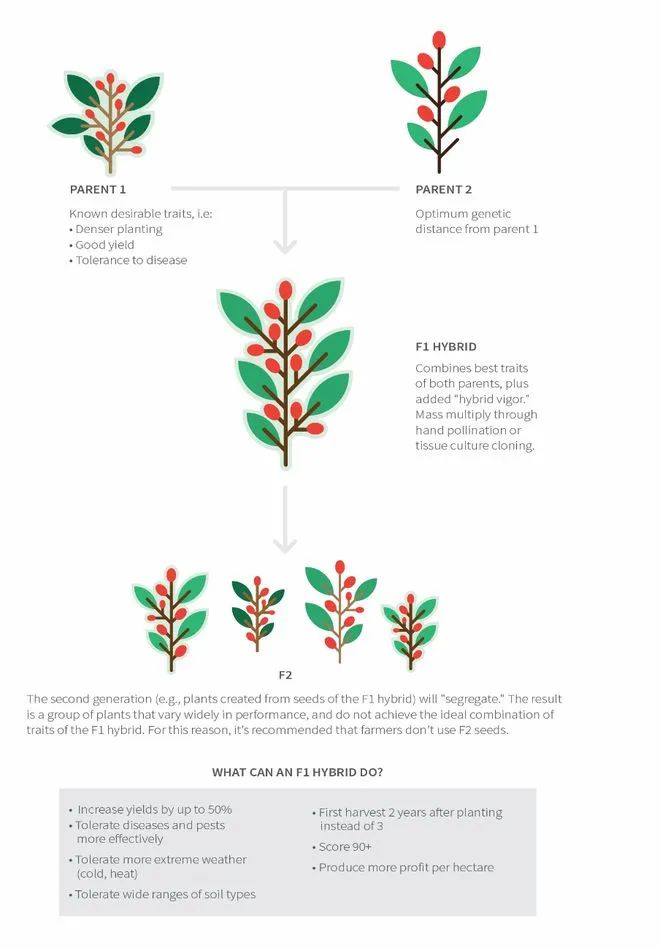
Catimor is merely the first-generation hybrid of Caturra and Timor, coded T8667, and further selection and breeding were needed to stabilize its traits. Catimor is therefore not a single variety but a family of related varieties. Timor was also crossed with another Bourbon variant to create the Sarchimor group, coded T5296, suited to altitudes of roughly 700–1,000 meters. As new varieties offering high yield, disease resistance, and tolerance of warm low-altitude climates, they spread rapidly through the Americas. From the late 1980s onward, coffee laboratories in various countries began developing their own Catimor sub-varieties.
Catimor Varieties by Country
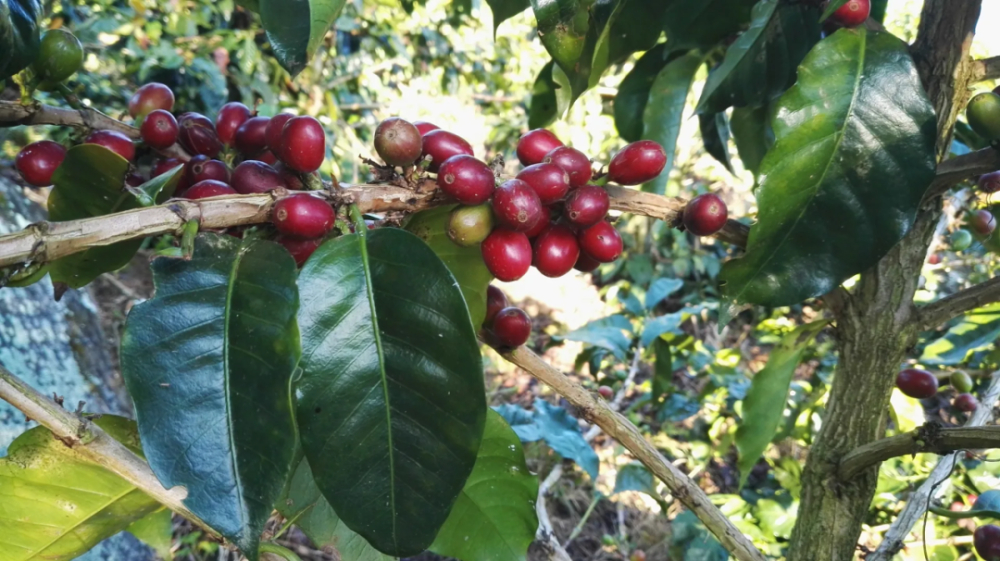
Costa Rica
T8667 and T5175 are F5 descendants selected from the Portuguese H26 material introduced by Costa Rica's Tropical Agricultural Research and Higher Education Center (CATIE) — the "T" refers to the institute's home in Turrialba. Another variety, Costa Rica 95, was developed by the Costa Rican Coffee Institute (ICAFE) and released in June 1995.
Honduras
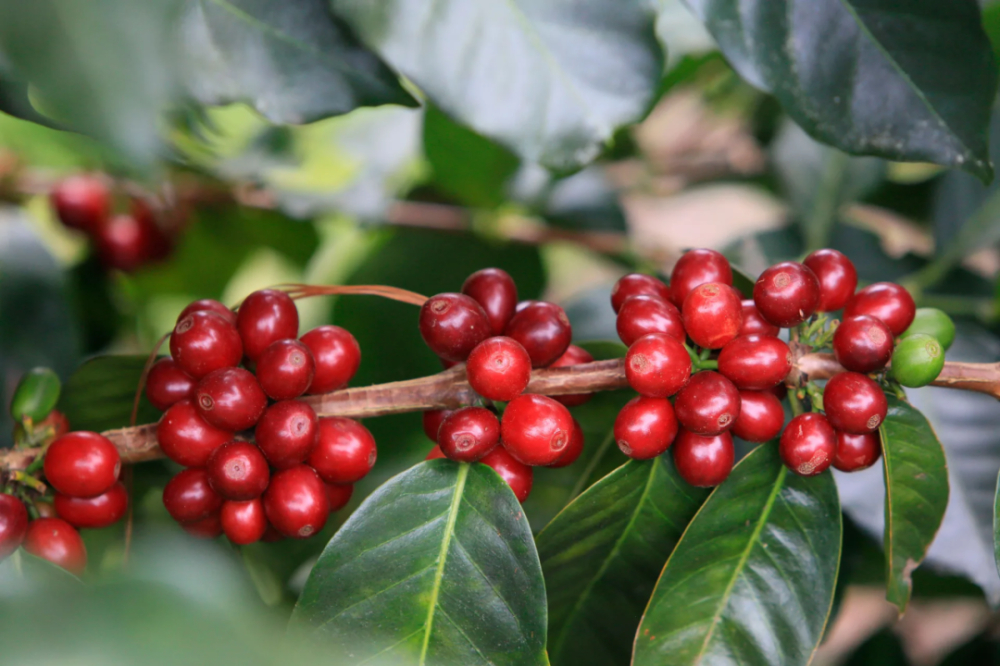
The Catimor developed by the Honduran Coffee Institute (HCAFE) is called Lempira, which grows at 600–1,000 meters.
El Salvador
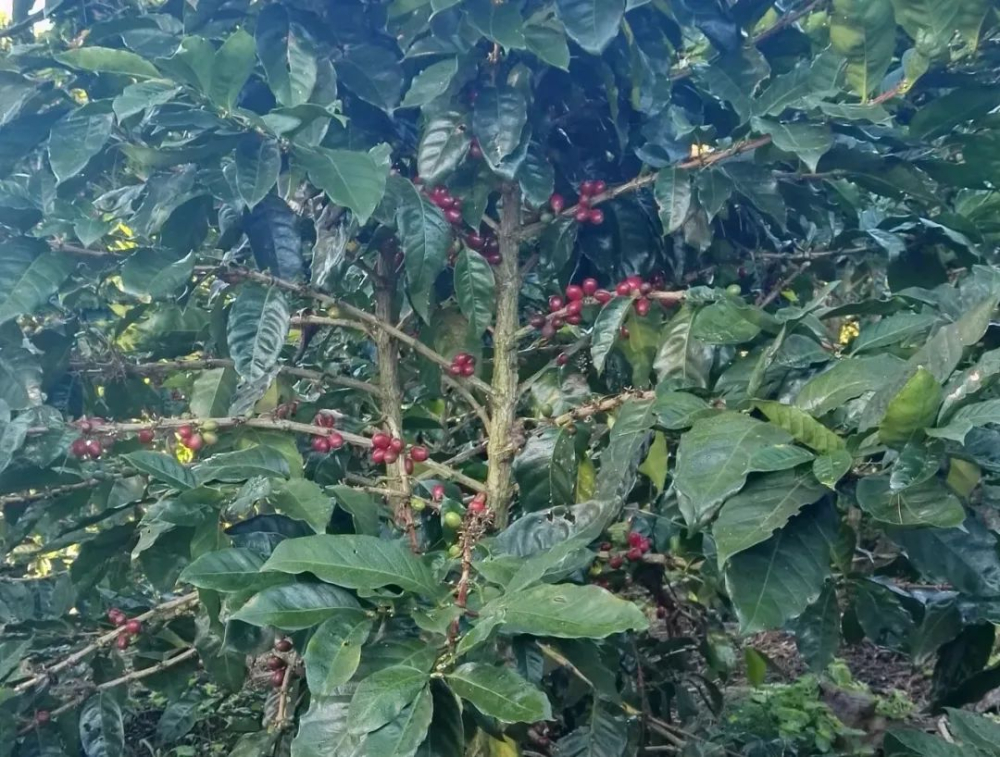
Developed by the Salvadoran Coffee Research Institute (ISIC), Catisic can be planted in acidic soils at 600–1,200 meters.
Yunnan, China
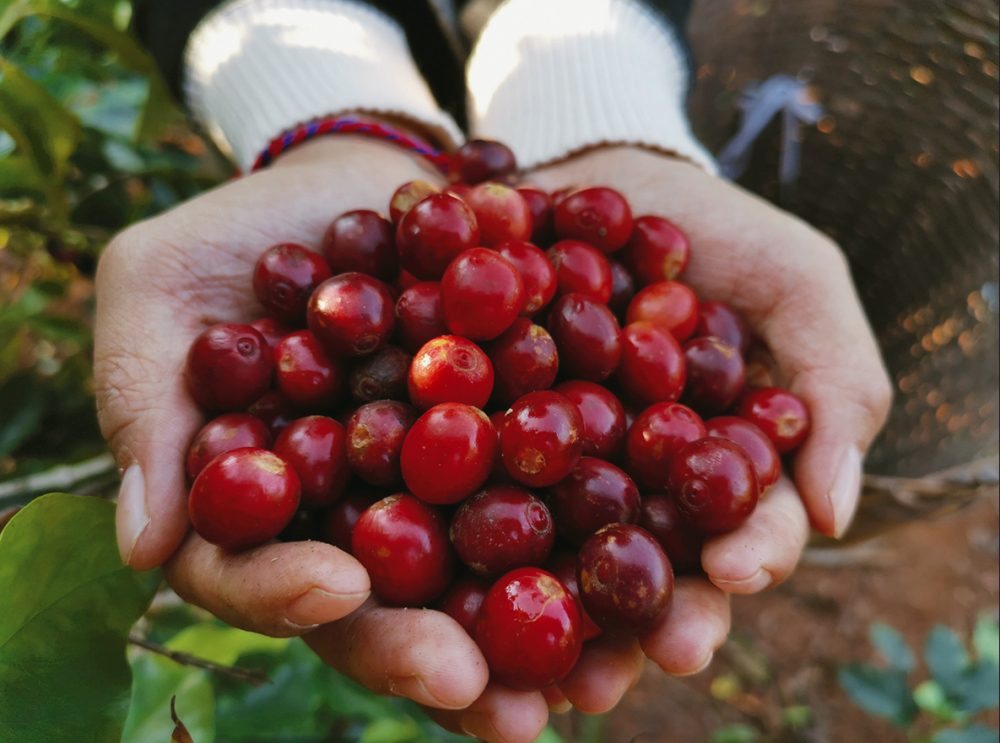
Before the 1960s, most of the small-bean coffee in Yunnan belonged to two old varieties: Typica and Bourbon. From the 1970s and 1980s onward, major producing regions worldwide suffered leaf rust outbreaks, and growers everywhere searched for solutions. In 1990, driven by the foreign company Nestle, Yunnan introduced Catimor varieties from Central and South America — better disease resistance, higher yields — to replace the "unprofitable" Typica trees. Catimor cultivation in Yunnan scaled up rapidly, with production rising year after year. But its flavor was unremarkable, and Yunnan farmers' green-bean processing at the time was not sophisticated. Whole lots were often sold cheap, ending up as components of commercial blends or instant coffee formulas.
Characteristics of Catimor
As an Arabica-Robusta combination, Catimor inherits from both sides. The plants are short and compact with many branches, allowing dense planting without shade. It resists leaf rust strongly and tolerates common coffee berry diseases, which helps raise fruit set. The fruit also ripens faster than other varieties, naturally driving yields higher.
Its partial Robusta heritage brings flavor defects too. Grown at low altitudes, Catimor tends toward bitterness, and careless processing can add harsh astringency and musty notes. Even at 1,200 meters its aroma lacks richness, and in many competitions it cannot match pure Arabica varieties like Caturra and Catuai. FrontStreet Coffee finds that Catimor grown in Yunnan offers balanced flavors of nuts, brown sugar, and plum.
FrontStreet Coffee Recommendation
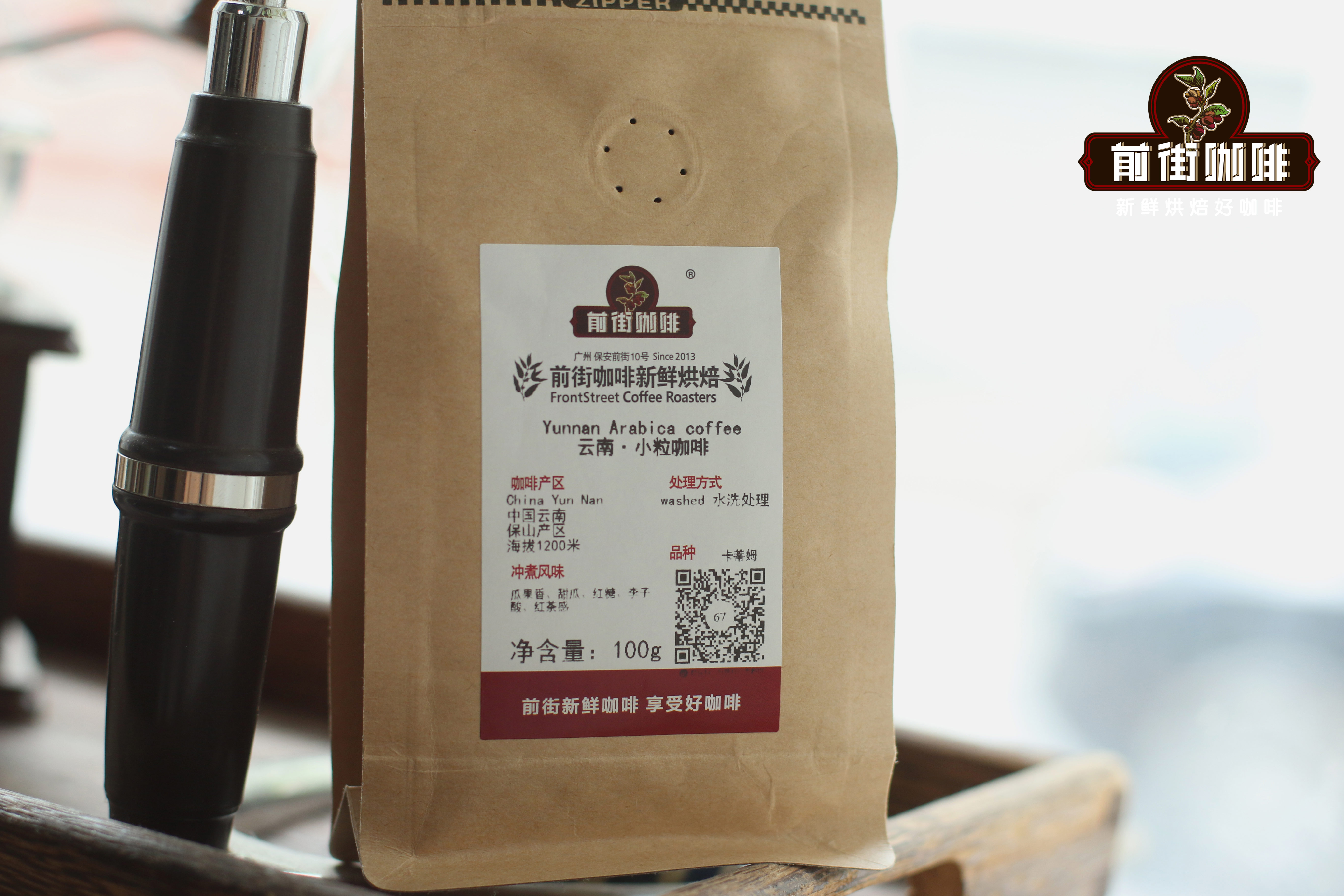
To taste what Yunnan Catimor can be, start with the FrontStreet Yunnan Baoshan small-bean coffee: washed and medium roasted, it shows gentle nut and chocolate sweetness with a light plum acidity — an affordable first encounter with Chinese Arabica, grown in Baoshan's dry-hot river valley where big day-night temperature swings build the region's signature returning sweetness.
For clearer definition, the FrontStreet 2013 Yunnan Natural Typica comes from FrontStreet's own estate, planted in 2013 to reconnect with the Typica that French missionaries first brought to Yunnan in 1904. Only fully ripe red cherries are natural-dried, then medium roasted: dark berry tones, caramel sweetness, chocolate, a hint of dried apricot, and a black-tea finish. And for an espresso take on Yunnan, the FrontStreet Black Cocoa Blend pairs Yunnan small-bean with Brazil Cerrado — nuts and balance from Brazil, chocolate and citrus from Yunnan — making an Americano with balanced sweet-sour-bitter notes and a latte as smooth as almond cream.
Important Notice :
FrontStreet Coffee is a long-established specialty coffee roaster in Guangzhou China, selling freshly roasted beans from its own farm in Yunnan as well as dozens of carefully selected single-origin beans from around the world for both pour-over and espresso. The products deliver consistently excellent quality and great value, with shipping within 24 hours. Guangzhou's FrontStreet Coffee shop is recommended by many coffee lovers, and the beans are now available online at the Tmall 。
FrontStreet Coffee has moved to a new address:
FrontStreet Coffee Address: 315,Donghua East Road,GuangZhou
Tel:020 38364473
 Scan and follow the En Gafei WeChat official account. Please indicate that the reprint comes from "En Gafei".