
Why Do Pour-Over Coffee and Cold Brew Coffee Taste So Different?

Pour-over and cold brew are two of the easiest ways to enjoy single-origin coffee day to day. Just yesterday a friend put a question to FrontStreet Coffee about exactly this pairing: "I used the same beans to make both pour-over and cold brew — why do they taste so different?"

Great question. Before answering, FrontStreet Coffee brewed up both a pour-over and a cold brew using the same beans. Let's start by comparing how they actually taste.
The Side-by-Side Comparison
Pour-over coffee comes in both hot and cold variations. Cold brew made through pour-over-style extraction tastes weaker than its hot counterpart, but their overall characters aren't wildly different — so this experiment focuses on the hot version.
Bean used: Kenya Assalia, flavor notes of dark plum, cherry tomato, and pear.
Pour-over parameters: 20g of coffee, 1:15 ratio, EK43 at setting 10 (60% pass-through on a #20 sieve), 92°C water, three-stage pour, total brew time of 2 minutes 2 seconds.
Cold brew parameters: 20g of coffee, 1:12 ratio, 23°C water, 8 hours of steeping.
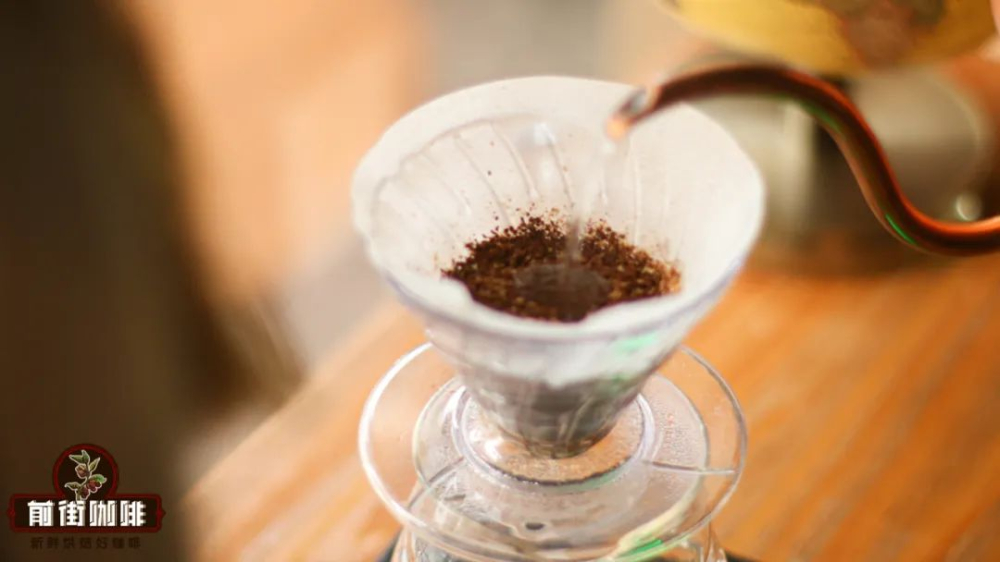
The pour-over Kenya showed a more vibrant acidity: the sweet-tart flavors of dark plum and cherry tomato came through directly, with clearly defined layers, a sweet aftertaste, and an overall very clean cup. The cold brew Kenya was gentler — its sweet and sour elements more balanced, with dark plum, cherry tomato, and brown sugar blending into one another. The texture was smoother and the layers less distinct, with a slightly fermented note in the finish!
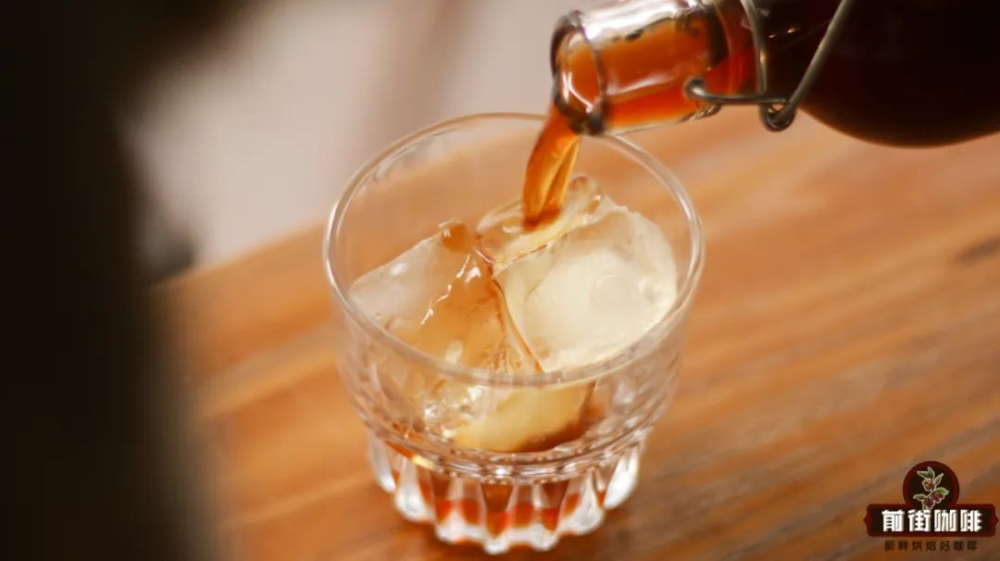
Two genuinely different drinking experiences! The pour-over Kenya had higher acidity with flavors that stood out sharply; the cold brew Kenya was mellow, gentle, and beautifully balanced. So — can you guess what drives the difference?
1. Extraction Method
The first difference is the extraction method itself. Pour-over coffee is "drip-style" extraction: hot water pulls compounds from the grounds and filters through immediately, so contact time between water and coffee is short. Cold brew is "immersion-style": grounds and water sit together in a long, slow soak.

2. Coffee-to-Water Ratio
Second is the ratio. Pour-over coffee typically runs 1:15, leaving enough room for the coffee's flavor compounds to express themselves fully. Cold brew usually sits between 1:10 and 1:12, packing a large amount of coffee flavor into a smaller space. That's why cold brew needs ice even though it's already cold — not to chill it further, but to dilute it!

3. Water Temperature
And then the biggest difference of all: the extraction water temperature. This is the single largest factor behind the flavor and texture gaps between the two.
Coffee contains quinic acid, tannic acid, amino acids, caffeine, oils, and many other compounds; the sour, sweet, and bitter flavors we taste are all formed by these. During extraction they come out in stages — sour compounds first in large quantities, then sweet compounds, and finally bitter ones. Water temperature is the main variable controlling how much of each comes out.

The hotter the water, the faster the extraction — which is why so many variables can swing a cup's flavor. It's also why, during a pour-over's brief two-minute run, we brew with full attention: we're carefully steering the extraction rate so none of these substances come out too little or too much.
The cooler the water, the slower the extraction and the longer the time needed. But even with a much longer steep, you're only raising the extraction rate — the compounds that actually come out are still far fewer than in a hot brew, especially tannic acid, which drives both sour and bitter flavors. This is why cold brew lacks pour-over's rich layering: it has less sourness. It's there, just not much of it.
What's more, a coffee's body comes largely from its bitter compounds. When those are sharply reduced, other flavors may seem amplified, but the texture won't be as full-bodied as pour-over. That's the root of why cold brew and pour-over taste like two different drinks.
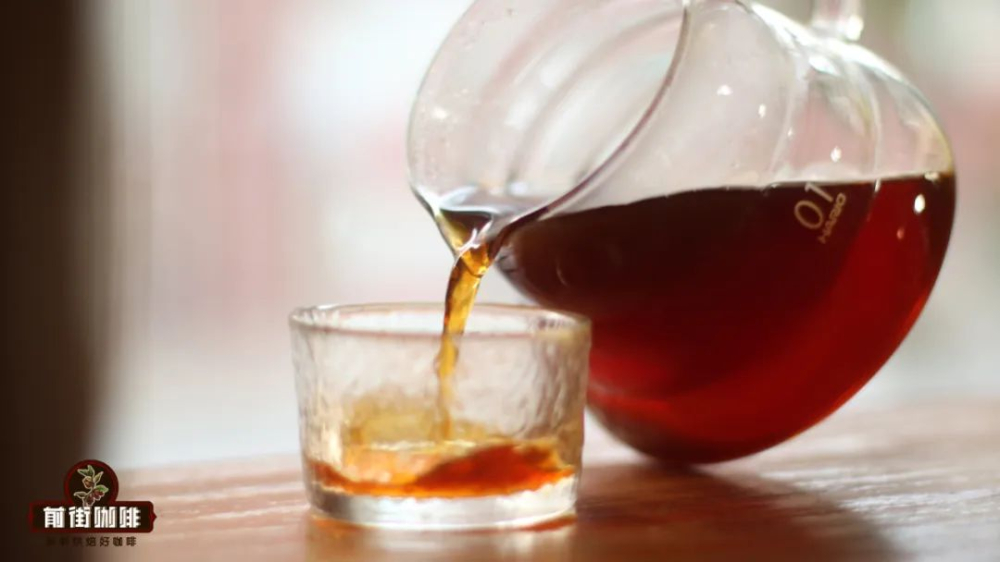
None of this means cold brew is inferior — FrontStreet Coffee is simply explaining why they differ. Cold brew has its own advantages! After its long steep, it develops distinct fermented, wine-like aromas that, combined with its sweet-tart profile, resemble berry wine and feel exceptionally smooth — an experience pour-over simply can't replicate. Why else would cafés sell cold brew as its own drink instead of just pouring you a hot coffee over ice?
So, how many of you guessed the same answer FrontStreet Coffee did? Raise your hand!

FrontStreet Coffee Recommendation
Since cold brew amplifies floral and fruity notes while muting woody and roasty flavors, light-to-medium roast beans show best in it. Here are FrontStreet Coffee's favorite picks for the cold brew jar. First, the Strawberry Candy Gesha Blend: it marries the quintessential Panama Gesha with a Costa Rican honey-process coffee — the Gesha brings delicate rose and orange, the honey coffee contributes grape, dried blueberry, and strawberry-candy sweetness, and together they form rich layers of flavor. Brewed as cold brew it's sweet, tart, and lively, and if you let it ferment and settle briefly, it takes on a fruit-wine character.
If floral is what you're after, get FrontStreet Coffee's Huakui. It comes from Ethiopia, the birthplace of coffee, and because it's naturally processed, the beans absorbed abundant sweet aromatic compounds inside the fruit. As cold brew it shows magnolia, creamy strawberry, dried mango, guava, and black tea notes.
For a cold brew with full juice-like body, the first choice is FrontStreet Coffee's Kenya Cherry Tomato, from the Thika region. The variety is SL28 and SL34, carefully selected local genetics with a naturally complex berry aroma, processed with Kenya's distinctive K72 double-washed fermentation to let the green beans show their character to the fullest; a medium-light roast converts the precursor aromatics into more complex notes, giving the cup its rich fruit profile. At low extraction temperatures, the sweet-tart tones of cherry tomato, snow pear, black plum, and dried plum come through in full; bitterness is low, the acidity full, and over ice it's refreshingly crisp with a long, lingering finish.
Cold brew generally uses more grounds than pour-over, so for everyday drinking FrontStreet Coffee also suggests cost-effective options — including blends. Many people love the complex sweetness of passion fruit, grape, apricot, and dried fruit in FrontStreet Coffee's Colombia Chiroso, but at its price, you can stretch it by blending in FrontStreet Coffee's Costa Rica Tarrazu at a 1:2 ratio. You still get the Chiroso florals and fruit plus Tarrazu's clean citrus acidity, at a far friendlier cost.
Finally, FrontStreet Coffee's Yirgacheffe Guodingding from the Guodingding cooperative: washed Yirgacheffe's bright, clean sweetness and budget-friendly positioning make it the go-to single origin for home brewers, and it's versatile enough for pour-over, siphon, French press, and cold brew alike. As a cold brew it yields wonderfully sweet berry, layered, and honey-like flavors.
Important Notice :
FrontStreet Coffee is a long-established specialty coffee roaster in Guangzhou China, selling freshly roasted beans from its own farm in Yunnan as well as dozens of carefully selected single-origin beans from around the world for both pour-over and espresso. The products deliver consistently excellent quality and great value, with shipping within 24 hours. Guangzhou's FrontStreet Coffee shop is recommended by many coffee lovers, and the beans are now available online at the Tmall 。
FrontStreet Coffee has moved to a new address:
FrontStreet Coffee Address: 315,Donghua East Road,GuangZhou
Tel:020 38364473
 Scan and follow the En Gafei WeChat official account. Please indicate that the reprint comes from "En Gafei".

