What Do Numbers Like 74110 and 74158 Mean in Arabica Coffee Varieties?
Among tens of thousands of coffee varieties, some inevitably have particularly unusual names. Unlike staples such as Bourbon or Typica, which carry conventional names, these beans have their own numerical codes — much like secret agents.
Varieties named with letters and numbers include Kenya's SL28 and SL34, or Costa Rica's H1 and F1. When a variety is named entirely with numbers, though, the first thing that comes to mind is Ethiopia's series starting with 7. So what do those numbers actually mean?
The Origin of "Number Beans"
Ethiopia is the birthplace of coffee, and tens of thousands of its coffee varieties still have no official names. The sheer quantity is overwhelming, and the time needed to test and verify each one individually is simply unimaginable. So the local government decided to gather them all under the name "Heirloom."
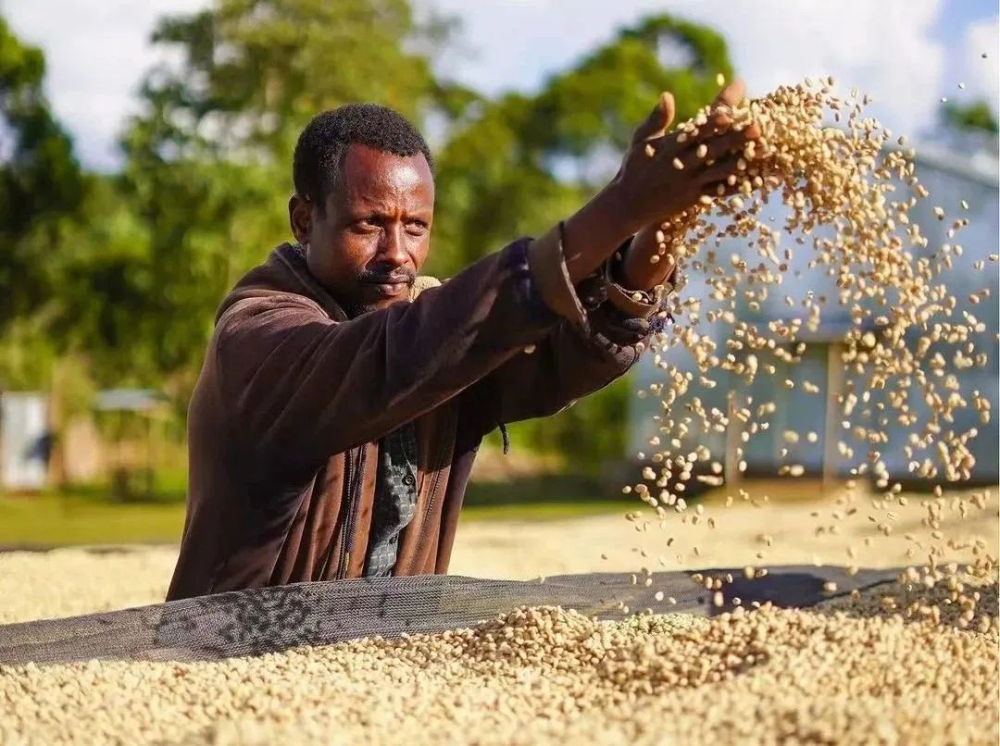
This was done partly for convenience and partly to protect the varieties. As coffee's birthplace, Ethiopia naturally draws professionals from around the world eager to obtain them — much like the story of "Geisha and Geisha 1931." The series starting with 7 represents a group of beans that shed their "Heirloom" classification and acquired entirely new designations.
The story begins in 1970, when a disease affecting coffee spread throughout Ethiopia. Infected cherries lost their vibrant colour, turned greyish-black, and then withered and died on the branch. The disease was named "Coffee Berry Disease" (CBD).
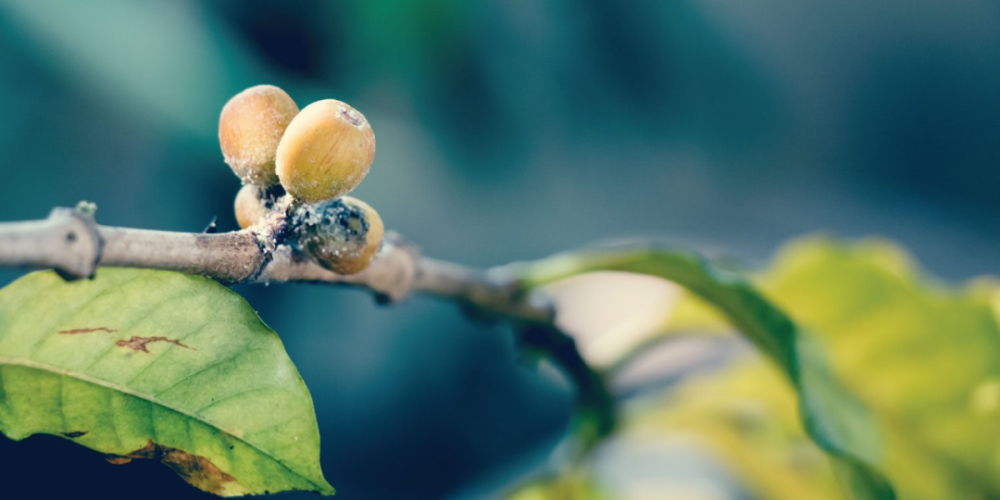
Once coffee trees were infected, the losses for farmers were enormous. Farmers began using chemical agents to fight the disease. That helped somewhat, but spraying pesticides only treated the symptoms, not the cause, so people launched a variety-replacement programme: to find natural varieties with strong disease resistance.
Starting in 1973, Ethiopia's Jimma Agricultural Research Centre (JARC) targeted 15 regions for coffee collection. Working through to 1975, it gathered 639 different coffee variety samples, which then went through scientific identification and cultivation trials. Finally, in 1978, 13 varieties out of those 639 stood out. They were resistant to CBD and also high-yielding, drought-tolerant, and excellent in flavour.
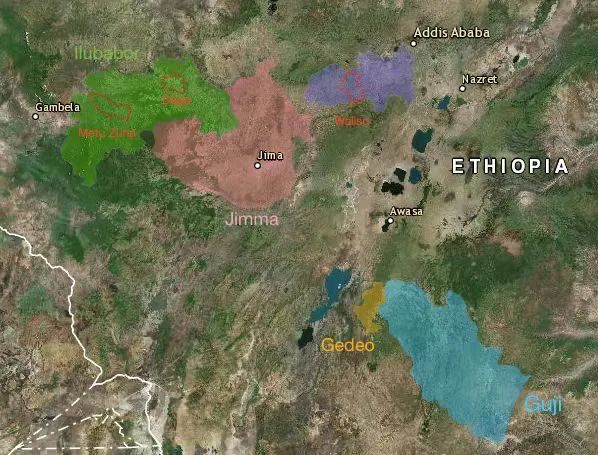
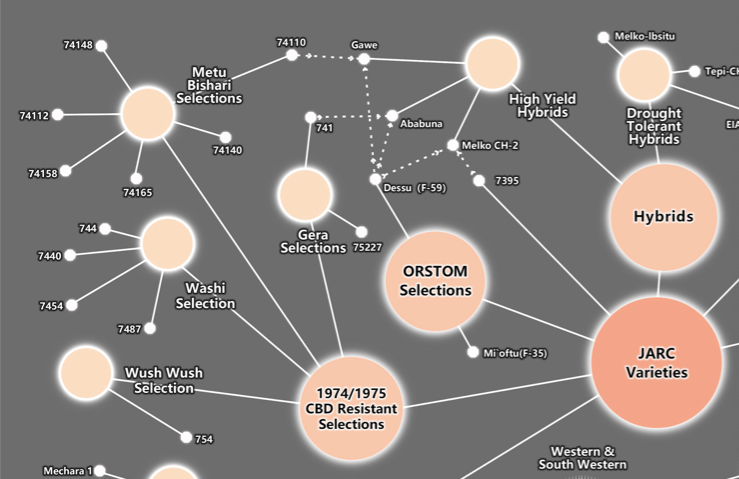
JARC therefore classified these beans as "1974/1975 CBD-Resistant Selections," which included 741 and 75227 from the Gera region; 74110, 74112, 74140, 74148, 74158, and 74165 from the Metu-bishari region; 744, 7440, 7454, and 7487 from the Washi region; and finally 754 from the Wush Wush region. Here, 74/75 refers to the year of discovery, and the numbers that follow are the individual codes.
These numerically coded varieties came to prominence in recent years thanks to an exceptional Cup of Excellence (CoE) competition in Ethiopia. Because CoE publishes variety names, when the award winners were announced people discovered that, of the top ten, only three were traditional Typica varieties while the remaining seven all had numerical code names. That catapulted them to fame, and professionals from around the world scrambled to buy them and explore the flavours of the 74 series.
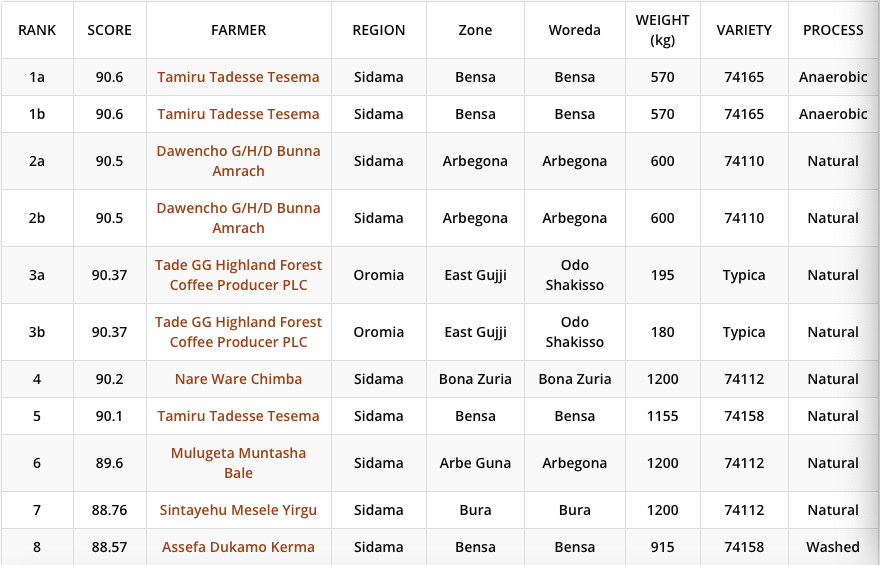
At first, though, people abroad were not the only ones unfamiliar with the series; even locals knew little about its origins. The grower of the champion 74165 variety did not initially know it was 74165 — it was only when the association verified the plant during submission that they discovered it was the 74165 variety from that year.
The Flavour Profile of 74 Series Coffee
So what do these 74 series coffees taste like? Among FrontStreet Coffee's in-house roasted selection there is also a numbered variety: the Santa Veni bean from the Sidamo region, variety 74158. The 96-hour anaerobic natural process gives it an extremely rich floral aroma and fruit sweetness. Below, FrontStreet Coffee demonstrates how to brew its magnificent flavours.
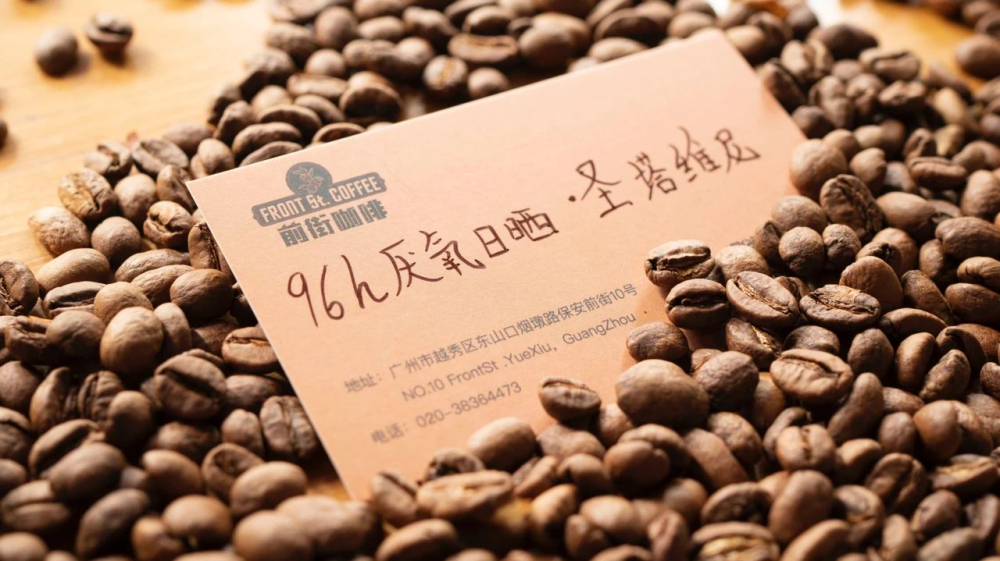
FrontStreet Coffee: Ethiopia Sidamo Santa Veni 74158 Coffee Beans
Country: Ethiopia
Grade: G1
Region: Sidamo
Processing Station: DWD Santa Veni Processing Station
Altitude: 2050 metres
Processing Method: 96-hour Anaerobic Natural of Fully Ripe Cherries
Variety: 74158
Flavour Notes: Citrus, Pineapple, Guava, Red Wine Finish
Since FrontStreet Coffee's beans are lightly roasted, the coffee has a hard texture and needs high-temperature water of 92°C-93°C to fully extract its floral and fruity notes. FrontStreet Coffee recommends a medium-fine grind (80% retention on a Chinese-standard #20 sieve), because too coarse a grind cannot extract the rich sweet substances and leaves the coffee thin-bodied. As for brewing ratios, FrontStreet Coffee finds both 1:15 and 1:16 work. If you prefer a richer mouthfeel, use 1:15; if you want the floral sweetness to be more clearly perceived, use 1:16 to let the flavours open up further.
Brewing Parameters:
Filter: V60
Water Temperature: 92-93℃
Coffee Dose: 15g
Coffee-to-Water Ratio: 1:15
Grind Size: Fine sugar (80% retention on #20 sieve)
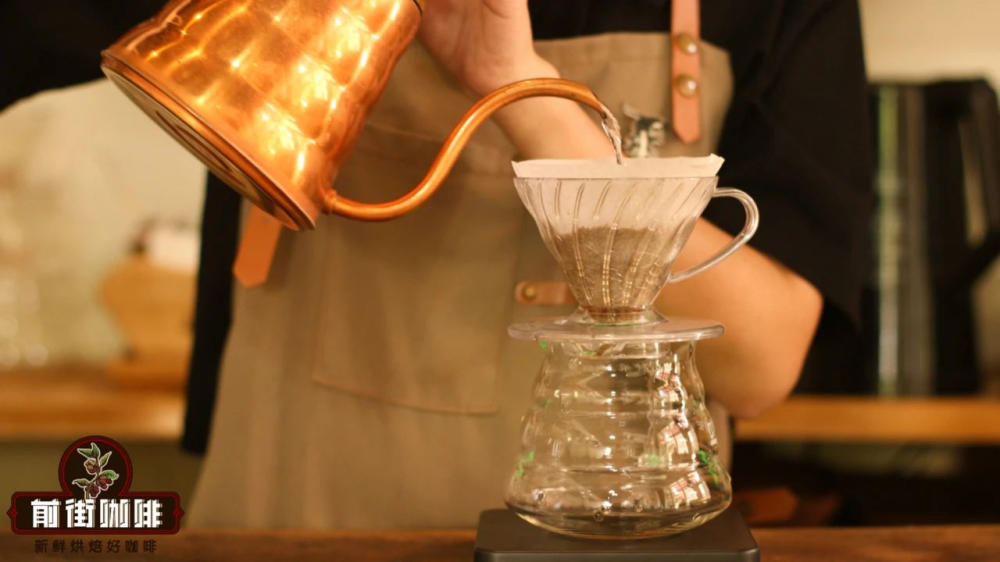
Three-Pour Brewing Method: Wet the coffee bed with twice the weight of the grounds in water, forming a dome, and let it bloom for 30 seconds. Then, using a small stream, pour in circles from the inside out until the scale reads 125g and pause. When the coffee bed drops to half the height of the filter cup, continue with the same fine stream for a third pour to 225g. Remove the filter cup once all the coffee liquid has drained through, for a total time of approximately 2 minutes.
When FrontStreet Coffee tasted the brewed 74158, we found rich layering. The first sip revealed aromas of dried mango, strawberry, and black tea, with prominent sweetness. As the temperature dropped slightly, an orange-like juice sensation came through, with a relatively short finish. Even fully cooled, the fruitiness remained prominent with almost no bitterness, making for a very pleasant palate.
FrontStreet Coffee Recommendation
If the numbers behind 74158 have you curious about other distinctive varieties, Geisha is the logical next stop. FrontStreet Coffee's Geisha Village Red Label belongs to the Gori Gesha variety and makes up 15% of the village's output; it scores 88 or above on the SCA 100-point scale and is released as part of the estate's single-terroir series, so every lot number carries full traceability information, including the farm block name, the variety, and the processing date.
For an easy introduction to the Geisha family, FrontStreet Coffee's Boquete Geisha is the entry-level estate Geisha it recommends first. Grown at around 1,600 metres in Panama's signature specialty region, it is washed, so you can taste the classic Panama Geisha orange-blossom honey character at a friendly price, along with an oolong tea-like texture, delicate fruit sweet-sourness, and clearly separated layers.
Important Notice :
FrontStreet Coffee is a long-established specialty coffee roaster in Guangzhou China, selling freshly roasted beans from its own farm in Yunnan as well as dozens of carefully selected single-origin beans from around the world for both pour-over and espresso. The products deliver consistently excellent quality and great value, with shipping within 24 hours. Guangzhou's FrontStreet Coffee shop is recommended by many coffee lovers, and the beans are now available online at the Tmall 。
FrontStreet Coffee has moved to a new address:
FrontStreet Coffee Address: 315,Donghua East Road,GuangZhou
Tel:020 38364473
 Scan and follow the En Gafei WeChat official account. Please indicate that the reprint comes from "En Gafei".