
Three-Pour Water Distribution: How to Reasonably Allocate Each Pour's Volume?
A three-pour pour-over means exactly that: the total target water is split into three separate injections. You pour, wait, pour again, wait again, pour a third time, and then wait for every last drop to drain through the filter.

Take FrontStreet Coffee's usual recipe — 15g of coffee at a 1:15 ratio, so 225g of total water. There's broad consensus that the first pour should be 30g of water for a 30-second bloom, leaving 195g to be divided into two successive pours. The question is: how should those two portions be split? And does the split actually change the flavor?
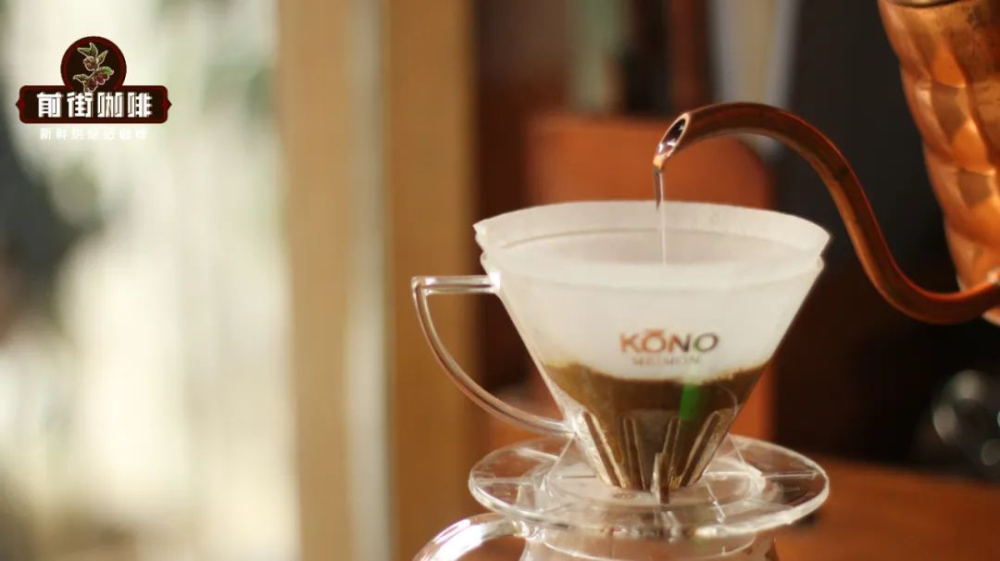
Curiosity got the better of us, so today we're testing precisely that: within a three-pour framework, with the bloom fixed, how does the split between the second and third pours affect the cup?
Since flavor direction is our yardstick for judging the results of this "water allocation experiment," we picked FrontStreet Coffee's 2013 Typica, a medium roast with chocolate-like sweetness, berry acidity, and brown sugar sweetness — a coffee whose clear profile makes flavor shifts easy to perceive.
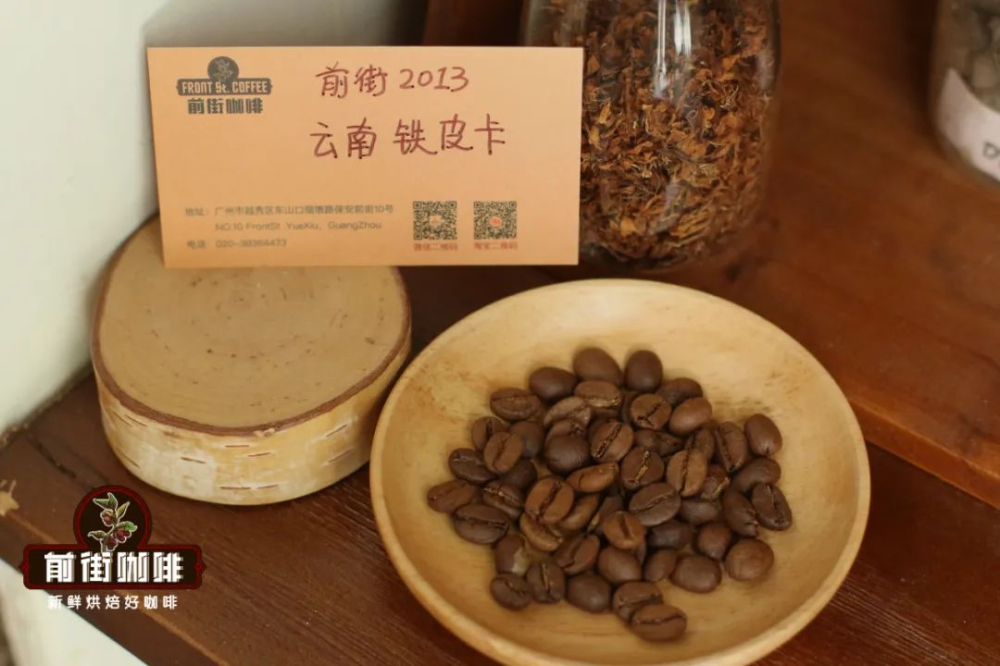
Coffee beans: FrontStreet Coffee 2013 Yunnan Typica
Coffee amount: 15g
Total water: 225g
Grind size: Ek43 setting 10
Water temperature: 90°C
Dripper: Resin V60
After the 30g bloom, the remaining 195g was split three ways:
No.1 Second pour (125g) > Third pour (70g)
No.2 Second pour (97.5g) = Third pour (97.5g)
No.3 Second pour (70g) < Third pour (125g)
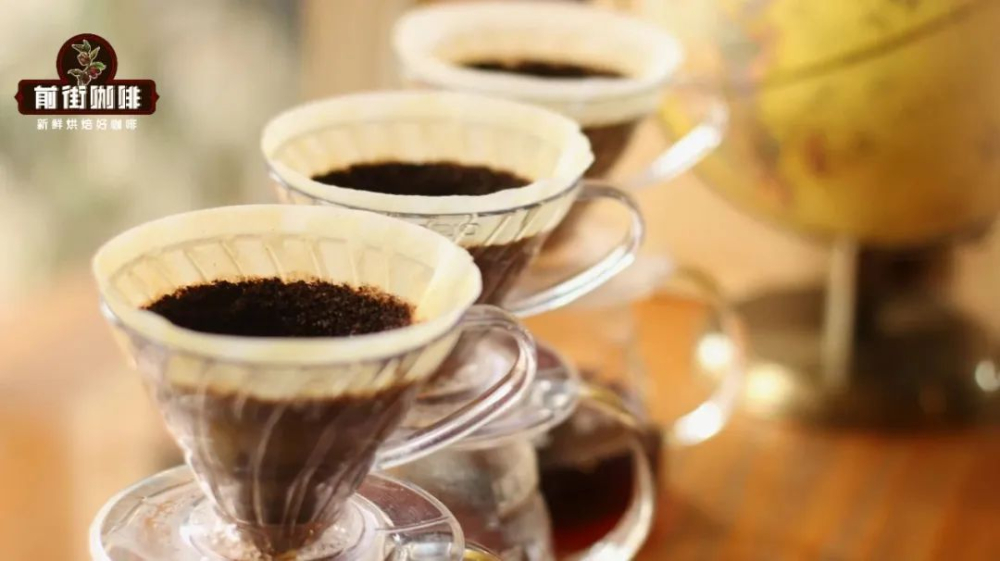
To limit human variables, all three groups received their pours at the same times — 1 second, 30 seconds, and 1 minute 6 seconds. Total drawdown times were 2 minutes 10 seconds, 2 minutes 3 seconds, and 2 minutes 5 seconds, a negligible spread.
The brews were made sequentially, so small temperature differences did color the perception of acidity, sweetness, and bitterness, but FrontStreet Coffee still caught subtle distinctions. Flavor-wise, all three cups were fairly balanced, each showing hazelnut and cocoa aromas with a brown sugar aftertaste. Where they differed was acidity, body, and the details of the finish.
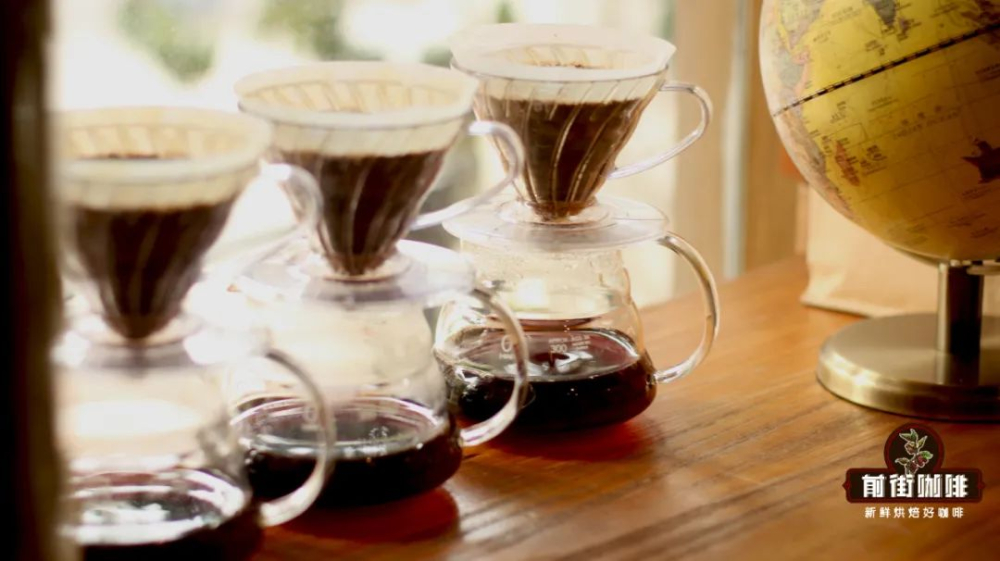
Group 1: At medium temperature, black plum acidity stood out most, shifting to caramel sweetness as the cup cooled — but with the thinnest body of the three.
Group 2: The most balanced mouthfeel and the most robust aroma, rounded and full overall, though the fruit acidity was less lively than in Group 1.
Group 3: A heavy black-tea sensation on entry, almost no acidity, and the most pronounced bitterness of the three. It turned slightly astringent as it cooled — signs of slight over-extraction.
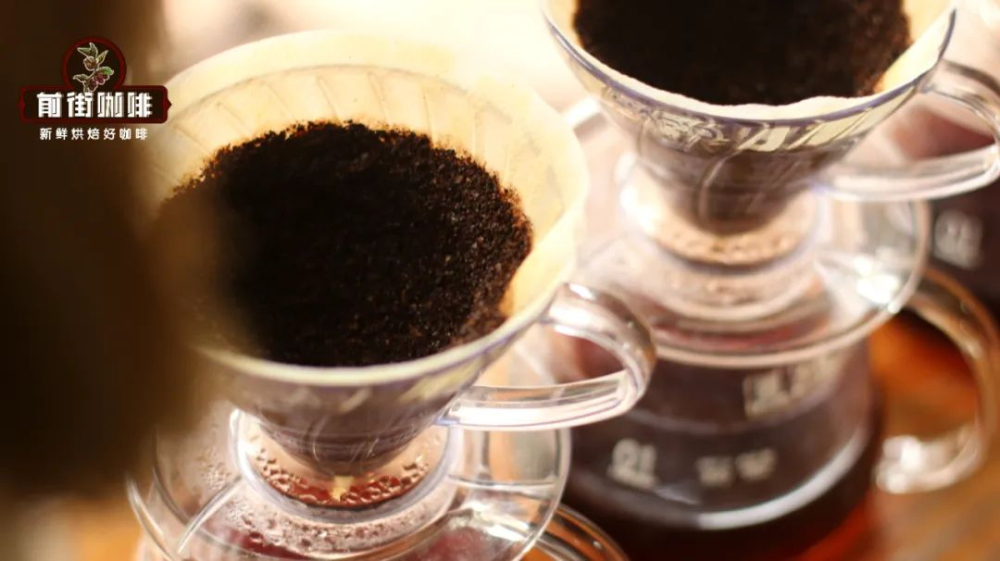
Why? During the main pours after the bloom, the water flow tumbles the grounds in the filter, raising extraction efficiency — and when that efficiency is boosted at different moments, different flavors come forward. The general rule for a three-pour brew: the more water you assign to a stage, the more you boost extraction of soluble flavor compounds during that stage.
In Group 1, for example, the bigger early pour raised the water level higher, lifting the coffee bed and letting acidic compounds release in quantity — hence the lively, elevated acidity. But with less water left late, the level never climbed back to the bed height of the second pour, meaning some particles never participated in the third pour's extraction at all. Result: a thinner body.
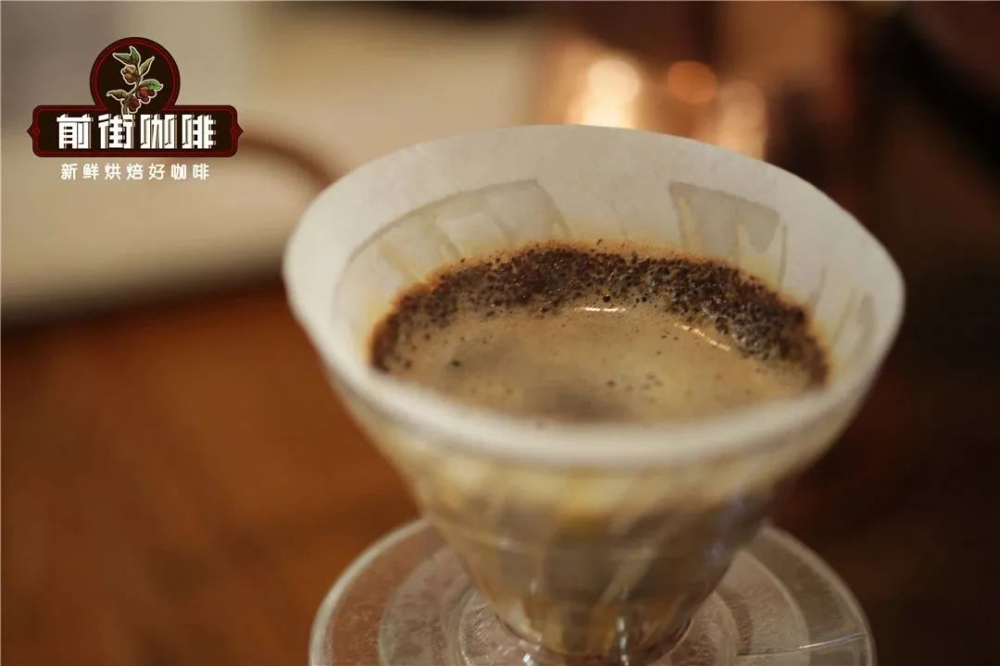
Group 3 was the mirror image. The small second pour lifted the bed only halfway up the filter; before the acidic compounds could release, the large third pour flooded the bed. Hot water escaped straight down the ribs, fines slid along the walls to the bottom and soaked in hot water — driving up the release of macromolecules, i.e., bitter compounds.
The takeaway from FrontStreet Coffee: when planning your three pours, consider not only the flavor direction of the beans but also the water level at each stage. For light roasts that celebrate florals and fruity acidity, for instance, you can give the second pour a larger share and then time the final pour by watching the water level settle.
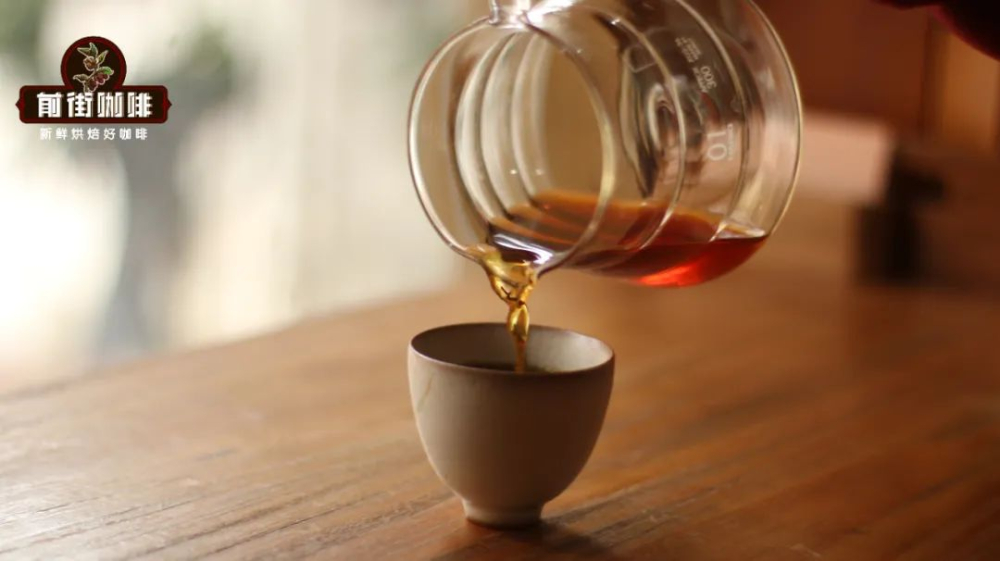
When FrontStreet Coffee brews Panama Boquete Geisha, we use 30g for the bloom, 120g for the second pour, and 75g for the third, timing the last pour by the liquid level — our reference point is when the water drops to half the height of the coffee bed. That plan gives the coffee both elevated fruit acidity and a caramel-cream mouthfeel and aftertaste.

FrontStreet Coffee Recommendation
The 2013 Yunnan Typica featured in this experiment is worth seeking out. Planted by FrontStreet Coffee in 2013 to chase the origins of Yunnan coffee — a story that began in 1904 when the French missionary Tian Deneng carried Typica seeds from Vietnam into Zhuquila Village, Binchuan County — it uses only fully ripe red cherries, sun-dried in the most traditional way and medium roasted. Expect dark berry and citrus tones, a touch of fermented wine note, caramel sweetness, a creamy finish, and a black tea aftertaste.
If you're just starting to explore Chinese specialty coffee, FrontStreet Coffee's Yunnan Arabica (Xiaoli) from Baoshan is the friendlier entry point: washed and medium roasted, with soft nut and chocolate sweetness, a light plum acidity, and a gentle caramel note at a very approachable price. And for espresso drinkers, the Dark Cocoa Blend pairs Yunnan arabica with Brazil Cerrado — nutty and balanced in an Americano, silky almond and cream in a latte.
Important Notice :
FrontStreet Coffee is a long-established specialty coffee roaster in Guangzhou China, selling freshly roasted beans from its own farm in Yunnan as well as dozens of carefully selected single-origin beans from around the world for both pour-over and espresso. The products deliver consistently excellent quality and great value, with shipping within 24 hours. Guangzhou's FrontStreet Coffee shop is recommended by many coffee lovers, and the beans are now available online at the Tmall 。
FrontStreet Coffee has moved to a new address:
FrontStreet Coffee Address: 315,Donghua East Road,GuangZhou
Tel:020 38364473
 Scan and follow the En Gafei WeChat official account. Please indicate that the reprint comes from "En Gafei".

