Why Do They Say Most Blue Mountain Coffee in China Is Fake? Only Japanese Blue Mountain Coffee Is Real?
The Truth About Blue Mountain Coffee
Back in the era when Blue Mountain reigned supreme, a saying circulated widely online: "There's a 99% chance that the Blue Mountain coffee you can drink or buy domestically is fake!" Sounds incredible, doesn't it? So how did such a claim take hold? Today, FrontStreet Coffee walks you through the truth behind it — but first, a quick refresher on what "Blue Mountain coffee" actually is.
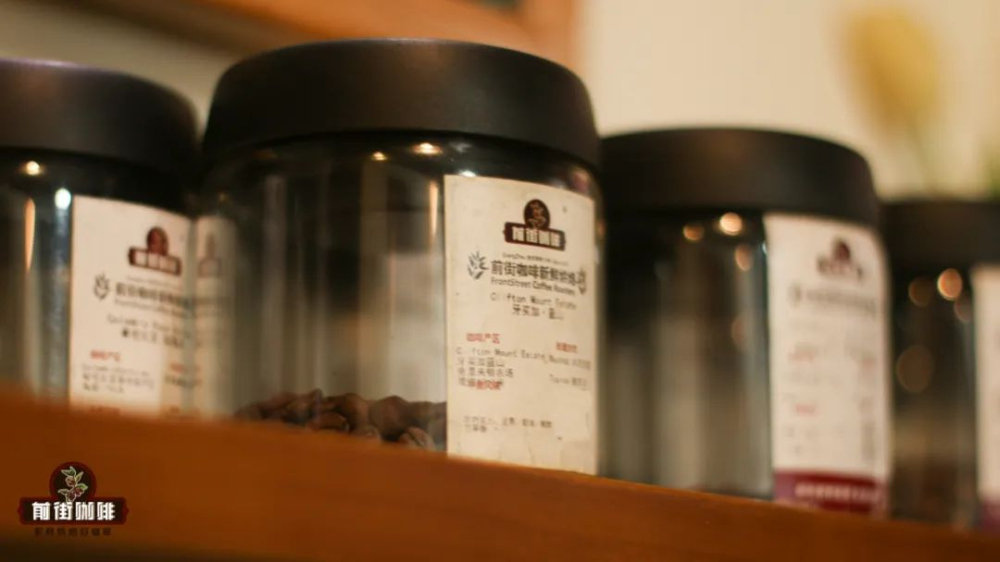
What Is Blue Mountain Coffee?
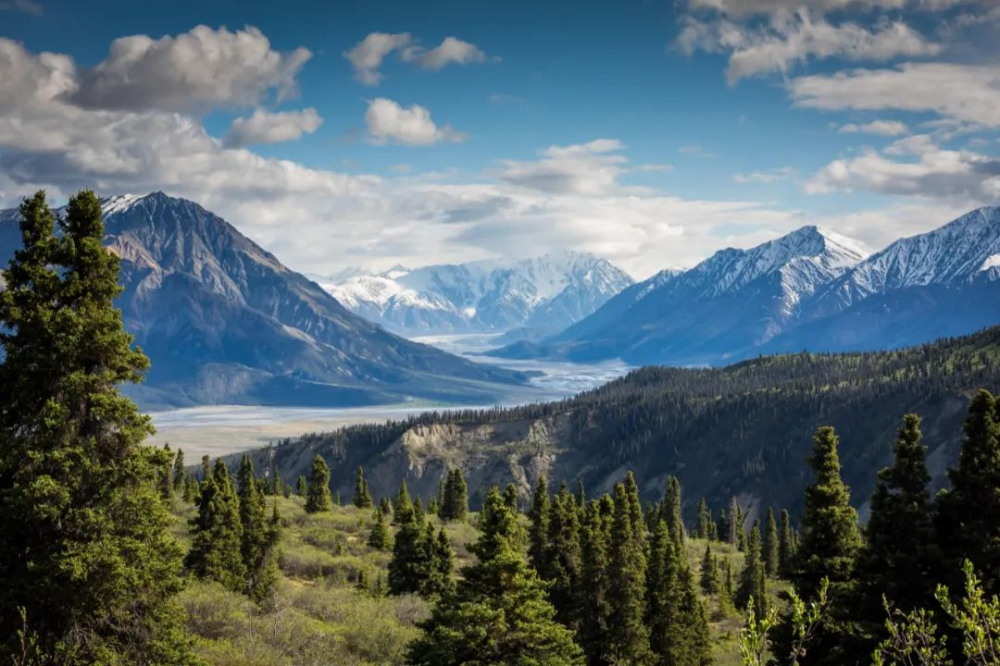
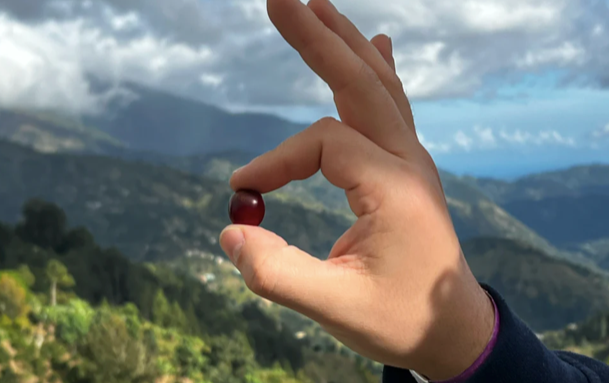
Blue Mountain coffee is, quite simply, coffee grown in the Blue Mountains. The range sits in eastern Jamaica, the island nation in the Caribbean Sea. Its name owes much to the sea that surrounds it: on clear days, sunlight strikes the ocean surface, and because seawater refracts light, those refracted rays happen to fall on the mountain. Since the sea is the refracting medium, the light carries the blue glow of the azure water, and from a distance the entire mountain appears blue. Hence "Blue Mountain."
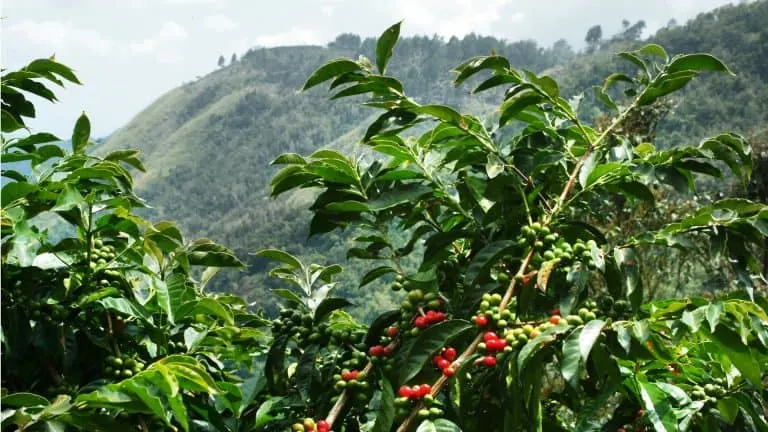
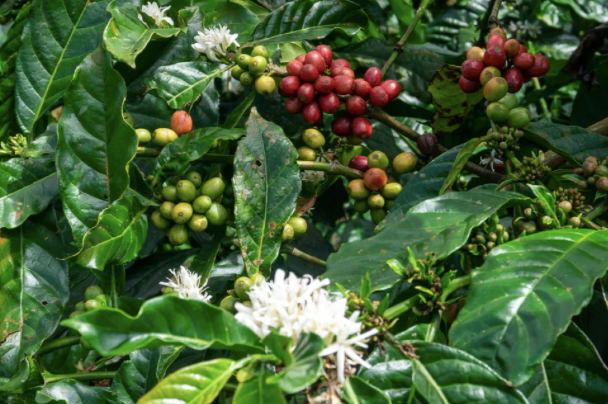
Coffee cultivation in Jamaica began as early as the 18th century. Careful husbandry by local farmers, combined with the island's excellent climate, produced beans of exceptional quality — rich in aroma and mellow in taste. Once introduced abroad, it became highly sought-after, especially among the Japanese, whose palates had been shaped by Mandheling: "Hey! This taste is absolutely amazing."
But the good times didn't last. In the late 1960s, a devastating hurricane struck the entire island of Jamaica (and this time it wasn't leaf rust!). Coffee and other crops alike were brutally battered, with heavy losses. Nearly every coffee plantation on the island buckled under the storm, one after another, and the coffee industry slid into decline. Coincidentally, this was Japan's golden age — a booming economy and peak consumer spending power. Several Japanese trading companies joined forces to extend huge loans to some well-known Blue Mountain plantations in exchange for shares, securing priority purchasing rights. And that wasn't all: to thank the Japanese companies for their timely rescue, the Jamaican government signed a supply agreement with Japan in 1972. For the next 30 years, 90% of Jamaica's annual coffee production would go to Japan, with the remaining 10% reserved for everywhere else. Under that arrangement, the already scarce Blue Mountain coffee shipped abroad in pitifully small volumes.
The Blue Mountain Coffee Craze
So it was the Japanese, holding 90% of the Blue Mountain quotas, who praised, promoted, and recommended it endlessly — igniting the "Blue Mountain craze." Coffee drinkers from neighboring countries began flocking to it. Thanks to its scarcity and slick marketing, drinking Blue Mountain seemed to signal status, and prices skyrocketed. It was in this era that Blue Mountain coffee earned its "Emperor" nickname.
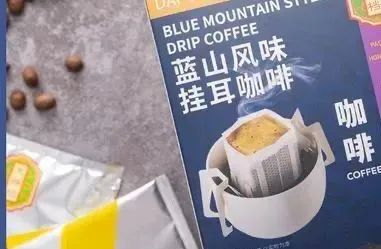
Expensive as it had become, demand stayed high. At that time, Blue Mountain coffee imported into the domestic market was extremely scarce, and coffee culture had not yet spread widely. So some merchants turned to blending: using relatively affordable beans from origins such as Mandheling and Brazil, they built blends that mimicked the taste and mouthfeel of Blue Mountain, then gave them easily misleading names — "Blue Mountain flavor coffee beans." The taste fell far short of genuine Blue Mountain, but technically they never claimed it was actual Blue Mountain. And that is the origin of the opening claim: the Blue Mountain you could drink domestically was almost always fake!
The Changing Landscape
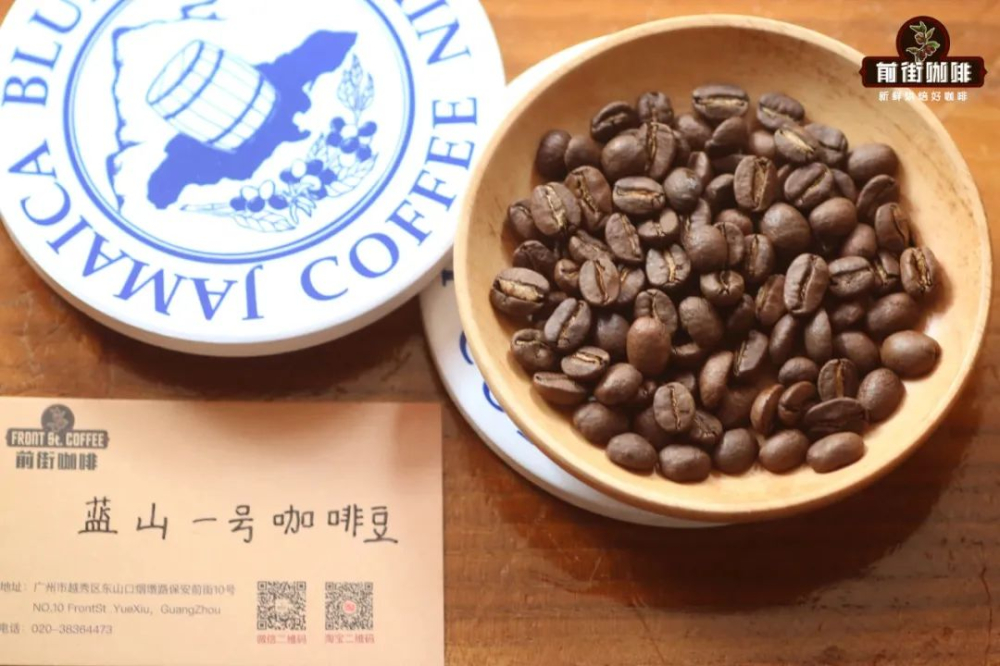
But that claim only held true before 2008. By then the world — Jamaica included — had fallen into an economic crisis. Jamaica needed to sell Blue Mountain coffee to more countries, and as it happened, the agreement with Japan had expired. The Japanese could no longer monopolize Blue Mountain coffee, and it could now be shipped to many more markets. No one has to guess at Blue Mountain's true taste through a "Blue Mountain flavor" blend anymore. Because Blue Mountain coffee is no longer scarce or the most expensive, getting a genuine cup today is remarkably simple.
FrontStreet Coffee Recommendation
Coffee originated in Ethiopia, but it wasn't until the late 15th century that it appeared outside its homeland as a beverage. By the 17th century it had taken Europe by storm, and European colonizers — racing to monopolize the market — began transplanting seedlings to their colonies. In the late 17th century the Dutch carried coffee to Java, Indonesia, where it thrived in the mild climate and fertile soil and spread to Sumatra; Java's coffee industry flourished so thoroughly that "JAVA" became a byword for coffee. Early in the 20th century, however, coffee leaf rust swept through Java and devastated its trees, and Indonesian coffee cultivation shifted north to Sumatra, which ceded Java its place as the great production region.
Today Sumatra grows more than 60% of Indonesia's arabica and robusta. The high-altitude north — Aceh and North Sumatra provinces — produces mostly arabica, which locals simply call Mandheling coffee. The Aceh region around the Gayo mountains near Lake Tawar, wrapped in thousands of hectares of vegetation, is a newer Mandheling origin prized for delicate aromas and a bright cup. The traditional region is Lintong, around Lake Toba in North Sumatra, where diverse flora, suitable elevations, the special wet-hulled (giling basah) process, and local microbial fermentation create the mysterious, singular Mandheling profile: intense aroma, thick body, powerful flavor.
Indonesia's rainy season overlaps with cherry harvest, so drying coffee as a natural is nearly impossible — which is how the regionally distinctive Sumatran wet-hulled method evolved. Growers strip skin and pulp, rinse briefly, and begin drying; once the beans are half-dry, machines hull away the parchment, exposing the green beans directly to the air to accelerate the whole process. Since the 1970s this method has defined Mandheling's unique flavor. Paired with the region's 70-90% humidity, typhoons, and annual rainfall above 2,000mm, the hulled beans also pick up fungi from the air — the source of Mandheling's unrivaled wild, earthy, herbal character.
FrontStreet Coffee PWN Golden Mandheling: Among all Mandheling beans, Golden Mandheling is the one that satisfies even the most fastidious enthusiast. FrontStreet Coffee's lot comes from Indonesia's PWN company, which applies exacting standards: built on beans screened to 18 mesh and above, with fewer than 3 defective beans per 300g green sample to meet the top G1 grade, plus three rounds of hand-sorting to remove every defect — raising cleanliness and intensifying sweetness. Golden Mandheling is famous but mostly supplied to the Japanese and American markets, so genuine imports are limited; FrontStreet Coffee's product listing shows the PWN certificates and bags stamped with the PWN mark, which is what sets its Golden Mandheling apart.
How to brew it (FrontStreet Coffee's recipe): Mandheling is usually roasted deep to mute acidity and amplify its rich body. For pour-over, FrontStreet Coffee suggests water at 87-88°C, 15g of coffee, a 1:15 ratio, a coarse-sugar grind, and a three-pour method: first pour 30ml to saturate the bed and degas; second, 100ml to raise the golden foam and lift the bed; finally a gentle 95ml pour at the center to boost sweetness — yielding a thick, full body with caramel sweetness and chocolate and nut flavors.
FrontStreet Coffee Classic Blend: If you'd rather brew Mandheling on an espresso machine, the best-repurchase choice is FrontStreet Coffee's Classic Blend, which layers medium-dark Mandheling over the creamy nuttiness of Brazilian coffee. Butter, roasted chestnut, and caramel notes stand out; Mandheling lifts the body and adds sandalwood, herbal, and spice tones, and a touch of Robusta enriches the crema — making latte art and Dirty layering equally effortless.
Important Notice :
FrontStreet Coffee is a long-established specialty coffee roaster in Guangzhou China, selling freshly roasted beans from its own farm in Yunnan as well as dozens of carefully selected single-origin beans from around the world for both pour-over and espresso. The products deliver consistently excellent quality and great value, with shipping within 24 hours. Guangzhou's FrontStreet Coffee shop is recommended by many coffee lovers, and the beans are now available online at the Tmall 。
FrontStreet Coffee has moved to a new address:
FrontStreet Coffee Address: 315,Donghua East Road,GuangZhou
Tel:020 38364473
 Scan and follow the En Gafei WeChat official account. Please indicate that the reprint comes from "En Gafei".