
Chinese Yunnan Coffee Brands: An Introduction to Yunnan Specialty Coffee Varieties and Flavor Profiles
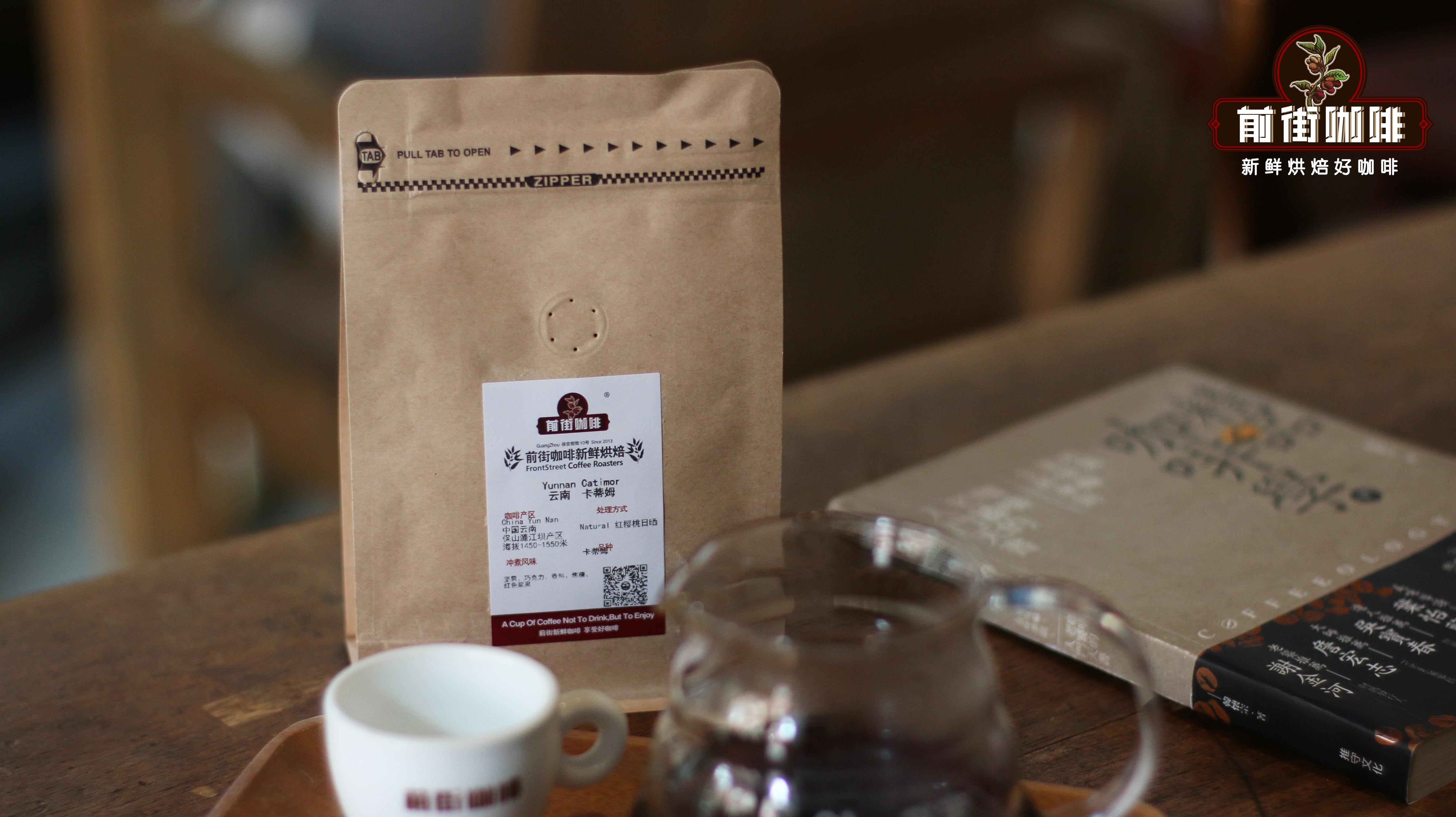
At FrontStreet Coffee, some friends have noticed Yunnan coffee on our bean list and asked, with some confusion: "Is Yunnan coffee considered specialty coffee? Is it any good?" At times like these, FrontStreet Coffee will suggest you taste it for yourself. Below, we introduce Yunnan coffee through several aspects: variety, terroir and processing methods.
A brief history of Yunnan coffee
Since the French missionary Tian De Neng planted the first coffee trees in 1904, Yunnan has had more than a century of coffee history. From the 1950s to the 1960s, Yunnan coffee began to expand its cultivation scale. At that time, to meet the coffee demand of the Soviet Union and Eastern European countries, the Lujiang Dam area was established as China's first production and export base for Arabica coffee. Truly standardized cultivation began in the 1980s. Limited by crude processing methods, roasting techniques and coffee farmers' lack of knowledge, Yunnan beans long served as commercial beans and raw material for instant coffee, purchased at low prices by international coffee giants such as Nestlé, Starbucks and Maxwell House.
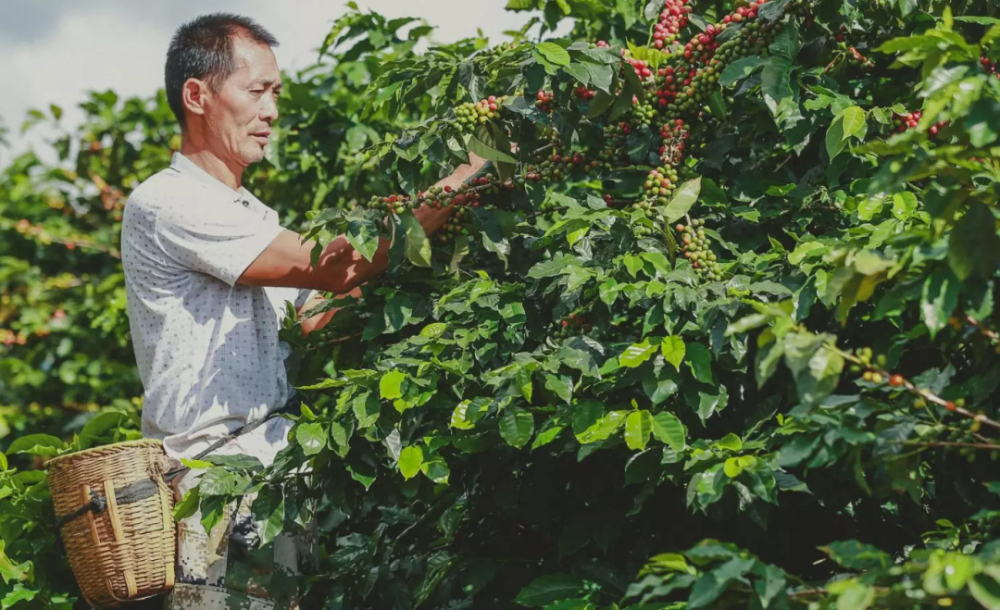
In 1988, after Nestlé invested in Yunnan's coffee industry, production scaled up further. Starting in 1992, Nestlé established a Coffee Agriculture Department specifically to guide and research the improvement and cultivation of Yunnan coffee, purchasing coffee at prices based on the US spot market. It also introduced high-yield, rust-resistant Catimor varieties from Portugal's Coffee Rust Research Center, Costa Rica and Thailand. In the Lujiang Dam area alone there are nearly 180,000 mu of Catimor, which is easy to manage, disease-resistant and favored by coffee farmers.
These initiatives further expanded the cultivation area of Yunnan coffee and increased coffee farmers' enthusiasm. At the same time, they established Catimor as the main variety of Yunnan coffee, replacing the ancient Typica variety. In 1995, the Yunnan provincial government formally included Yunnan coffee cultivation in the "18 Engineering Project" for biological resources, and coffee cultivation developed rapidly, with both cultivation area and yield increasing significantly.
What variety is Catimor?
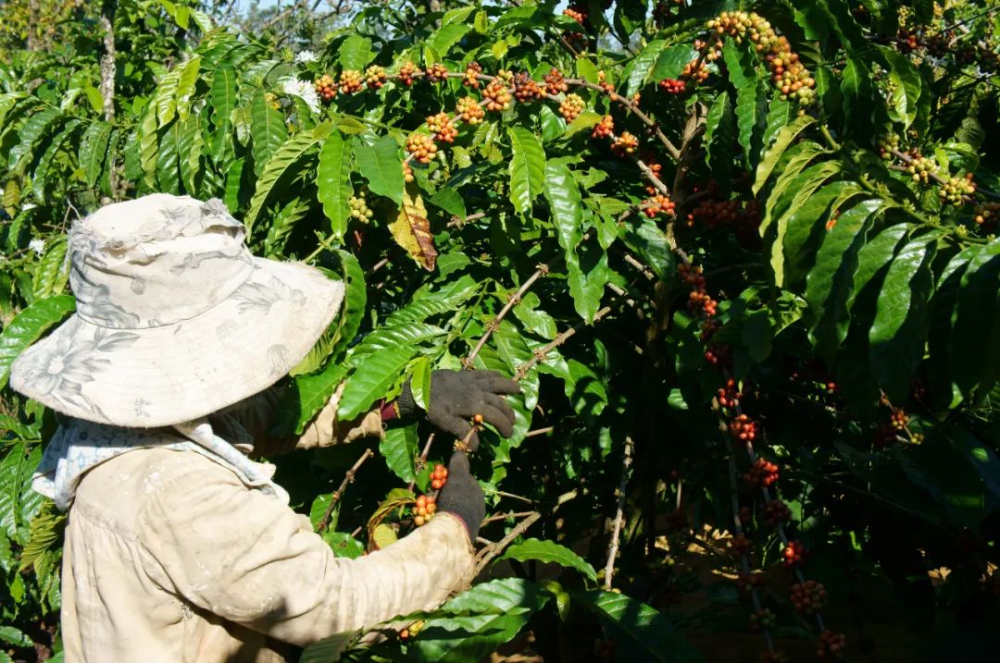
Catimor 7963 is a hybrid variety developed by Portugal's Tropical Research Institute (HCT) specifically to combat coffee leaf rust, with stable characteristics. The variety has a compact tree shape, dwarf growth, many branches and short fruit nodes. It grows vigorously with extremely strong vitality, and its greatest traits are amazing rust resistance and high yield. It is therefore deeply loved by Yunnan coffee farmers, and today more than 90% of coffee trees in Yunnan are Catimor.
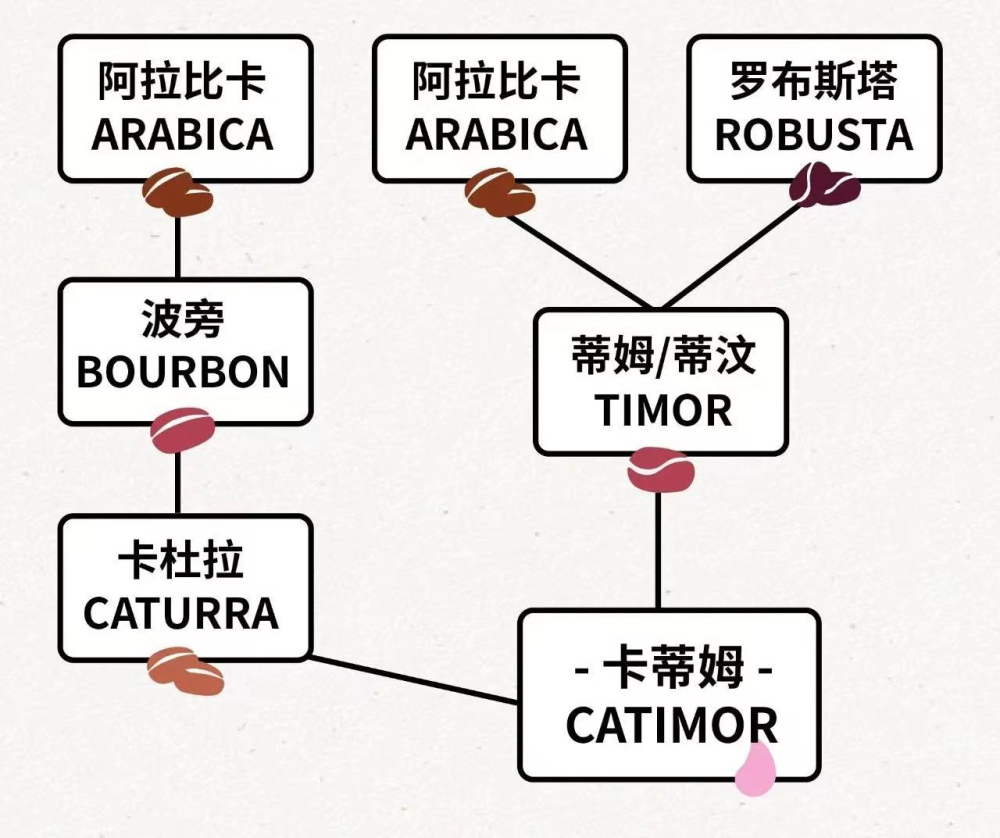
Catimor, however, is not 100% Arabica. It is a hybrid between the rust-resistant Timor and Caturra varieties, containing one-quarter Robusta genetics. Those familiar with coffee varieties will know that, compared with Arabica, Robusta has a heavier mouthfeel with obvious bitterness, primarily showing grain and walnut flavors, and can easily develop earthy notes if not processed properly. Catimor inherited genes from Robusta, and combined with crude local processing, it carried a strong bitter taste with earthy flavors, often described as a "devil's aftertaste." In recent years, as more attention has been paid to the quality of Yunnan coffee, Catimor has received more scientific cultivation and planting, and the rise of post-processing methods has greatly improved its flavor and quality.

FrontStreet Coffee believes that if Yunnan wants to improve the overall quality of its coffee, it needs to gradually replace varieties. Catimor's rust resistance diminishes after 20-30 years, so variety replacement is a current challenge facing Yunnan. In recent years we have seen many new varieties gradually appear in Yunnan, such as the world-renowned Geisha.
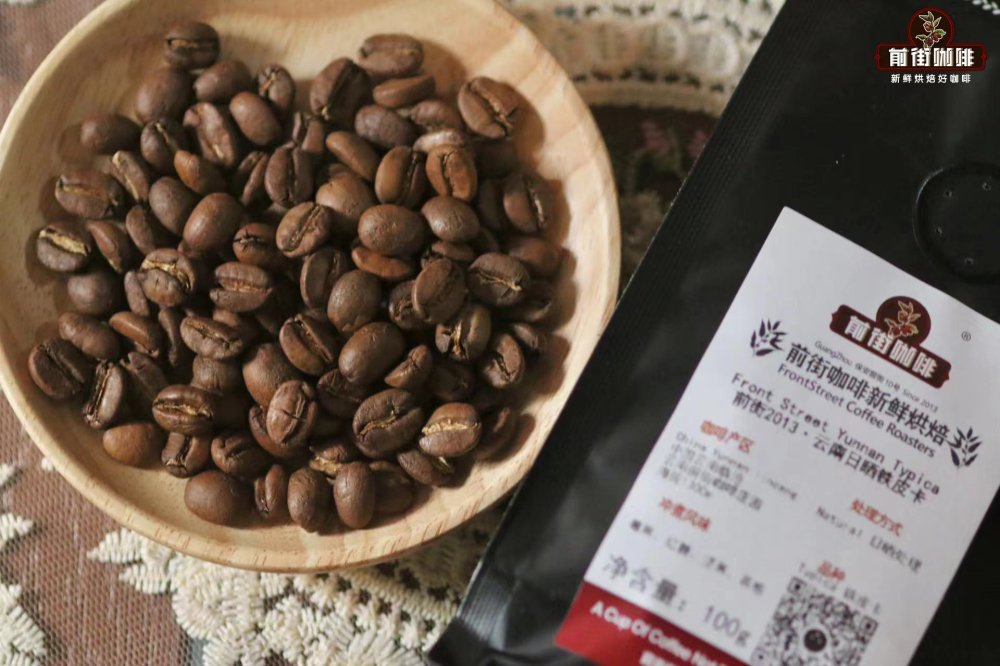
To explore the relationship between coffee cultivation and varieties, FrontStreet Coffee began cultivating coffee in Lincang, Yunnan in 2013, selecting the ancient Typica variety and a small amount of Bourbon. Typica needs to be planted at high altitudes to show rich and diverse flavors, fruity acidity and a delicate mouthfeel, making it a recognized high-quality variety. It has a low yield and poor resistance, however, and is highly susceptible to leaf rust, coffee berry disease and nematode disease, so it demands more human management. After seven years, FrontStreet Coffee finally harvested its first batch in 2020, naming it "FrontStreet Coffee 2013 Coffee."
What does Yunnan coffee taste like?
Some merchants use novel flavor-enhancing processing methods to cover up the inherent flaws of Yunnan beans and add plenty of aroma to raise prices. FrontStreet Coffee believes this neither authentically preserves the flavor of Yunnan coffee nor avoids misleading consumers. Some friends who have tasted Yunnan beans processed with special methods find the aroma particularly prominent and assume this is the mainstream processing method for Yunnan coffee. In reality, most Yunnan coffee farmers face difficult conditions and do not have expensive processing equipment. The vast majority of Yunnan beans can therefore only use natural processing methods, namely washed and natural processing.
If you truly want to explore the "taste of Yunnan," FrontStreet Coffee recommends our Yunnan Arabica Daily Bean, which uses washed processing. The daily beans launched by FrontStreet Coffee are carefully selected from 7 classic origins, covering multiple representative producing areas and varieties, using the natural processing methods customary to each origin to present each region's unique flavor characteristics.

The washed processing steps: remove the skin and pulp of the harvested coffee fruits with a machine, put the peeled beans into a fermentation tank for fermentation, use fermentation to break down the mucilage layer, wash the fermented beans repeatedly with clean water to remove the decomposed mucilage, and finally dry the beans in the sun for 1-2 weeks. Washed Yunnan coffee not only reduces the defect rate but also produces more stable quality with higher flavor cleanliness.
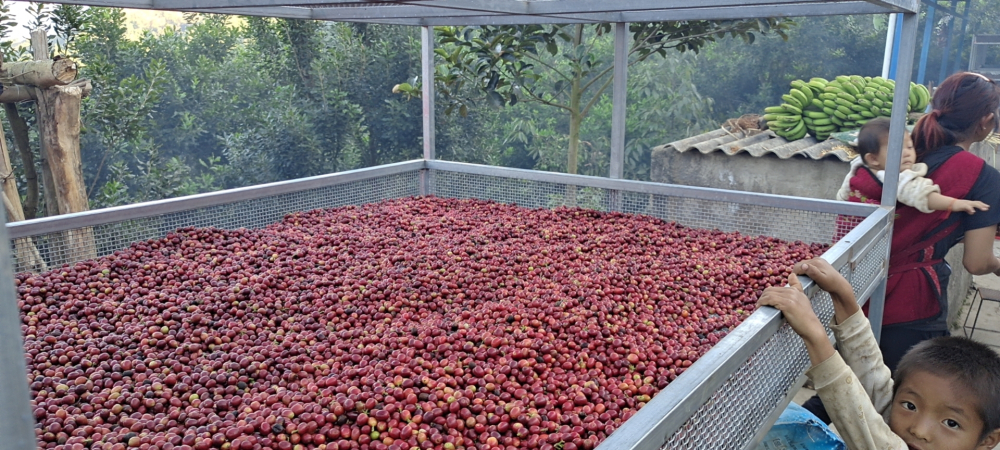
FrontStreet Coffee also has a coffee bean, "FrontStreet Coffee 2013," that uses natural drying, produced from FrontStreet Coffee's own estate in Lincang, Yunnan, selected from the elegant-flavored Typica variety, using natural sun-drying to enhance the coffee's sweetness. Every November, when the coffee fruits planted by FrontStreet Coffee ripen, it arranges for workers to pick red coffee cherries one by one, laying the fresh fruits flat under the sun to dry naturally and turning them irregularly to ensure even dehydration and avoid negative flavors from over-fermentation.
When FrontStreet Coffee discusses the flavor characteristics of Yunnan coffee, some describe it as chocolate, some say it is like sweet potato, and some friends think it is like Sanhua plums. FrontStreet Coffee believes the flavor of Yunnan Arabica belongs to a neutral, balanced profile, meaning it has acidity, sweetness and bitterness. FrontStreet Coffee's Yunnan coffee is therefore all medium-roasted to highlight the roasted aromas of chocolate and nuts while retaining some acidity. From cupping, FrontStreet Coffee tastes nuts, herbal notes and brown sugar aroma in the Yunnan Arabica Daily Bean, with melon and fruit sweetness as well as plum acidity, presenting a balanced mouthfeel. The natural-processed Typica presents chocolate, baked bread, tropical fruit fermentation and a tea-like aftertaste.
Brewing parameters for FrontStreet Coffee's Yunnan Arabica coffee
Filter: Hario V60
Bean amount: 15g
Water temperature: 90 degrees Celsius
Grind size: 75% pass through #20 sieve
Water-to-coffee ratio: 1:15
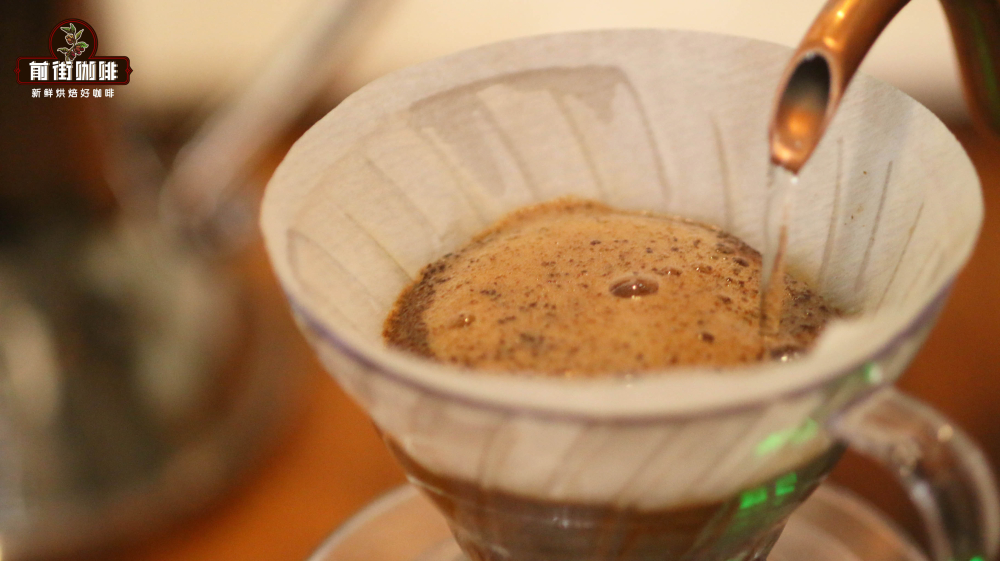
Three-pour method: Use twice the amount of water to wet the coffee grounds, forming a dome for a 30-second bloom, then pour with a small water stream from inside out to 125g for the first segment. Wait for the coffee bed to drop to half the filter cup, then continue with the same fine stream to pour the third segment to 225g, until all the coffee liquid has filtered through, then remove the filter cup. Time is approximately 2 minutes.
FrontStreet Coffee Yunnan Arabica Daily Bean flavor: a rich nutty aroma, with herbal, chocolate and caramel notes on entry and a light fruit acidity in the aftertaste. The overall mouthfeel is balanced with good cleanliness.
FrontStreet Coffee 2013 Natural Typica flavor: the dry grounds present caramel, nut and citrus aromas. At high temperature, it shows chocolate, fermentation and berry notes. As the temperature drops, plum acidity emerges, with a sweet aftertaste of tea and sugarcane. Medium to high body, clear mouthfeel, with rich and varied layers.
FrontStreet Coffee Recommendation
For an introduction to Yunnan, FrontStreet Yunnan small beans come from the Baoshan region and use washed processing with a medium roast, offering soft nut and chocolate sweetness with a light plum acidity at an approachable price. They are a gentle first taste of what the province can do.
To go a step further, FrontStreet 2013 sun-dried Yunnan Typica comes from FrontStreet's own estate and uses only fully ripe, all-red cherries, dried in the sun and roasted to a medium level for a more balanced, sweeter cup with dark berry tones, caramel, chocolate and a hint of dried apricot, finishing on black tea. If you would rather taste Yunnan in an espresso, FrontStreet Black Cocoa Blend pairs Yunnan small beans with Brazil Cerrado: Brazil supplies the mixed-nut aroma and balanced body, while Yunnan contributes chocolate and citrus, giving an americano with balanced sweet, sour and bitter notes and a latte with a smooth almond-and-cream texture.
Important Notice :
FrontStreet Coffee is a long-established specialty coffee roaster in Guangzhou China, selling freshly roasted beans from its own farm in Yunnan as well as dozens of carefully selected single-origin beans from around the world for both pour-over and espresso. The products deliver consistently excellent quality and great value, with shipping within 24 hours. Guangzhou's FrontStreet Coffee shop is recommended by many coffee lovers, and the beans are now available online at the Tmall 。
FrontStreet Coffee has moved to a new address:
FrontStreet Coffee Address: 315,Donghua East Road,GuangZhou
Tel:020 38364473
 Scan and follow the En Gafei WeChat official account. Please indicate that the reprint comes from "En Gafei".

