Best Yunnan Coffee Brands: Top Premium Pour-Over Coffee Bean Brand Rankings and Recommendations
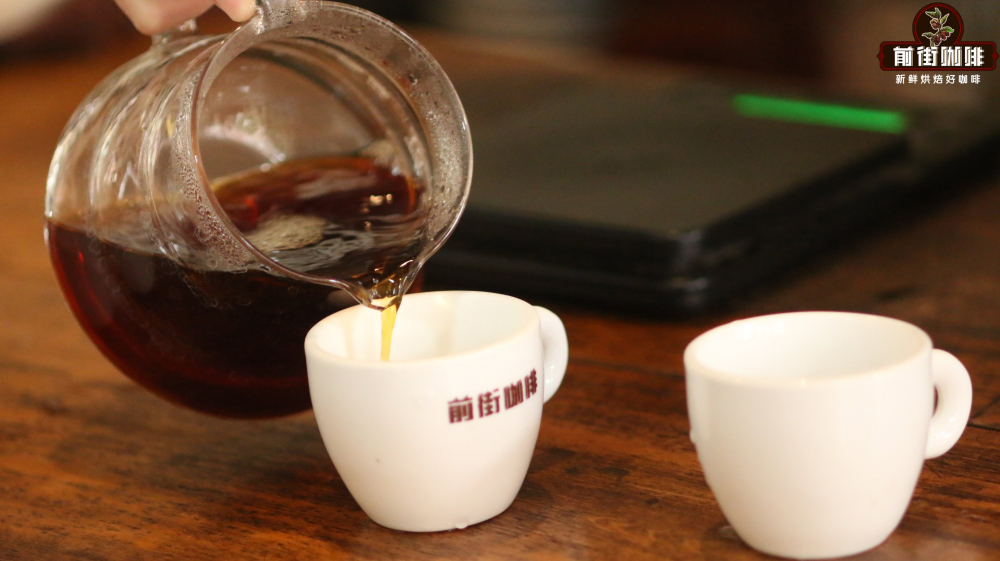
For many of us, our earliest coffee memory traces back to the Blue Mountain coffee that flowed through Hong Kong dramas of the 80s and 90s—watching adults take a small sip with expressions of pure satisfaction left a lasting impression. Only when we grew up and tasted that "truly aromatic" flavor for ourselves did we fall under its spell. From drinking only imported beans to now championing Yunnan specialty coffee, the journey has been beyond anything we imagined.
Today, Yunnan coffee shines on the international stage and earns admiration across China. FrontStreet Coffee would like to introduce the country's renowned small-bean coffee regions. With Yunnan small-bean coffee vigorously promoted nationwide, its growing areas have entered public consciousness: people now know that Pu'er is famous for more than tea—it produces coffee too—and that Baoshan's small-bean coffee is exported overseas and widely recognized.

Yunnan Coffee Regions
Yunnan Province boasts abundant forests, fertile soil, plentiful rainfall, complex terrain, higher altitudes, and mild temperatures year-round. Located near the Tropic of Cancer, it is an exceptionally rare and ideal location for coffee cultivation in China. The producing regions extend beyond the well-known Pu'er and Baoshan to Dehong, Lincang, and more—though each region's small-bean coffee shows subtle differences in flavor.
Pu'er
Pu'er City comprises nine counties and districts cultivating small-bean coffee: Simao, Ning'er, Mojiang, Jinggu, Jingdong, Zhenyuan, Jiangcheng, Lancang, Menglian, and Ximeng. The annual average temperature ranges from 17°C to 20°C, with cultivation between 700 and 1,600 meters.

Baoshan
Baoshan City includes five counties and districts with geographical indication protection for small-bean coffee: Longyang, Longling, Shidian, Changning, and Tengchong. Cultivation ranges from 1,000 to 1,500 meters, with an annual average temperature of 21°C. Back in the late 1950s, Baoshan's Lujiang coffee was rated first-grade in the London market.
Dehong
Dehong is one of China's earliest coffee-growing areas, introducing small-bean coffee from Myanmar in 1914 and beginning large-scale commercial planting in 1953. Lincang's annual average temperature runs between 18°C and 20°C, with no severe winter cold, no extreme summer heat, significant day-night temperature swings, fertile soil, and abundant rainfall. While the cherries mature, such conditions promote the formation of proteins, sugars, caffeine, and other compounds, giving Dehong coffee a rich flavor profile.

Lincang
Lincang City has begun coffee cultivation in towns such as Gengma, Zhenkang, Yunxian, Cangyuan, and Yongde. Lincang's unique location borders Myanmar to the west, and its climate is exceptionally favorable—large day-night temperature differences, abundant rainfall, and mild annual temperatures—making it a magnet for coffee companies. FrontStreet Coffee recognized Lincang's potential and established its own plantation estate in the region.
Coffee Varieties
Most Yunnan coffee on the market today is Catimor. Yet earlier Yunnan coffee was Typica—the oldest and most original variety in the Arabica lineage.
With China's reform and opening-up, international coffee brands such as Nestlé and Starbucks designated Yunnan as a sourcing region. To secure large volumes of raw material from a single origin, they promoted Catimor. Carrying Robusta genes, Catimor resists coffee leaf rust far better than Typica and yields three times as much.

Higher productivity means greater returns, and many Yunnan farmers—unfamiliar with varieties and flavor—cared chiefly about income. They reluctantly cut down their elegant-tasting Typica and switched to the higher-yielding but less flavorful Catimor. The Robusta genes brought advantages but also drawbacks: Robusta tends toward bitterness, so Catimor, sharing some of those genes, carries what is known as a "devilish aftertaste."
FrontStreet Coffee Estate
FrontStreet Coffee has been roasting for ten years now, but our involvement in cultivation began six months before roasting did. "Dazhen Coffee," FrontStreet's predecessor, first attempted to grow coffee in a Guangdong place called Dazhen. When the Catimor seedlings reached 20 centimeters, we finally understood the relationship—and the proper order—among coffee variety, altitude, and processing in specialty coffee. So FrontStreet abandoned the Guangdong plan and traveled to Yunnan to research cultivation in depth, finding suitable land through a fortunate opportunity.
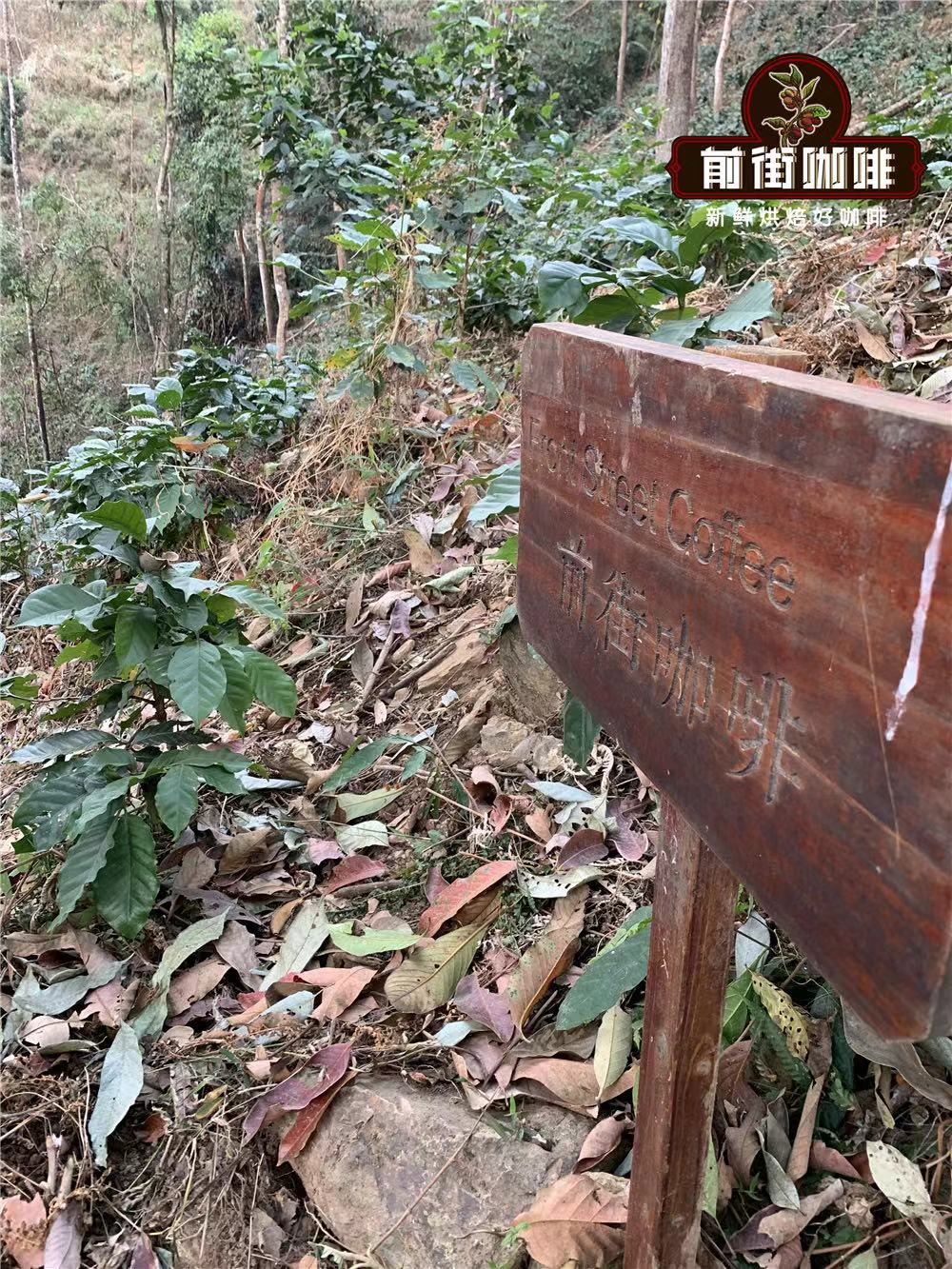
That year, FrontStreet Coffee chose the hardest path: high-altitude land, Arabica varieties, and rational planting practices.
Yunnan has no four distinct seasons—only dry and rainy. Our cultivation standards are extremely high, giving the coffee trees a natural, comfortable environment. Since Typica is harder to manage than Catimor and sensitive to prolonged sun exposure, FrontStreet preserved the diversity of plant species and the ecological balance within the estate.
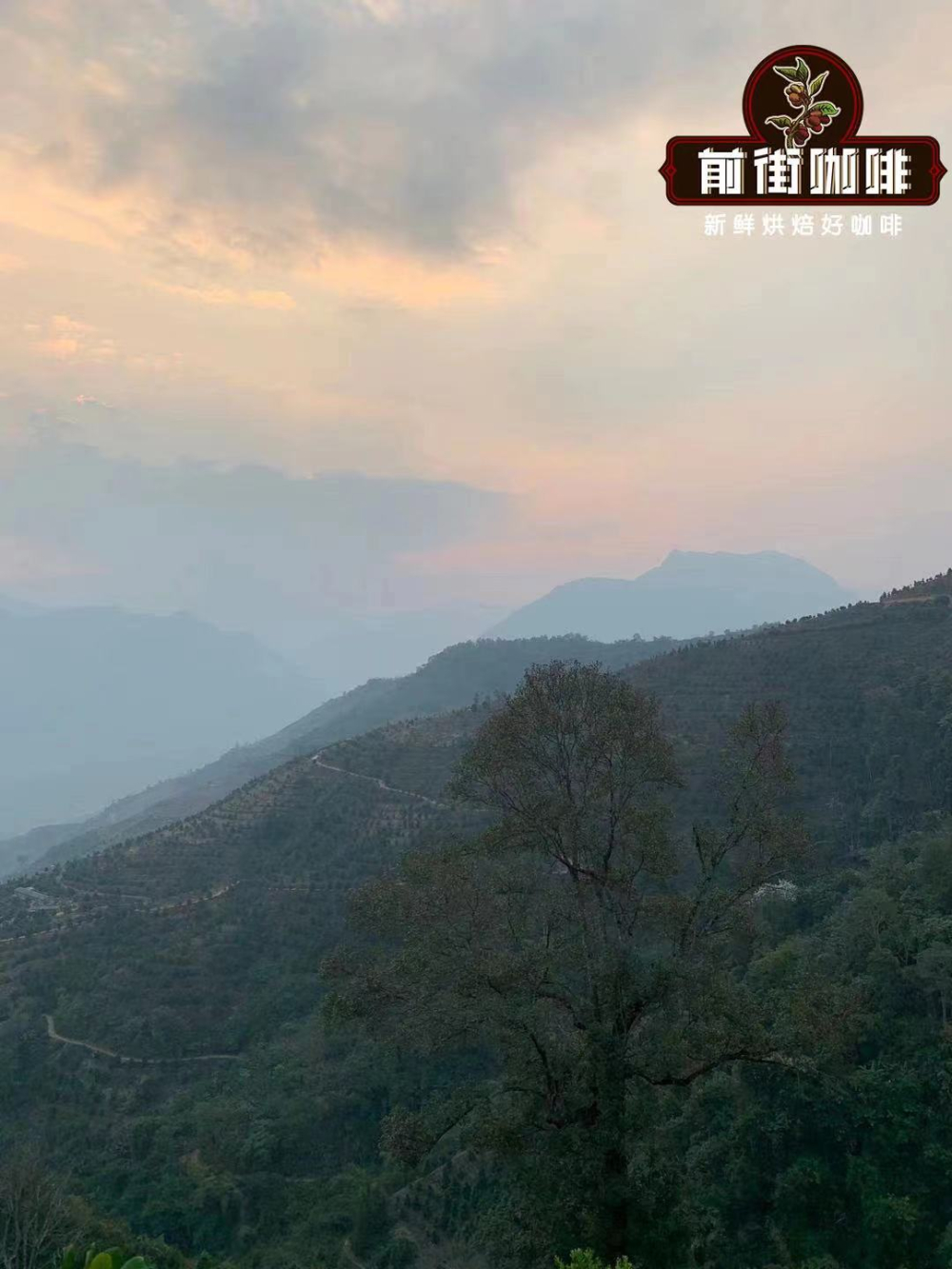
From seedling to first harvest takes at least three to four years. Today, FrontStreet Coffee Estate is celebrating its second harvest season. Everything we do aims at one verdict from discerning drinkers: this is the taste of Yunnan specialty coffee.
FrontStreet's latest batch uses the most traditional, original post-harvest method: sun-drying. Whole, perfectly ripe cherries are spread evenly on drying beds; because the pulp and skin stay intact, drying is slower and more complex, and the staff must turn the cherries frequently to prevent over-fermentation.
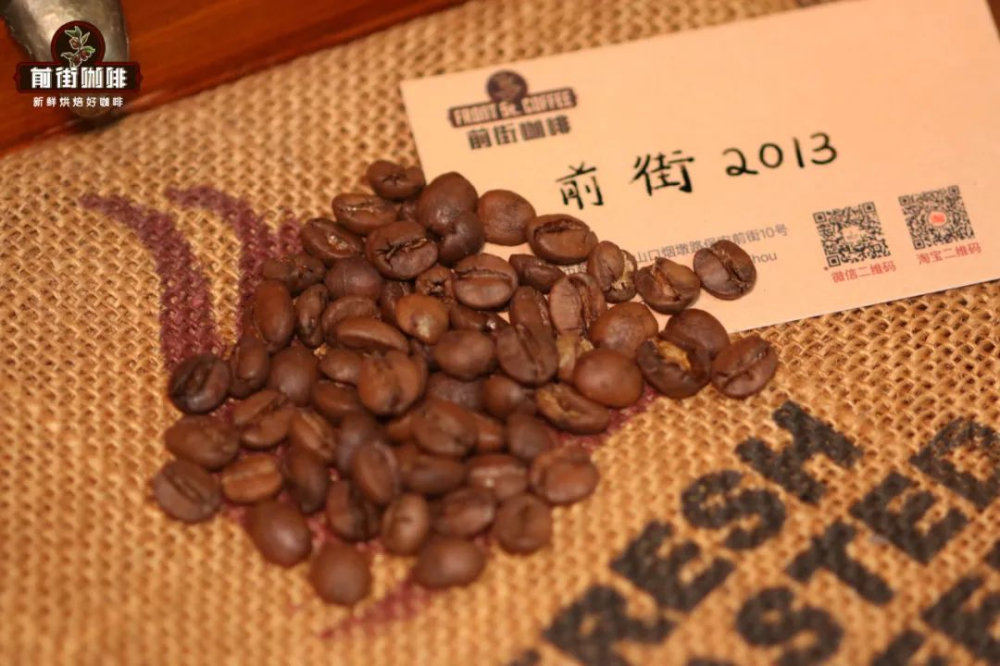
FrontStreet Coffee Estate Yunnan Sun-Dried Typica
Origin: Lincang, Yunnan
Estate: FrontStreet Coffee Estate
Altitude: 1,300 meters
Variety: Typica
Processing Method: Sun-dried
Thanks to the sun-drying, this Typica shows abundant aroma and prominent sweetness: fruit-like sweetness, gentle plum acidity, rich nutty notes, and an aftertaste of brown sugar and black tea. Customers often ask our baristas how best to brew it. The short answer: aromatic but not intense, rich but not bitter—a classic Yunnan small-bean profile.
To taste it at its best, brew with freshly roasted beans. FrontStreet ships beans roasted within 5 days, because freshness profoundly shapes flavor—our roasting philosophy is "Freshly Roasted Quality Coffee." The degassing period runs about 4-7 days, so your beans arrive right at peak flavor.
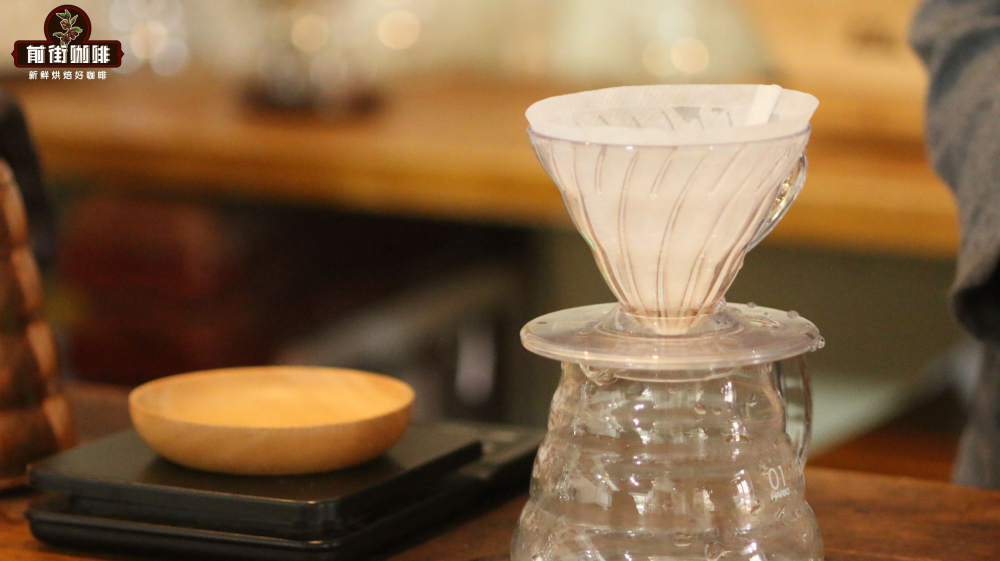
Dripper: Hario V60
Water Temperature: 90°C
Dose: 15 grams
Ratio: 1:15
Grind Size: 75% retention on the Chinese standard #20 sieve
Pour 30 grams of water to bloom for 30 seconds. From the center, pour in a fine stream while slowly circling to 125 grams. When the water level drops to just above the coffee bed, continue circling to 225 grams. Total extraction time is about 2 minutes.

Some customers, seeing the grinding equipment in our storefront, lose confidence in their home grinders and ask us to grind for them. We gladly do—online and in store. But once beans are ground, degassing accelerates and flavors dissipate faster, so grinding immediately before brewing always yields better flavor.
FrontStreet Coffee Recommendation
That nostalgic Blue Mountain from the old Hong Kong dramas? You can still taste the real thing. FrontStreet's Jamaica Blue Mountain No. 1 comes from Clifton Estate—the Blue Mountains' oldest operating plantation, with more than 200 years of history—cultivated at 1,310 meters in mineral-rich volcanic soil and certified by the Jamaica Coffee Industry Board.
Authentic Blue Mountain ships in wooden barrels (15kg, 45kg, or 70kg) with government certificates, the barrels themselves a hallmark of the genuine article. FrontStreet's Blue Mountain No. 1 is roasted medium-dark to showcase its classic balance—hazelnut, dark chocolate, cream and caramel, with a gentle, perfectly even sweetness and a clean, lingering finish.
For brewing, rest the beans 4-7 days from the roast date, then use a KONO dripper with 15g of coffee, a medium-coarse grind, 87-88°C water, and a 1:15 ratio in three pours—30g to bloom for 30 seconds, then to 120g, then to 225g—or try a moka pot for a thicker, chocolate-forward cup that's superb with milk.
Important Notice :
FrontStreet Coffee is a long-established specialty coffee roaster in Guangzhou China, selling freshly roasted beans from its own farm in Yunnan as well as dozens of carefully selected single-origin beans from around the world for both pour-over and espresso. The products deliver consistently excellent quality and great value, with shipping within 24 hours. Guangzhou's FrontStreet Coffee shop is recommended by many coffee lovers, and the beans are now available online at the Tmall 。
FrontStreet Coffee has moved to a new address:
FrontStreet Coffee Address: 315,Donghua East Road,GuangZhou
Tel:020 38364473
 Scan and follow the En Gafei WeChat official account. Please indicate that the reprint comes from "En Gafei".