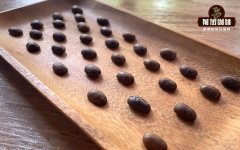
Flavor Profile Evaluation of Costa Rica's Special Process Coffee Beans: The Blueberry Coffee Beans from Finca Piedra De Los Gigantes.
FrontStreet Coffee - Costa Rica La Piedra Blueberry Coffee Processing Method and Varieties Introduction
Costa Rica borders Panama and enjoys a wide range of microclimates. The estate's name carries deep local cultural meaning: the "Mysterious Stone Spheres" unearthed nearby were stone carvings made by indigenous people between 200 BCE and 1500 CE, and they gave the estate its name, "La Piedra," meaning "the stone."
After importing coffee from Cuba in 1729, Costa Rica became the first country in Central America to cultivate coffee and the first to grow it commercially. Its rich volcanic soil, combined with Pacific Ocean currents and monsoon influence, creates distinctive microclimates across the country.
La Piedra Estate sits in the Brunca region of southern Costa Rica at an elevation of 1,400-1,700 meters. The estate takes its name from the indigenous stone carvings, the Mysterious Stone Spheres, discovered nearby. The soil where the coffee grows is a mix of red clay and lime mud, which gives the beans not only high density but exceptional sweetness.
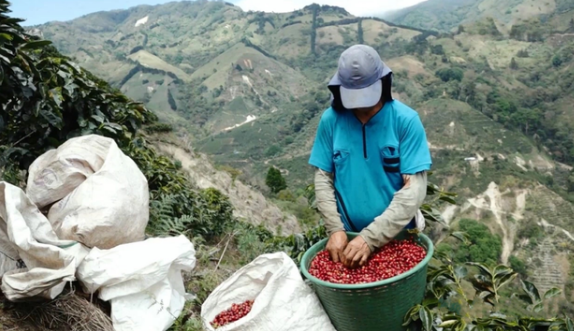
Coffee Varieties
Bourbon is a natural mutation of Typica. When ripe, the cherries turn wine-red and the beans are relatively round. Grown at altitude, Bourbon typically shows excellent aroma and bright acidity, with flavors that recall red wine.
Catuai is a variety created by crossing Caturra with Mundo Novo. It inherited Caturra's compact structure, so it needs no shade and is easy to grow and harvest, and it tolerates natural hardship better than Mundo Novo. In the cup it delivers excellent acidity.
Anaerobic Honey Processing
Anaerobic honey processing starts with selecting fully ripe cherries, then removing the skin while keeping the pulp and mucilage. The fruit goes into sealed barrels injected with carbon dioxide, with the room temperature held between 10-15°C for a low-temperature anaerobic fermentation. Once that fermentation finishes, the process moves into the second, honey-processing stage.
The beans, still carrying pulp and mucilage, are then spread on mesh drying beds. During drying the temperature must stay below 40°C. After 8 hours of drying the cherries are moved into a greenhouse for a 12-hour rest. This cycle repeats for 20-25 days. Once the green beans reach a moisture content of 15%, they are packed in inner bags with outer cloth bags and rested in a cool, ventilated area for one month, until the moisture drops to 11%.
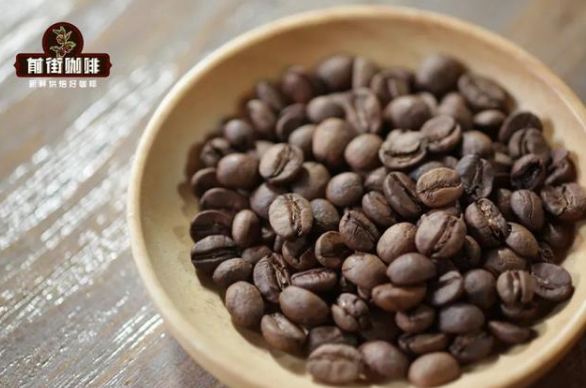
FrontStreet Coffee's Costa Rica La Piedra Blueberry flavor profile: rose, blueberry candy, fermentation notes, mint.
FrontStreet Coffee Recommendation
A fruit-forward, experimental cup like La Piedra Blueberry is best paired with an equally expressive estate coffee, and the FrontStreet Emerald Estate Red Label Geisha fits perfectly. Harvested from a single plot above 1,700 meters with a cupping score of 91, it shows a refined orange-blossom honey character with clean, layered fruit.
For the same wild-berry intensity at a friendlier price, try the FrontStreet Panama Butterfly. Built from Geisha, Caturra and Catuai grown on the Baru volcano in Boquete, it combines a floral Geisha aroma with citrus acidity and plenty of body.
If you want to stay with the honey-and-fermentation thread, the FrontStreet Panama Boquete Geisha is a good bridge: an estate-level Geisha grown at 1,600 meters on volcanic soil, offering jasmine, green tea, honey, citrus and orange.
Important Notice :
FrontStreet Coffee is a long-established specialty coffee roaster in Guangzhou China, selling freshly roasted beans from its own farm in Yunnan as well as dozens of carefully selected single-origin beans from around the world for both pour-over and espresso. The products deliver consistently excellent quality and great value, with shipping within 24 hours. Guangzhou's FrontStreet Coffee shop is recommended by many coffee lovers, and the beans are now available online at the Tmall 。
FrontStreet Coffee has moved to a new address:
FrontStreet Coffee Address: 315,Donghua East Road,GuangZhou
Tel:020 38364473
 Scan and follow the En Gafei WeChat official account. Please indicate that the reprint comes from "En Gafei".