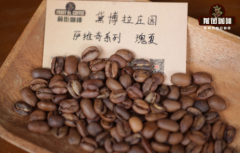
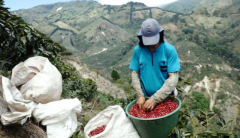
What Variety is the Horse Champion Coffee Bean and Why is it Called Horse Champion? What are the Differences and Characteristics Between Horse Champion and Geisha Coffee Beans
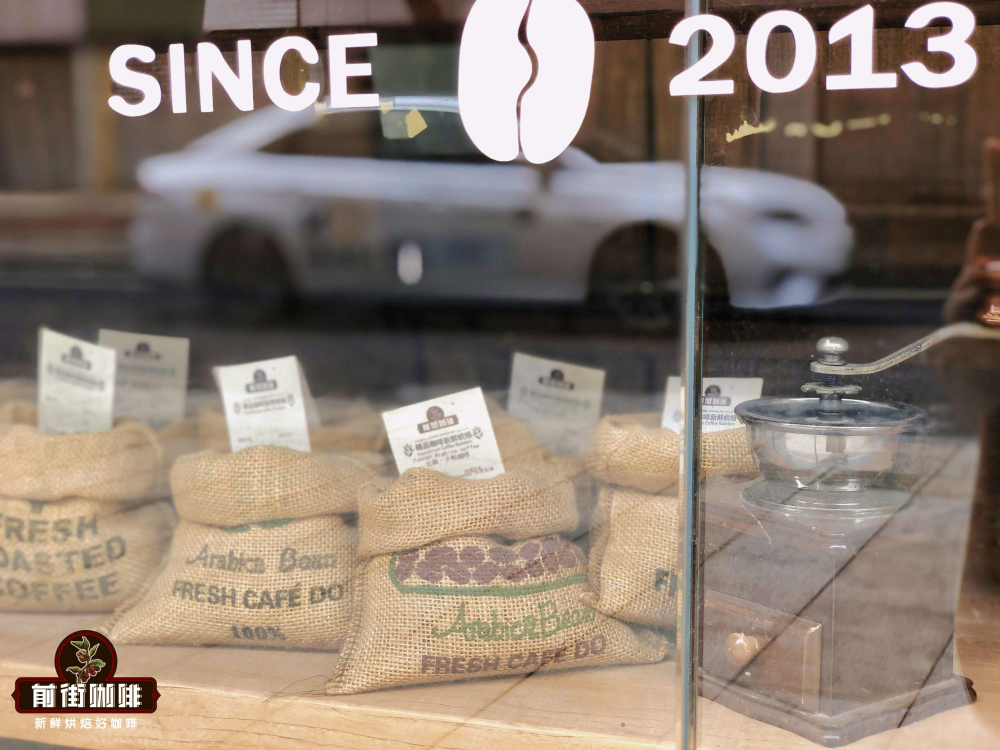
For a while now, one question has caused quite a stir among coffee enthusiasts: what exactly is the relationship between Huakui coffee and Gesha coffee? Is Huakui actually Gesha?
The confusion traces back to a social media influencer who mixed up two concepts. "Huakui" means "the finest among flowers" and is also a Japanese term for geisha, pronounced "Geisha" (or "Gesha"), which happens to be identical to the English name of the Gesha variety. From there it was a short leap to the claim that "Huakui is Gesha."
FrontStreet Coffee has written multiple articles about both Gesha and Huakui, and the truth is simple: they are not the same variety. Huakui is a natural (sun-dried) coffee produced at the Buku Abel processing station in the Hambela sub-region of Ethiopia's Sidamo (Guji) area, while when we say "Gesha" we are referring specifically to a coffee variety.
Although FrontStreet Coffee's bean list is long and varied, every bag is clearly labeled with its key details: origin, growing altitude, variety, processing method, and flavor notes, so you always know exactly what you are buying.

Coffee Bean Varieties
The packaging on Huakui coffee beans lists its variety as "local indigenous heirloom." Some friends may not be familiar with that term. Huakui's birthplace, Ethiopia, is recognized as the birthplace of coffee itself, so its varietal diversity is enormous. Local economic conditions are modest, however, and there simply is not the funding to study and catalog every variety. On top of that, the Ethiopian government has been reluctant to disclose details about native coffee trees in order to protect them. The upshot: these lesser-known varieties are all lumped together as "local indigenous heirloom" varieties.

As for Gesha, the variety was discovered in Ethiopia's Gesha forest in the 1930s and later sent to the Coffee Research Institute in Kenya. In 1936 it was introduced to Uganda and Tanzania. In 1953 it crossed the ocean to Costa Rica in Central America, where it was cataloged as accession "T2722". When coffee leaf rust swept through Central America, the rust-tolerant Gesha variety was then introduced to Panama.

In other words, Huakui and Gesha are two entirely different coffees. Huakui's variety is Ethiopian local indigenous heirloom; Gesha's variety is, of course, Gesha.
Why is Huakui Coffee Called "Huakui"
Anyone familiar with how coffee beans are named will notice that beans are usually named after their place of origin. Huakui beans come from the Hambela sub-region of Guji/Sidamo, so why "Huakui" instead of "Hambela"?
The name is tied to Huakui's rise to fame. In 2017, the Ethiopian green coffee exporter DW sent natural-process beans from Buku Abel, which it manages, to the TOH (Taste of Harvest) green coffee competition. The judges were captivated by its rich berry-and-cream cup, and it took the championship in the natural category for Ethiopia that year.
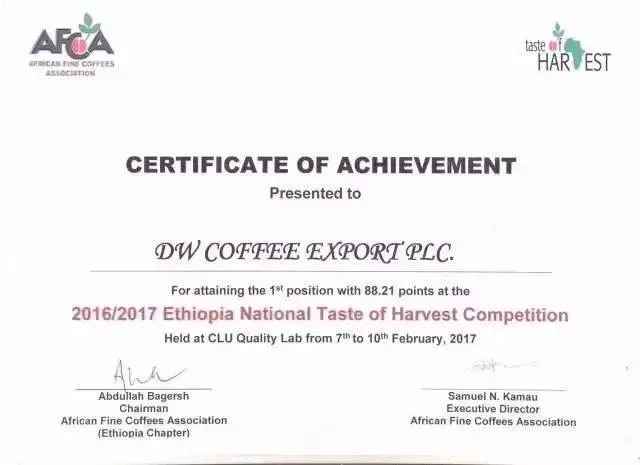
In the same year, the Beijing green coffee importer Hongshun brought that very batch to the Chinese market. Its flavor was so exceptional, with only slight refinements needed in post-harvest processing, that people believed it could rival Gesha, and it was given high hopes along with the name "Huakui." That year, Gesha beans were everywhere at the China regional brewer championships, and competitor Li Jianfei took second place brewing Huakui beans from the same batch as the 2017 TOH natural category champion. That result made Huakui shine and cracked the Gesha legend.
Sharp-eyed friends may notice two different Huakui beans on FrontStreet Coffee's shelf, labeled "Huakui" and "Huakui 5.0." Huakui 5.0 belongs to the "Huakui X.0" series: 2018 was Huakui 2.0, 2019 was Huakui 3.0, and 2020 was Huakui 4.0, so the 2021 harvest is naturally Huakui 5.0. The 2022 harvest was on its way as the new Huakui 6.0, which FrontStreet Coffee pre-ordered as soon as possible, expected to arrive in April. Fans of Huakui should keep an eye out.
The other bag labeled "Huakui" is small-grain Huakui. FrontStreet Coffee noticed some smaller-grain beans among its 2018 and 2019 Huakui lots, and later cupping revealed that these small-grain beans are precisely where Huakui's signature aroma comes from.
Huakui Coffee Flavor Characteristics
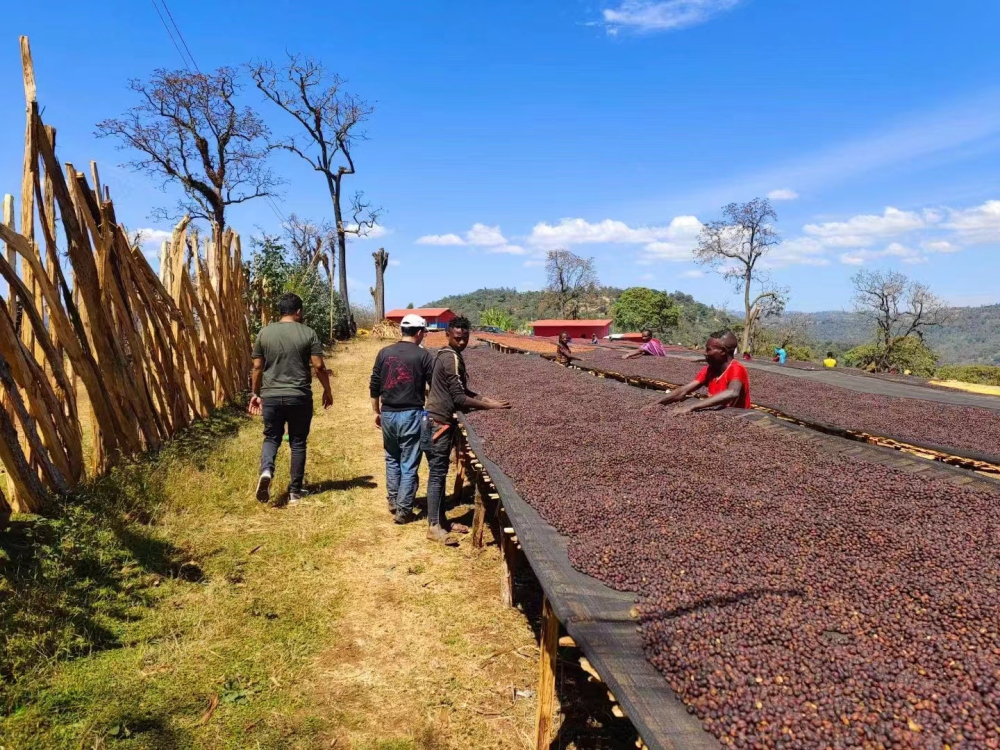
Huakui has won over many coffee connoisseurs with its rich berry-and-cream flavor, and that deliciousness is closely tied to its growing environment and processing. Huakui beans come from the Hambela region of Guji, and only natural-process coffee produced at Buku Abel may be called "Huakui," which is why Buku Abel is also known as the "Huakui Estate." The growing area is surrounded by sugarcane and banana plants, and under high-altitude conditions this gives Huakui a silky texture, with the berry acidity and fermented wine notes that natural processing brings.
Huakui's flavor shifts from year to year, mainly because coffee is an agricultural product. No farm can produce identical flavor every harvest, since crops are easily affected by variables like climate and rainfall, so some year-to-year variation is completely normal.
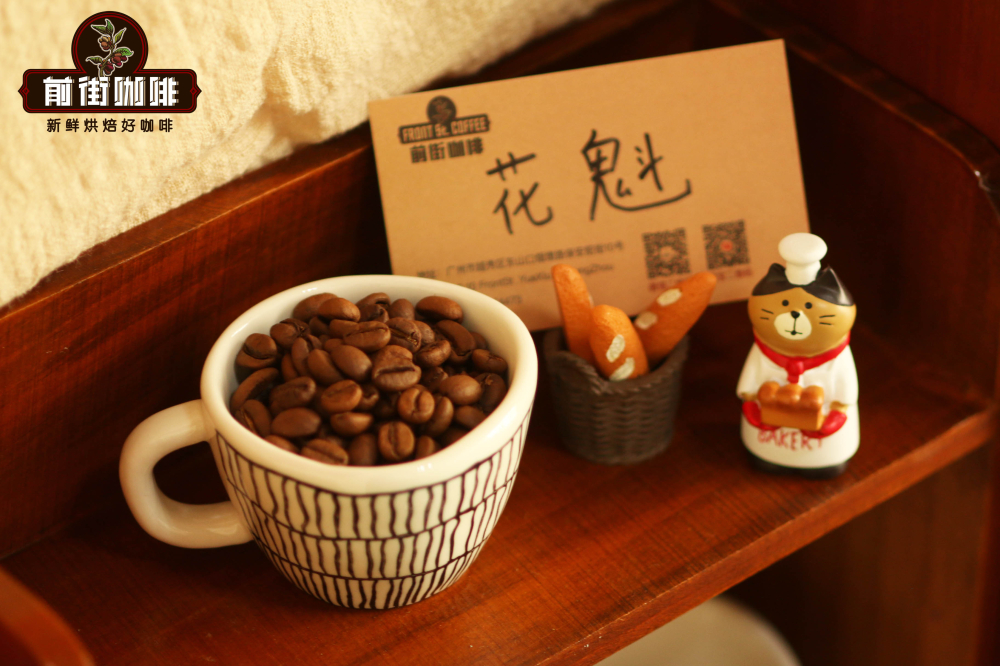
There are also subtle differences between small-grain Huakui and Huakui 5.0 on FrontStreet's shelf. Small-grain Huakui hews closer to the strawberry-cream cup of that year's TOH natural category champion, while Huakui 5.0 leans toward the berry, floral, and tea-like profile typical of the Guji region.
Gesha Coffee Flavor Characteristics
Once Gesha became famous, growing regions worldwide raced to plant it. But when people talk about Gesha flavor, they generally mean Panamanian Gesha. The Gesha tree's brittle branches and low yield initially earned it no love from farmers, but after it won the 2004 BOP (Best of Panama) competition and smashed the auction record, the coffee world finally recognized what Gesha could do.
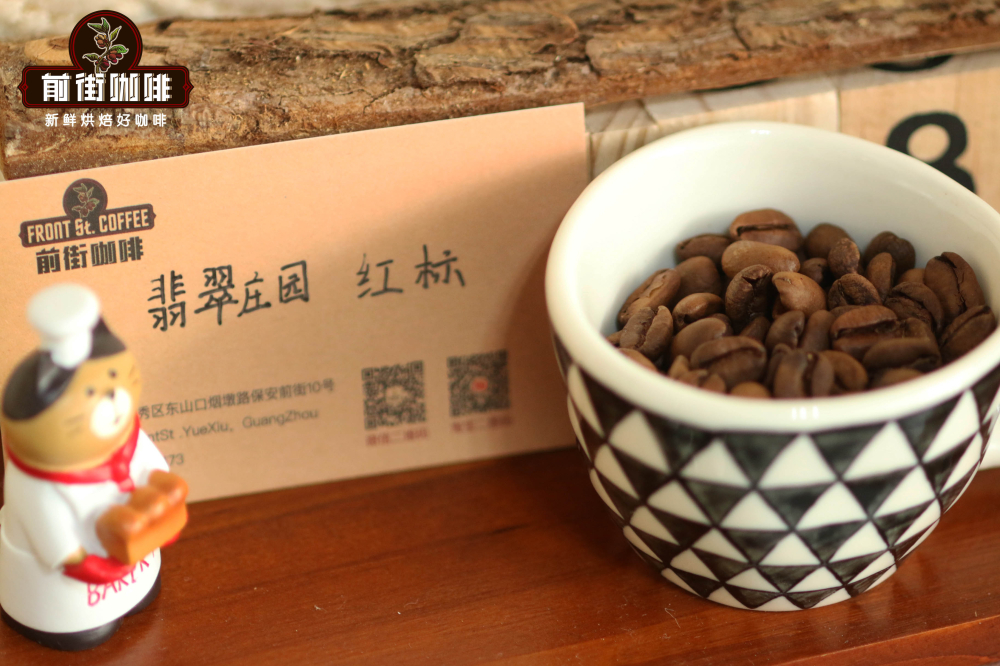
Esmeralda Estate deserves real credit here, as both the rediscoverer of Gesha coffee and the champion of its flavor. FrontStreet Coffee's shelf carries Esmeralda's Red Label, Green Label, and Volcanic lines to help drinkers work their way into Gesha's character: the signature citrus tones, jasmine fragrance, and honeyed sweetness that transport coffee newcomers straight to heaven.
FrontStreet Coffee Brewing Suggestions
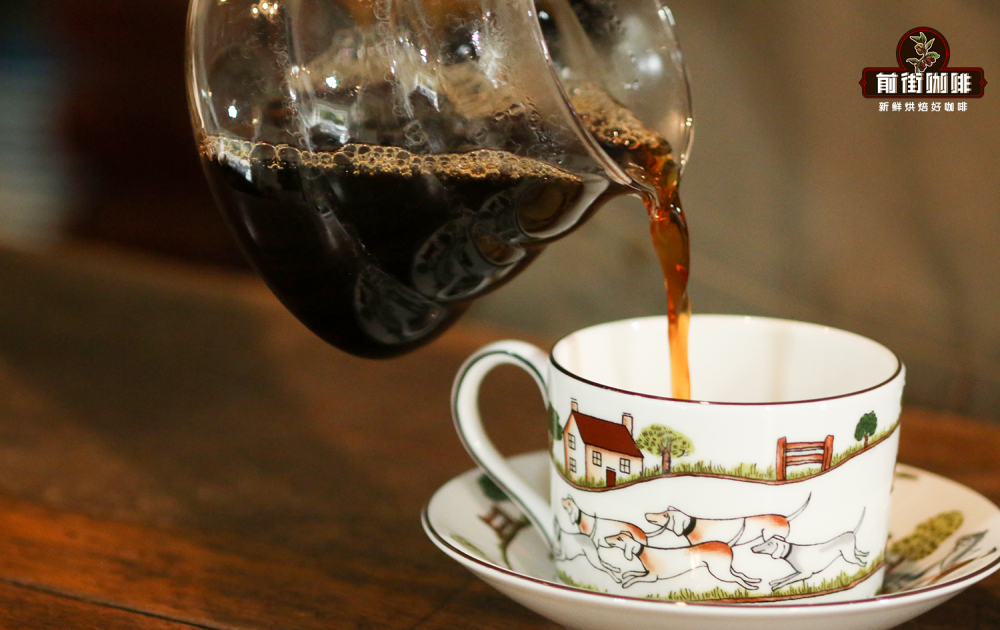
Since both Huakui and Gesha need to show off their fine acidity and rich aromatics, FrontStreet Coffee's roasters use a medium-light roast for both. The baristas brew them at a finer grind size to increase the contact area between the grounds and the water, and at a higher water temperature to speed the dissolution of flavor compounds.
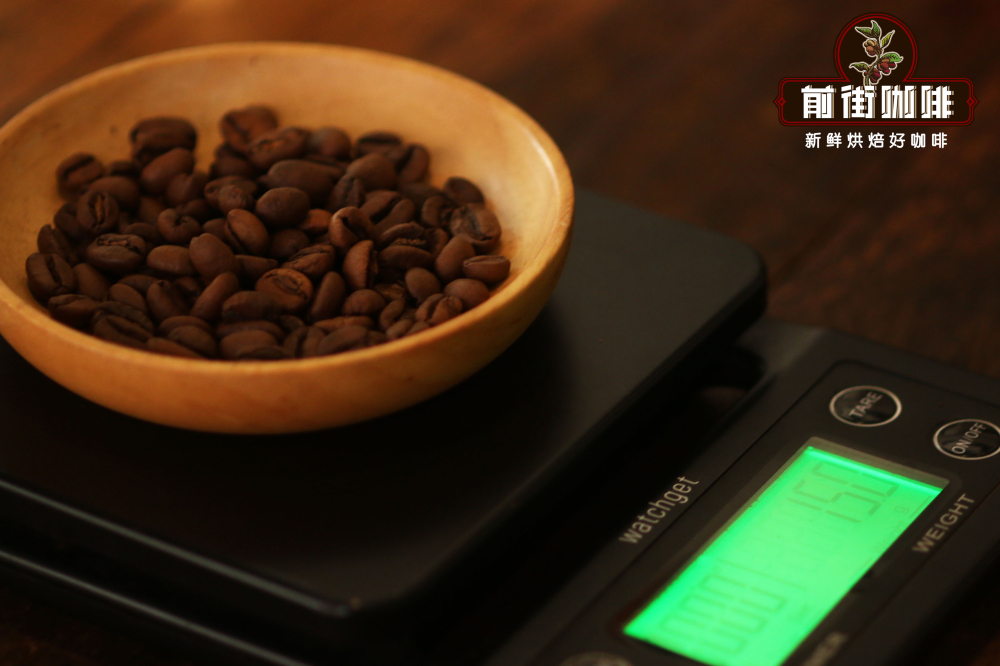
Dripper: Hario V60
Water Temperature: 91 degrees Celsius
Dose: 15 grams
Coffee-to-water ratio: 1:15
Grind: 80% pass rate through China Standard No. 20 sieve
Pour 30 grams of hot water to fully wet the grounds and bloom for 30 seconds. Starting from the center, pour in a fine stream and slowly spiral out to 125 grams for the first segment. Once the water level drops to just before the coffee bed is exposed, continue spiraling up to 225 grams. Total extraction time is approximately 2 minutes.
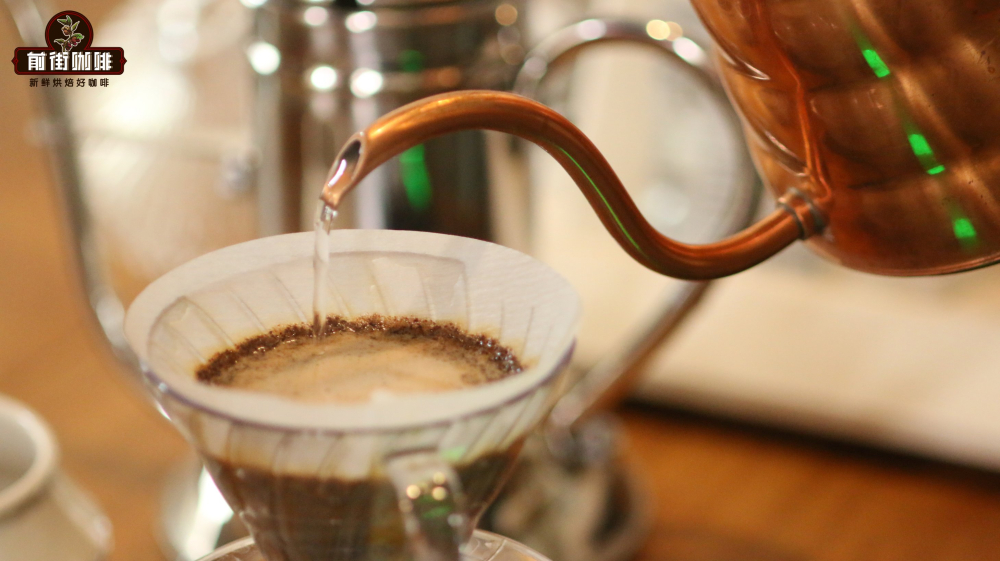
FrontStreet Coffee occasionally hears from customers wondering why the coffee bed does not bulge during blooming. Blooming lets carbon dioxide trapped in the grounds escape so that the later pours extract more evenly. Freshly roasted beans hold a lot of CO2, and as it escapes the flavor settles into stability. FrontStreet ships beans roasted within 5 days, and by the time they reach customers they have rested 4-7 days, right at their flavor peak.
Customers without a home grinder sometimes ask for pre-ground beans. A friendly reminder: once coffee is ground, degassing accelerates and aromatics volatilize quickly, dramatically shortening the tasting window. FrontStreet Coffee therefore recommends buying whole beans and grinding fresh just before brewing.
FrontStreet Coffee Recommendation
Want to explore Gesha without overpaying? It helps to know the landscape. Gesha (from the English "Geisha") is one of the most beloved Arabica varieties, prized for its unique florals and superb sweet-sour balance, but low yields, weak disease resistance, and demanding cultivation keep prices high. Here is how the main options compare.
FrontStreet Esmeralda Red Label Gesha: Esmeralda Estate made Gesha famous worldwide, and its current line splits into Red Label and Green Label. The Red Label's official name is "Esmeralda Special." It grows at 1600-1800 meters, each batch must cup above 90 points, and every batch carries its own lot number, with all the beans in a batch coming from a single small plot. FrontStreet's Red Label comes from the Jaramillo plot. Buyers can pick the lot whose subtle flavor differences suit them best.
FrontStreet Esmeralda Green Label Gesha: Originally called "Private Collection." Unlike the Red Label, the Green Label does not emphasize individual plot information; it blends batches from several plots to express the estate's signature high-altitude Gesha character. Think of it as Gesha without the single-plot pedigree, which makes it notably more affordable, and the value for money is excellent.
FrontStreet Boquete Gesha: For newcomers who want a first taste of the fabled "Gesha flavor," FrontStreet usually recommends this entry-level Panamanian Gesha first. At an approachable price you get the classic orange-blossom honeyed character of high-quality Panama Gesha, with an oolong-tea texture, delicate fruity sweetness and acidity, and clearly layered flavors.
FrontStreet Gesha Village Gold Label and Red Label: Ethiopia, coffee's birthplace, also has an estate famous for the Gesha variety: Gesha Village, founded by a couple 12 miles from the Gesha forest on a 475-hectare site, who identified the variety closest to Panama Gesha by plant morphology, bean shape, and cupping performance. Its grading is even more elaborate than Esmeralda's: the estate grows three Gesha varieties (Gori Gesha, Gesha 1931, and Illubabor Forest) across tiers including Gold Label RARITIES, Red Label GROWERS RESERVE, Green Label SINGLE-TERROIR, and CHAKA lots. The Gold Label is Gesha 1931 and represents 10% of total production, the estate's top non-auction coffee and a frequent choice of competing baristas; FrontStreet's Gold Label lot is a meticulous natural with complex, layered flavor. The Red Label is Gori Gesha, 15% of production, scoring 88 or above on the SCA 100-point scale, a single-terroir series with full traceability including block name, variety, and processing date.
FrontStreet Granna Gesha: Granna Estate, in the Yirgacheffe area of Ethiopia, is a rare single-variety farm. This lot comes from the Granna processing station founded in 2014 and managed by Mr. Israel Degefa, at the border of Kochere and Granna Abaya, where coffee covers 700 hectares of mostly untilled, fertile, shade-dotted land. Fully ripe cherries are hand-picked and raised-bed natural-dried for 14-20 days depending on weather. Roasted medium-light, it offers bright citrus acidity, elegant ginger-flower aromatics, full ripe-fruit sweetness, a silky texture, and the refined finish typical of the variety. As a bonus, a medium roast of this style also works beautifully as an SOE espresso: expect dried apricot, caramel, and nut flavors in the shot.
Important Notice :
FrontStreet Coffee is a long-established specialty coffee roaster in Guangzhou China, selling freshly roasted beans from its own farm in Yunnan as well as dozens of carefully selected single-origin beans from around the world for both pour-over and espresso. The products deliver consistently excellent quality and great value, with shipping within 24 hours. Guangzhou's FrontStreet Coffee shop is recommended by many coffee lovers, and the beans are now available online at the Tmall 。
FrontStreet Coffee has moved to a new address:
FrontStreet Coffee Address: 315,Donghua East Road,GuangZhou
Tel:020 38364473
 Scan and follow the En Gafei WeChat official account. Please indicate that the reprint comes from "En Gafei".