What Makes the Best Mandheling Coffee Beans? The Flavor Profile of Indonesia's PWN Golden Mandheling
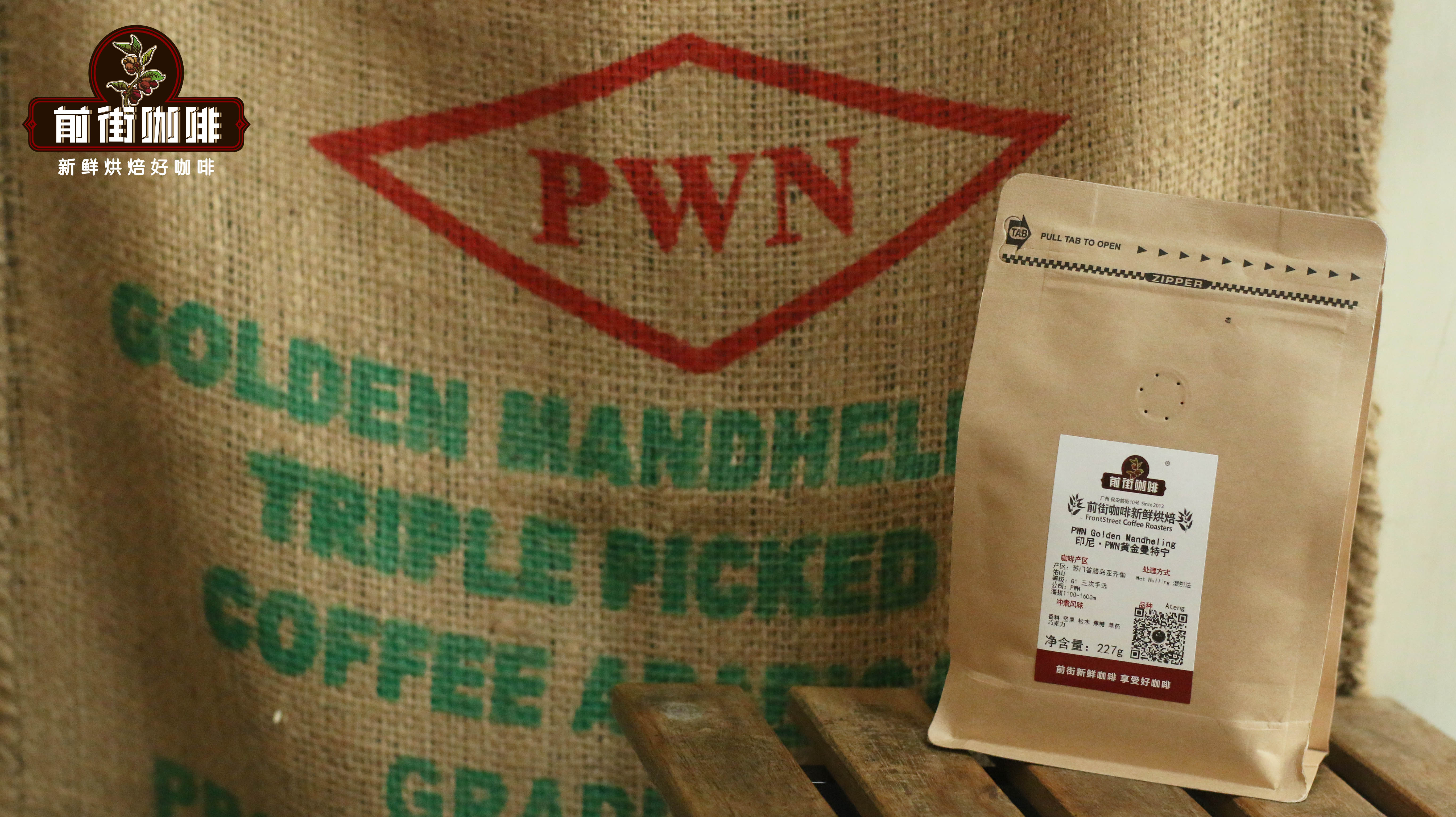
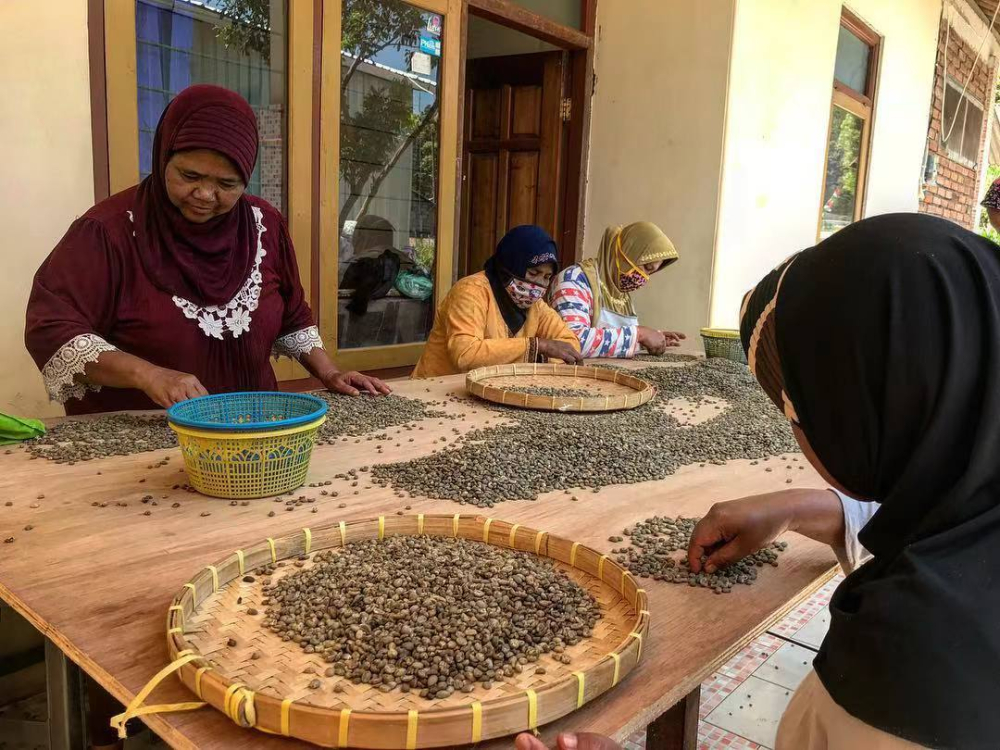
Golden Mandheling is a select coffee from the Indonesian green coffee company PWN. Thanks to strict screening standards - machine density and color sorting followed by three rounds of manual hand sorting - the beans present a uniform color and consistent shape. Under sunlight the processed beans gleam with a golden luster, hence the name "Golden Mandheling."
Authentic Golden Mandheling comes from Indonesia's PWN green coffee company. If you know how Mandheling coffee got its name, you have probably heard the popular story: during World War II, while Japan occupied Indonesia, a Japanese soldier tasted an exceptionally aromatic coffee at a café. When he asked the owner about it, the owner misunderstood, thinking he was asking where he was from, and replied "Mandailing." After the war, the soldier remembered the "Mandheling" coffee he had drunk in Indonesia and arranged to have 15 tons shipped to Japan, where it became unexpectedly popular - and the name Mandheling spread from there.
The first person to export Mandheling to Japan was the café owner from that story. Recognizing the enormous business potential of Mandheling coffee, he founded the PWN (Perkumpulan Wanita Niaga) company in 1957. PWN mainly buys high-quality batches of Mandheling green beans locally and specializes in producing premium Mandheling, with Golden Mandheling as its signature product.
Over time the Japanese recognized the quality of Sumatran coffee and bought it long-term, only to find local bean quality inconsistent. They threw themselves into Mandheling production and began establishing strict defect-screening standards covering bean density, size, and color. The beans require machine sorting plus multiple rounds of hand sorting to remove defects, ensuring the finished Mandheling is complete, uniform, large, and translucent, while also taming its earthy and grassy edge. Legend has it that because the beans gleam golden in the sun, they were named "Golden Mandheling."
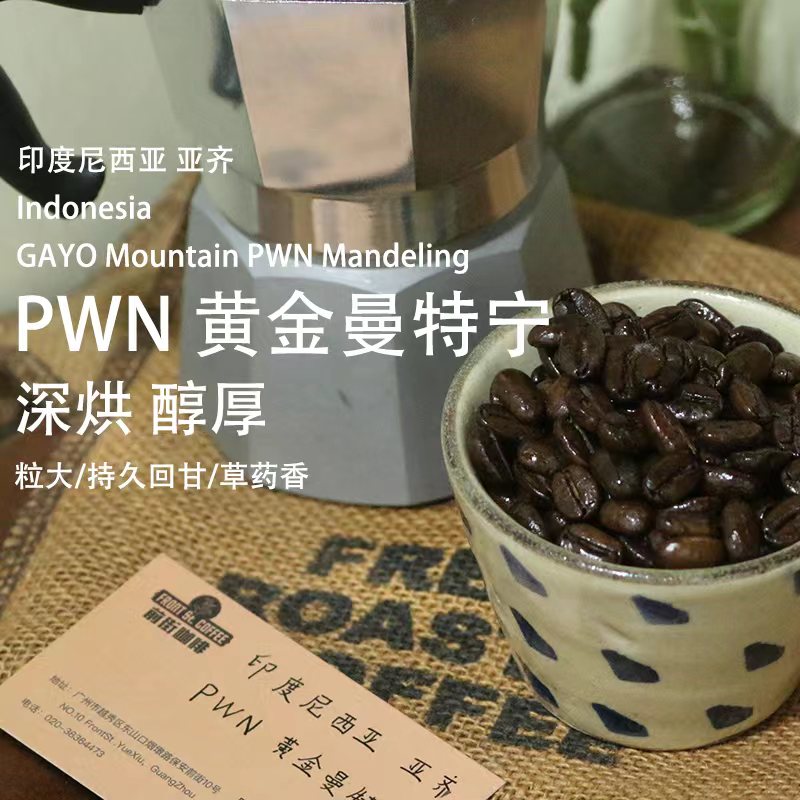
FrontStreet Coffee: PWN Golden Mandheling Coffee Beans
Origin: Sumatra, Indonesia
Grade: G1, triple hand-selected
Altitude: 1,100-1,600 m
Variety: Ateng
Process: Wet-hulled
Flavor: Nuts, spices, chocolate, herbs, caramel
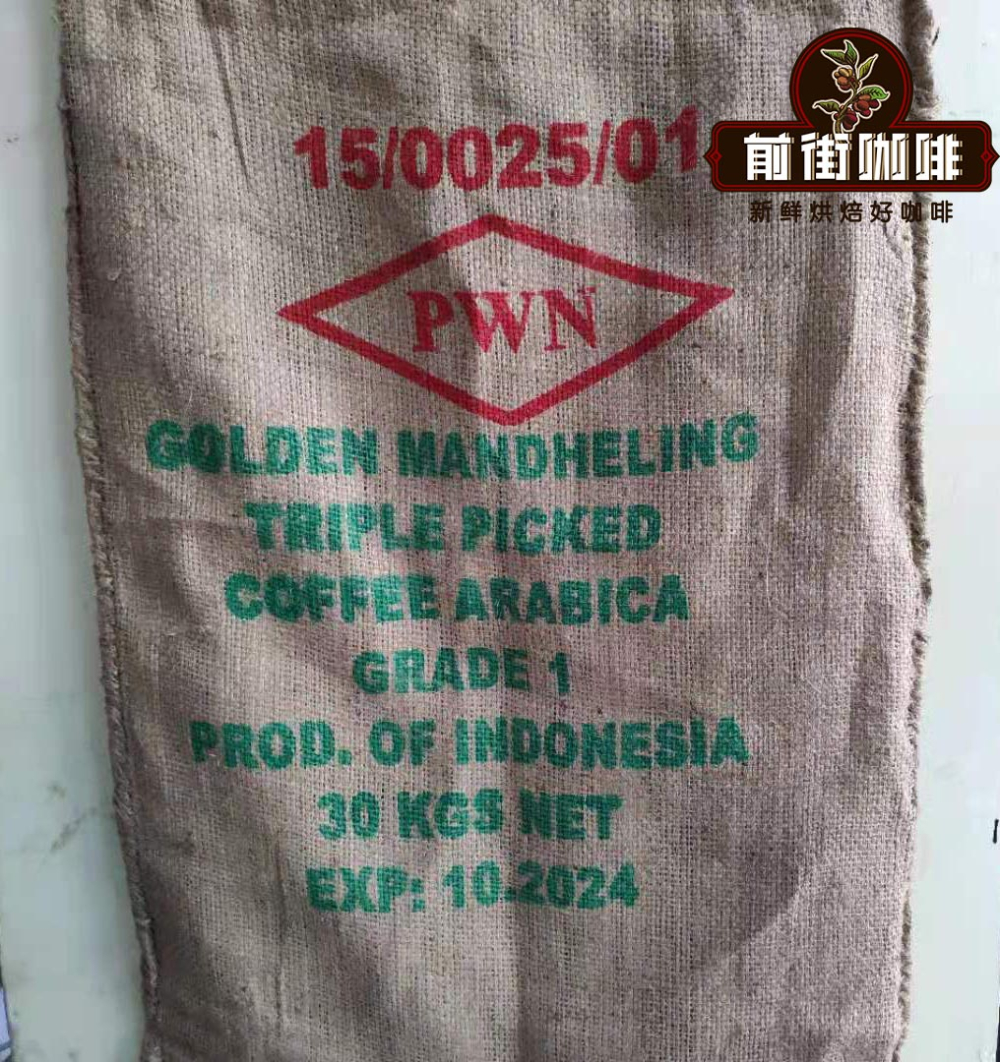
As the premium Mandheling market grew, PWN also recognized the value of trademarks, registering "Golden Mandheling" as an exclusive English trademark ahead of the Japanese. Only Golden Mandheling produced by PWN is therefore the genuine article; the Japanese version had to be renamed "Top Mandheling." The Golden Mandheling that FrontStreet Coffee carries is, of course, authentic PWN - you can identify it by the green bean sacks bearing the PWN logo and the certificate of origin signed by PWN, which FrontStreet Coffee displays in its Dongshankou store.
The Unavoidable Indonesian Wet-Hulled Process
Sumatra sits on the equator with a typical tropical rainforest climate - rain year-round, high humidity, frequent typhoons, and scarce freshwater. Locals cannot wash large quantities of coffee the traditional way, nor can they dry beans through prolonged sun exposure. To adapt to these extreme conditions, local farmers developed a faster method: wet-hulling. Wet-hulling means "forcefully" stripping the parchment layer before the beans are fully dry, so the green beans complete their final drying in a "naked" state.
The wet-hulled method diverges from traditional washing at the fermentation stage: it uses less water and a shorter fermentation, leaving a little mucilage on the bean husk. When the first drying brings the beans to 35-40% moisture content, farmers sell them to buyers, who hull the semi-dry parchment directly - removing mucilage and husk in one pass to obtain green beans.
Although every step is dramatically shortened, the "naked beans" absorb moisture from the hot, humid air, giving Mandheling its additional woody, herbal, and spicy mellow aromas. All the Mandheling on FrontStreet Coffee's menu is wet-hulled. After medium-dark roasting, the beans present rich chocolate, brown sugar, and nut flavors with a herbal aftertaste. FrontStreet Coffee considers wet-hulled Lintong Mandheling the very definition of "Mandheling flavor," which is why it features in their daily coffee series.
How FrontStreet Coffee Brews Mandheling
Medium-dark roasted Mandheling has plenty of body, but the beans' structure becomes more porous and absorbent, making them easier to over-extract. FrontStreet Coffee therefore uses a lower water temperature and a coarser grind size to avoid the negative bitterness of over-extraction.
Dripper: KONO
Water Temperature: 87°C
Dose: 15 grams
Ratio: 1:15
Grind Size: Medium-coarse (70% pass-through on a #20 standard sieve)
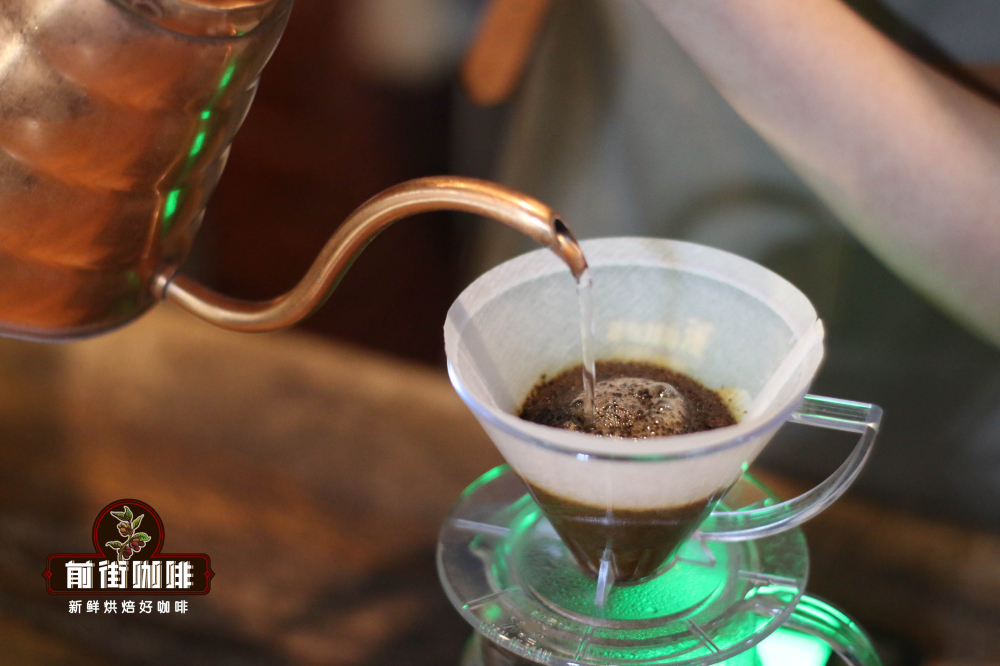
Wet the KONO filter so the paper sits snugly against the dripper. Discard the water from the sharing pot and add 15 g of ground coffee. Bloom with 30 g of water for 30 seconds, then pour in small circles from the center until reaching 125 g, and pause. When the coffee bed drops to half the filter's height, begin the second pour with the same technique until reaching 225 g. Once dripping stops, remove the filter.
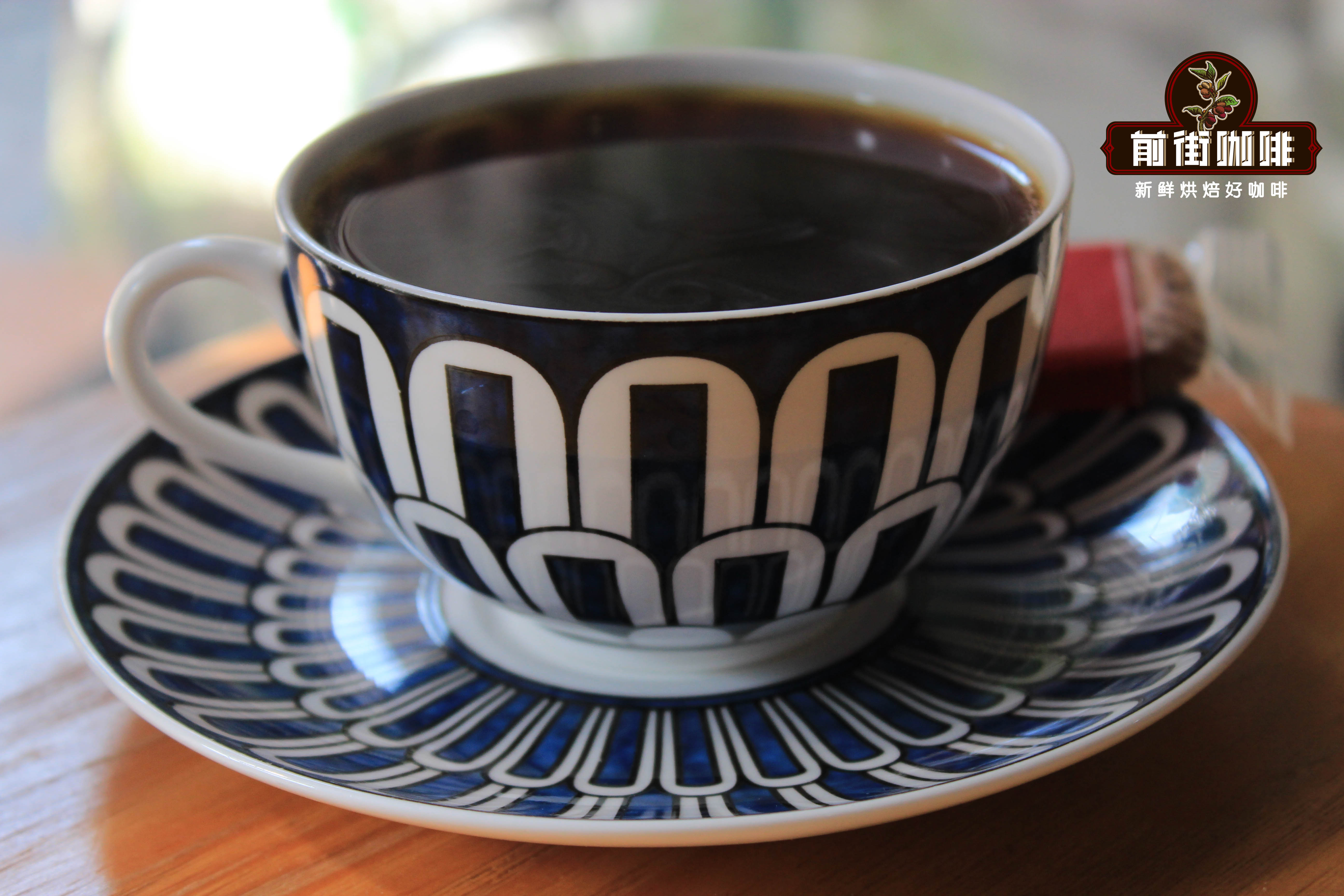
The freshly ground Golden Mandheling smells of nuts and toasted bread, and during brewing you can catch the sweet fragrance of caramel. The brewed coffee enters with spice and dark chocolate, its mouthfeel rich yet clean, with a noticeable sweet aftertaste and a persistent finish.
FrontStreet Coffee Recommendation
FrontStreet Coffee's PWN Golden Mandheling is the flagship of this style: sourced from PWN in Indonesia, screen 18 and above, G1 grade with fewer than 3 defects per 300 g, triple hand-sorted, and wet-hulled for a clean, full-bodied cup of herbs, dark chocolate, and caramel with a mellow finish. If you'd like a daily-drinker in the same flavor family, the FrontStreet Coffee Lintong Mandheling from the Lake Toba region offers the same medium-dark roasted depth - cloves, wood, spice, and a thick, lasting sweetness - at lower acidity.
Important Notice :
FrontStreet Coffee is a long-established specialty coffee roaster in Guangzhou China, selling freshly roasted beans from its own farm in Yunnan as well as dozens of carefully selected single-origin beans from around the world for both pour-over and espresso. The products deliver consistently excellent quality and great value, with shipping within 24 hours. Guangzhou's FrontStreet Coffee shop is recommended by many coffee lovers, and the beans are now available online at the Tmall 。
FrontStreet Coffee has moved to a new address:
FrontStreet Coffee Address: 315,Donghua East Road,GuangZhou
Tel:020 38364473
 Scan and follow the En Gafei WeChat official account. Please indicate that the reprint comes from "En Gafei".